


White Metal Garden Bench
These white metal garden bench examples bring enduring ironwork and seating into the open air.
White Metal Garden Bench
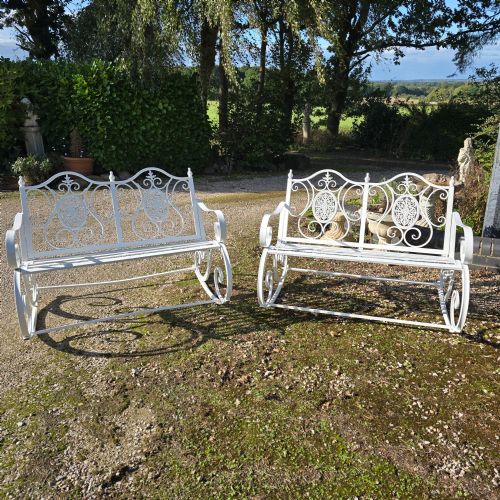
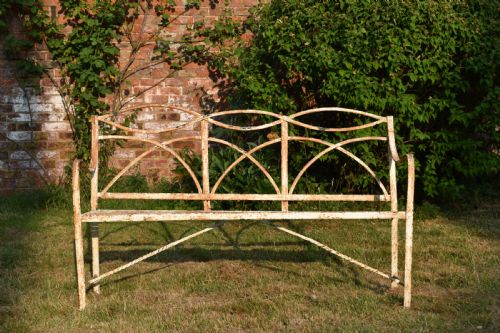
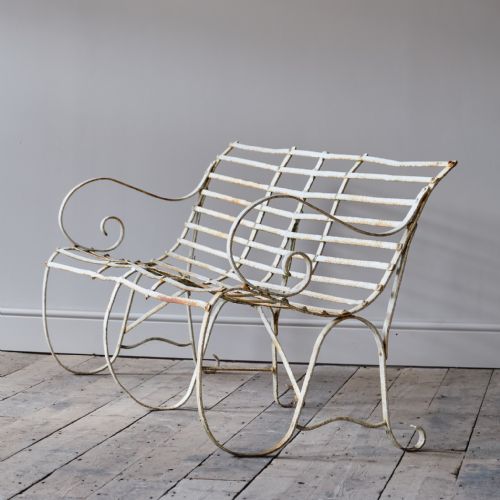
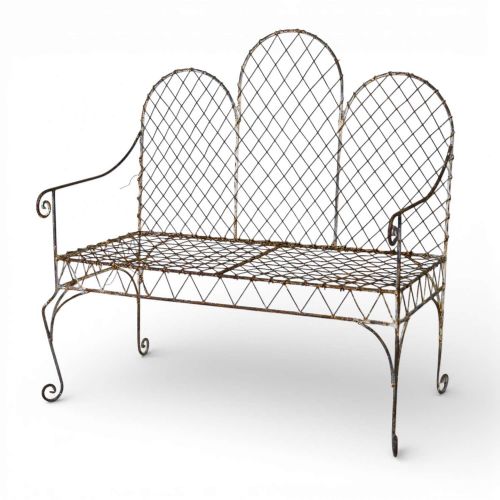
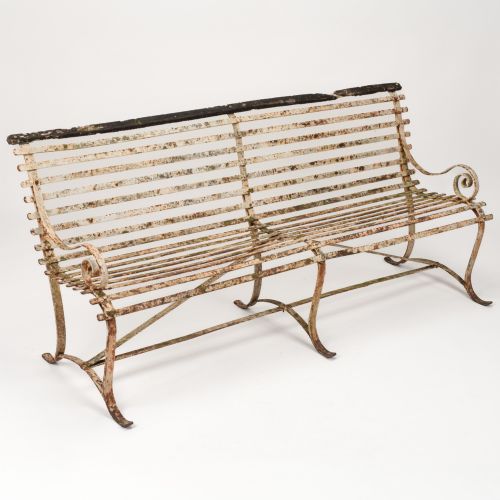
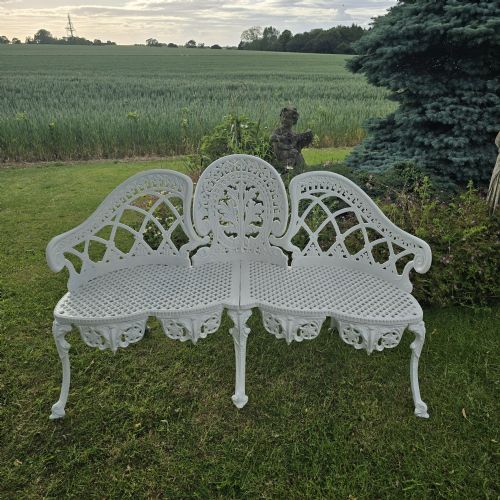
When you search for a white metal garden bench, you encounter seating fashioned from cast iron, wrought iron, and steel across the nineteenth and twentieth centuries. The pieces on this page span from Regency strapwork forms to Victorian decorative designs and later interwar variations.
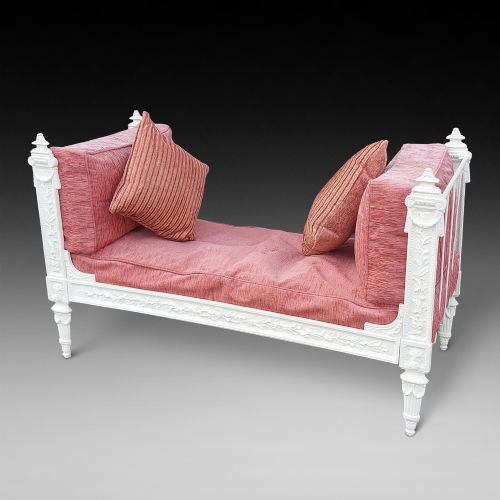
You are most likely to meet Victorian and Regency style garden seats and benches, often featuring painted finishes alongside timber or fabric elements. Forms range from single garden armchairs and daybeds to complete garden sets and arbours.
The origins of these items trace through periods such as the nineteenth century, nineteen-thirties, and nineteen-hundreds. Each white metal garden bench reflects the outdoor tastes of its specific era, from Gothic revival influences to simpler strapwork construction.
How they were made
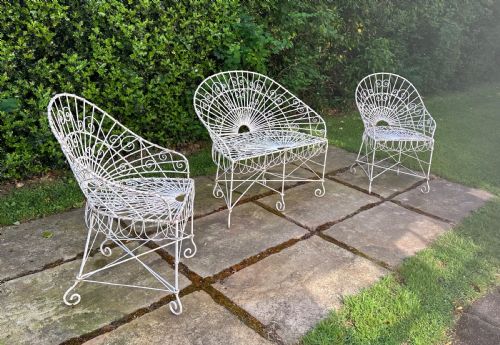
Makers utilised cast iron, wrought iron, and steel to build structural frames capable of enduring outdoor conditions. Metal components were shaped through casting and forging, frequently complemented by wood or fabric.
Surface finishes involved layers of paint applied to protect the underlying metal and provide a uniform white appearance. Construction techniques combined heavy metal casting with detailed wirework and strapwork assembly.
What varies in quality
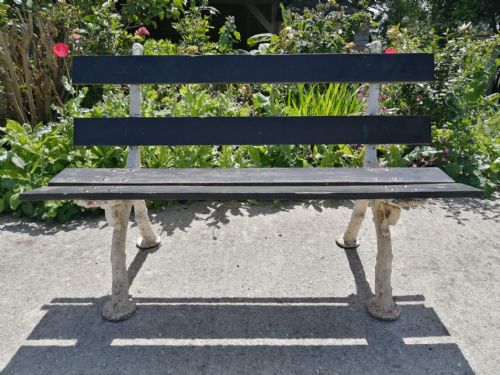
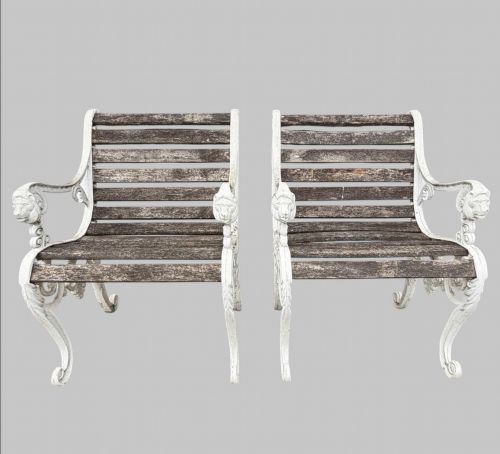
The refinement of the metalwork distinguishes finer examples, particularly in the crispness of cast ornamentation like lion masks and faux bois detailing. Early strapwork benches demonstrate precise manual forging compared to later mass production.
Structural integrity depends on the preservation of the original iron or steel frame and the quality of any subsequent refurbishment. The balance between decorative flourishes and functional stability defines the upper tier of these garden seats.
Coalbrookdale
The White Metal Garden Bench Glossary
- Strapwork
- Flat strips of metal interwoven or applied in geometric patterns to form the backrest or seat. This technique provides both structural strength and visual lightness.
- Cast Iron
- Molten iron poured into a mould to create intricate decorative details and heavy frames. It allows for complex sculptural elements such as animal masks and simulated wood grain.
- Wrought Iron
- Iron heated and hammered by hand into specific shapes and curves. It offers high tensile strength and distinct surface textures from the forging process.
- Faux Bois
- An artistic imitation of wood grain rendered in metal or stone. In garden seating, this style mimics natural timber branches using durable cast iron.
- Daybed
- An elongated seating form suited for reclining outdoors. These pieces often feature raised ends and robust metal frames.
White Metal Garden Bench: Frequently Asked Questions
How do I care for a metal garden bench?
Keep the painted surface intact to protect the underlying iron or steel from moisture. Touch up any chipped areas promptly.
Position the seat on firm, well-drained ground during winter months to prevent excessive dampness at the base of the legs.
Are these benches comfortable to sit on?
Metal garden seating is typically designed for shorter periods of repose in the garden. Many period examples accommodate cushions or fabric pads for added comfort.
Ergonomics varied by decade, with Regency strapwork and Victorian designs prioritising architectural presence alongside utility.
How can I date my garden bench?
Examine the construction methods, such as whether the frame uses hand-forged wrought iron or machine-cast components. Stylistic clues like Regency strapwork or Victorian Gothic motifs point to specific eras.
Patent marks or foundry names, where present, offer direct evidence of the manufacturing period and origin.
Can these benches stay outside year round?
Cast and wrought iron withstand outdoor exposure well when properly maintained with protective paint coatings. Severe frost can occasionally affect older metal structures if water collects in joints.
Providing shelter during the harshest winter weeks helps preserve the integrity of the paint and metalwork.