


Cast Metal Outdoor Seating
Cast metal outdoor seating brings enduring strength and ornate character to lawns, patios and parks through heavy Victorian and twentieth-century designs.
Cast Metal Outdoor Seating
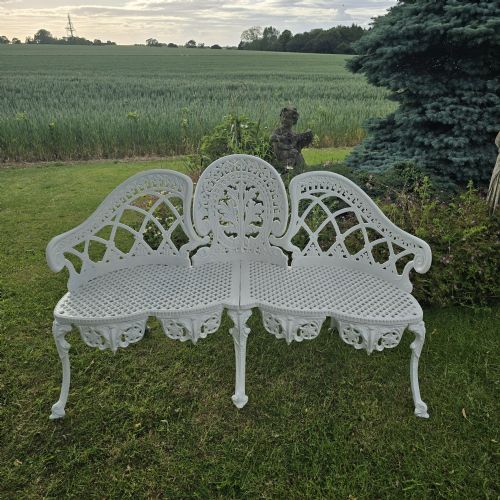
When you search for cast metal outdoor seating, you are looking at robust garden benches, armchairs, settees and dining sets designed to withstand the elements. These pieces originate primarily from the nineteenth century and the Victorian era, alongside later interwar interpretations.
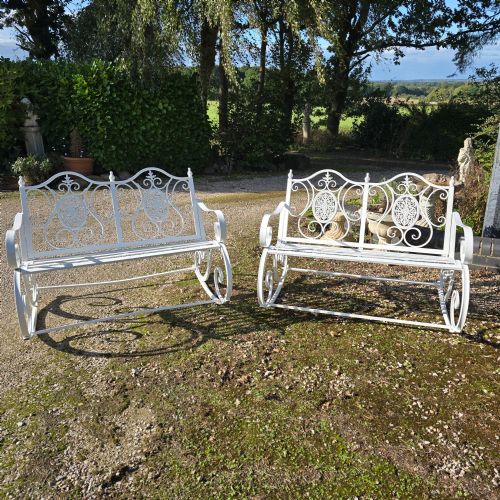
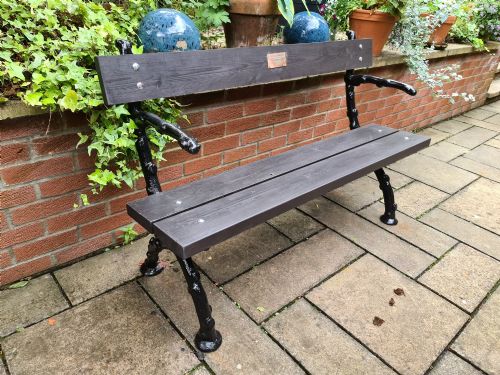
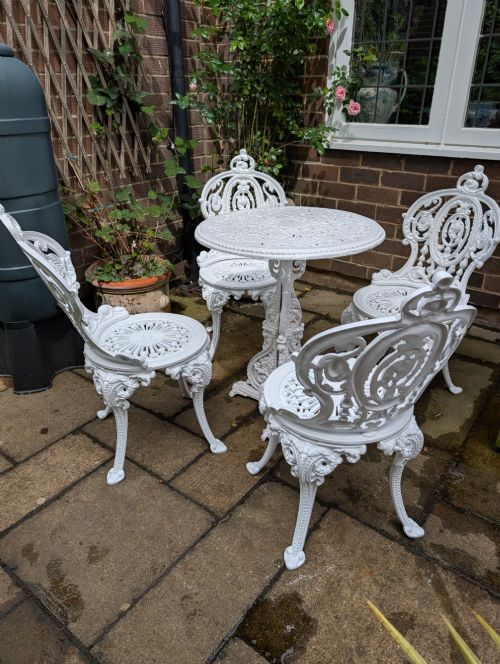
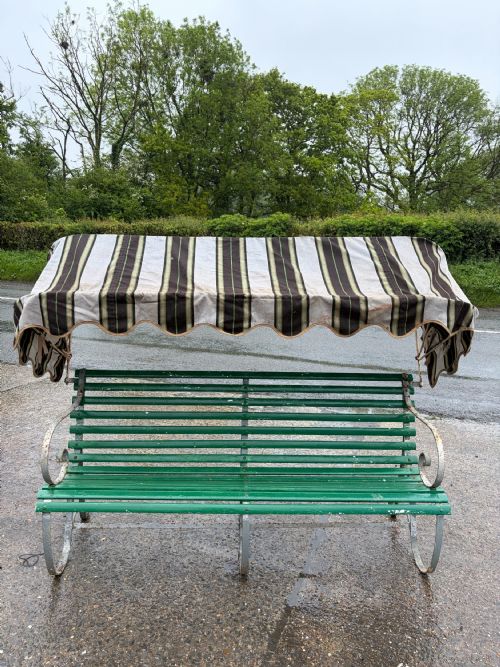
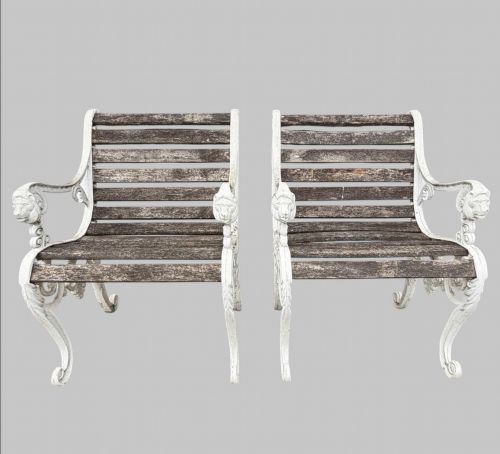
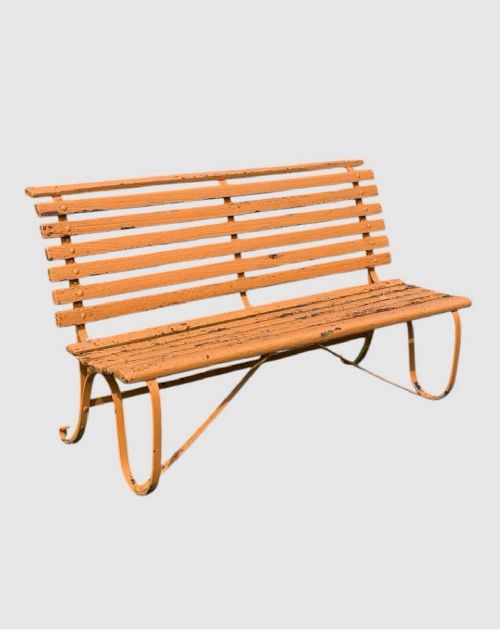
The most common form you will meet on this page is the garden bench, often combining heavy cast iron ends with timber slats for the seat and back. You will also encounter matching sets of garden chairs, complete dining sets, and more elaborate variants featuring canopies or lion masks.
Makers and designers of the period utilised durable metals to create intricate openwork patterns that mimic foliage, branches and geometric strapwork. These utilitarian yet decorative objects transformed domestic gardens and public parks into permanent outdoor rooms.
Materials and construction methods
Foundries produced the heavy structural elements by pouring molten iron into sand moulds, resulting in crisp decorative relief work and substantial weight. This technique allowed artisans to replicate rustic branches, ferns and heraldic motifs with remarkable permanence.
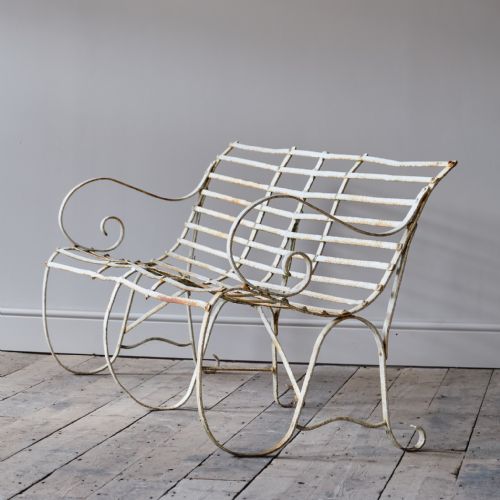
Many traditional benches pair these cast iron frames with timber or wood slats for the sitting surface, secured by bolts through the metal ends. Wrought iron strapwork also appears as an alternative construction method, alongside later examples utilising cast aluminium.
Keep an eye out for fierce cast lion masks guarding the armrests, ready to protect your afternoon tea from intruders.
Assessing quality and craftsmanship
The distinction between standard utility furniture and top-tier examples lies in the crispness of the casting and the ambition of the design. Ornate Victorian pieces with deep relief work, figural elements such as lion masks, or documented foundry designs command greater attention than plain commercial variants.
Structural integrity depends on the original thickness of the metal and the survival of the timber elements. Refurbished or well-preserved surfaces retain their structural weight and historical character without excessive pitting or loss of decorative detail.
Coalbrookdale
The Cast Metal Outdoor Seating Glossary
- Cast iron
- An iron-carbon alloy poured into a mould in a molten state to create rigid, highly detailed structural and decorative components. It provides the heavy foundational weight characteristic of nineteenth-century garden furniture.
- Wrought iron
- Iron that has been heated and hammered into shape by hand rather than cast in a mould. This material is typically utilised for flexible strapwork designs rather than rigid relief casting.
- Settee
- A medium-sized upholstered or slatted seat with arms and a back, designed for multiple occupants. In garden furniture, this term often describes a wide bench of comfortable proportions.
- Strapwork
- An ornamental motif consisting of flattened ribbon-like bands interlaced in geometric or symmetrical patterns. It frequently decorates the backs and supports of nineteenth-century outdoor seating.
Cast Metal Outdoor Seating: Frequently Asked Questions
How do I date an iron garden bench?
Dating relies on stylistic clues, foundry marks, and the combination of materials used in the construction. Victorian examples often display naturalistic plant motifs or registry numbers cast into the metal.
Later twentieth-century pieces tend to feature simplified geometry or utilise alternative metals like cast aluminium. Examining the bolts, timber deterioration, and overall casting crispness also helps establish the era of manufacture.
Can these benches stay outside all year?
These heavy metal and timber pieces were built specifically for permanent outdoor use in gardens and parks. The robust nature of cast iron allows them to endure seasonal weather changes without structural failure.
Protective paint coatings and treated timber slats help prevent rust and wood rot over decades of exposure. Regular maintenance ensures the metal and wood remain stable through winter conditions.
How heavy are cast iron garden seats?
Cast iron garden seats are exceptionally heavy due to the dense nature of the metal frames. A standard two-seater bench often requires two people to lift or reposition safely on a patio.
This substantial weight is an advantage in exposed outdoor spaces, preventing the furniture from tipping or shifting in high winds. It also reflects the uncompromised use of metal in nineteenth-century foundry production.
What is the difference between iron and aluminium?
Cast iron is significantly heavier and denser, developing a traditional oxidised surface patina if the paint layer wears down. It represents the standard material for nineteenth-century garden furniture.
Cast aluminium is much lighter in weight and does not rust in the same manner as iron. It appears more frequently in later twentieth-century manufacturing contexts.