
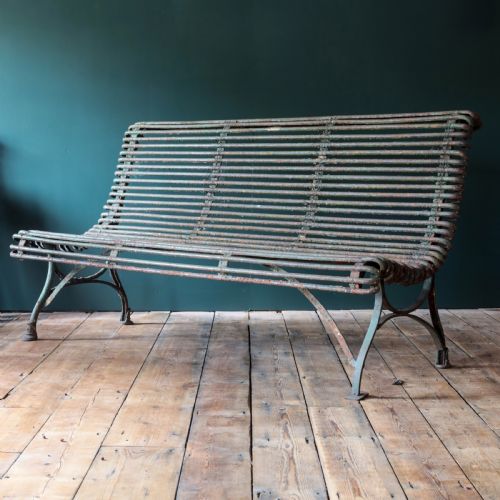
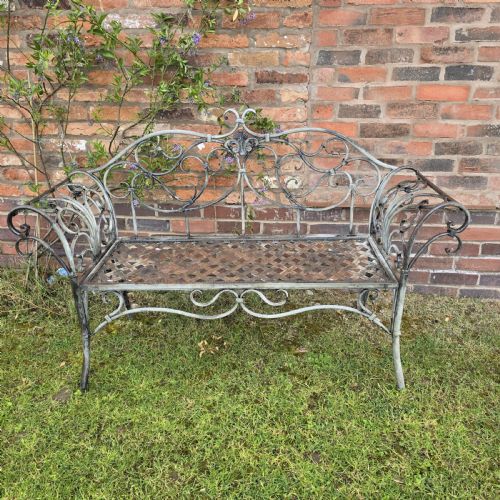


Outdoor Metal Bench
An outdoor metal bench brings enduring structure to a garden, offering a weathered seat that settles naturally among plants and stone.
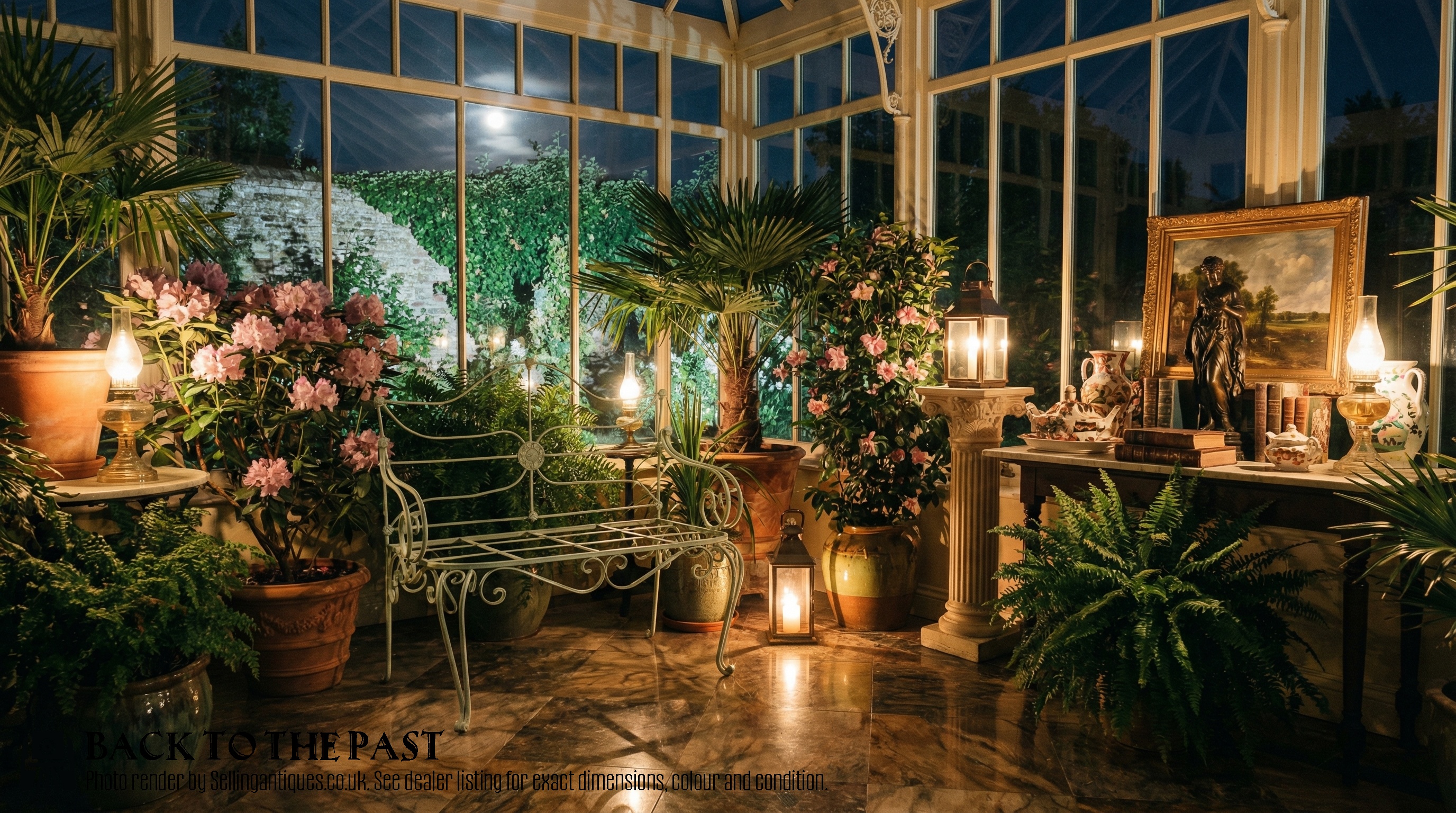
Outdoor Metal Bench
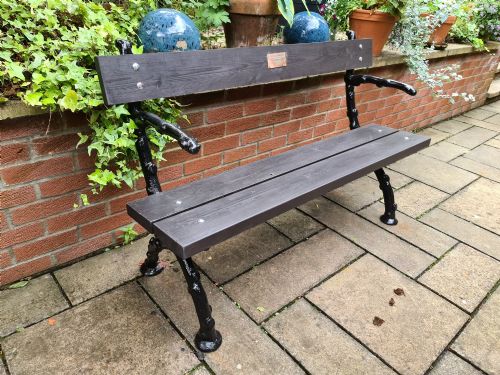
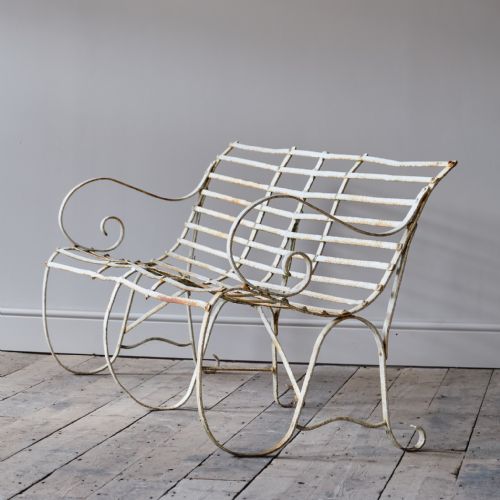
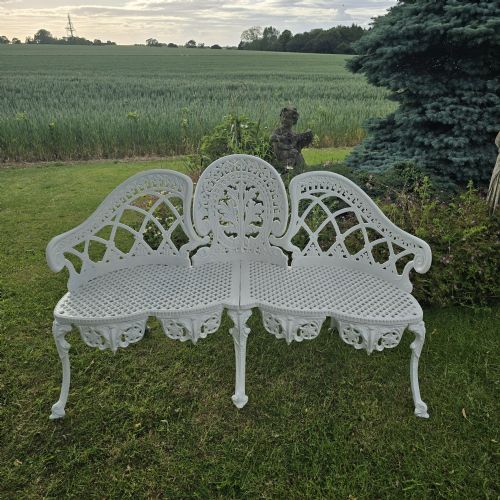
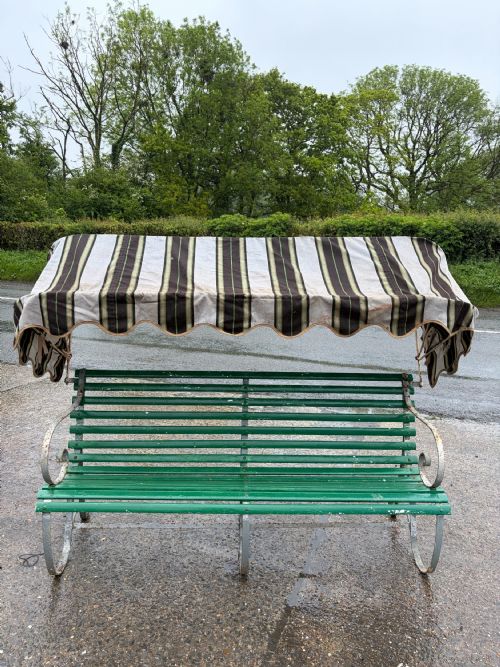
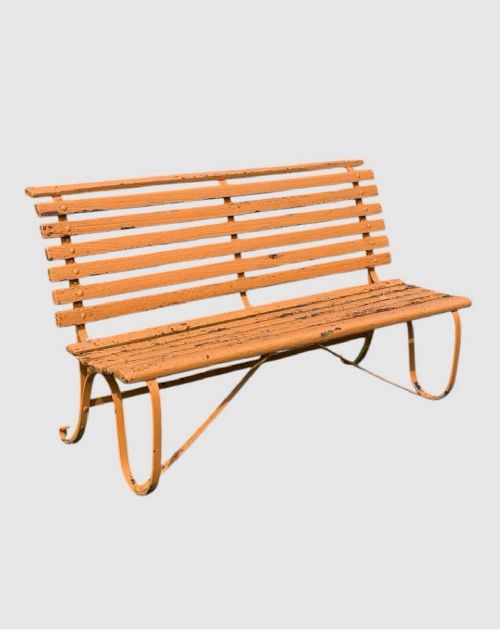
An outdoor metal bench provides a sturdy seat for terraces, lawns and courtyards, drawing on forms from the nineteenth century through the early twentieth century. Buyers seeking an outdoor metal bench encounter various iterations, from simple strapwork designs to ornate Victorian garden seats featuring cast iron ends.
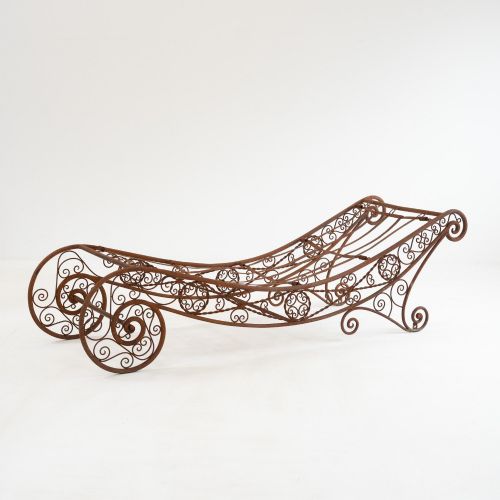
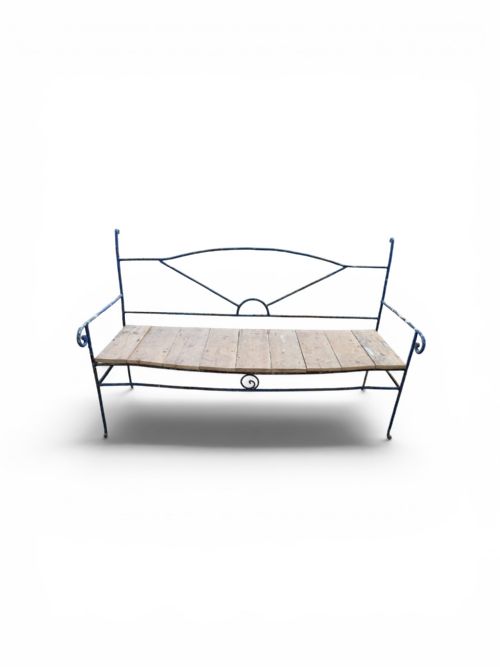
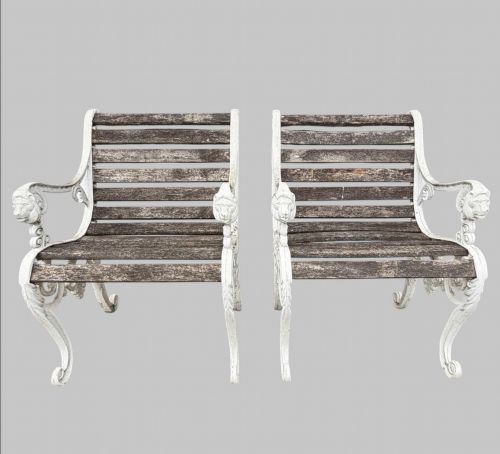
The selection ranges widely across periods, encompassing Regency examples, Victorian rustic pieces and later twentieth-century styles. These seats appear as single benches, paired armchairs or garden daybeds, frequently incorporating timber laths alongside metal frames.
Makers and designers of the period produced robust seating intended to withstand the elements while providing decorative garden focal points. Surviving pieces often display layers of original paint, showing the honest weathering of decades spent outdoors.
What varies in quality
The integrity of the construction distinguishes superior pieces, where heavy iron elements remain rigid and secure without brittle fractures. Benches retaining substantial traces of original paint or possessing well-documented stylistic references command greater interest among collectors.
Some Victorian iron benches roar quietly from the lawn, bearing fierce lion masks upon their armrests to guard the garden.
The Outdoor Metal Bench Glossary
- Cast iron
- Iron poured into a mould to create rigid, highly decorative components. This technique allowed Victorian foundries to produce elaborate garden furniture en masse.
- Wrought iron
- Iron heated and worked by hand into durable structural shapes and scrollwork. It offers flexibility and strength compared to brittle cast alternatives.
- Strapwork
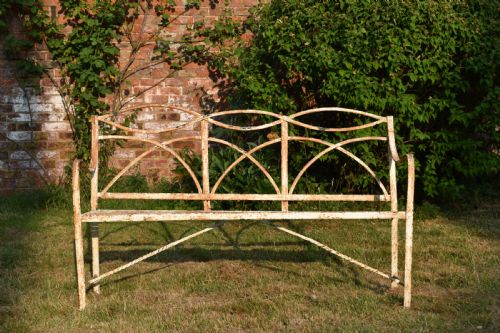
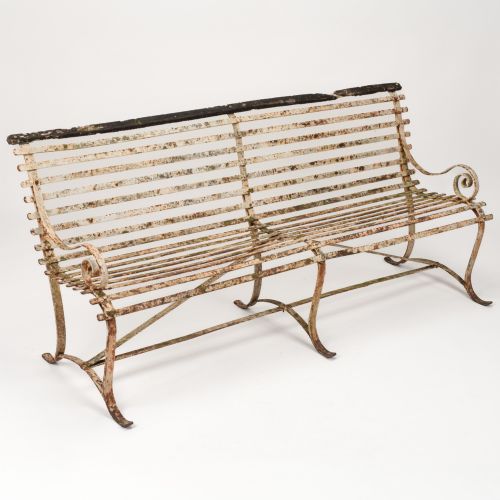
- Flat bands of metal arranged in geometric or interlaced patterns. This style defines many Regency and Victorian garden seats.
- Arras
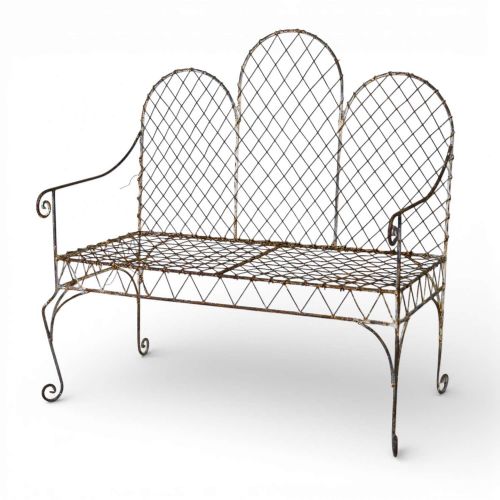
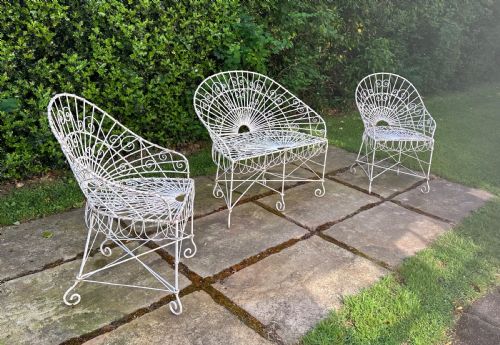
- A specific style of French metal garden furniture historically associated with wirework and distinctive construction. These pieces are sought after for their robust lattice forms.
- Daybed
- An elongated seating form adapted for reclining outdoors. Examples utilise wrought iron frames to create graceful garden loungers.
Outdoor Metal Bench: Frequently Asked Questions
How do I care for an outdoor metal bench?
Protect the metal by monitoring paint layers and applying appropriate coatings when bare iron appears. Store vulnerable timber components under cover during severe winter weather.
Regular gentle cleaning removes debris and prevents moisture retention in decorative crevices. Avoid harsh abrasives that might strip historical patination.
Can these benches stay outside all year?
These pieces were built specifically for garden use and withstand outdoor conditions effectively. Iron and steel naturally weather over time when exposed to rain and sun.
Placing the feet on stone flags rather than directly on damp soil helps prevent excessive bottom rust. Benches with combined timber elements benefit from sheltered positioning during freezing months.
How do I identify a Victorian metal bench?
Victorian pieces frequently display heavy cast iron ends featuring floral motifs, animal masks or rustic branch designs. Look for substantial weight and traditional construction methods typical of nineteenth-century foundries.
Design influences often include Gothic revival patterns or ornate scrollwork popular during the reign. Proportions tend to be generous to accommodate comfortable seating.
What is strapwork on a garden bench?
Strapwork consists of flat metal bars bent and riveted into rhythmic, linear patterns across the backrest or seat. This technique creates a lighter visual appearance than solid cast iron.
Common in Regency designs, strapwork offers both structural support and refined geometric decoration. The joints are typically hand-riveted by skilled metalworkers.