


Victorian Style Garden Bench
A victorian style garden bench brings character to an outdoor space, offering sturdy ironwork and classic forms that suit both lawns and sheltered patios.
Victorian Style Garden Bench
A victorian style garden bench encompasses heavy metal seating designed for outdoor use, drawing on nineteenth-century shapes and ornamental motifs. Buyers looking for a victorian style garden bench will find sturdy seating solutions spanning several historical periods and interpretations.
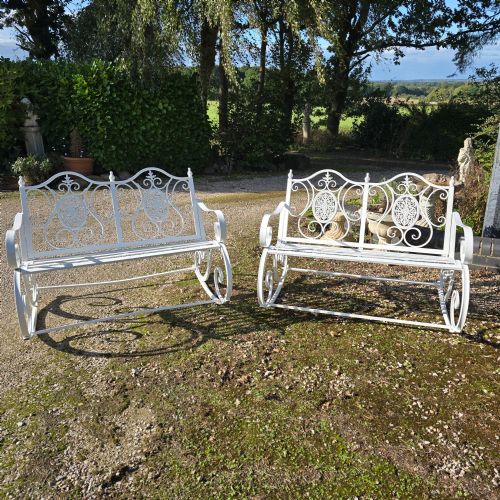
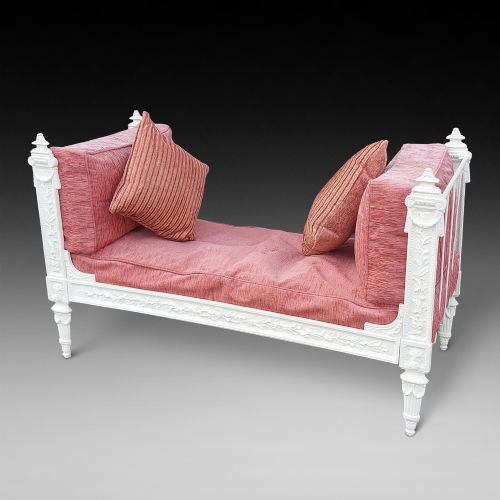
The selections available here range from traditional cast iron forms to intricate wirework arbours and daybeds. Most examples showcase the robust metal construction typical of the nineteenth century, alongside later revivals and rustic interpretations.
Makers utilised durable materials intended to withstand the elements while providing decorative garden furniture. These items appear in various configurations, sometimes accompanied by matching chairs or structured as daybeds and garden seats.
How they were made
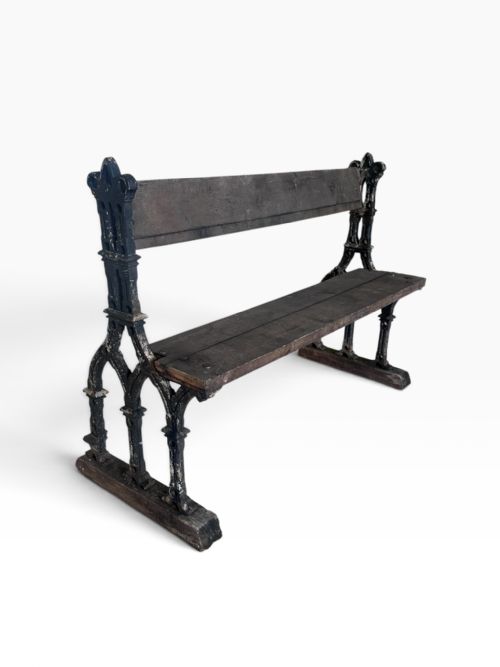
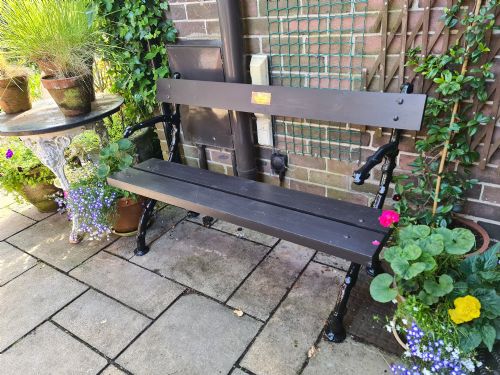
Construction relies heavily on cast iron and wrought iron, melted and poured into moulds or hammered into shape to create load-bearing frames and decorative panels. Metal elements often receive protective coats of paint to prevent rust and enhance exterior durability.
Wood and wirework also feature in certain designs, particularly in rustic or lighter garden structures. Artisans combined these materials with cast metal components to achieve the varied silhouettes seen across nineteenth-century and early twentieth-century examples.
Listings feature items spanning the nineteenth century, Regency period, and early twentieth century up to nineteen-thirty.
What varies in quality
Quality in these pieces rests upon the crispness of the casting and the integrity of the structural metalwork. Finer examples display sharp detailing in decorative motifs and substantial weight in the iron components.
The longevity of a piece depends on how well the materials have survived exposure to weather over the decades. Superior items retain their original structural firmness, while lesser versions show significant wear or heavy restoration.
The Victorian Style Garden Bench Glossary
- Cast Iron
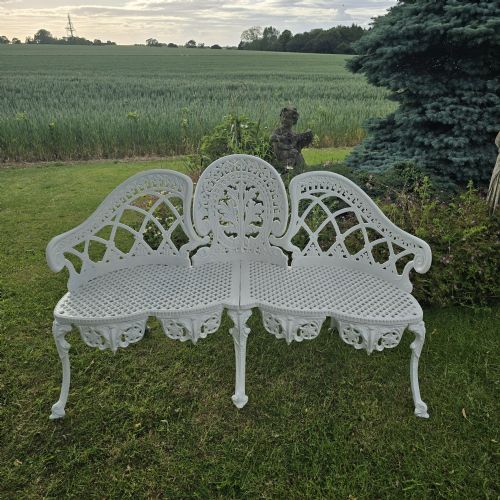
- An iron-carbon alloy poured into a mould to create complex decorative shapes. It provides the heavy, rigid frames common in nineteenth-century garden seating.
- Faux Bois
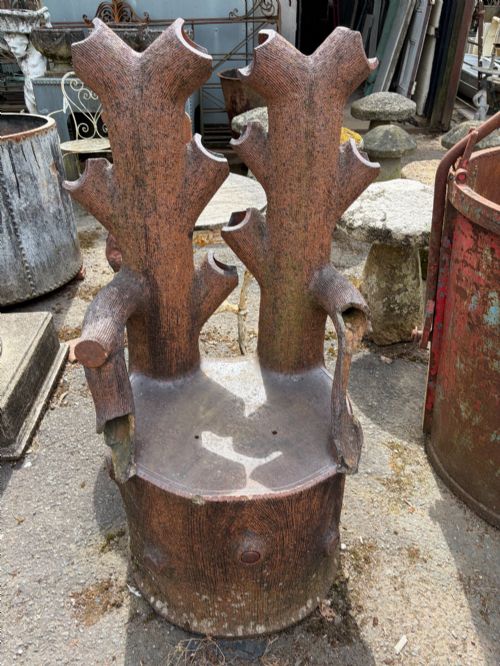
- A decorative technique mimicking the appearance of natural wood grain. This style appears on specific nineteenth-century garden seats.
- Regency
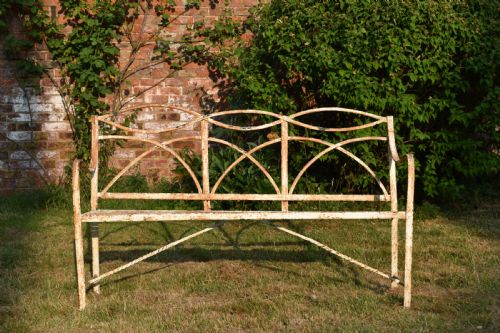
- An architectural and design style spanning the early nineteenth century, known for classical restraint and elegant strapwork. Pieces from this period exhibit distinct linear metal patterns.
- Wirework
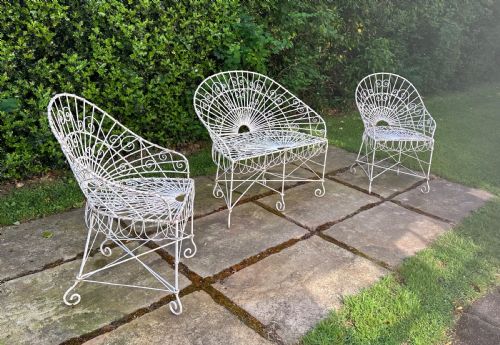
- Metal strands bent and welded into open, airy structures. This technique creates lighter garden arbours and seating.
Victorian Style Garden Bench: Frequently Asked Questions
How do I maintain an iron garden bench?
Cast iron garden benches require regular inspection for moisture and rust formation on the metal surface. Applying a suitable exterior paint helps protect the material from weathering outdoors.
During harsher winter months, storing the bench under cover or in a shed reduces exposure to frost and moisture. Simple cleaning with mild soap removes dirt without harming the protective finish.
Are these benches comfortable to sit on?
Metal garden seating from the nineteenth century was primarily built for durability and decorative appeal rather than deep cushioning. Adding fitted cushions or pads makes prolonged sitting much more comfortable.
Many period designs feature contoured slats or supportive backs that align reasonably well with the body. Pairing the bench with matching chairs can also create a more versatile and comfortable seating arrangement.
Can I leave my bench outside all year?
Most cast iron and metal garden seats are designed to withstand outdoor conditions throughout the seasons. The robust nature of the metal ensures it handles rain and temperature changes adequately.
However, extreme frost and prolonged standing water can accelerate wear on painted surfaces and any wooden elements. Providing a sheltered spot during the depths of winter prolongs the life of the piece.
How do I identify a nineteenth-century bench?
Identifying nineteenth-century garden seating involves examining the casting techniques, weight, and decorative motifs used in the frame. Heavier iron components and distinct period styles like Gothic revival offer strong clues.
Comparing the specific strapwork, faux bois details, or wirework patterns against documented examples helps confirm the era. Construction methods often reveal the age of the metalwork.