


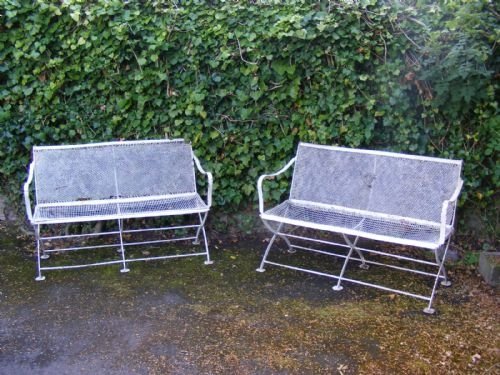
Antique Style Garden Bench
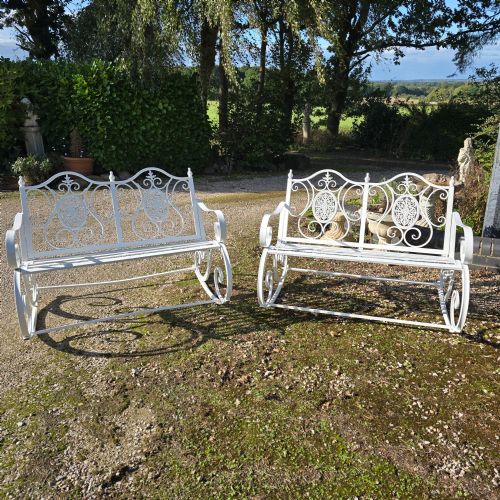
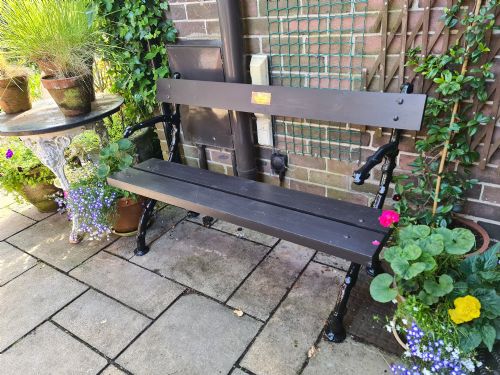
An antique style garden bench brings solid metal and weathered timber together to anchor a lawn or terrace.
Antique Style Garden Bench
An antique style garden bench provides a sturdy seat for outdoor spaces, taking forms that span from nineteenth century Gothic designs to simpler twentieth century constructions. When searching for an antique style garden bench, buyers encounter pieces intended for lawns, terraces, and sheltered garden arbours.
The selections available here range from traditional cast iron frames and faux bois seats to painted wood and wirework structures. Pieces from the Victorian and Regency periods sit alongside later twentieth century iterations, offering varied seating for gardens.
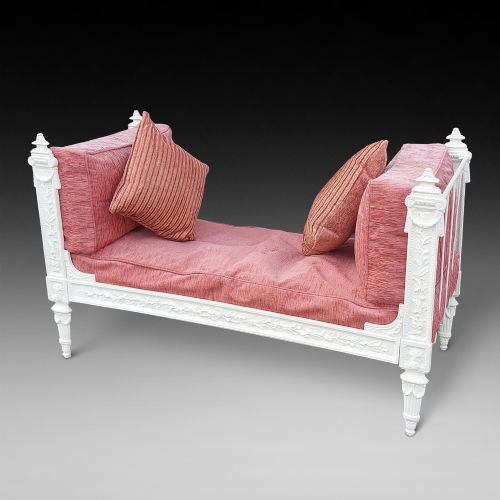
Most examples function as standalone garden seats, whilst others form part of larger garden sets that include matching chairs or daybeds. Buyers often find that these outdoor seats combine robust metalwork with slatted wooden slats or patterned strapwork.
Materials and construction methods
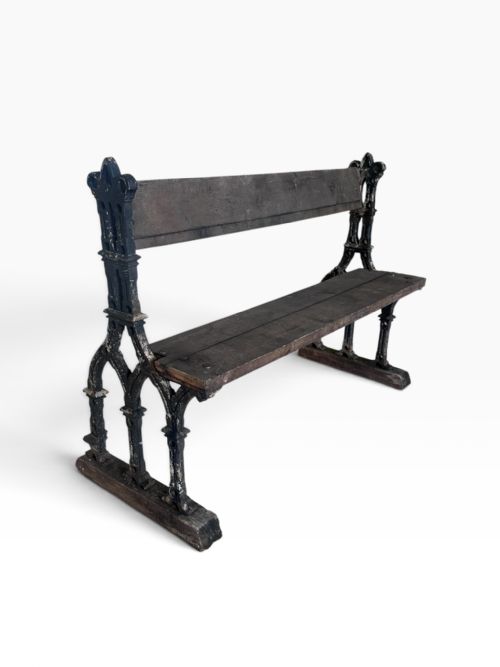
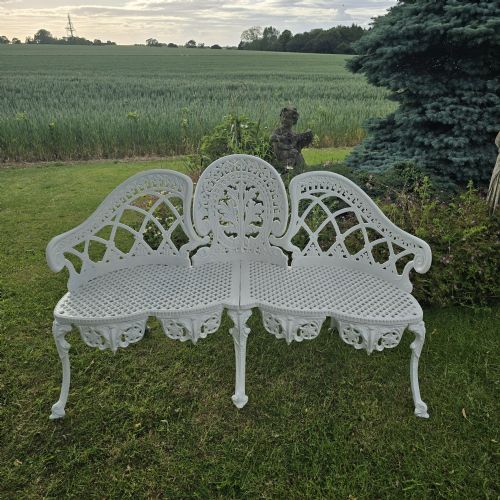
Maker construction relies heavily on cast iron and wrought metal, shaped into intricate strapwork, Gothic arches, and sturdy support frames. Foundries poured molten metal into detailed moulds to create decorative ends and backs for garden seating.
The listings span from the early 1800s through the Victorian era and into the 1930s, using cast iron, wrought iron, wire, and teak.
Assessing quality and craftsmanship
Quality in these garden seats reveals itself in the crispness of the casting and the weight of the metal components. Finer examples display cleanly rendered strapwork and well-defined decorative motifs rather than softened edges from worn moulds.
The integrity of the construction, whether joining heavy iron frames or securing wooden slats, dictates the longevity of the piece. Superior pieces maintain balanced proportions and secure joints that support daily outdoor use without sagging or twisting.
The Antique Style Garden Bench Glossary
- Cast Iron
- Molten iron poured into a mould to create rigid, decorative components. This heavy material forms the sturdy frames and ornate backs of many nineteenth century garden seats.
- Strapwork
- A decorative pattern of flat, intersecting bands resembling leather straps. Regency and Victorian metal benches frequently utilise this motif across the backrests.
- Faux Bois
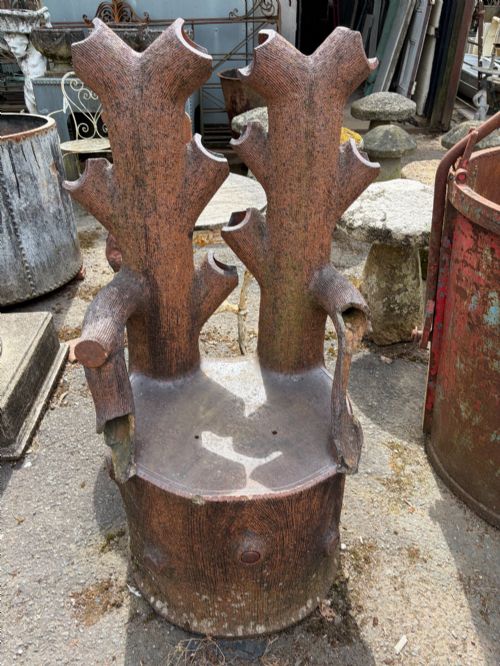
- An artistic imitation of wood grain applied to hard materials like concrete or metal. Victorian makers used this technique to give sturdy seats the rustic appearance of natural branches.
- Garden Arbour
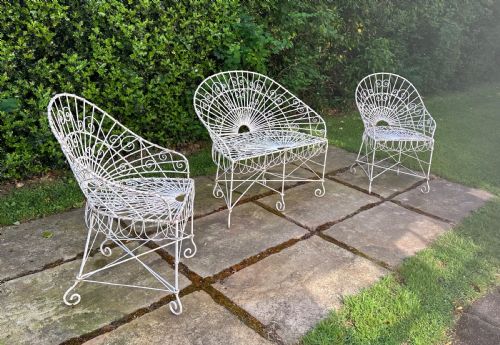
- An arched garden structure designed to support climbing plants and provide a shaded seat. These wirework or metal constructions create intimate garden alcoves.
Antique Style Garden Bench: Frequently Asked Questions
How do I identify a Victorian iron garden bench?
Victorian iron garden benches typically feature heavy cast frames adorned with Gothic motifs, plant forms, or geometric strapwork. They rely on durable metal castings designed to withstand outdoor elements.
Inspect the weight and the depth of the casting detail on the arms and backrest. Earlier nineteenth century examples show sharper definition in the moulded patterns compared to later revivals.
What is faux bois garden furniture?
Faux bois is a decorative style that mimics natural timber using materials like concrete, plaster, or metal. Makers shaped these substances to resemble gnarled branches and tree trunks.
In garden seating, this technique created durable rustic benches that resembled weathered wood while offering the structural strength of metal or stone cores.
Are wirework garden arbours antique?
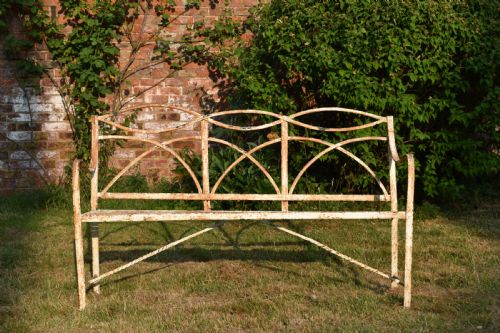
Wirework garden arbours and seats date from the late nineteenth and early twentieth centuries. Makers bent and welded iron wire into open, decorative frameworks intended to support climbing roses and ivy.
These structures provide airy, light silhouettes for lawns and pathways, contrasting with the heavy solidity of cast iron benches.
How should I care for an iron garden seat?
Iron garden seats require regular inspection for surface oxidation and paint wear. Maintaining a protective coating prevents rust from compromising the structural integrity of the metal.
During winter months, storing the bench under cover or in a dry shed protects the wood and metal from prolonged dampness and frost damage.