

Vintage Wrought Iron Seat
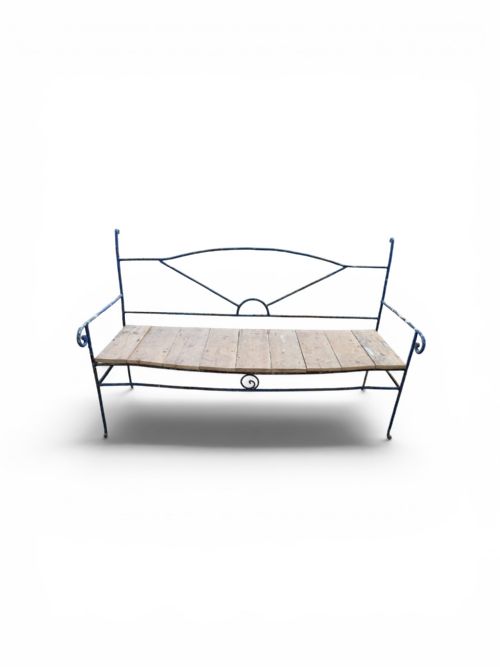
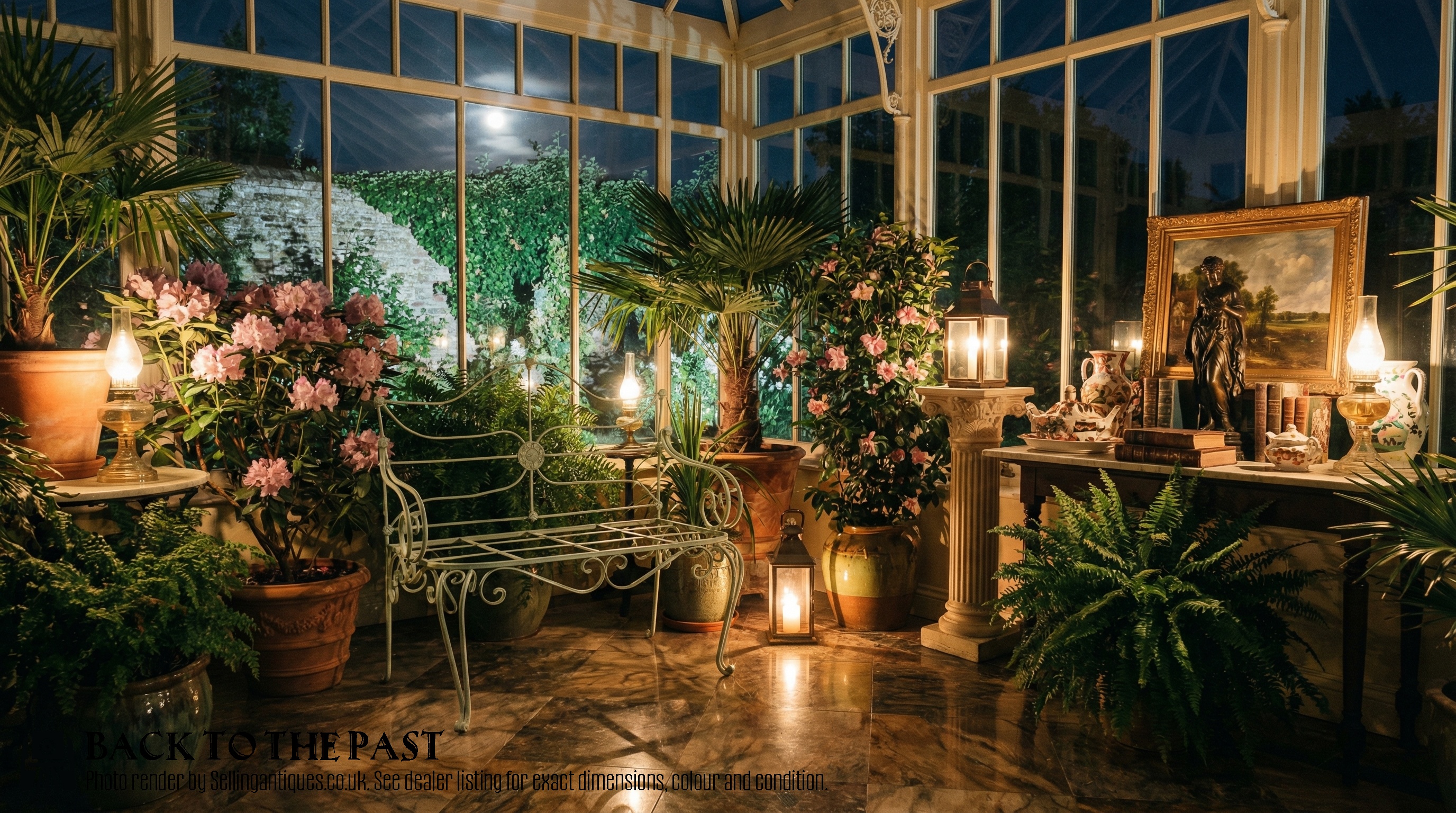
A vintage wrought iron seat brings enduring metalwork structure to a lawn or conservatory, offering a sturdy perch built to weather the seasons.
Vintage Wrought Iron Seat
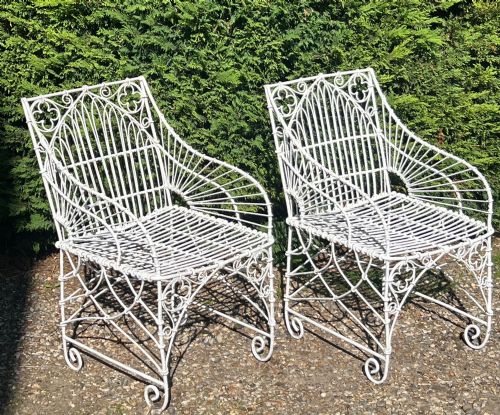
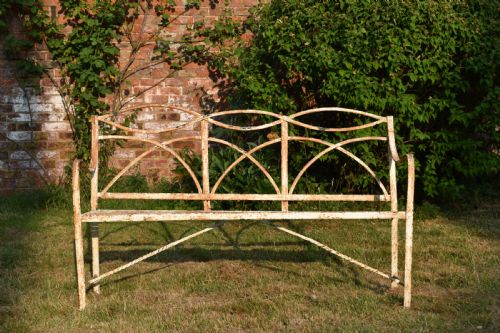
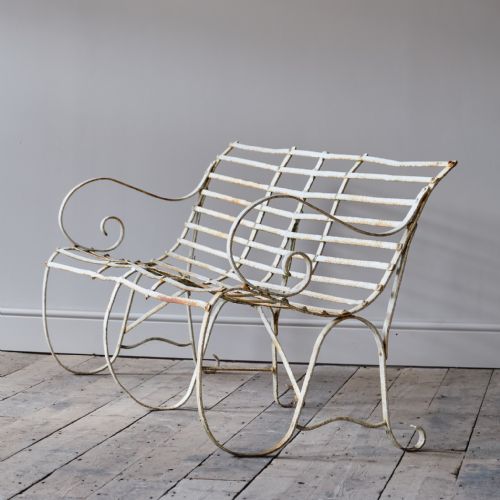
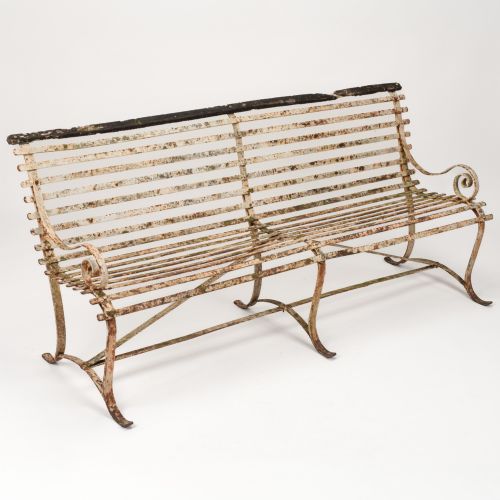
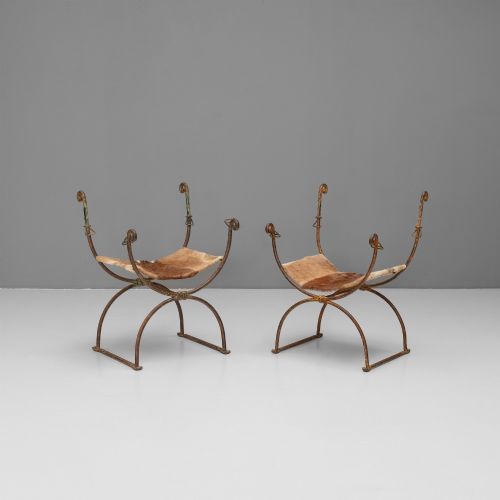
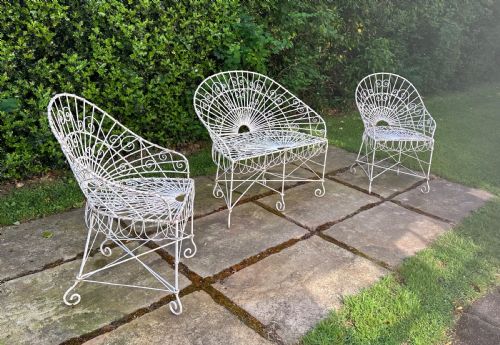
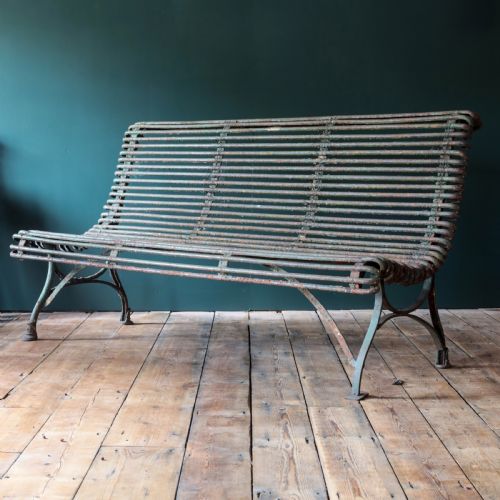
A vintage wrought iron seat encompasses sturdy garden benches, chairs, and club fenders forged or fabricated from iron and steel across various historical periods. The examples found here range from Regency strapwork benches and Victorian garden seats to 20th-century folding chairs and club fenders.
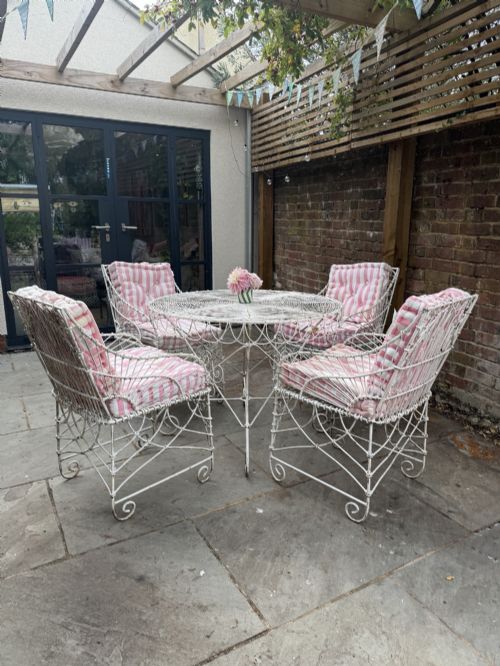
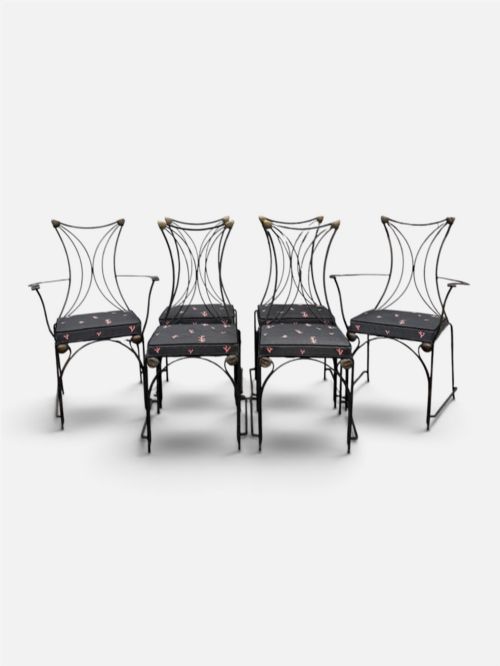
Buyers most frequently meet nineteenth-century strapwork designs, Victorian garden benches, and twentieth-century French metal seating on this page. These forms often appear alongside matching dining sets, arbours, and occasional tables.
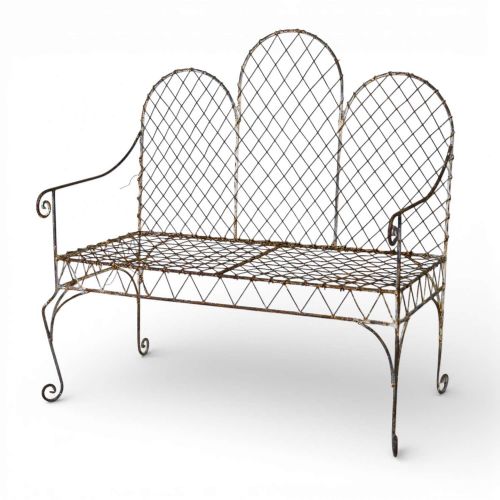
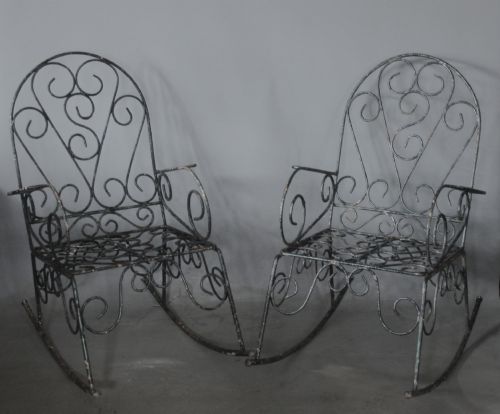
The selection reflects both domestic garden use and interior fireside placement, notably through steel and leather club fenders. Pieces span diverse stylistic influences, including Gothic Revival, French Country, and wirework.
How they were made
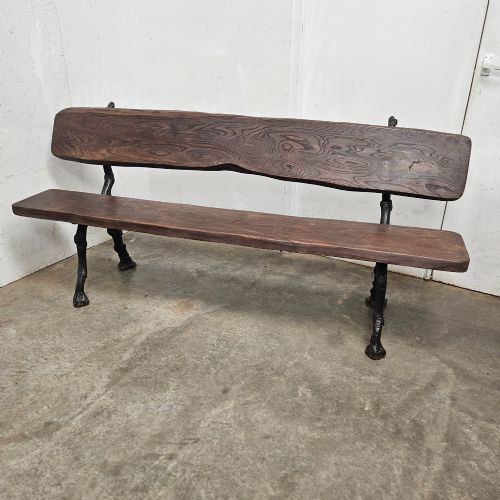
Makers shaped structural components from wrought iron, steel, and cast iron, often combining metal frames with timber, elm, oak, leather, or fabric elements. Surface finishes rely heavily on layers of original paint or exposed patinated metal.
Techniques range from manual strapwork forging and scroll bending to intricate wirework fabrication. Additional decorative touches sometimes incorporate brass detailing, upholstery, and faux bois woodwork.
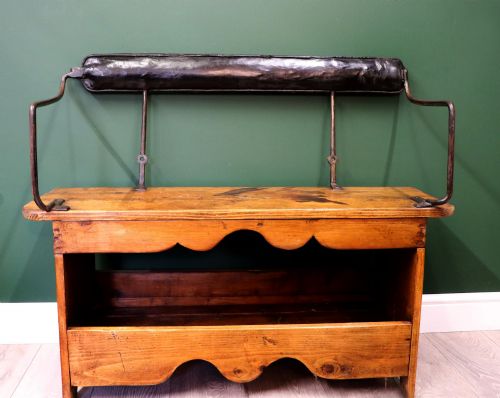
One exceptional Edwardian great hall seat arrives with a novel twist, proving that even stern ironwork occasionally enjoys a sense of humour.
What varies in quality
Quality rests in the finesse of the metalwork, distinguishing simple utilitarian frames from pieces featuring elaborate strapwork, scroll motifs, or shell detailing. The integrity of the original construction and the survival of layered historic paint surfaces dictate the distinction between ordinary and exceptional examples.
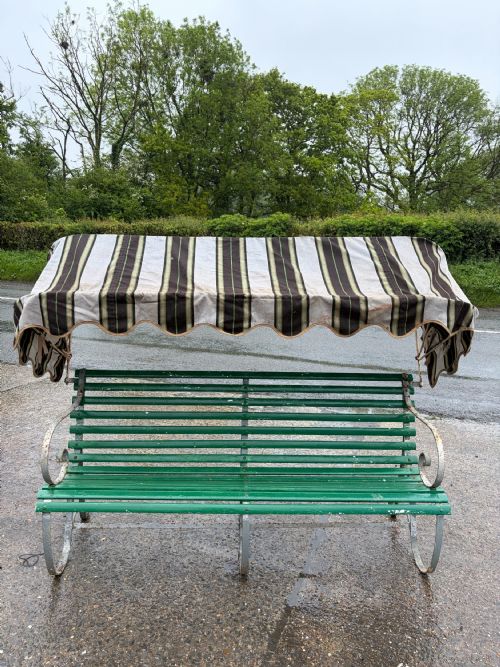
The presence of named stylistic markers, such as Regency strapwork or French Gothic influences, elevates certain pieces above standard production. Furthermore, the coherence of matched sets and the survival of integrated components like canopies or brass fittings separate standard items from superior survivals.
The Vintage Wrought Iron Seat Glossary
- Strapwork
- Flat metal strips interwoven or riveted to form decorative geometric patterns on seat backs and frames. This technique provides both structural rigidity and visual lightness.
- Club fender
- A low fireside seat featuring a metal frame and upholstered top cushions, often wrapped in leather. They originated to provide comfortable seating around a hearth.
- Faux bois
- An artistic imitation of wood grain applied to other materials such as concrete or metal. In garden furniture, iron components are sometimes worked to resemble natural timber.
- Wirework
- Metal rods and wire bent and soldered into intricate lattice structures for garden seats and arbours. It creates lightweight, porous frames suited for outdoor placement.
- Arras
- A distinct style of French metal garden furniture associated with a specific manufacturing tradition. These pieces often feature sturdy iron frames and marked maker plaques.
Vintage Wrought Iron Seat: Frequently Asked Questions
How do I date a wrought iron garden bench?
Dating relies on stylistic clues such as Regency strapwork, Victorian cast iron integration, or twentieth-century French mid-century modern forms. Construction methods and the presence of layered original paint also offer chronological context.
Examining the specific form and assembly techniques helps narrow down whether a piece originates from the nineteenth century or later decades.
Can these metal seats stay outside year-round?
Many wrought iron and steel garden seats tolerate outdoor conditions, particularly when protected by durable historic paint layers. However, elements like leather upholstery or timber components require shelter from moisture.
Assessing the current condition of the protective surface helps determine whether a piece is best kept on the open lawn or sheltered in a conservatory.
What is a club fender used for?
A club fender serves as a cushioned seat placed around the perimeter of a fireplace hearth. It offers a low vantage point close to the fire while keeping people at a safe distance from the flames.
These pieces typically combine iron or steel frames with upholstered leather or fabric seating surfaces designed for interior reception rooms.
How do I care for original paint on iron furniture?
Preserving original paint involves gentle cleaning without harsh abrasives that might strip historic layers. Keeping the metal dry prevents further oxidation beneath the surface.
Consulting specialists in painted metal conservation ensures the patinated finish survives intact for years to come.