



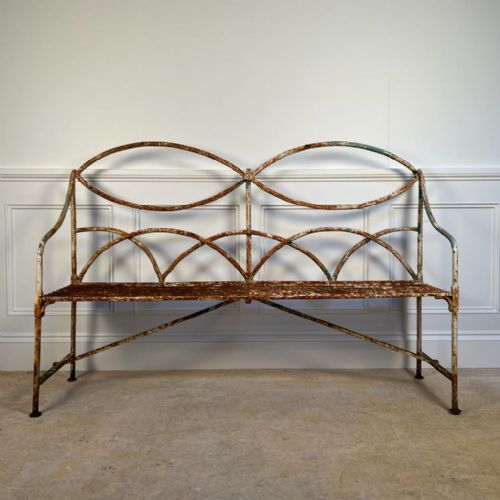


Weathered Metal Garden Bench
A weathered metal garden bench brings enduring character to an outdoor space, offering solid seating shaped by decades of exposure.
Weathered Metal Garden Bench
A weathered metal garden bench combines iron or steel frameworks with slatted wooden seats to create practical outdoor resting places. Buyers searching for a weathered metal garden bench encounter pieces spanning the Regency, Victorian, and mid-twentieth-century eras, originating from British and French workshops.
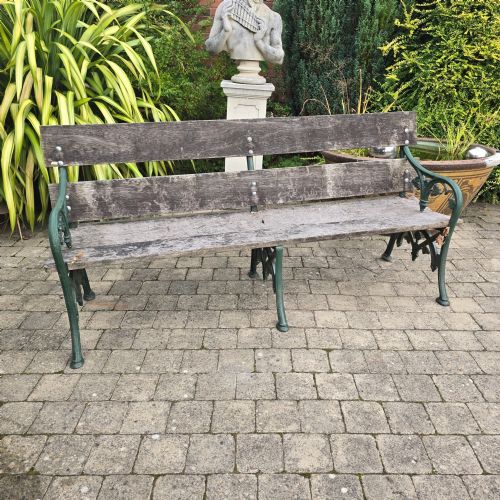
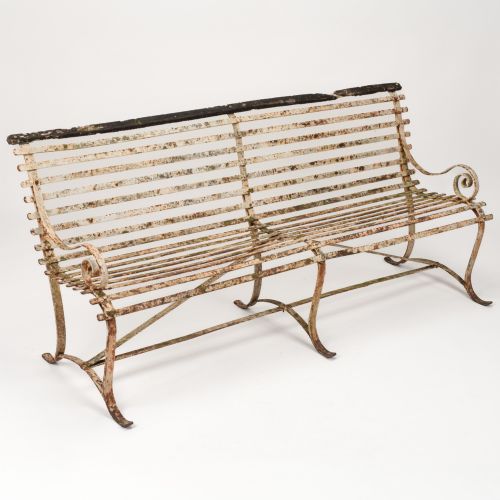
The most common examples on this page are Victorian cast iron and wrought iron garden seats, often featuring intricate strapwork, scroll motifs, or ornate side supports. Forms range from single garden benches and settees to matched pairs designed for lawns, conservatories, and patios.
How they were made
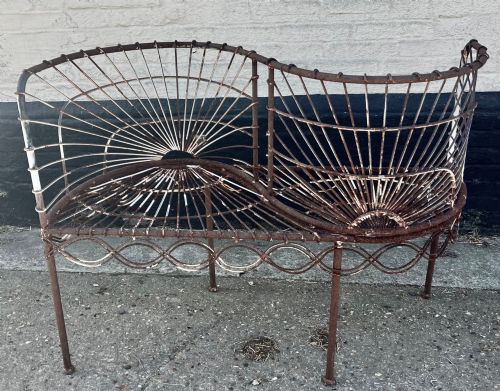
Makers utilised heavy cast iron for robust structural ends and decorative frames, pouring molten metal into sand moulds to achieve elaborate Victorian patterns. Wrought iron was shaped by hand into fluid strapwork and scroll designs, providing resilient support for outdoor use.
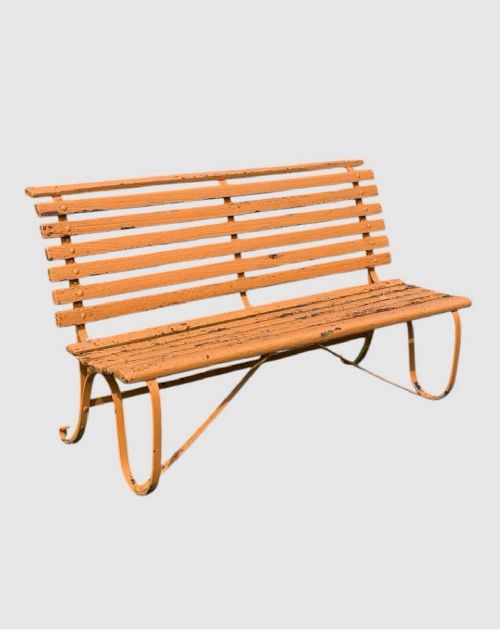
Many examples combine metal frames with timber laths or wooden slats, secured with bolts to form the seating surface. Layers of accumulated paint, developed through successive refinishing over generations, frequently protect the metal beneath.
Weathered Metal Garden Bench Retail Price Guide 2026
Typical asking prices for weathered metal garden bench among the pieces listed under this phrase on Sellingantiques today, from the lower quarter to the upper quarter. They describe what is for sale here now, not the wider market.
Listings feature items spanning the Regency period through to 1940, incorporating cast iron, wrought iron, timber, and retained layers of early paint.
What varies in quality
The refinement of the casting and forging work separates standard production from exceptional pieces, visible in the crispness of scrollwork and the elegance of strapwork proportions. Original components, such as matching timber slats and untouched layers of historic paint, preserve the integrity of the piece.
Substantial weight and gauge of iron indicate superior construction, ensuring the frame remains rigid and stable after extensive outdoor exposure.
The Weathered Metal Garden Bench Glossary
- Cast iron
- Iron poured into a mould in a molten state to create rigid, highly decorated structural components. This technique allows for intricate Victorian scrollwork and detailed bench ends.
- Wrought iron
- Iron heated and hammered into shape by hand, resulting in tough, fibrous metal well-suited for slender strapwork and scrolls. It offers resilience and flexibility compared to cast iron.
- Strapwork
- Flat bands of metal arranged in geometric or interlaced patterns, commonly seen on the backs and seats of Regency and Victorian garden benches. It provides both structural support and decorative lightness.
- Arras bench
- A specific style of French garden seating associated with the foundry town of Arras, known for distinctive wirework or strapwork construction. These pieces often feature manufacturer plaques or characteristic leg designs.
Weathered Metal Garden Bench: Frequently Asked Questions
How do I protect my garden bench outside?
Position the seat on a firm, level surface away from standing water to prevent moisture absorption through the feet.
Maintain existing paint layers with appropriate outdoor sealants where necessary, and store under cover during severe winter weather.
Can these benches stay outdoors all year?
Cast and wrought iron frames withstand outdoor conditions well, though prolonged dampness can accelerate surface changes on exposed timber.
Applying protective oils to wooden slats helps preserve the material against rain and sun.
How do I date a metal garden bench?
Examine the construction methods, bolt types, and decorative styles to determine the likely era of manufacture. Regency and early Victorian pieces often display hand-forged strapwork, whereas later nineteenth-century examples utilise heavier mass-produced cast iron.
Are painted finishes original?
Multiple accumulated layers of paint frequently indicate decades of historical maintenance and weathering. Preserving these historic surfaces maintains the character and visual depth of the metal.