


Metal Park Bench
A metal park bench brings permanent structure to a garden through enduring iron and timber construction.
Metal Park Bench
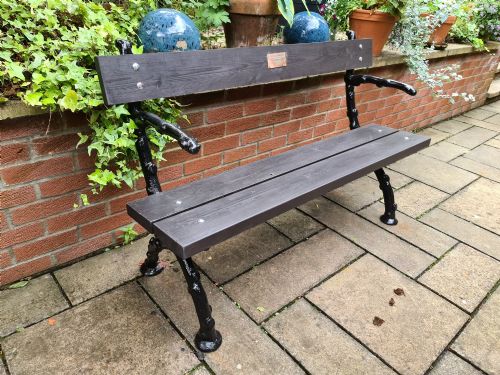
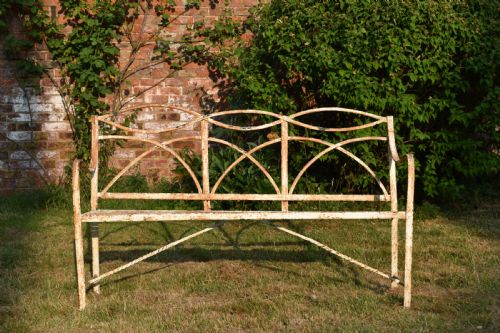
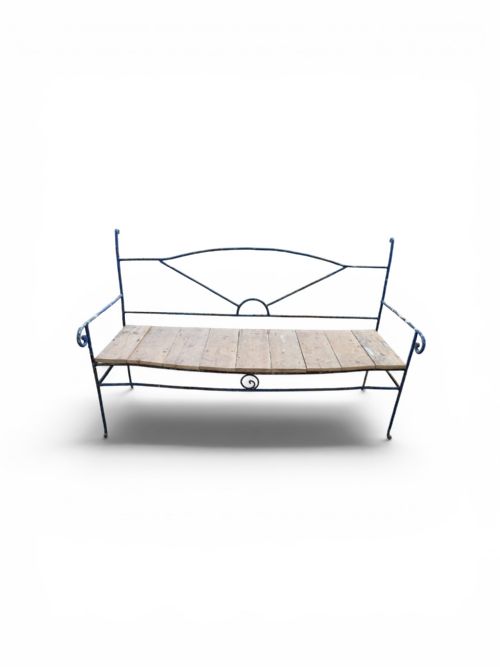
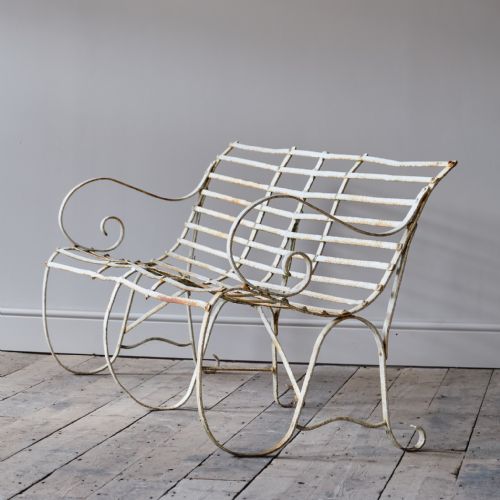
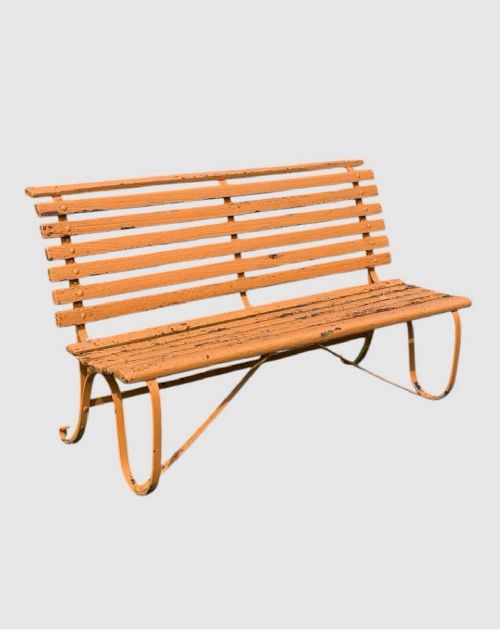
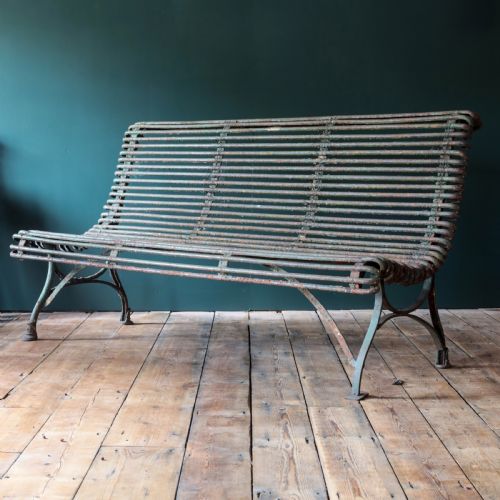
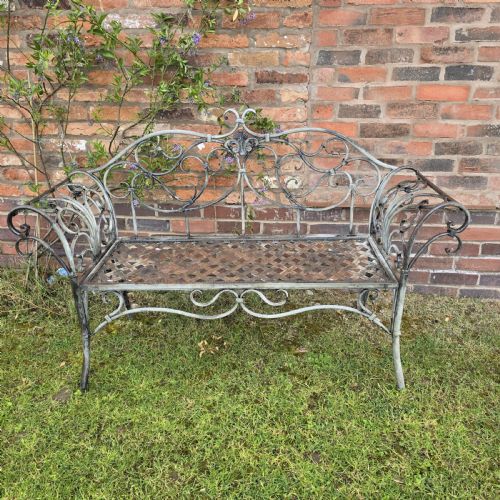
A metal park bench combines structural metal framing with slatted seating, designed to withstand outdoor conditions across generations. Buyers searching for a metal park bench encounter forms ranging from heavy nineteenth-century Victorian castings to lighter twentieth-century interpretations.
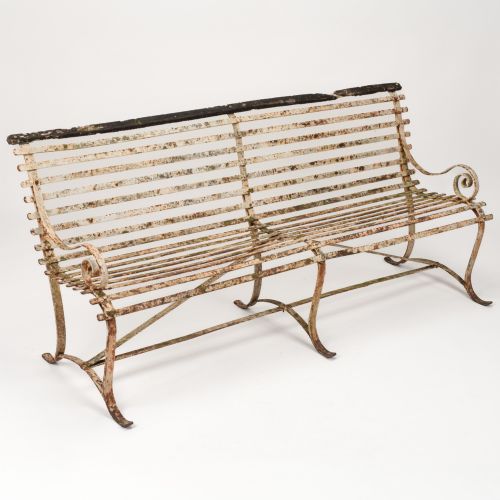
The selections span distinct historical periods including Regency, Victorian, Edwardian, and the interwar years of the 1920s and 1930s. Most examples employ robust cast iron or wrought iron frameworks, frequently paired with timber slats for the seat and backrest.
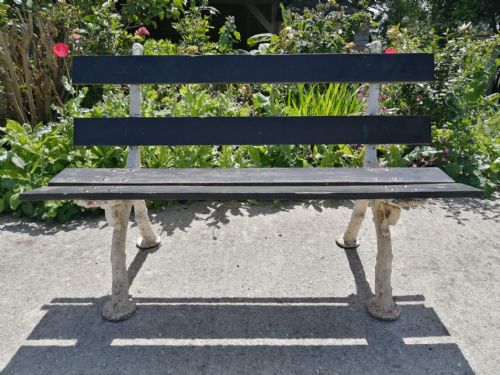
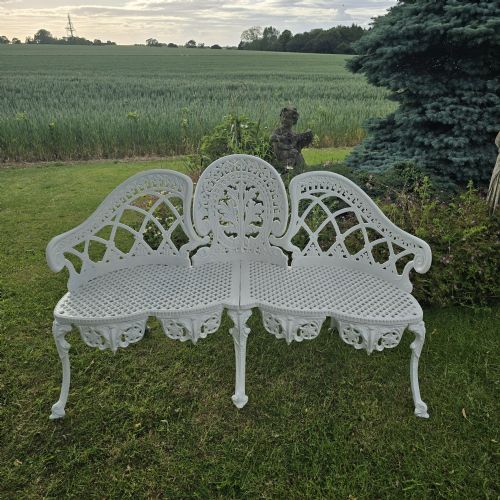
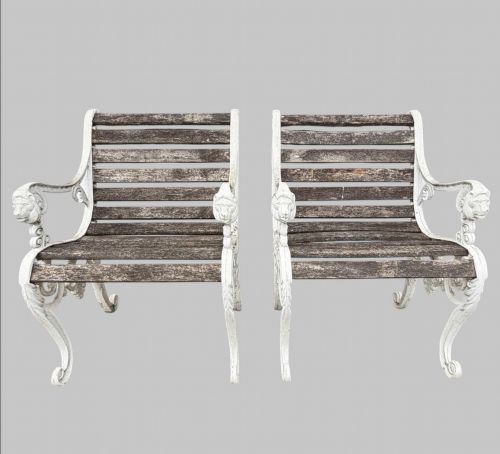
Designs vary from austere strapwork patterns to elaborate naturalistic motifs like faux bois and lion masks. Arras pieces and Coalbrookdale designs appear regularly among the offerings, representing the prominent foundry traditions of their respective eras.
Materials and construction methods
Foundries utilised cast iron and wrought iron for the structural components, shaping molten metal into rigid frames and ornate decorative ends. Cast metal allowed for intricate relief work, such as branches mimicking wood or classical strapwork patterns.
Timber slats were secured across the iron supports using bolts or rivets to create a comfortable seating surface. Layers of protective paint were applied historically to guard the metal against rust and weathering in open gardens.
Listings feature cast iron and wrought iron components paired with timber slats across nineteenth-century and early twentieth-century periods.
Distinctions in craftsmanship and survival
Quality rests in the crispness of the iron casting and the integrity of the forged structural joints. Finer nineteenth-century examples display sharp definition in decorative elements like lion masks and intricate strapwork.
The survival of original surfaces and paint layers distinguishes exceptional pieces from heavily restored ones. Structural completeness, including matching timber or authentic replacement slats, dictates the overall integrity of the bench.
Coalbrookdale
The Metal Park Bench Glossary
- Cast iron
- Iron poured into a mould to create rigid, highly decorative components. This technique enabled the production of complex garden furniture with relief ornament.
- Wrought iron
- Iron heated and hammered into shape by hand or machine. It offers high tensile strength and flexibility for linear patterns like strapwork.
- Strapwork
- Ornamentation resembling flat strips of metal interwoven or arranged in geometric straps. It is a defining feature of Regency and later iron garden seats.
- Faux bois
- A decorative technique imitating wood grain and natural branches. Victorian makers used this style extensively in cast iron garden benches to mimic rustic timber.
- Arras
- Distinctive French metal garden furniture produced with folded sheet iron and wirework. Pieces from this tradition are known for specific riveted construction details and durability.
Metal Park Bench: Frequently Asked Questions
How do I date a metal park bench?
Dating relies upon stylistic markers such as Regency strapwork, Victorian faux bois, or later twentieth-century industrial forms. Construction methods also provide clues, as nineteenth-century pieces often feature specific foundry marks and heavier cast iron components.
Examining the assembly techniques, from early hand-forged wrought iron to later standardised casting, helps establish the era of manufacture. Comparing the decorative motifs against documented foundry catalogues further refines the period.
Are these benches suitable for outdoor use?
These benches were engineered specifically for exterior environments and thrive in gardens, parks, and patios. The combination of iron framing and durable timber withstands the elements effectively.
Routine maintenance involving protective coatings ensures the metal and wood remain sound through changing weather. Position them on stable, level ground to prevent strain on the historical joints.
What is the difference between cast iron and wrought iron?
Cast iron is poured into moulds, resulting in rigid, heavy components with detailed decorative relief. Wrought iron is worked manually while hot, producing resilient, fibrous metal ideal for structural scrollwork and straps.
Recognising these materials helps identify the manufacturing period and the specific stylistic traditions of the piece. Cast iron permits ornate patterns, whereas wrought iron provides linear strength.
How do I care for original paint on a bench?
Preserving historical paint layers involves gentle cleaning with mild solutions rather than aggressive stripping or sanding. Maintaining the existing surface protects the underlying metal from active corrosion.
Consulting a specialist before undertaking any remedial treatment ensures the original patina remains intact. Regular inspections help catch moisture ingress early without altering the historic finish.