






Weathered Iron Bench
A weathered iron bench brings lasting character to a garden, offering a sturdy outdoor seat shaped by the elements over decades.
Weathered Iron Bench
A weathered iron bench combines metal frames with outdoor settings, appearing across Victorian, Regency, and mid-century periods. These garden seats range from simple strapwork to ornate Gothic patterns, designed specifically for patio and park use.
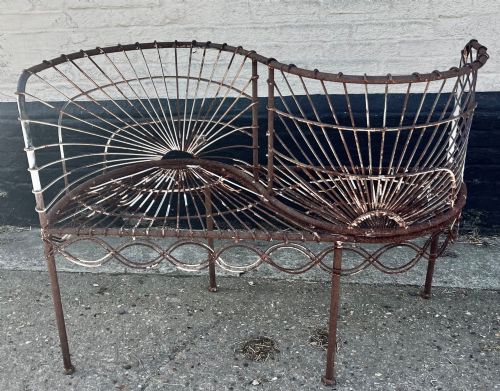
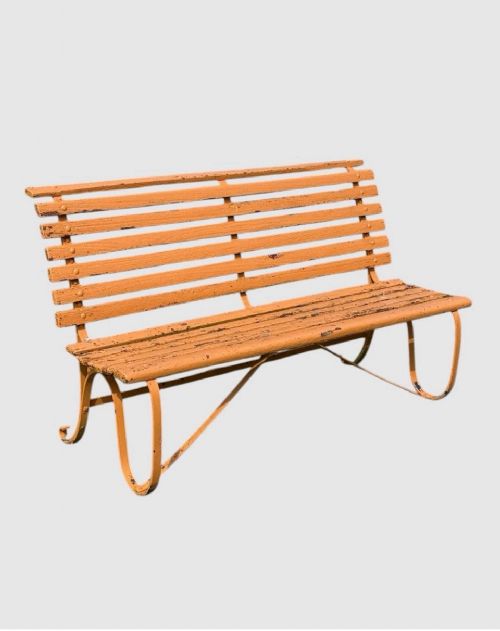
The most common examples on this page are Victorian and nineteenth-century cast iron or wrought iron garden benches. Many feature wooden slats combined with iron framework, or take the form of French conservatory benches and scroll benches.
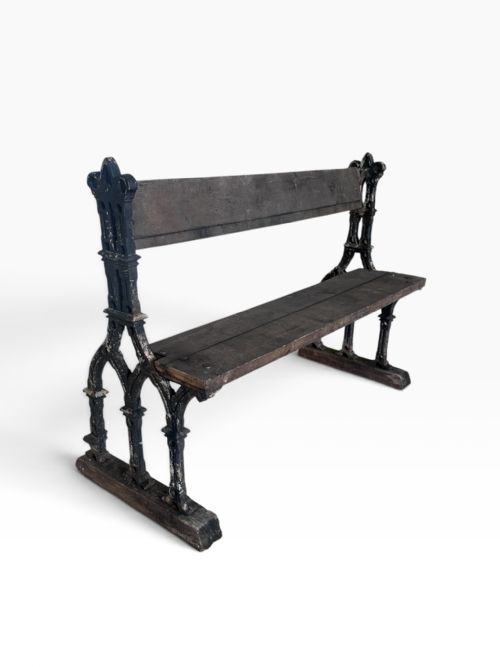
Makers utilised various historical styles, including French country aesthetics and Victorian Gothic revivalism. Buyers will encounter pieces dated around eighteen-fifty, nineteen-twenty, and nineteen-forty alongside broader nineteenth-century entries.
Materials and construction methods
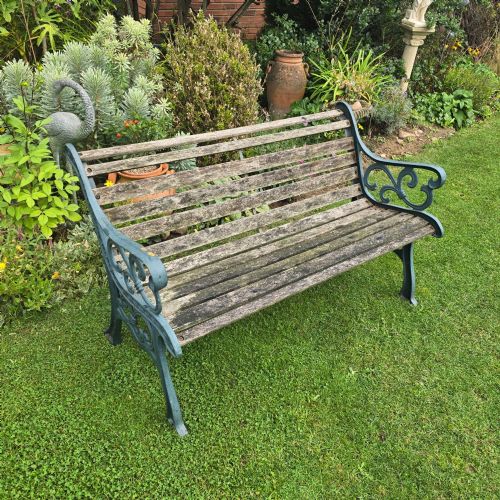
Construction relies heavily on cast iron and wrought iron, frequently paired with timber or wood for seating slats. Artisans formed intricate scrollwork and structural supports through traditional metalworking techniques.
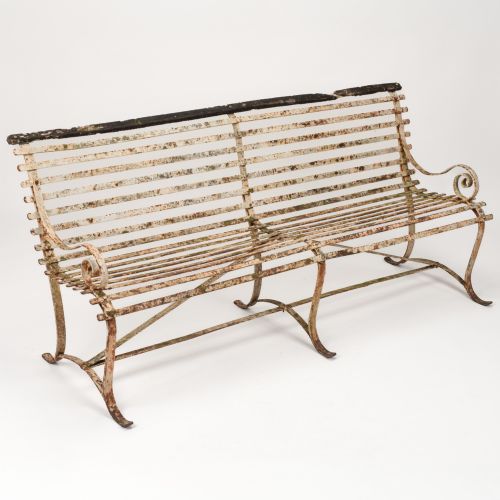
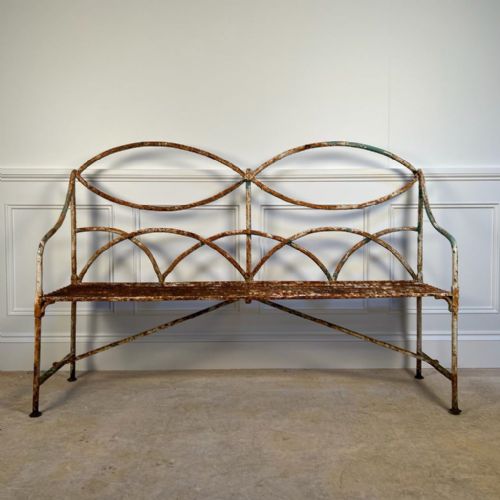
Surfaces often display layers of original paint accumulated through decades of outdoor exposure. Wrought iron strapwork provides flexible strength, whilst cast iron allows for ornate, moulded decorative backrests.
Weathered Iron Bench Retail Price Guide 2026
Typical asking prices for weathered iron bench among the pieces listed under this phrase on Sellingantiques today, from the lower quarter to the upper quarter. They describe what is for sale here now, not the wider market.
The listings feature pieces spanning the Regency and Victorian eras, alongside twentieth-century examples up to nineteen-forty.
Distinctions in craftsmanship and finish
Superior examples display crisp casting details in ornate backrests and well-balanced proportions across the frame. Lesser pieces show softer lines or simpler structural forms without decorative relief.
The integrity of the remaining original paint layers and the preservation of the underlying iron influence the overall character. Heavy strapwork and complex Regency or Gothic designs indicate finer workmanship than plain utility seating.
The Weathered Iron Bench Glossary
- Cast iron
- Iron poured into a mould to create rigid, highly detailed decorative forms. This technique permits intricate patterns on garden bench backs and ends.
- Wrought iron
- Iron heated and hammered into shape by hand, resulting in tough, fibrous metal. It provides strong, slender structural components like strapwork.
- Strapwork
- Flat strips of metal interwoven or arranged in geometric patterns. This technique appears frequently on Regency and Victorian garden seats.
- Conservatory bench
- Seating originally intended for sheltered glasshouses rather than open lawns. These often display lighter construction and distinct French styling.
Weathered Iron Bench: Frequently Asked Questions
Are these benches suitable for outdoor use?
These pieces were built for gardens, parks, and patios, designed to withstand outdoor conditions. Their metal frames endure the elements reliably, though wooden slats may require occasional maintenance.
Over decades outdoors, the metal develops a protective weathered finish and accumulated paint layers. Many buyers keep them in the garden year-round without issue.
How do I distinguish Victorian from Regency benches?
Regency examples often feature refined wrought iron strapwork and lighter linear frames. Victorian pieces typically showcase heavier cast iron, more ornate ornamentation, and sometimes Gothic revival motifs.
Examining the construction method helps separate the two periods. Strapwork points towards early nineteenth-century work, whilst heavy moulded casting aligns with Victorian production.
What is a garden settee?
A garden settee is simply an alternative term for a two-seater garden bench or outdoor seat. These pieces offer comfortable seating for two people in a patio or park setting.
They share the same iron construction and decorative styles as standard benches. The terminology often reflects nineteenth-century cataloguing preferences.
Can I paint a weathered iron bench?
Many collectors prefer to preserve the layers of original paint and natural corrosion that show the bench's age. Applying new paint is possible, but it alters the historical patina.
Deciding to paint depends on whether you value a clean, uniform colour or the textured history of worn surfaces. Original paint layers often provide clues to a piece's age and history.