


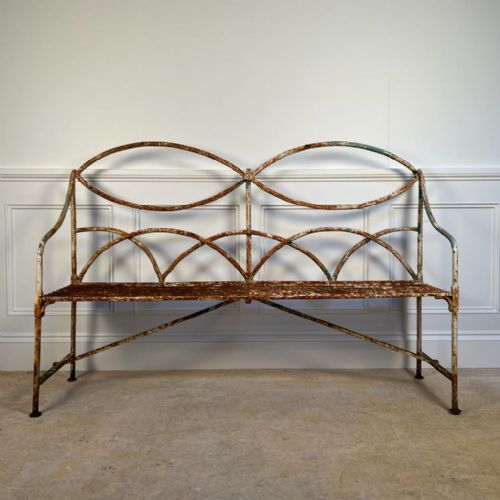

English Garden Bench
An English garden bench brings enduring character to an outdoor space, offering a functional seat built to weather the seasons.
English Garden Bench
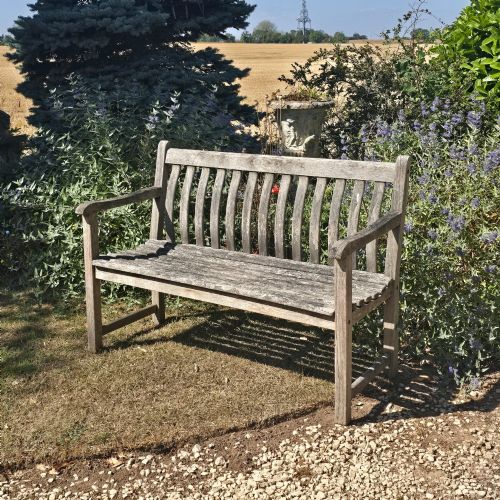
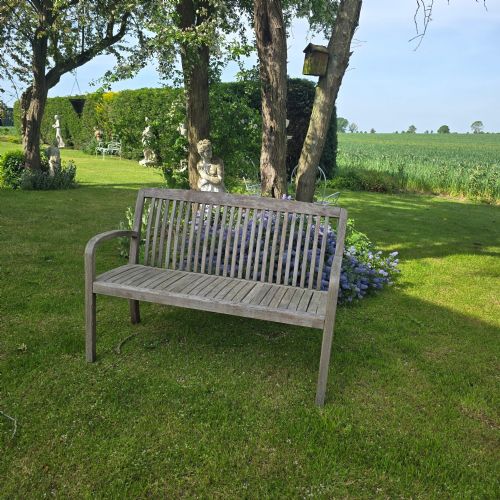
An English garden bench is a sturdy outdoor seat designed for lawns, terraces and conservatories, drawing on traditional forms from the Regency, Victorian and Edwardian eras. Buyers looking for an English garden bench will frequently encounter classic slatted timber designs alongside decorative metalwork frames.
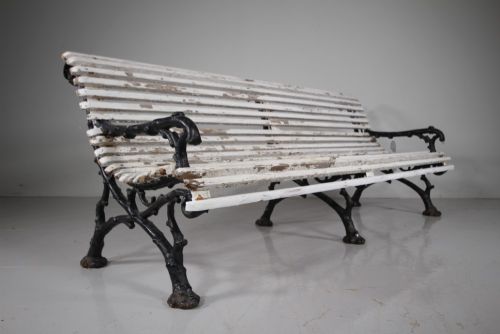
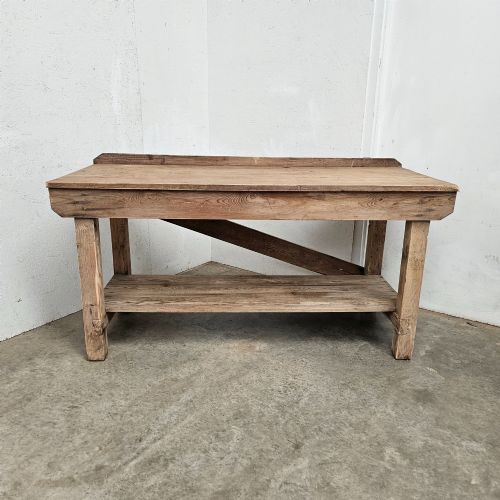
The selection ranges from robust nineteenth-century cast iron and oak combinations to early twentieth-century teak seats and slender wrought iron strapwork models. Occasional related pieces such as potting tables, console tables and even framed watercolours appear alongside the standard garden benches.
Materials and construction methods
Timbers such as teak, oak, pine and weathered wood provide the solid foundations for wooden garden benches, chosen for their natural resilience to outdoor elements. Carpenters joined these durable woods using traditional framing techniques to withstand decades of exposure.
Metal versions rely on cast iron, wrought iron, wire work and steel, shaped into decorative motifs like rustic branches, snakes, hearts and reeded patterns. Foundry work and blacksmithing created intricate bench ends and rigid support frames that endure long after the original owners have passed.
The listings combine sturdy teak timber frames with nineteenth-century cast iron and wrought iron variants spanning the Regency to Edwardian eras.
Distinctions in craftsmanship and survival
Quality rests in the integrity of the original construction, whether hand-forged ironwork or precisely joined hardwood timbers. Pieces featuring maker attribution or specialised decorative patterns like snake or antler motifs stand apart from utility models.
Survival condition dictates value, where well-weathered silvered teak retaining its structural heft commands respect alongside crisply cast iron ends that have avoided heavy corrosion over the decades.
Charles Verey Lister·J.P. White·Goodyer·Coalbrookdale
The English Garden Bench Glossary
- Cast iron
- Iron poured into a mould to create rigid, highly detailed bench ends and decorative patterns. It offers great weight and ornamentation but can fracture under sharp impacts.
- Wrought iron
- Iron heated and worked by hand into durable structural bars and slender strapwork. This material bends rather than snaps when stressed.
- Teak
- A dense, oil-rich hardwood prized for outdoor furniture due to its natural resistance to rot and weathering. It gradually ages to a silvery grey patina.
- Tree bench
- A circular or polygonal seat built around the trunk of a tree to provide shaded garden seating. These require careful geometric carpentry to fit living timber trunks.
English Garden Bench: Frequently Asked Questions
How do I maintain an old teak bench?
Allow the wood to weather naturally outdoors without applying heavy varnishes that trap moisture. Occasional gentle cleaning removes surface dirt and preserves the structural fibre of the timber.
Avoid sealing teak with modern plastics, as the natural oils within the wood provide sufficient protection against rain and sun.
Can cast iron benches stay outside all winter?
Cast iron handles cold temperatures well, but prolonged contact with damp ground can accelerate rust formation on unprotected feet. Raising the legs slightly during the winter months prevents moisture absorption.
Keep painted surfaces touched up where chipping occurs to stop deep oxidation from taking hold in the iron.
How do I date a metal garden bench?
Regency and early nineteenth-century examples often feature delicate wrought iron strapwork or reeded frames. Victorian versions lean towards heavier cast iron with ornate rustic branches or animal motifs.
Edwardian production introduced refined teak slats combined with lighter iron supports, shifting away from purely heavy metal construction.
Where should I place a vintage garden bench?
Position the seat on a firm, level surface like stone paving or gravel to prevent the legs from sinking unevenly into soft soil. Placing it against a hedge or wall provides a sheltered backdrop for relaxation.
Ensure wooden feet have proper drainage beneath them to stop moisture from rotting the base of the timbers.