
Victorian Iron Bench
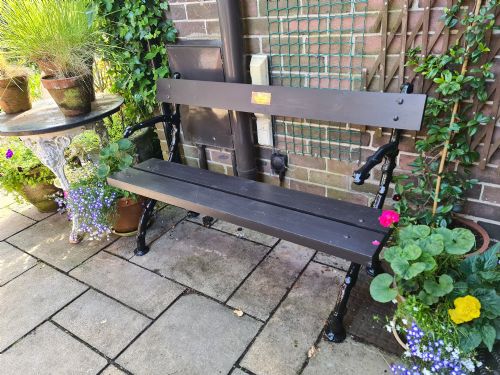
A victorian iron bench brings enduring architectural form to the garden or terrace through heavy cast and wrought metal work.
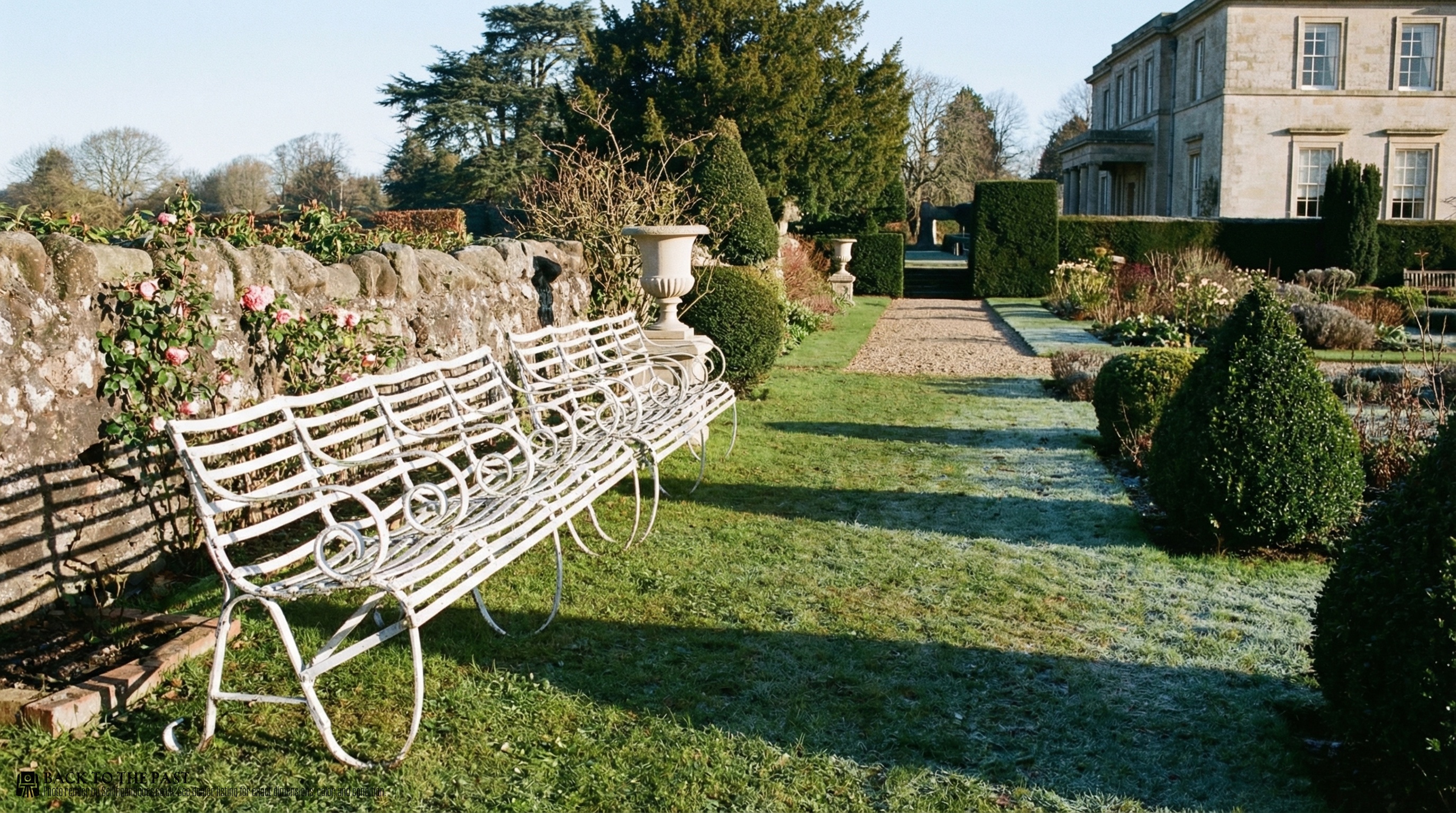
Victorian Iron Bench
A victorian iron bench serves as a durable outdoor seat, combining robust metal supports with slatted timber or iron seating surfaces.
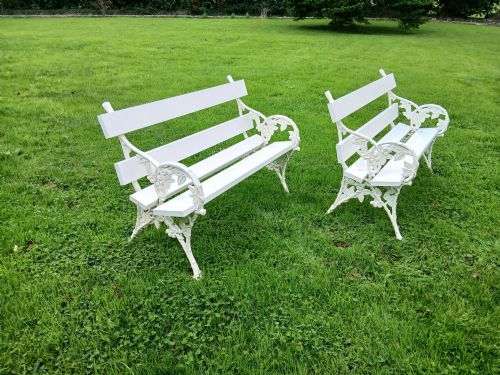
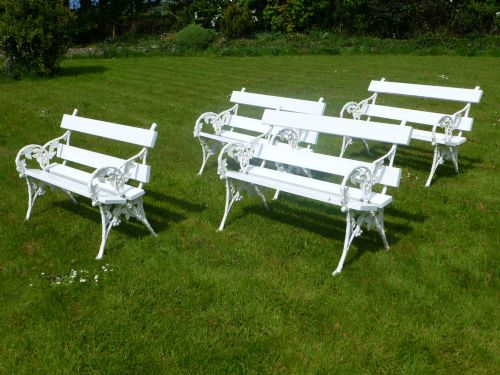
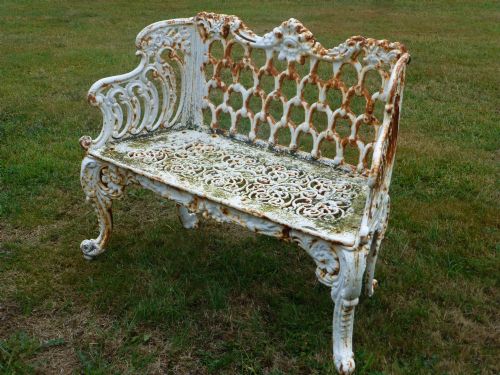
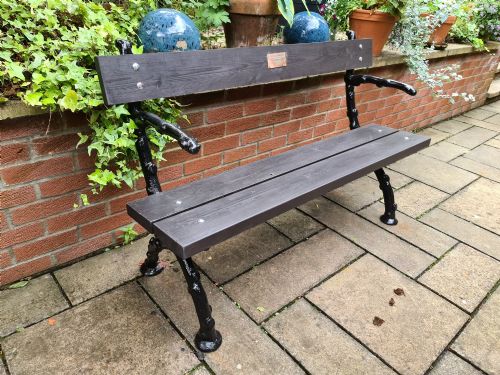
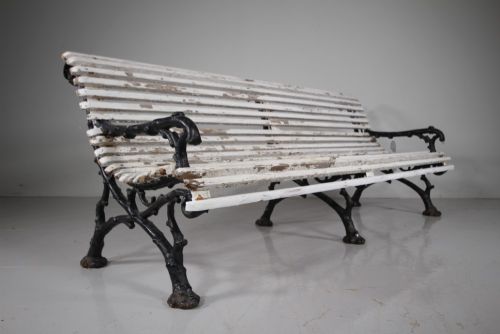
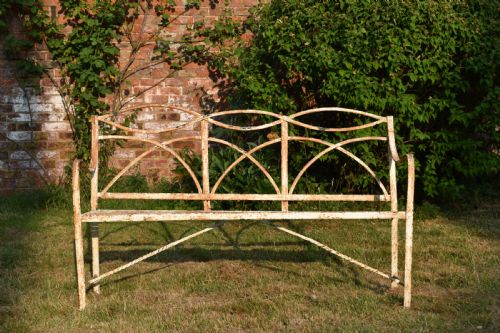
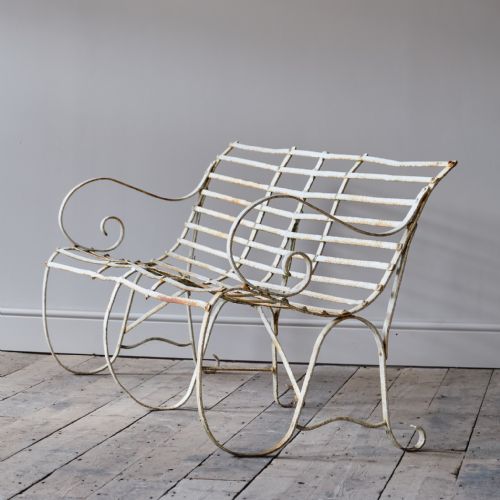
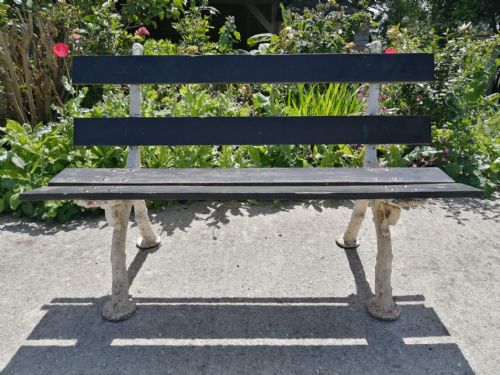
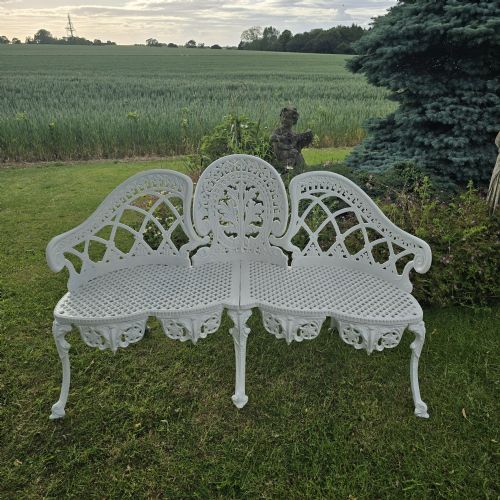
Buyers will encounter various stylistic interpretations on this page, ranging from ornate botanical castings featuring ferns and brambles to restrained strapwork and rustic branch designs.
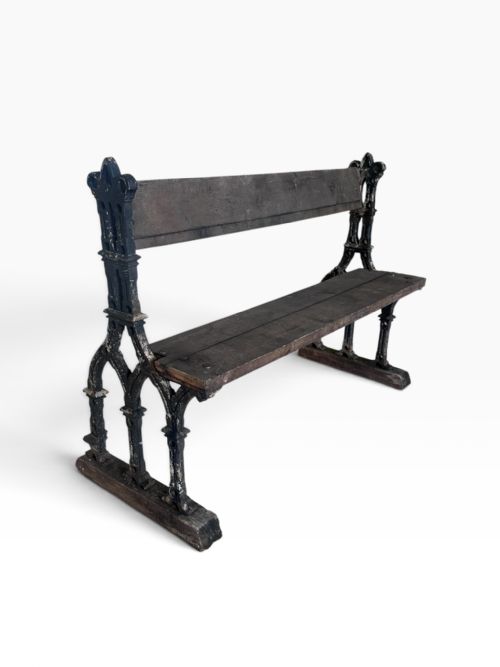
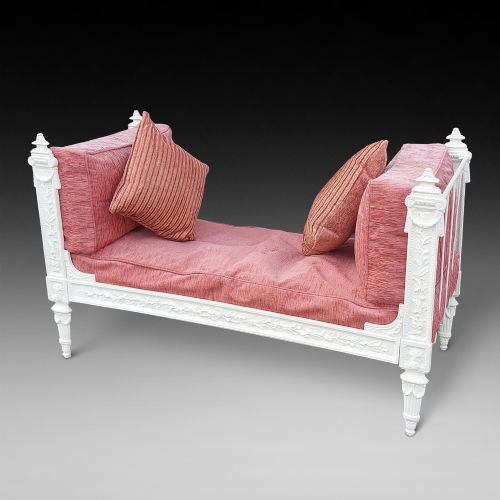
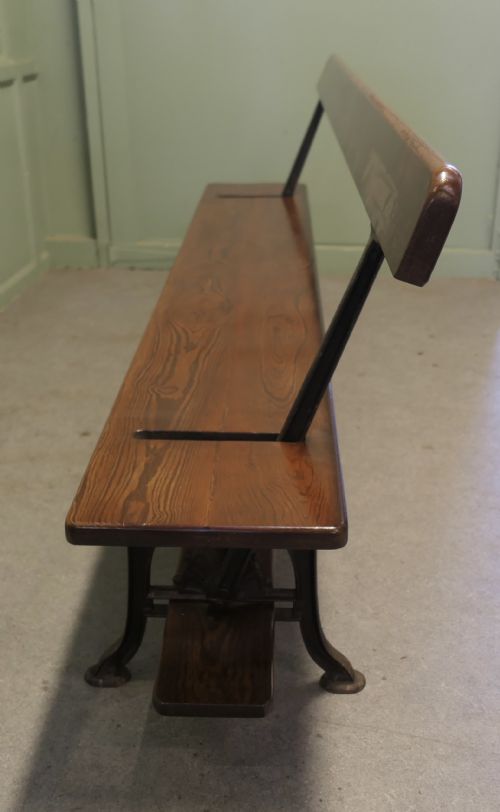
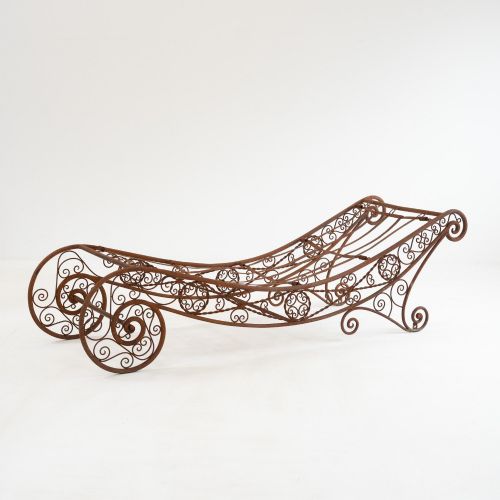
Common regional and institutional forms include railway station seats, park benches, and French daybeds utilising similar structural principles.
Materials and Casting Techniques
Foundries produced the decorative ends and frames by pouring molten metal into sand moulds, creating intricate relief patterns in cast iron.
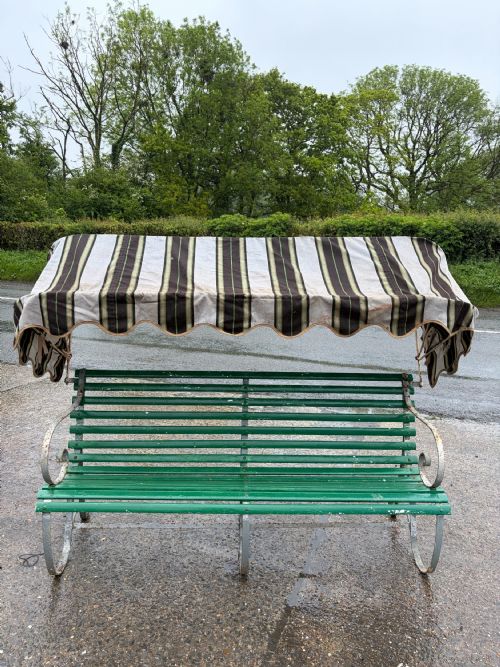
Wrought iron provided strength for structural braces and strapwork through manual forging, while timber or teak slats formed the seating plane.
Protective layers of paint historically preserved the metal from oxidation, with many examples retaining remnants of their original finishes.
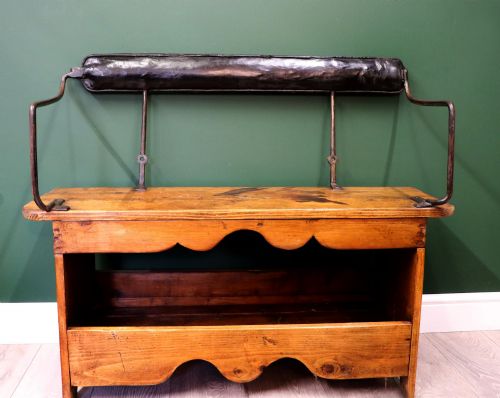
Listings feature 19th century and Edwardian periods, utilising cast iron, wrought iron, timber, and leather across garden and railway forms.
Assessing Craftsmanship and Preservation
The crispness of the casting detail distinguishes superior foundry work from softer, worn reproductions, particularly on botanical motifs like leaves and serpent heads.
Structural integrity depends on the retention of original components, such as manufacturer stamps, matching bench ends, and authentic timber slats rather than later replacements.
Falkirk Carron Foundry·Coalbrookdale·John Finch·Phoenix Foundry
The Victorian Iron Bench Glossary
- Cast iron
- Iron poured into a mould to shape complex decorative patterns and bench ends. This material provides the weight and rigidity characteristic of nineteenth-century garden furniture.
- Wrought iron
- Iron heated and hammered into shape by hand for structural support and strapwork. Unlike cast iron, it bends under stress rather than fracturing.
- Strapwork
- Flat bands of metal arranged in geometric interlaced patterns across the backrest or seat. This style was popular during the mid-nineteenth century for domestic gardens.
- Faux bois
- Imitation of wood grain rendered in cast iron or concrete. Makers used this technique to mimic natural branches and twigs.
- Slats
- Individual boards of timber, often teak or oak, bolted horizontally between the iron ends to form the seat and back.
Victorian Iron Bench: Frequently Asked Questions
How do I protect my bench outdoors?
Keep the metal treated with suitable exterior paint and store timber surfaces or the entire piece under cover during harsh winter months.
Regular inspections for moisture around bolt fixings will prevent rust from spreading into the surrounding metal.
Are original wooden slats common?
Many surviving pieces feature replacement slats because timber weathered away outdoors long before the metal supports failed.
Finding original wood is unusual, so buyers often encounter benches restored with period-appropriate teak or oak.
How do I identify foundry marks?
Look along the inner edge of the iron seat frame or beneath the armrests where makers stamped their names and registration numbers.
These foundry inscriptions help date the piece and confirm its origin.
Can these benches stay outside year-round?
Cast and wrought iron withstands outdoor conditions effectively, provided the protective paint barrier remains intact.
Elevating the feet slightly off damp ground prevents moisture absorption.