
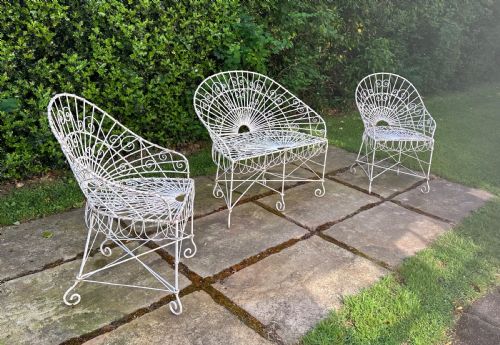


White Iron Garden Bench
A white iron garden bench brings enduring structure and botanical motifs to lawns and terraces, offering a sturdy seat that weathers the seasons.
White Iron Garden Bench
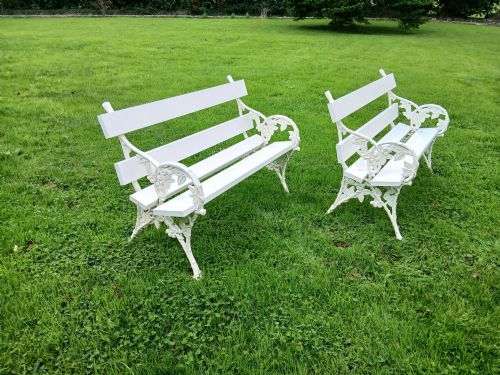
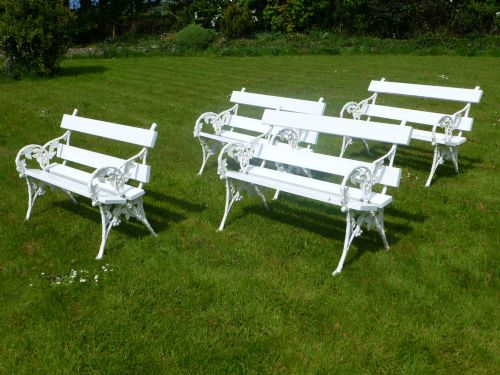
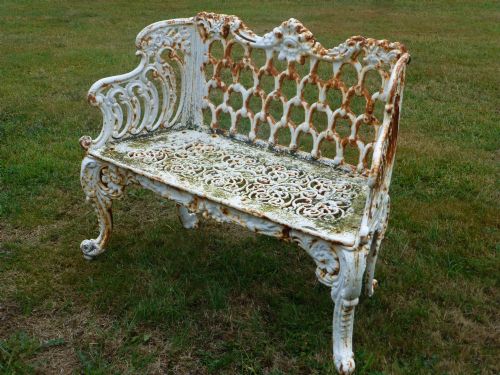
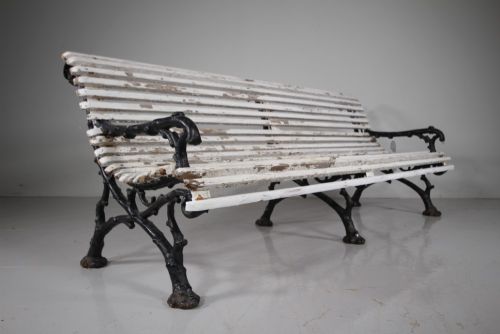
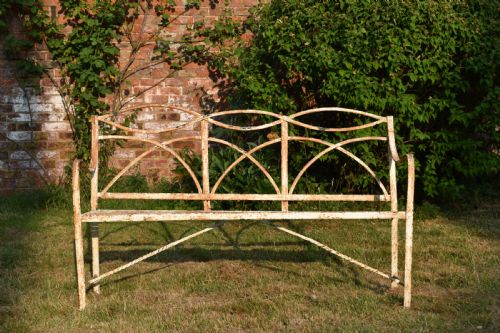
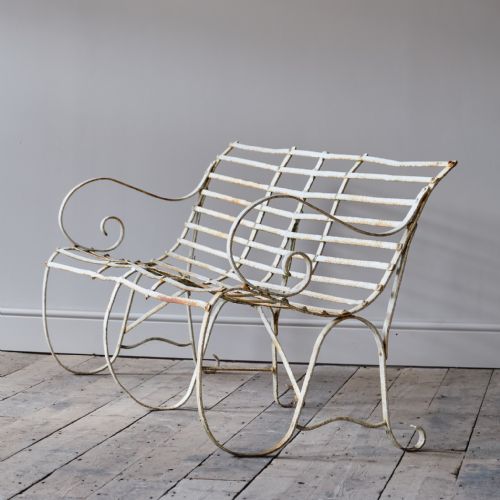
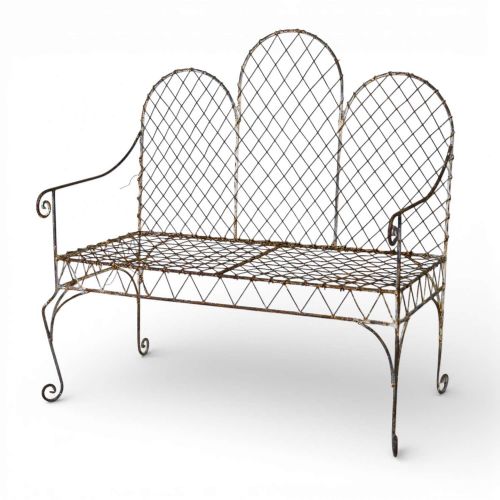
When you search for a white iron garden bench, you find seating cast or wrought from metal, often finished in white paint. The pieces on this page span the nineteenth century, the Regency era, and the early twentieth century, alongside later revivals.
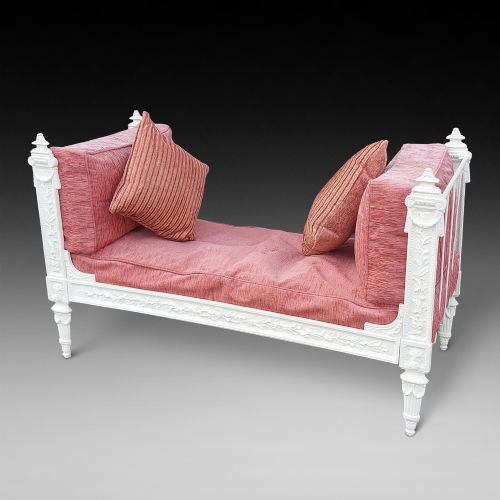
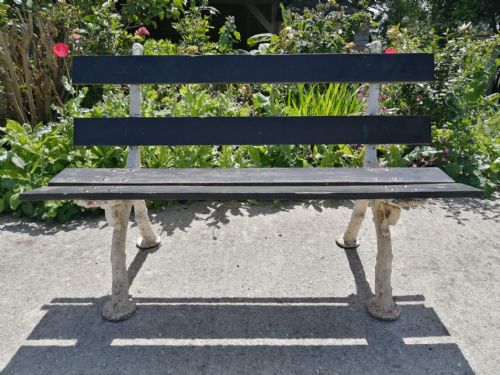
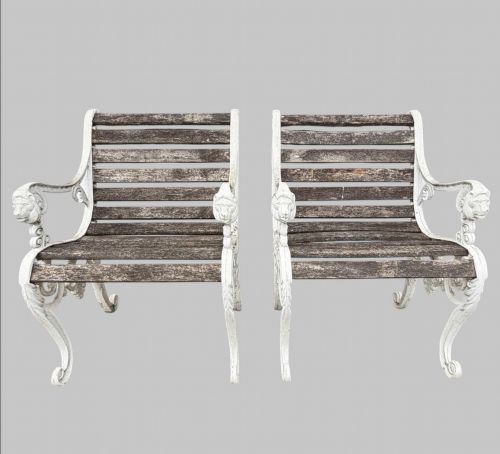
The forms vary widely across the inventory. Alongside traditional two-seater benches, the selections include garden armchairs, daybeds, sets, arbours, and structural bench ends paired with timber slats.
Origins stretch from English foundries to French-influenced designs, encompassing distinct styles such as Victorian rustic, French Gothic revival, and classical Regency strapwork.
What varies in quality
Quality rests in the crispness of the casting and the ambition of the design, from simple strapwork to complex naturalistic foliage. Foundry attribution, such as work linked to Falkirk or Coalbrookdale, elevates a piece through superior metalwork and sculptural depth.
The integrity of the construction matters greatly, whether dealing with solid cast iron frames or combinations of iron and timber. Examples retaining matching elements or complete sets display a higher degree of original preservation.
Listings feature items spanning the Regency period through to the 1930s, using cast iron, wrought iron, timber, and fabric.
Falkirk Carron Foundry·Coalbrookdale
The White Iron Garden Bench Glossary
- Cast iron
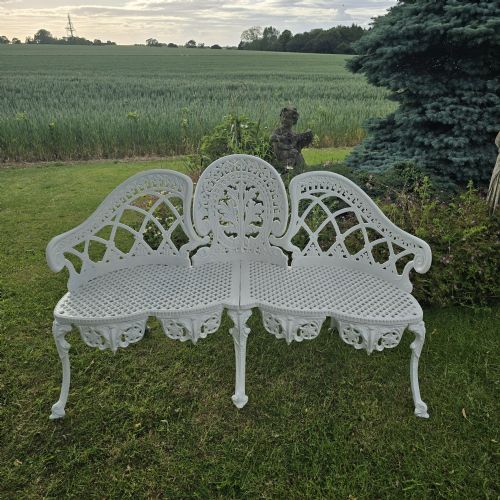
- A sturdy alloy poured into moulds to create decorative garden furniture. This technique allows for complex relief patterns like leaves and branches.
- Wrought iron
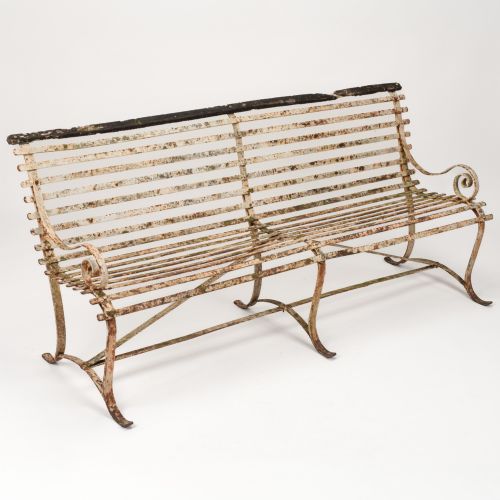
- Iron heated and worked by hand into structural shapes. It provides strong, linear designs such as strapwork benches.
- Strapwork
- Flat bands of metal arranged in geometric patterns. This style is frequently seen on Regency garden seats.
- Faux bois
- An artistic technique mimicking wooden texture in metal or stone. Coalbrookdale pieces often used this to imitate natural branches.
- Bench ends
- The structural side supports of a seat. These are sometimes sold separately to be paired with new timber slats.
White Iron Garden Bench: Frequently Asked Questions
How do I care for a white iron garden bench?
Keep the metal clean by washing away dirt and debris with mild soapy water. Regular inspection helps catch early signs of wear on the painted surface.
Applying a fresh coat of suitable exterior paint when needed protects the iron from moisture. Storing pieces under cover during harsh winter months also preserves the structure.
Can these benches stay outside all year?
Iron garden seating is built for outdoor use and withstands typical weather conditions well. Heavy construction ensures stability on lawns and stone terraces.
Extreme frost and continuous damp can affect surface paint and timber components over time. Placing them on well-draining surfaces helps prevent moisture gathering at the base.
How do I identify a Regency iron bench?
Regency pieces often feature clean linear strapwork and restrained classical proportions. The metalwork tends to emphasise geometric framing rather than heavy botanical relief.
Comparing the profile and construction details against documented period examples helps confirm the era. Wrought iron techniques of the early nineteenth century differ noticeably from later Victorian castings.
What is the difference between cast and wrought iron?
Cast iron is poured into moulds, allowing for rich three-dimensional ornamentation like leaves and animal masks. It offers heavy, solid forms with high detail.
Wrought iron is heated and hammered into shape, resulting in strong, flexible bars and strapwork. This method creates lighter, more linear frameworks than casting permits.