
Antique Iron Garden Seat
An antique iron garden seat brings enduring metalwork to lawns and terraces, offering sturdy seating shaped by centuries of design.
Antique Iron Garden Seat
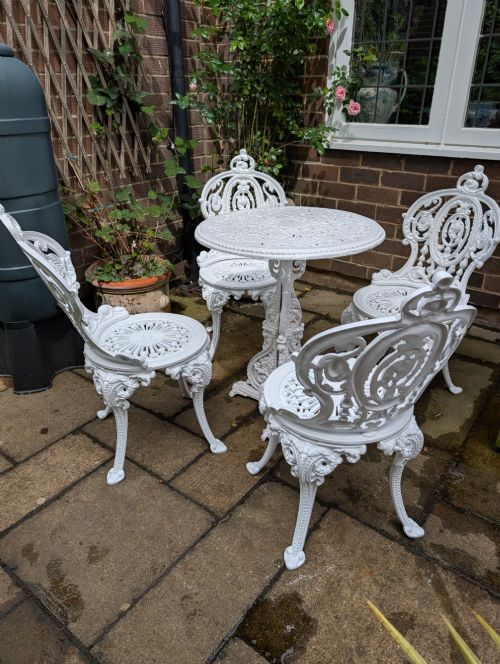
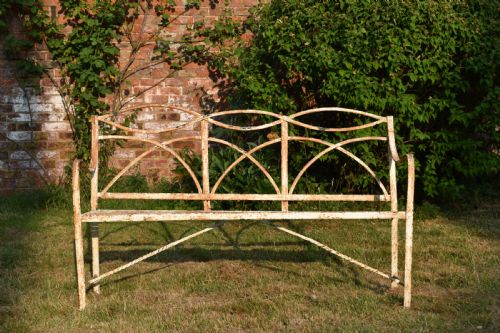
An antique iron garden seat encompasses robust outdoor benches, chairs and settees designed for parks, lawns and courtyards. These pieces most frequently emerge from nineteenth century workshops, spanning Regency strapwork patterns and ornate Victorian castings.
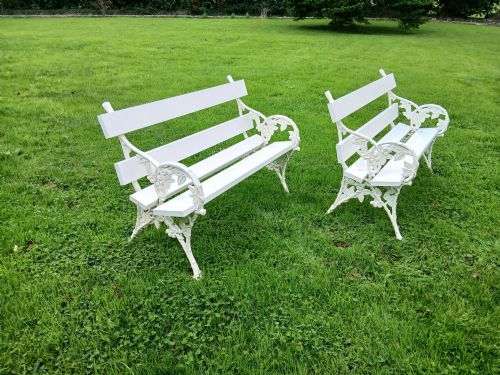
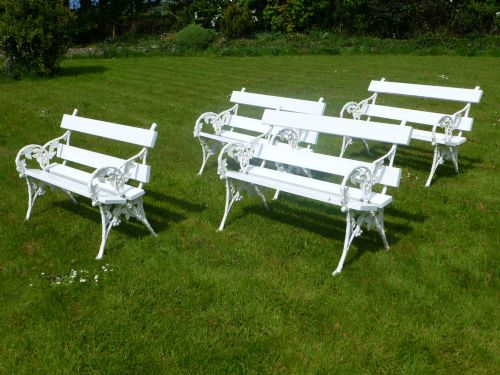
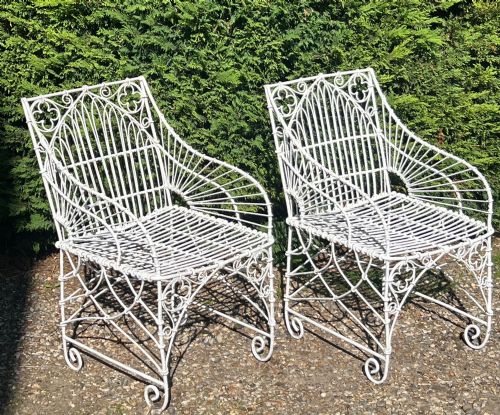
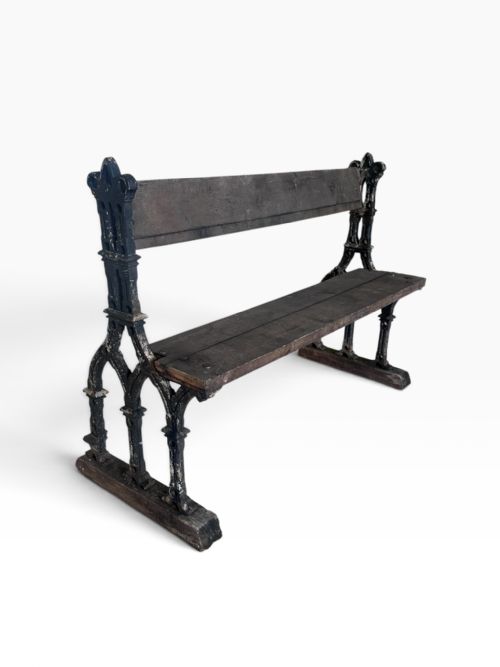
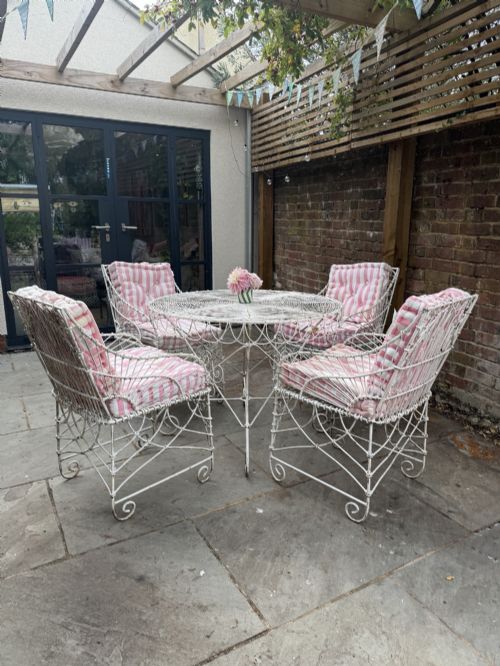
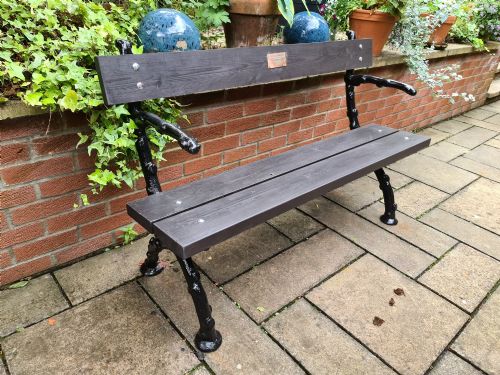
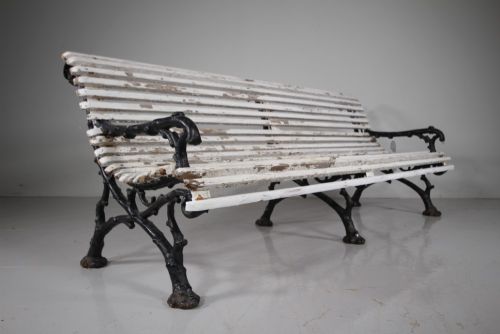
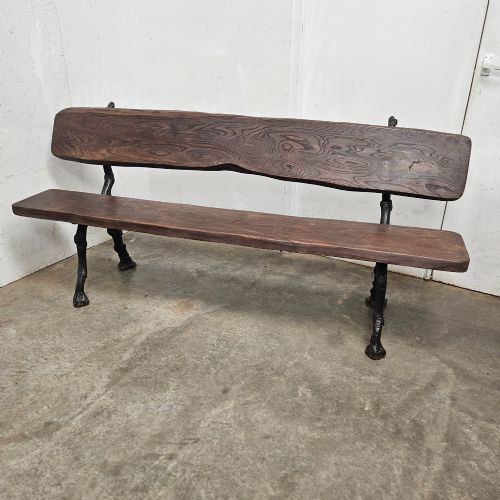
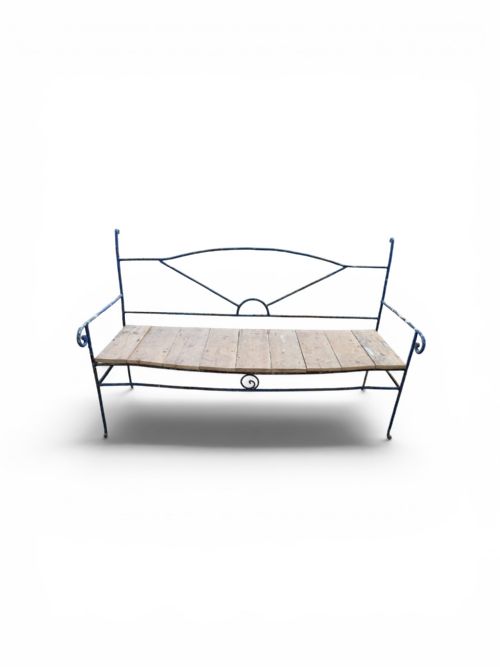
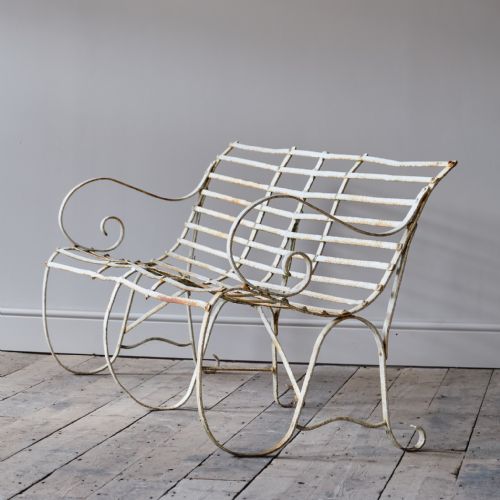
The selection ranges from heavy cast iron benches with botanical motifs to lighter wrought iron frames and wirework arbours. Buyers encounter both full metal constructions and hybrid forms pairing iron ends with timber slats.
What varies in quality
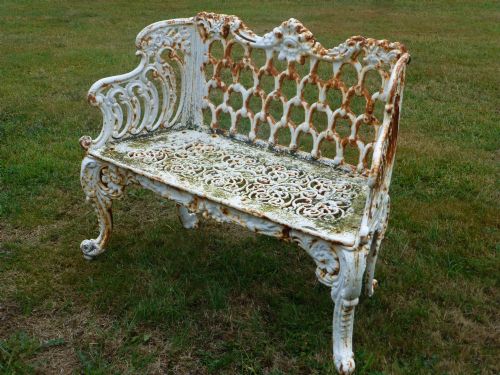
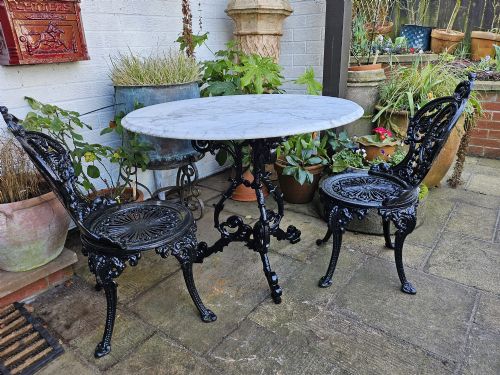
The crispness of the casting defines the upper tier of garden seating, where botanical details like blackberry leaves and fern fronds remain sharp and deeply defined. Finer examples display careful finishing at the foundry, smoothing rough seams without losing ornamental depth.
Structural integrity also separates standard utility pieces from masterworks, particularly in the precision of the joints and the weight of the iron used. Well-balanced proportions and identifiable foundry marks elevate the standing of a piece.
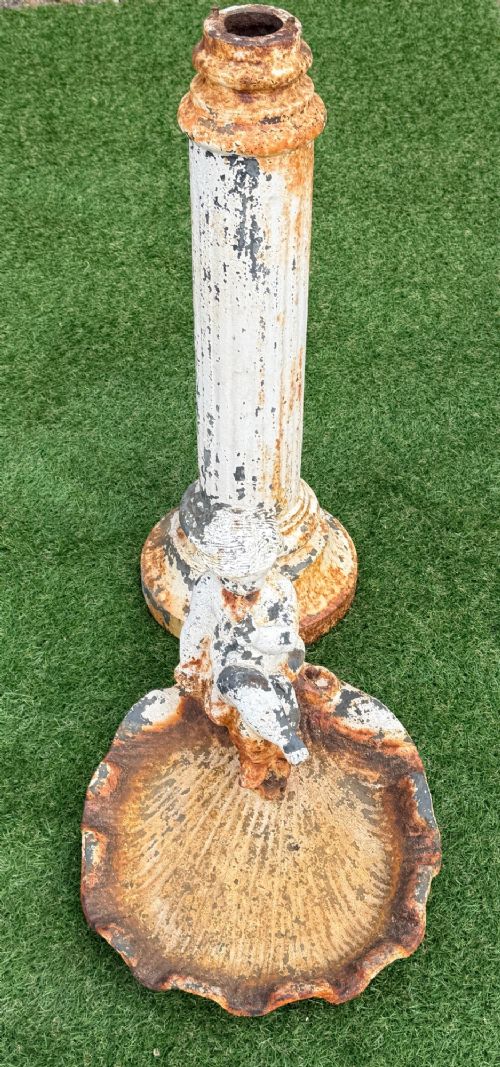
Several seats feature cherubs, lion masks, and faux bois branch structures to trick the eye in the shrubbery.
Falkirk Carron Foundry·Coalbrookdale
The Antique Iron Garden Seat Glossary
- Cast iron
- A hard, brittle alloy poured into moulds to create complex ornamental patterns and sturdy bench ends. It allows for high sculptural detail such as foliage and crests.
- Wrought iron
- Iron heated and worked by hand with hammers and anvils to produce strong, flexible structural elements. It is commonly associated with lighter strapwork and linear framing.
- Faux bois
- A decorative technique mimicking wood grain on non-wooden materials. In garden seats, iron is cast or shaped to resemble knotted branches and tree limbs.
- Strapwork
- A pattern of flat, intersecting bands resembling leather straps, frequently utilised in Regency designs. It forms geometric and scrolling openwork panels on backs and seats.
- Wirework
- Metal strands twisted and woven into intricate outdoor structures like arbours and plant stands. This lighter technique gained popularity during the Victorian era.
Antique Iron Garden Seat: Frequently Asked Questions
How do I date an iron garden seat?
Dating relies on stylistic clues and construction methods visible in the ironwork and fixings. Regency pieces often display light strapwork, while Victorian examples lean towards heavy castings and botanical motifs.
Foundry marks and registration numbers cast into the metal provide definitive clues. Comparing the bolt types and assembly techniques also helps narrow down the era of manufacture.
Can I leave my garden seat outside year-round?
Cast and wrought iron withstand outdoor conditions robustly, though winter frost and moisture can affect timber slats and painted surfaces. Regular maintenance helps preserve the material against corrosion.
Applying protective coatings and storing wooden elements during harsh weather extends the lifespan of mixed-material seats. Iron portions benefit from periodic inspection and repainting.
What is the difference between cast and wrought iron?
Cast iron is poured into moulds while molten, resulting in heavy, rigid pieces capable of intricate sculptural detail. It appears frequently in ornate bench ends and decorative panels.
Wrought iron is hammered and bent into shape while heated, yielding a fibrous material ideal for strapwork and flexible frames. It generally feels lighter and more resilient to sudden impacts.
How do I restore a painted iron bench?
Restoration typically involves removing flaking paint and surface rust using wire brushes or gentle abrasive methods. Keeping the original patinated surface intact is often preferred by collectors over a complete strip.
Applying a suitable exterior metal primer followed by a protective topcoat prevents further oxidation. Replacement timber slats may be fitted if the original wood is beyond repair.