


Cast Iron Outdoor Seat
A cast iron outdoor seat brings weight, structure and intricate ornament to a terrace, lawn or conservatory.
Cast Iron Outdoor Seat
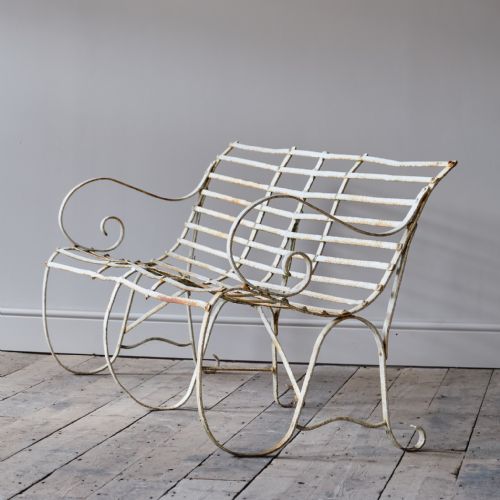
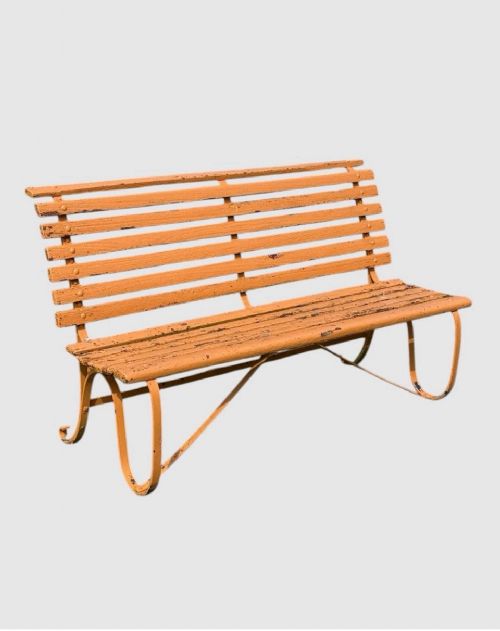
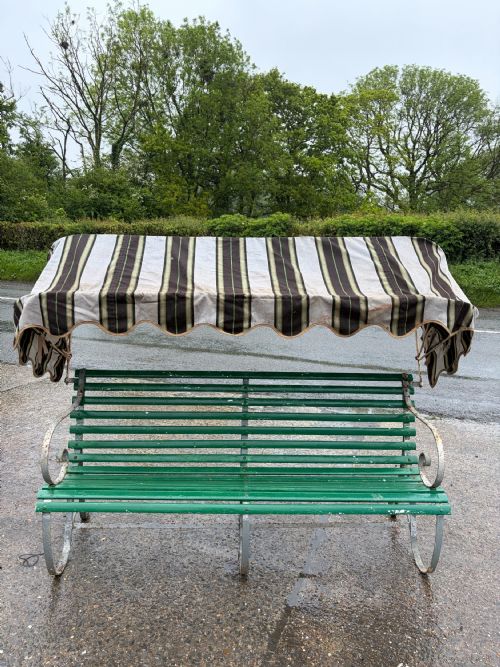
A cast iron outdoor seat forms a sturdy focal point in garden landscapes, combining heavy metal framework with functional resting places. Buyers searching for a cast iron outdoor seat encounter robust garden benches, armchairs and settees designed to withstand the elements while offering decorative relief.
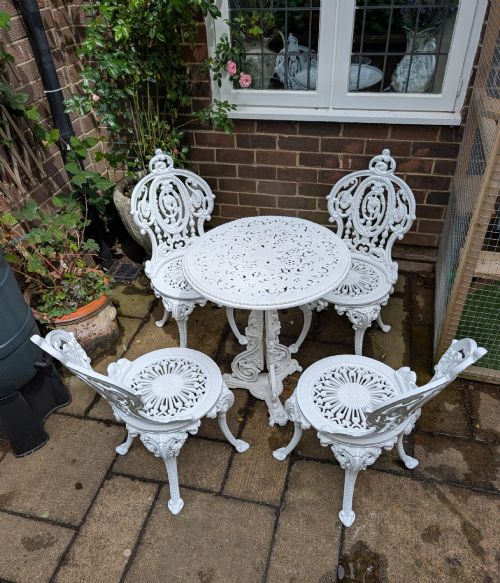
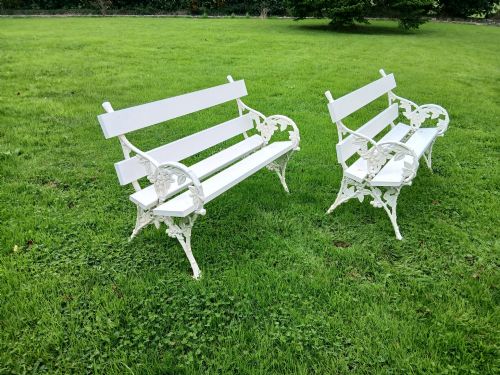
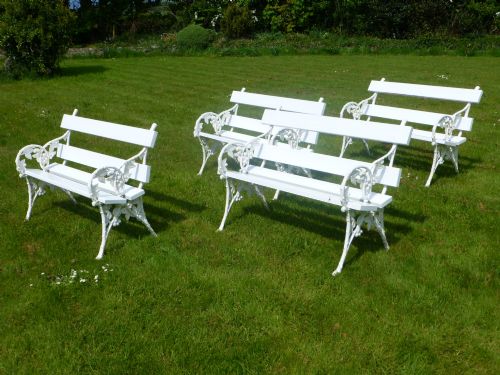
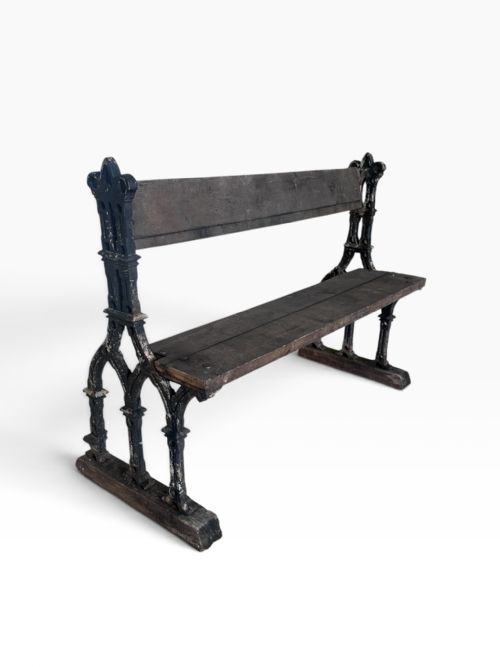
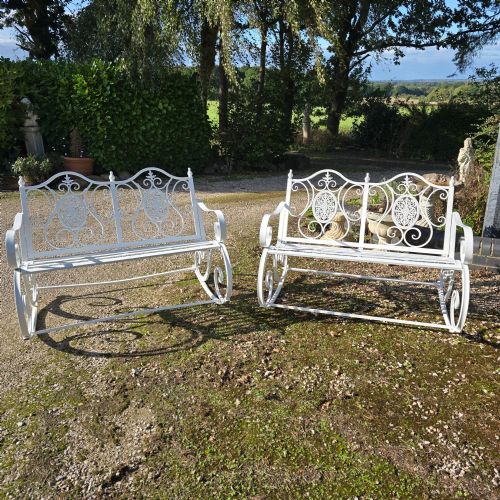
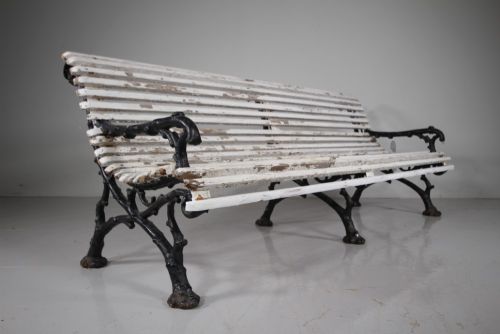
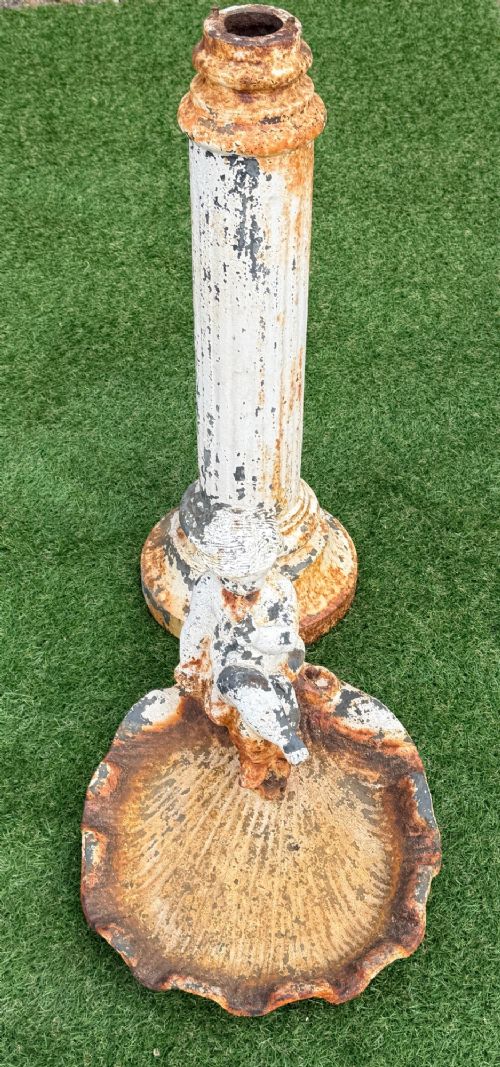
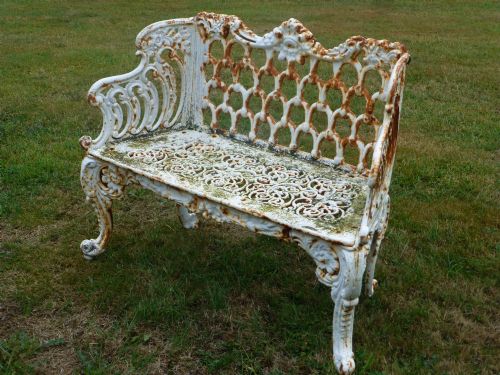
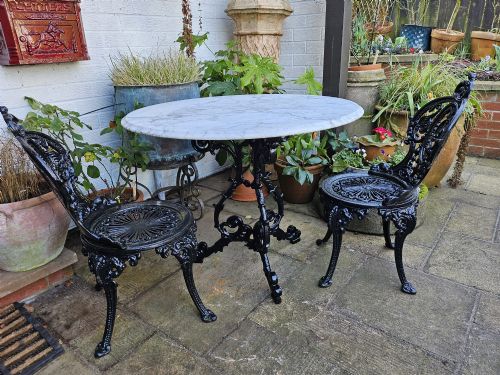
The pieces appearing here span the nineteenth century and the interwar period, taking the form of garden benches, bistro sets and railway station seats. Victorian examples dominate the selection, bringing ornate patterns and substantial metalwork to outdoor spaces.
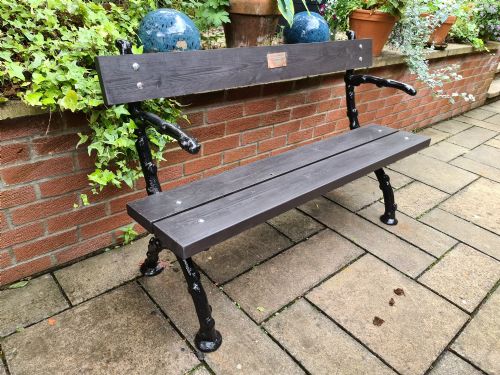
Makers and foundries of the period utilised elaborate botanical, gothic and rustic motifs to decorate bench ends and backs. From blackberry and leaf patterns to lion masks and shell designs, these items serve as both garden furniture and sculptural ornaments.
How they were made
Foundries poured molten iron into sand moulds to create the heavy, rigid panels and bench ends that define these seats. This casting process allowed makers to produce intricate, repeating details like foliage, Gothic tracery and animal masks with sharp relief.
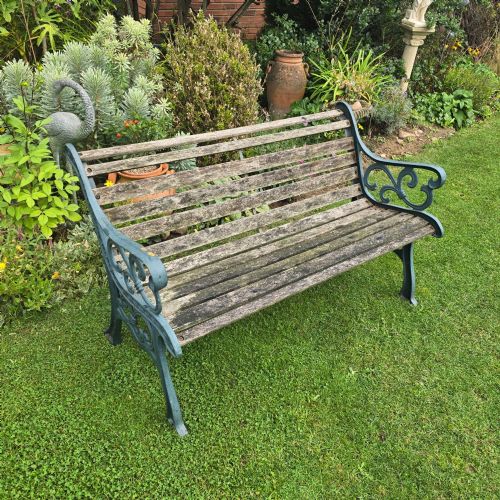
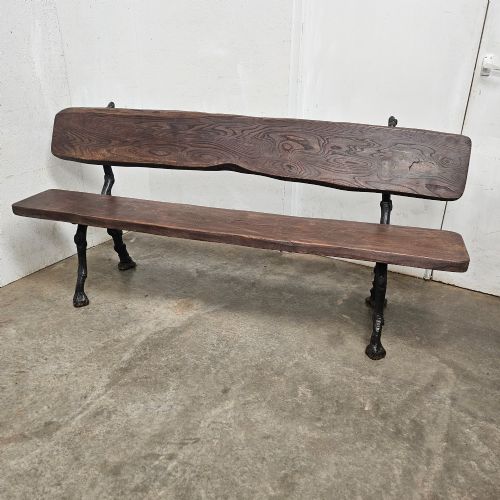
Makers combined the cast iron framework with timber slats, elm planks or painted wood for the seats and backs, balancing the cold rigidity of metal with a comfortable seating surface. Wrought iron strapwork also appears alongside cast components, providing structural reinforcement and varied texture.
Protective layers of paint finished the metalwork, protecting the iron from corrosion while highlighting the fine textures of the foundry work. Many surviving pieces retain traces of these historic coatings beneath later refurbishments.
Cast Iron Outdoor Seat Retail Price Guide 2026
Typical asking prices for cast iron outdoor seat among the pieces listed under this phrase on Sellingantiques today, from the lower quarter to the upper quarter. They describe what is for sale here now, not the wider market.
Listings feature nineteen-century Victorian periods alongside early twentieth-century examples.
What varies in quality
The clarity and depth of the foundry casting separate standard utilitarian seats from exceptional artistic examples. Crisp detailing in botanical motifs or architectural tracery reveals the skill of the pattern maker and the quality of the original mould.
The integrity of the combination between metal frames and wooden or timber elements dictates the overall robustness of the piece. Superior examples maintain balanced proportions and harmonious joints between the heavy iron supports and the seating slats.
Attribution to notable foundries or specific documented designs elevates the standing of a garden seat. Pieces bearing distinct foundry signatures or recognizable Coalbrookdale and Val D'osne patterns demonstrate higher craftsmanship and historical significance.
Falkirk Carron Foundry·Christopher Dresser·Coalbrookdale·Val D'osne
The Cast Iron Outdoor Seat Glossary
- Cast iron
- An iron-carbon alloy poured into moulds in a liquid state. This technique allows for complex decorative patterns to be mass-produced with high relief.
- Bench end
- The structural side panels of a garden seat that support the backrest and seat slats. These are frequently the most ornate cast elements of the piece.
- Faux bois
- A style mimicking wood grain, executed here in iron or French elm. Makers used this technique to introduce organic textures to hard materials.
- Strapwork
- Flat bands of iron riveted or joined in geometric patterns. This technique appears on the frames and supports of utilitarian and decorative garden seats.
- Gothic design
- An architectural style featuring pointed arches and vertical lines translated into garden furniture. This aesthetic became particularly popular during the Victorian period.
Cast Iron Outdoor Seat: Frequently Asked Questions
How do I care for a cast iron garden seat?
Keep the metal clean and dry where possible, applying protective outdoor paint coatings when the surface begins to weather. Regular inspection prevents rust from taking hold beneath the joints.
Protect timber slats with appropriate oils or treatments suited to outdoor environments. During harsh winter months, storing the seat under cover helps preserve both the iron and the wood.
Can these seats stay outside all year?
Cast iron endures outdoor conditions well due to its substantial weight and weather-resistant nature. However, continuous exposure to moisture can lead to corrosion on the metal and rot in any attached timber.
Positioning the seat on hard paving rather than directly on damp soil prevents excessive moisture absorption. Periodic maintenance ensures the piece remains robust through changing seasons.
How do I identify a Victorian cast iron seat?
Victorian examples typically feature heavy casting with distinct decorative themes such as Gothic tracery, rustic branches, or botanical motifs like ferns and leaves. The weight of the metal and the complexity of the pattern often point towards nineteenth-century production.
Many pieces from this era incorporate specific foundry designs or stylistic markers associated with pattern books of the period. Examining the construction of the bench ends helps determine the manufacturing era.
Are these seats comfortable to sit on?
The comfort of a cast iron garden seat depends largely on the contour of its backrest and the condition of its timber slats. While the iron frames provide rigid support, wooden seating surfaces offer a more forgiving user experience than all-metal designs.
Adding fitted outdoor cushions can improve comfort during extended periods of use. Many owners place their seats in shaded garden spots to create a functional resting place.