
Vintage Garden Seat
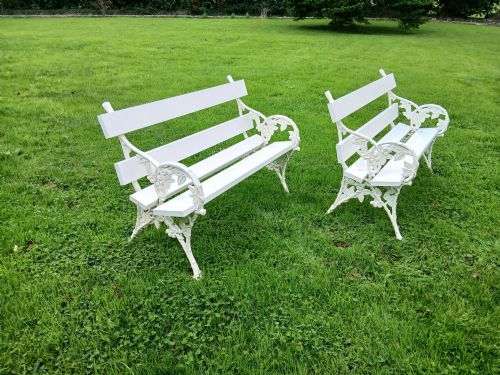
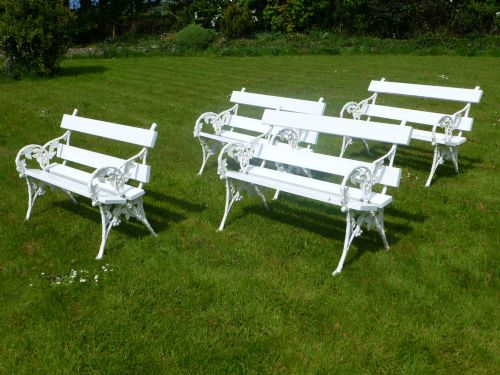
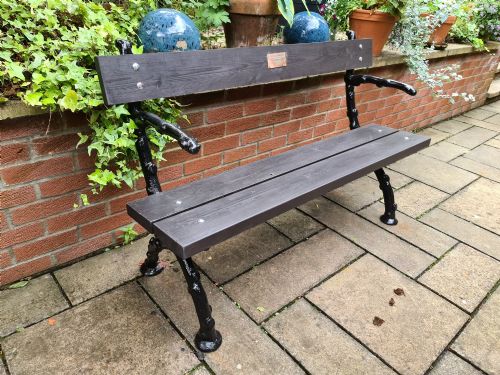
A vintage garden seat brings architectural presence to outdoor spaces, offering seating crafted from cast iron, teak and timber.
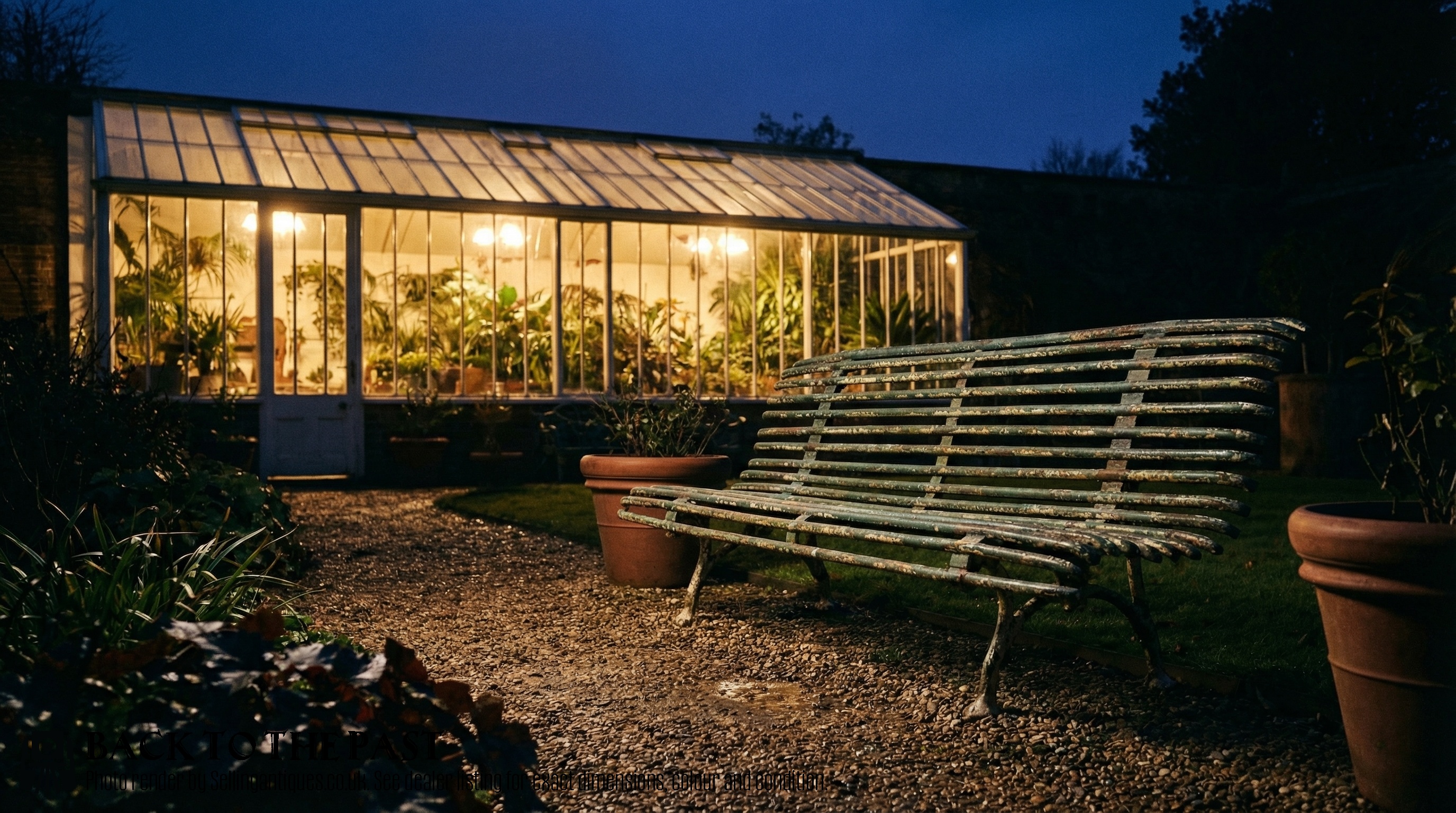
Vintage Garden Seat
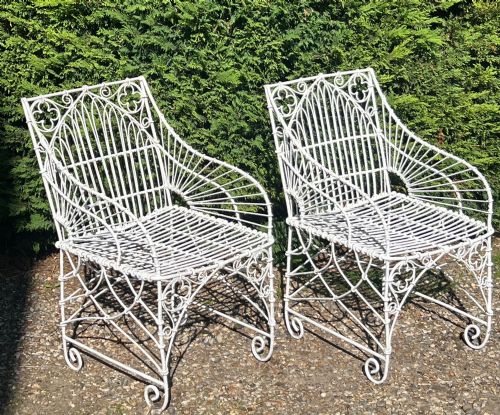
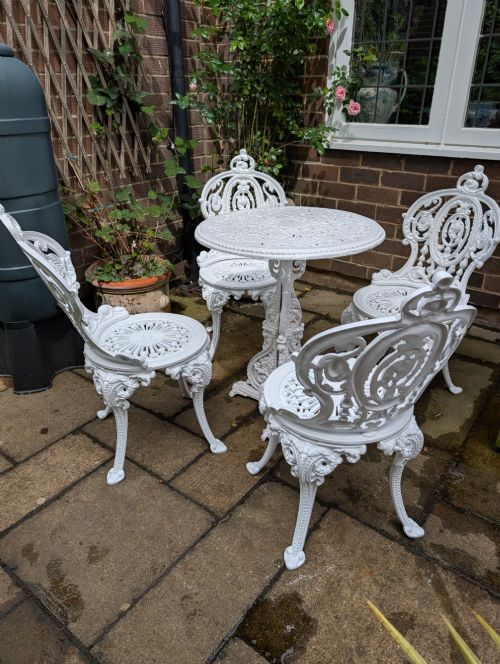
A vintage garden seat encompasses benches, armchairs and outdoor seating forms designed to withstand the elements while providing decorative utility. When searching for a vintage garden seat, buyers encounter items ranging from nineteenth-century cast iron designs to twentieth-century teak benches.
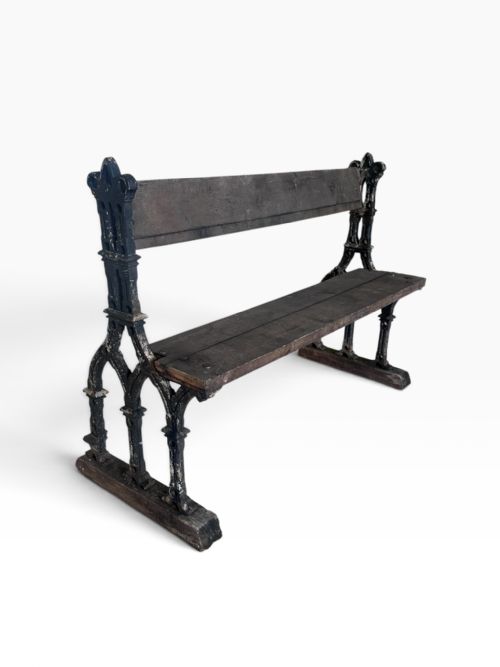
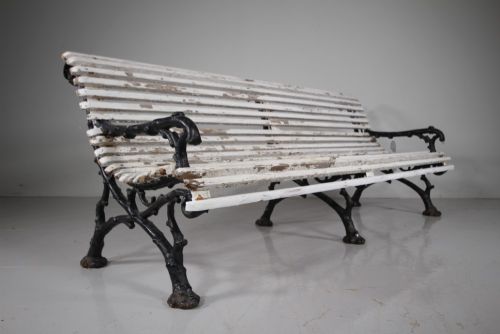
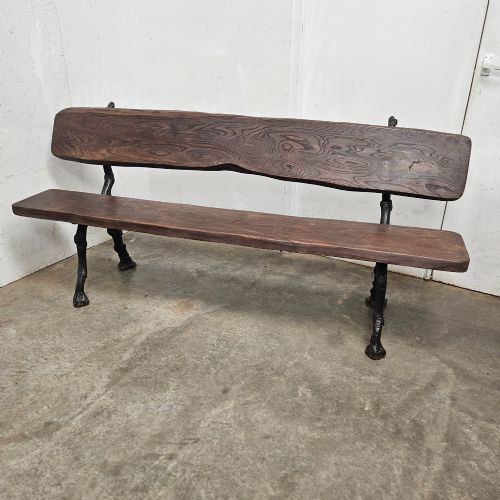
The pieces appearing most frequently span the Victorian, Edwardian and nineteen-thirties periods, utilising materials like cast iron, wrought iron and weathered wood. Forms include traditional slatted benches, Gothic-influenced styles and faux bois patterns.
Origins vary from English workshops to French country makers, with specific examples featuring motifs such as blackberries, leaves and hearts. These outdoor seats function as both practical furniture and sculptural elements within gardens and conservatories.
How they were made
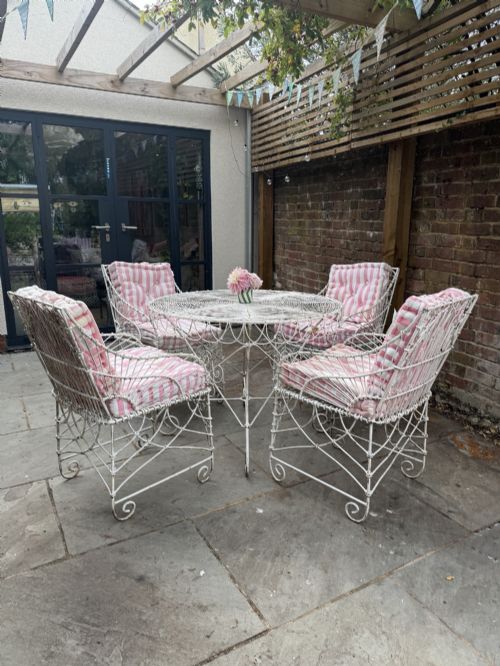
Makers utilised durable metals like cast iron and wrought iron for structural frames, pouring molten iron into sand moulds to create intricate patterns such as strapwork, gothic arches and botanical motifs. These heavy metal components were often painted or left to weather naturally.
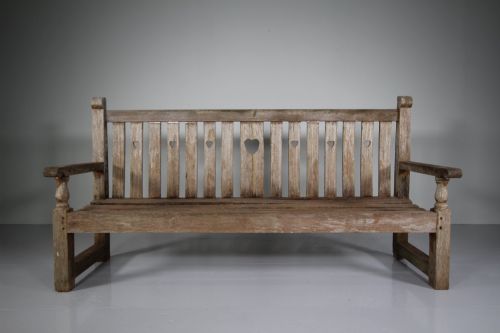
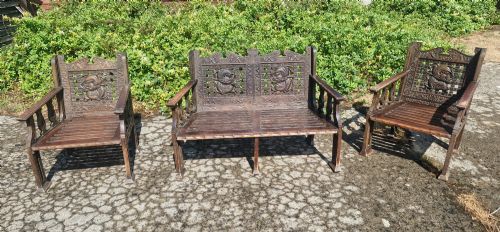
For wooden examples, craftsmen selected timbers including teak, pine, oak and elm, joining slats to robust frames using traditional woodworking joints. Teak was valued for its natural oils, which resisted moisture and decay in outdoor environments.
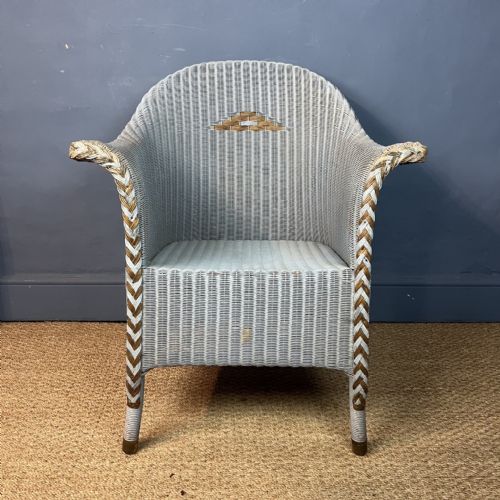
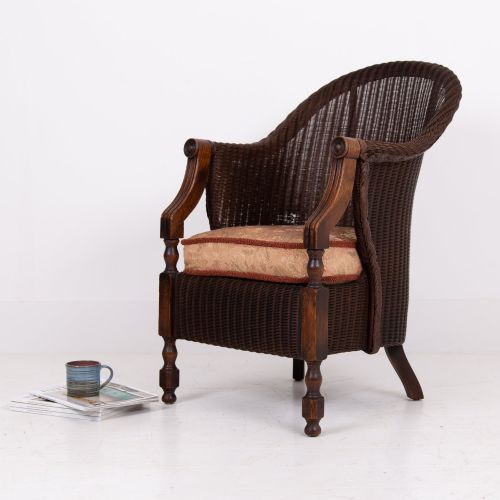
Alternative materials like reconstituted stone, terracotta, cane, rattan and Lloyd Loom appear in related outdoor and conservatory furnishings, constructed through hand-sculpting, casting and weaving techniques suited to their respective mediums.
Current listings feature cast iron, teak and wrought iron garden seats spanning the nineteenth and twentieth centuries.
What varies in quality
Quality in cast iron garden seating depends on the crispness of the casting detail, where superior examples exhibit sharp relief in botanical patterns like blackberry leaves and fern fronds rather than softened outlines. The thickness and weight of the metal frame also indicate the standard of production.
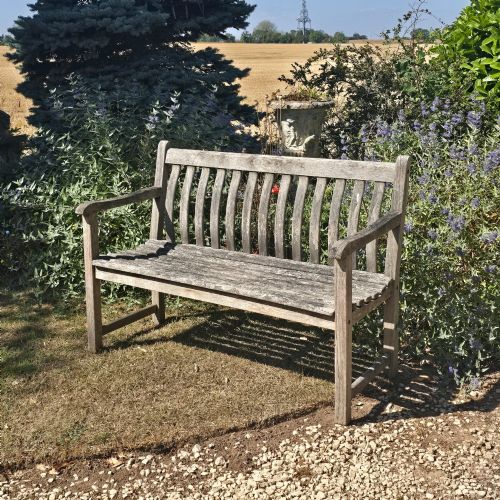
For wooden benches, the grade of timber and the integrity of the joinery determine durability over time. Well-weathered teak with tight grain patterns represents a higher standard of manufacture compared to softer timbers requiring frequent protective treatments.
The provenance and attribution to known foundries or designers elevate the standing of a piece, distinguishing standard utility items from factory-marked productions created by prominent nineteenth-century makers.
Falkirk Carron Foundry·Christopher Dresser·Coalbrookdale·Minton
The Vintage Garden Seat Glossary
- Cast iron
- A hard, brittle alloy of iron and carbon poured into moulds to create intricate outdoor furniture frames. It provides substantial weight and durable outdoor performance.
- Faux bois
- An artistic imitation of wood grain executed in concrete, metal or stone. This technique became popular in nineteenth-century garden furniture design.
- Strapwork
- A decorative motif composed of flat, interlaced bands resembling leather straps. It appears frequently on Regency and nineteenth-century iron garden benches.
- Lloyd Loom
- A patented material made of twisted cellulose paper spun around wire strands and woven into furniture. It gained popularity for conservatory and indoor-outdoor seating.
- Teak
- A dense tropical hardwood containing natural oils that resist weathering and decay. It is a preferred material for durable outdoor garden benches.
Vintage Garden Seat: Frequently Asked Questions
How do I maintain a teak garden bench?
Teak naturally weathers to a silver-grey patina when exposed to outdoor elements, requiring little more than occasional washing to remove surface dirt. Applying oils is optional and serves primarily to preserve the original honey colour rather than protect the wood.
Leaving the timber untreated allows it to age gracefully outdoors without structural compromise. Storing the bench under cover during severe winter weather can further extend its lifespan.
Are cast iron garden seats heavy?
Cast iron garden seats possess considerable weight due to the density of the metal frames, making them remarkably stable outdoors. This heaviness prevents them from tipping in high winds but requires careful planning when placing them on lawns or delicate paving.
Enlisting assistance when moving these pieces prevents damage to both the furniture and the surrounding garden landscape. Their substantial nature ensures they remain stationary without permanent anchoring.
How do I identify a Victorian garden bench?
Victorian garden benches often feature heavy cast iron frames decorated with naturalistic motifs such as ferns, vines, blackberry leaves and Gothic arches. Foundry marks, registration numbers or design stamps cast into the metal provide definitive clues to their period of origin.
The presence of slatted timber seats secured to ornate metal ends is a hallmark of this era. Construction techniques and the weathering of the materials further corroborate nineteenth-century dating.