
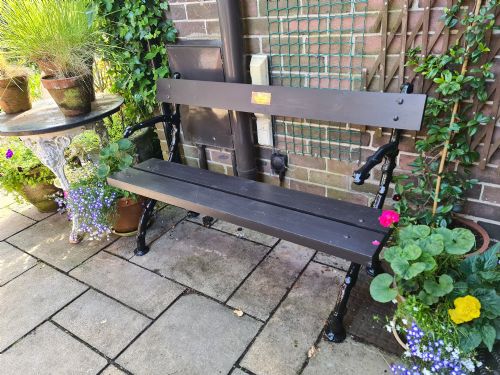
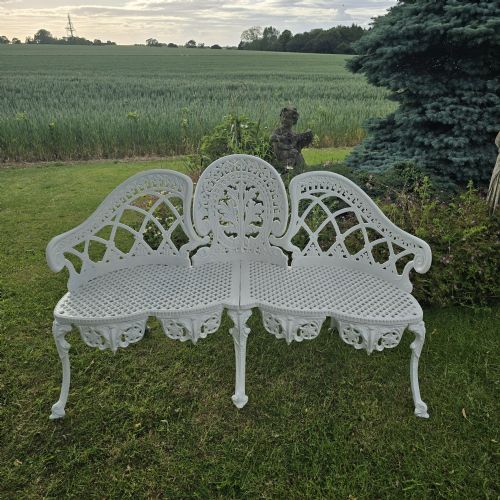
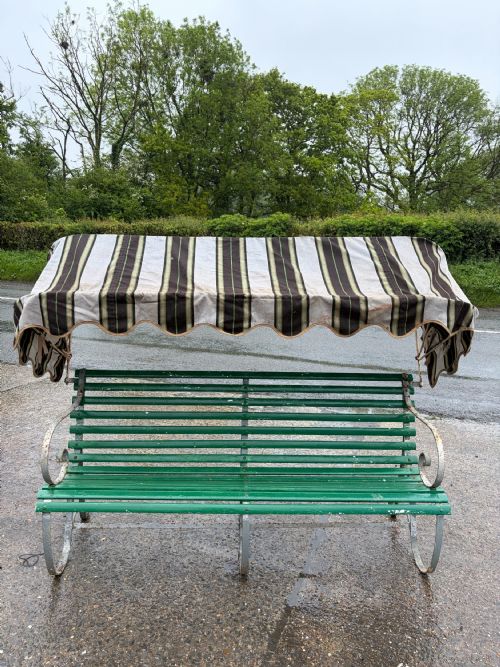
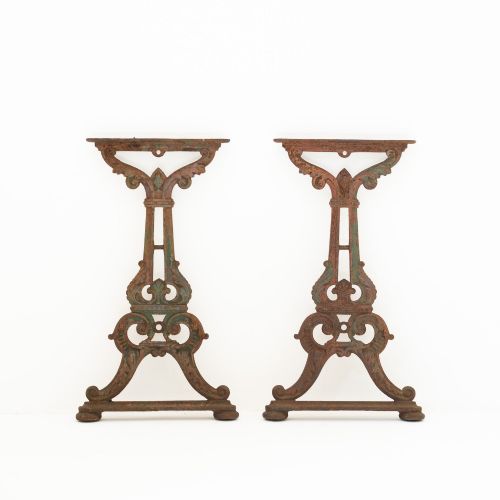
Cast Iron Bench
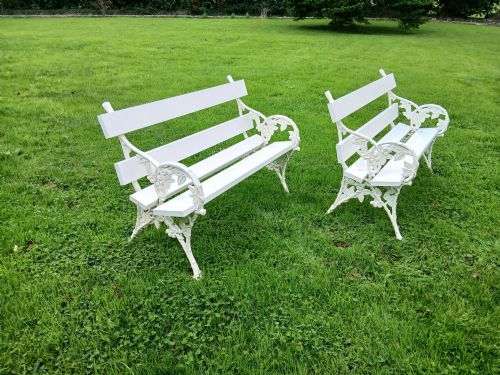
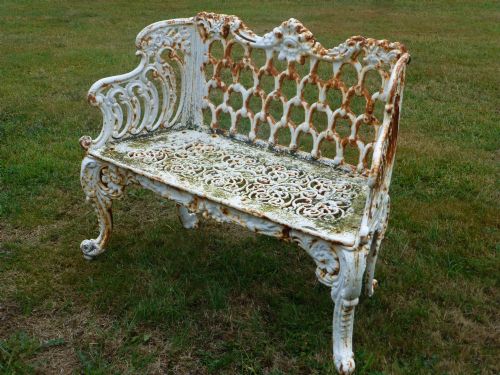
A cast iron bench brings sculptural permanence and ornate botanical motifs to an outdoor terrace or garden path.
Cast Iron Bench
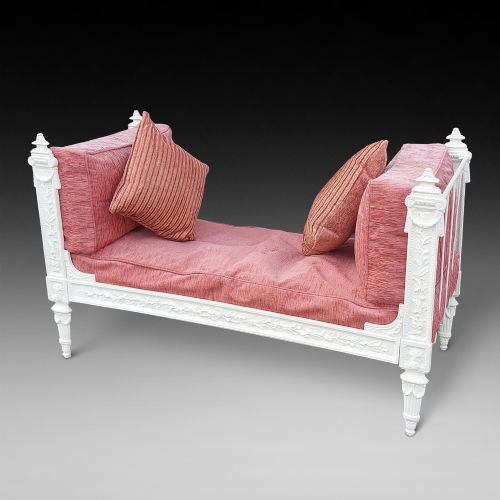
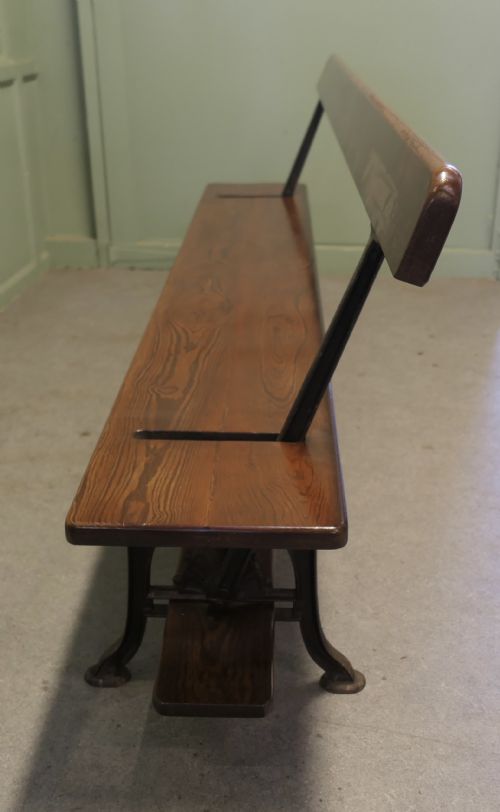
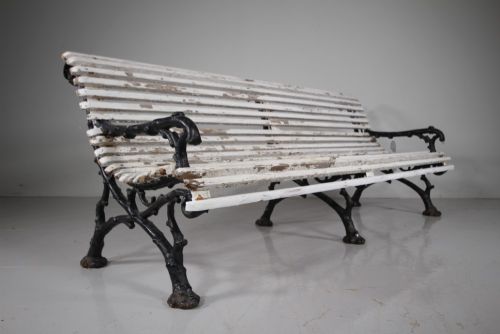
A cast iron bench spans heavy 19th century garden seating, railway station platforms, and park lawns, with Victorian examples dominating the selection.
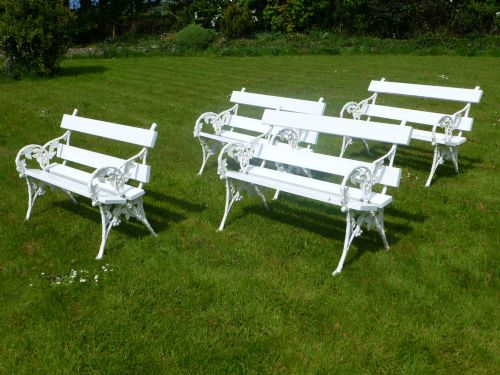
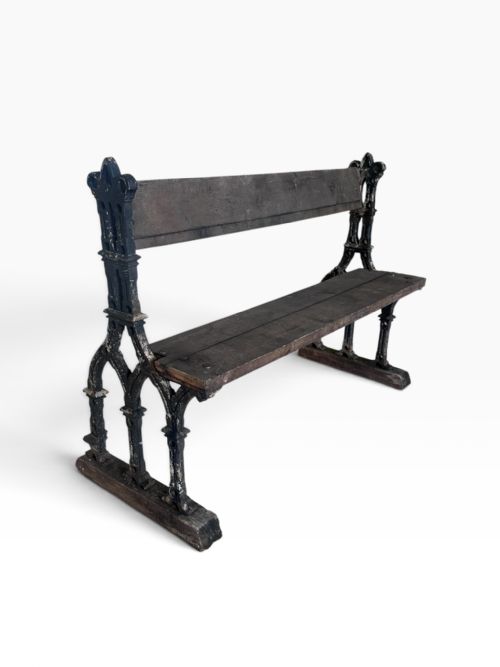
Buyers encounter distinct patterns such as the blackberry and leaf design, faux bois, and Gothic arches, alongside complete sets or individual bench ends.
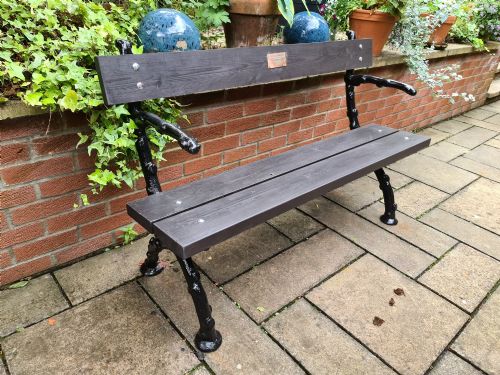
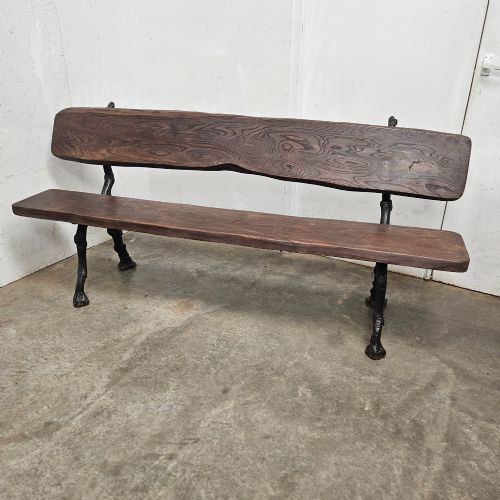
Most pieces pair metal frameworks with timber slats, while others utilise entirely cast metal construction for both ends and backs.
Materials and Technique
Foundries poured molten iron into sand moulds to create intricate openwork scrollwork, animal motifs, and structural bench ends.
Carpenters fitted seasoned hardwoods like oak, pitch pine, or teak to the metal supports using bolts, creating durable slatted seats designed for external exposure.
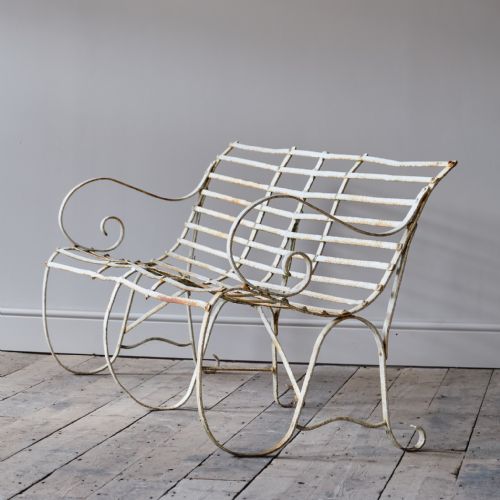
Protective layers of paint historically preserved the metal from oxidation, while wrought iron components added structural rigidity where required.
Cast Iron Bench Retail Price Guide 2026
Typical asking prices for cast iron bench among the pieces listed under this phrase on Sellingantiques today, from the lower quarter to the upper quarter. They describe what is for sale here now, not the wider market.
Some Victorian railway benches feature a clever flip-over backrest so passengers could face whichever direction the locomotive travelled.
Markers of Distinction
The integrity of the metalwork separates ordinary production from notable foundry work, as finer pieces display clean seams and heavier section thickness without warping.
The relationship between the original cast iron frames and the timber slats dictates authenticity, with period wood or accurate timber replacements maintaining the historical balance of the piece.
Falkirk Carron Foundry·Coalbrookdale·Val D'osne·Bayliss Jones Wolverhampton·John Finch
The Cast Iron Bench Glossary
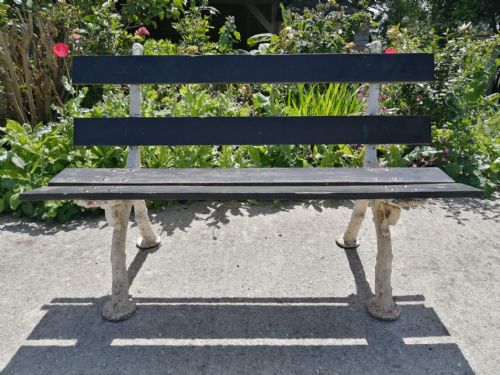
- Faux bois
- A decorative technique mimicking natural wood grain in cast iron or concrete. This rustic style was particularly popular during the Victorian period for garden furniture.
- Bench ends
- The structural cast iron side supports that form the arms and legs of a slatted seat. These often bear foundry stamps or registration marks.
- Strap work
- Flat strips of iron riveted or banded together in geometric patterns. This technique provides robust bracing for industrial and garden seating.
- Foundry
- A factory that produces metal castings by pouring molten material into moulds. Renowned makers operated large industrial works in Britain and France.
Cast Iron Bench: Frequently Asked Questions
How do I protect a cast iron bench outdoors?
Keep the metal coated with suitable exterior paint to prevent rust formation, and store wooden slats under cover during severe winter weather.
Inspect the joints regularly to ensure fixings remain tight against the expansion and contraction caused by seasonal temperature changes.
Are these benches suitable for year round garden use?
The heavy mass of iron prevents the seating from shifting in high winds, making them exceptionally stable permanent garden fixtures.
Ensure the feet rest on firm paving or gravel rather than directly on damp soil to minimise moisture transfer into the base.
How can I identify a Coalbrookdale bench?
Look for crisp casting details, naturalistic botanical motifs like ferns and blackberries, and occasionally a diamond registration mark or factory stamp.
Many pieces lack visible foundry marks, requiring stylistic comparison with known catalogued designs from the manufacturer.
Can I replace damaged wooden slats safely?
New hardwood slats can be cut to match the exact profile and thickness of the original timber components using traditional templates.
Retain the original cast iron framework while renewing the wooden elements to maintain the structural safety and historical appearance of the seat.