


Victorian Pine Bench
When you search for a victorian pine bench, you step into an honest world of sturdy timber seating shaped by everyday domestic, church and rural life.
Victorian Pine Bench
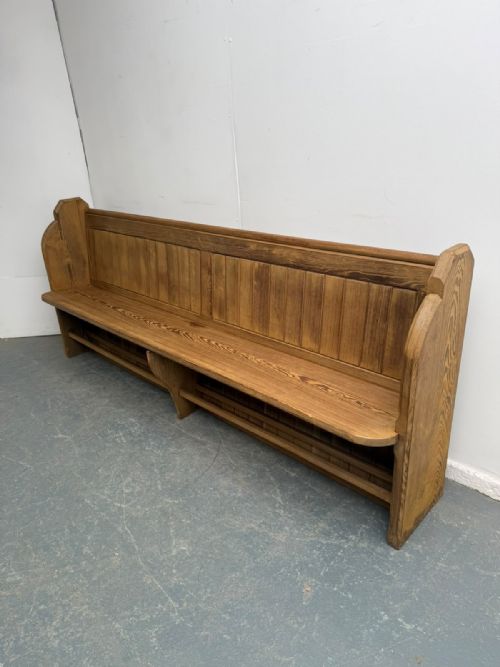
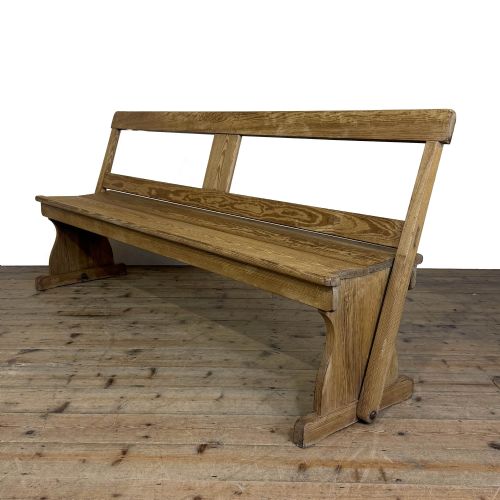
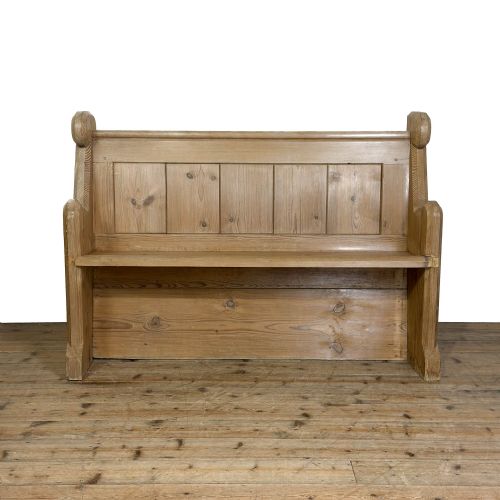
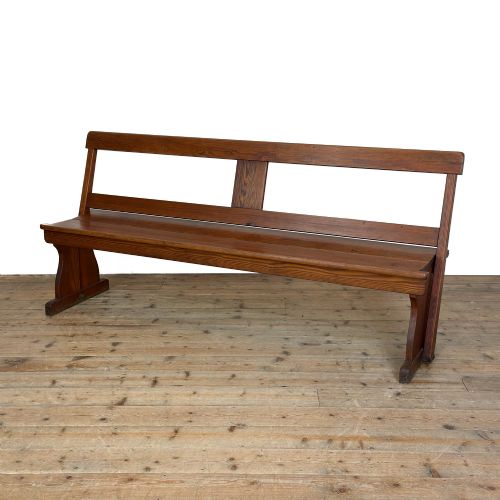
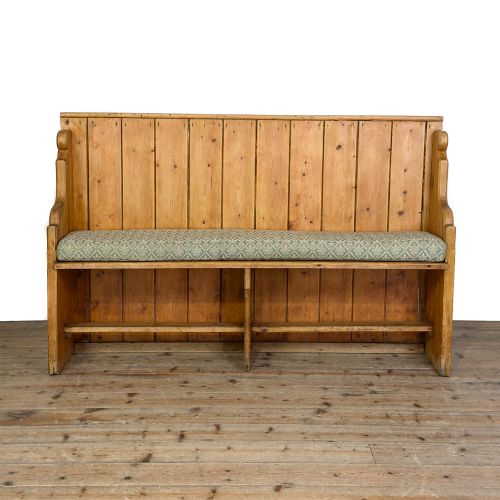
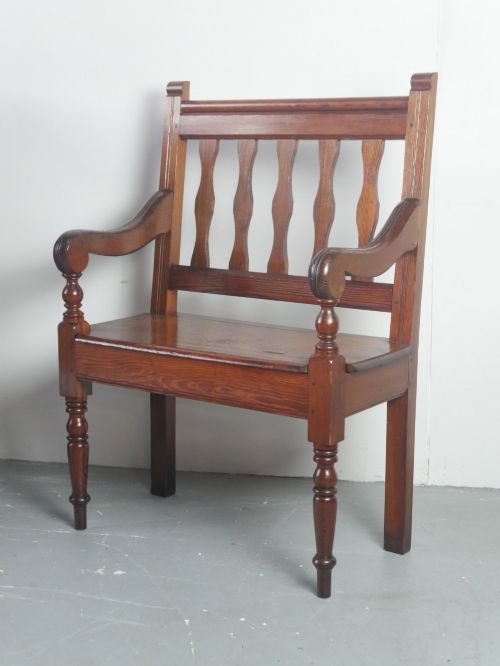
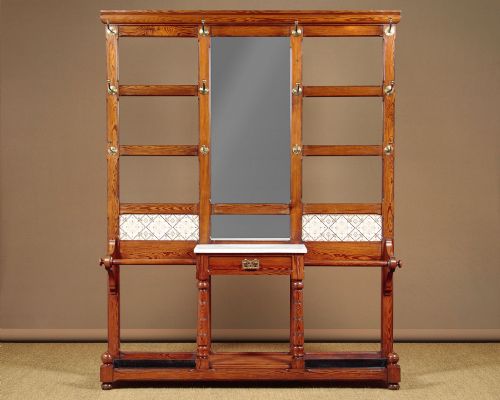
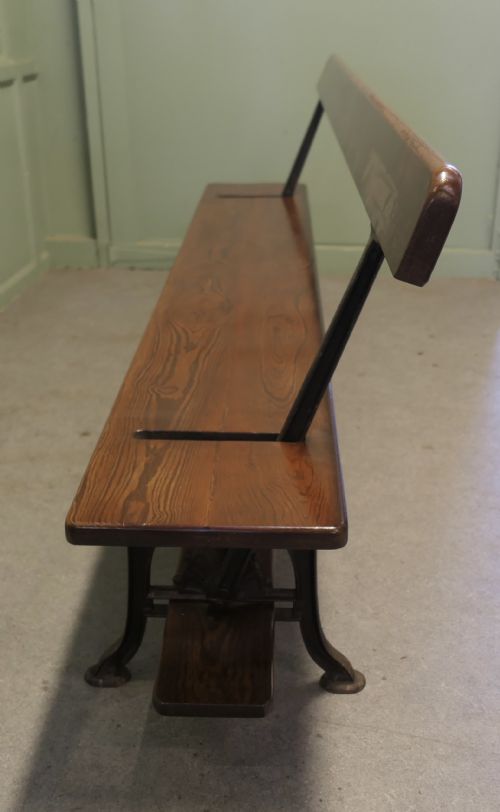
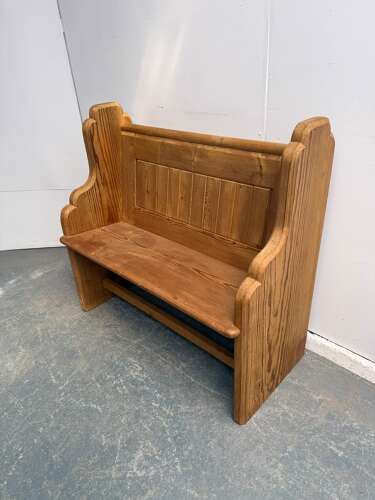
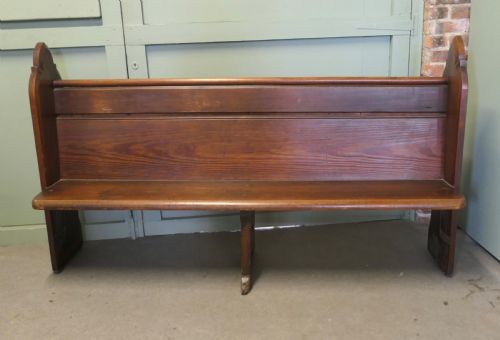
A victorian pine bench covers a remarkably broad family of seating, stretching from simple hallway settles and tavern benches to ecclesiastical church pews and school benches.
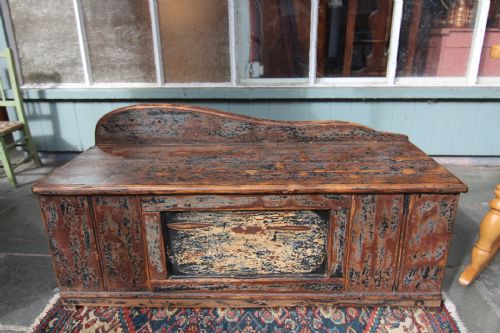
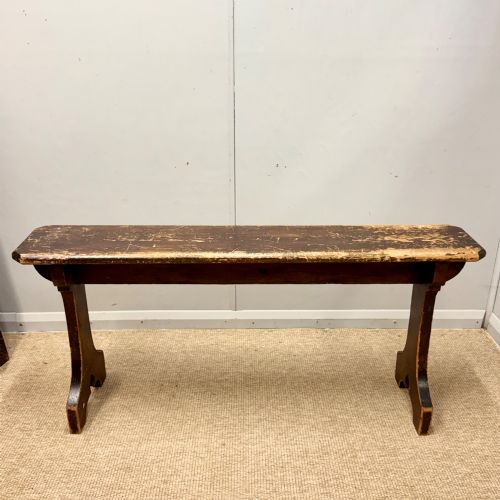
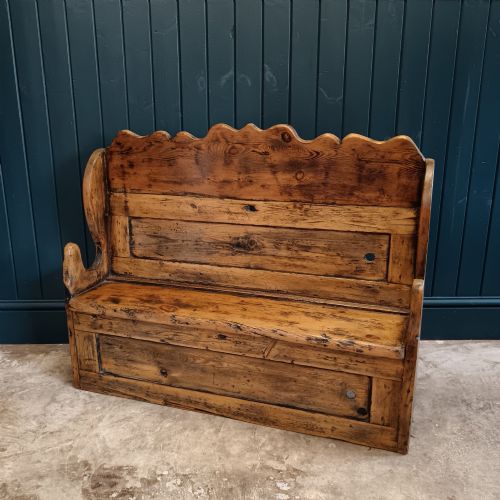
Buyers most frequently encounter long church pews and regional Hungarian box settles on this page, alongside slim hallway benches designed for narrow spaces.
The materials and forms reflect practical origins, whether built for public congregation, rural farmhouses or communal institutions during the nineteenth century.
Materials and construction
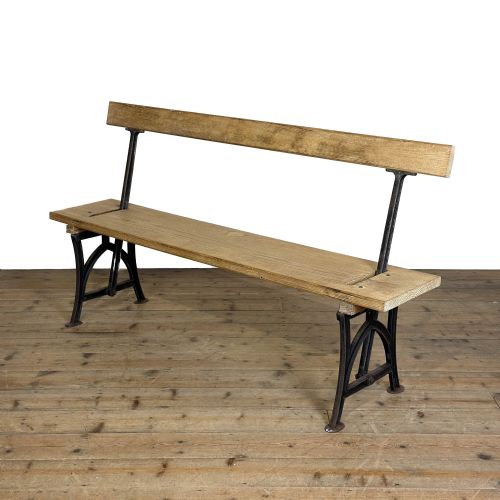
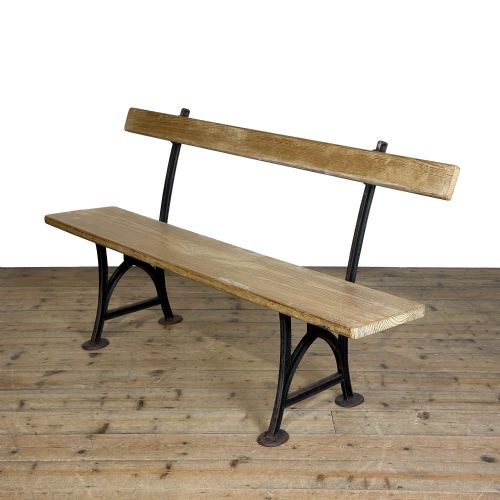
Makers relied primarily on standard pine and denser pitch pine, frequently combining solid timber boards with iron brackets, cast iron supports or elm elements for structural strength.
Surfaces display a direct record of their working history, surviving either through layers of original paint such as blue, green and cream, or finished in traditional wax.
Joinery methods prioritize utility, utilising panelled backs, hinged box seats for storage, and occasionally clever reversible or flip-over mechanisms for multi-way seating.
Victorian Pine Bench Retail Price Guide 2026
Typical asking prices for victorian pine bench among the pieces listed under this phrase on Sellingantiques today, from the lower quarter to the upper quarter. They describe what is for sale here now, not the wider market.
Assessing quality and character
Quality rests in the integrity of the timber, the depth of patination accumulated through decades of use, and whether a piece retains its original painted or waxed surface rather than later stripping.
Finer examples show thoughtful proportion, such as slender dimensions for hallways or integrated box storage with working hinges, distinguishing them from purely utilitarian workshop survivors.
The Victorian Pine Bench Glossary
- Settle
- A wooden bench with a high back, solid arms and often a box seat compartment beneath. This traditional form provided protection against draughts in domestic hallways and public taverns.
- Pitch pine
- A resinous North American pine variety valued for its durability and strong grain pattern. Victorian makers frequently utilised this heavier timber for heavy-use pews and institutional benches.
- Box settle
- A form featuring a hinged seat opening to reveal a storage compartment. These dual-purpose pieces served practical storage needs in rural farmhouses.
- Pew
- A long wooden bench traditionally fixed in churches or chapels. Many surviving examples transitioned from ecclesiastical settings into domestic hallways and kitchens.
- Monks bench
- A convertible piece of furniture functioning as both a bench and a table. The hinged back folds down flat over the arms to form a tabletop surface.
Victorian Pine Bench: Frequently Asked Questions
Where did these benches originate?
These benches emerged from a variety of nineteenth-century settings including rural farmhouses, village churches, schools, and railway stations.
Many pieces reflect regional styles from across Britain and Europe, notably painted Hungarian examples and English institutional seating.
How were box settles used?
Box settles provided both seating and concealed storage within busy domestic or communal environments.
The hinged seat allowed blankets, boots, or household goods to be tucked away out of sight.
Are these benches comfortable?
Comfort varies depending on the original function, as church pews and hallway benches were built primarily for upright posture.
Many owners soften the timber seats by adding loose cushions or squabs for everyday living.
How do I identify the finish?
Surfaces generally divide between traditional wax polish and historic layers of painted decoration in colours like blue, green, cream, or black.
Original paint finishes show natural wear and ageing that accumulated through decades of active service.