


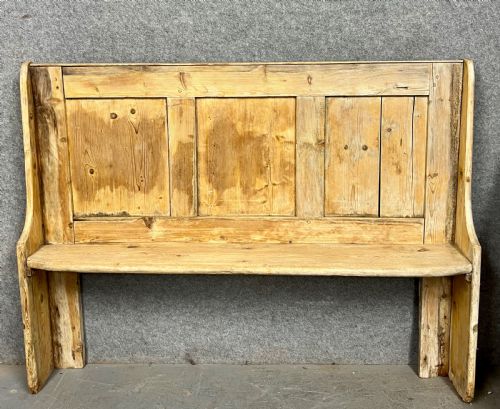


Natural Pine Bench
A natural pine bench brings honest utility and warmth to a room, offering practical seating shaped by generations of everyday use.
Natural Pine Bench
When you search for natural pine bench, you encounter sturdy seating created for functional spaces like country houses, schools, and chapels. These pieces span from the early nineteenth century into the early twentieth century, reflecting practical craftsmanship across various European and English traditions.
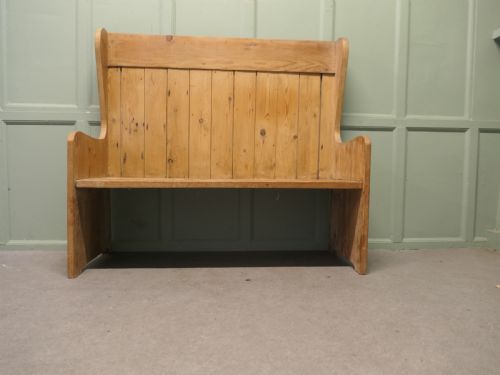
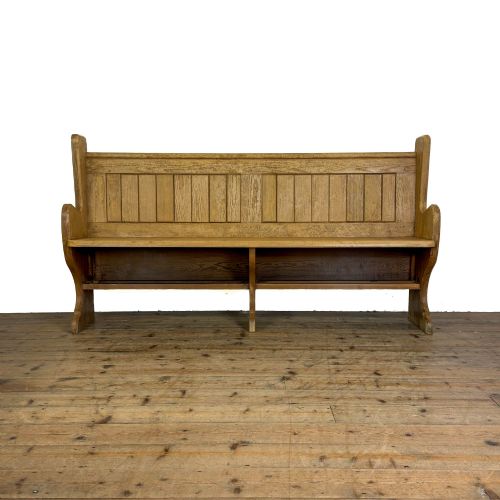
The selections available here range from high back settle designs and chapel pews to long school benches and workshop seating. Many pieces display rustic country or provincial styles, prioritising straightforward construction and durable materials over decorative flourish.
Materials and Construction
The primary material across these pieces is solid timber, specifically pine and pitch pine, occasionally paired with sycamore or iron components. Artisans utilised robust boards and straightforward joinery to build furniture intended to withstand heavy, daily demands in homes, pubs, and institutions.
Surfaces often show the marks of age and utility, sometimes retaining traces of early paint or scrubbed finishes. The construction relies on simple structural forms designed for stability and endurance rather than intricate ornamentation.
Natural Pine Bench Retail Price Guide 2026
Typical asking prices for natural pine bench among the pieces listed under this phrase on Sellingantiques today, from the lower quarter to the upper quarter. They describe what is for sale here now, not the wider market.
Some nineteenth century pine benches served unusual roles, including specialised veterinary tasks and workshop prep.
Evaluating Quality and Character
Quality in these items lies in the integrity of the original construction and the character earned through decades of genuine service. Finer examples retain their original structural proportions and honest surface patination without excessive modern intervention.
The distinction between standard utility items and more desirable pieces often rests on the uniqueness of the form, such as high backs, clever flip mechanisms, or specific regional proportions found in French and Swedish examples.
The Natural Pine Bench Glossary
- Settle
- A wooden bench with a high back, solid arms, and often a storage box beneath the seat. This form protected sitters from draughts in older interiors.
- Pew
- Long bench seating traditionally found in churches and chapels. They are typically constructed with straight backs and simple panel ends.
- Scrubbed
- A finish achieved through repeated vigorous washing of wooden surfaces with soap and water, leaving a pale, clean texture.
- Pitch Pine
- A dense, resinous variety of pine known for its durability and strong grain pattern. It was frequently used for institutional and heavy-duty furniture.
- Primitive
- A term describing furniture made with basic tools and straightforward methods, often outside mainstream stylistic conventions.
Natural Pine Bench: Frequently Asked Questions
Where did these benches originate?
The pieces originate from various domestic, institutional, and workshop settings across England, France, and Sweden.
They reflect the regional vernacular and practical seating needs of nineteenth and early twentieth century life.
How do I care for a pine bench?
Maintain the wood by dusting with a dry cloth and avoiding excessive moisture or direct heat sources.
Wax can be applied sparingly to nourish dry timber while preserving the natural surface character.
Are these benches sturdy enough for daily use?
Most pieces were originally built for heavy communal use in schools, pubs, and country houses.
Their solid pine construction generally provides robust support suitable for everyday seating.
How can I tell the period of a pine bench?
Dating relies on examining construction methods, tool marks, joinery styles, and the natural ageing of the timber.
Design characteristics such as high backs or integrated storage compartments also offer clues to the era.