

Pair of Benches
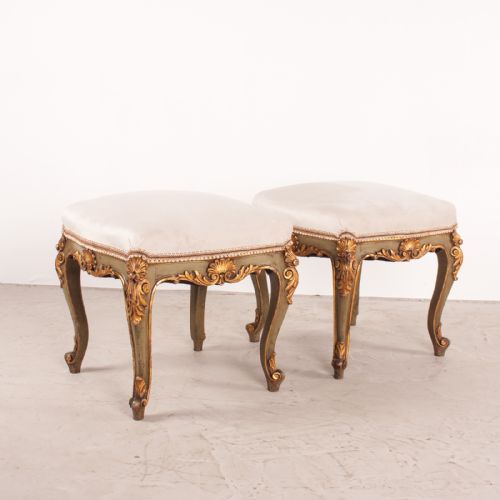
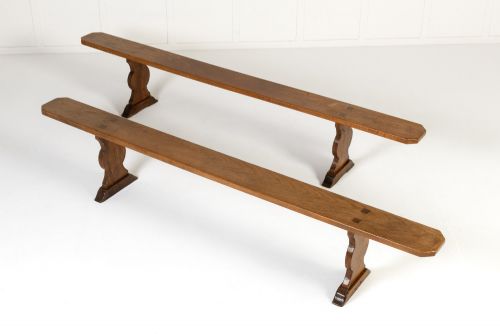
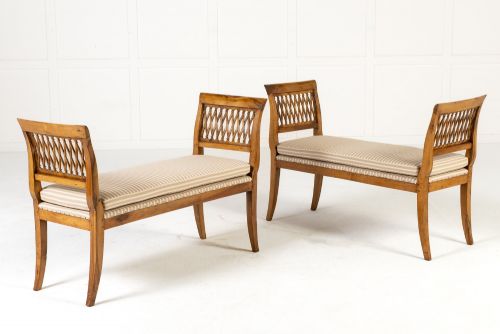
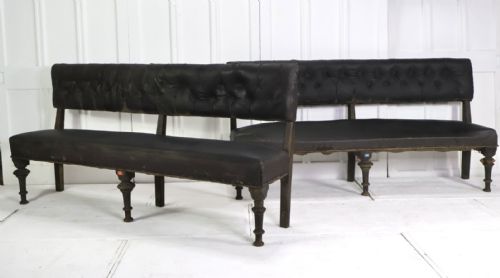
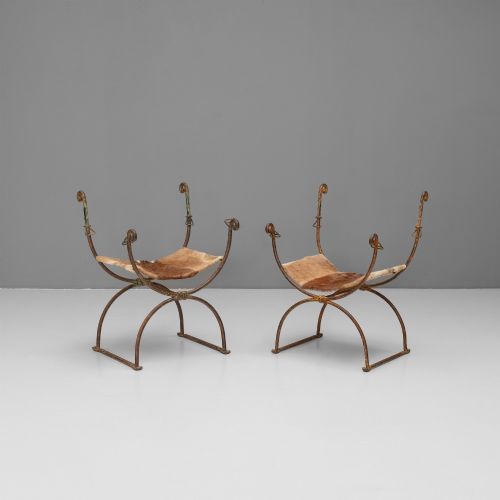
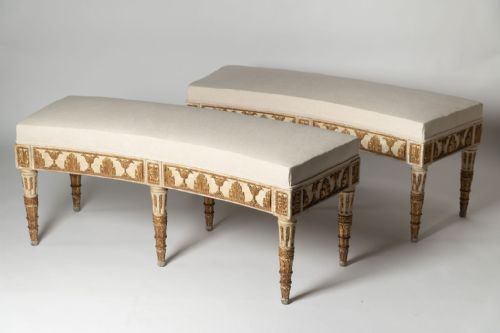
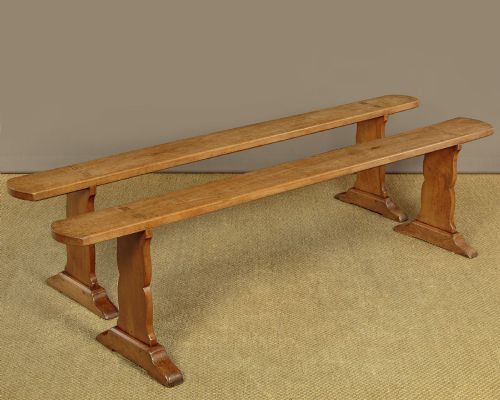
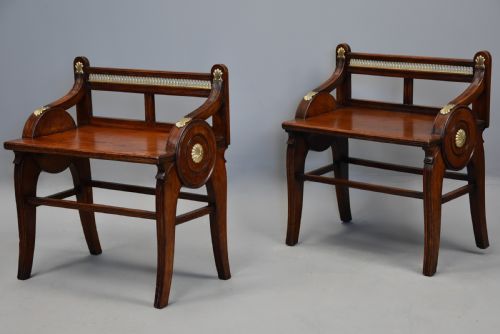
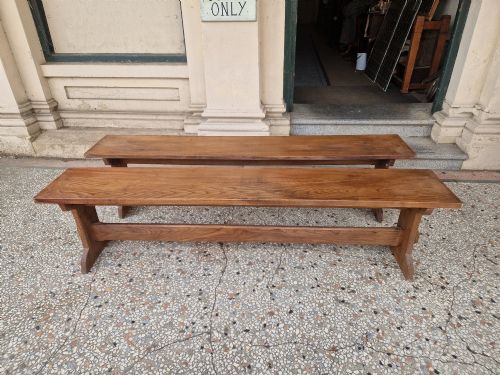
These pair of benches offer matching seating crafted in oak, mahogany, pine, and cherry across various historic periods.
What a pair of benches entails
A pair of benches provides symmetrical seating solutions discovered primarily in nineteenth century and early twentieth century examples. You will encounter forms ranging from rustic country school and kitchen seating to formal Regency library and dining variations.
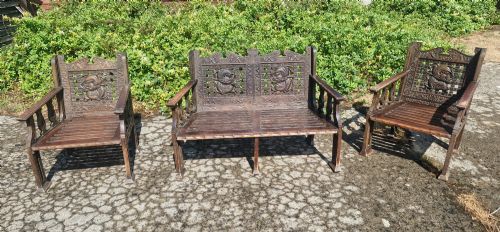
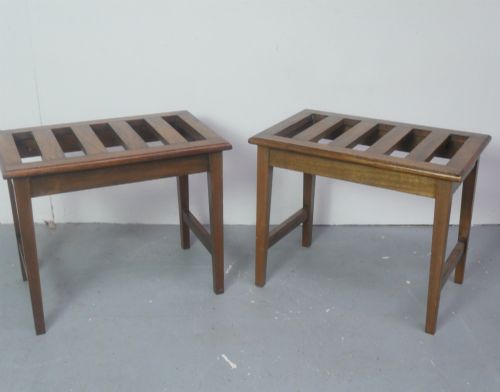
The evidence shows diverse regional origins, including French provincial cherrywood and oak alongside British pine and hardwood pieces. These matched sets suit large tables, hallways, and gardens depending on their timber and construction.
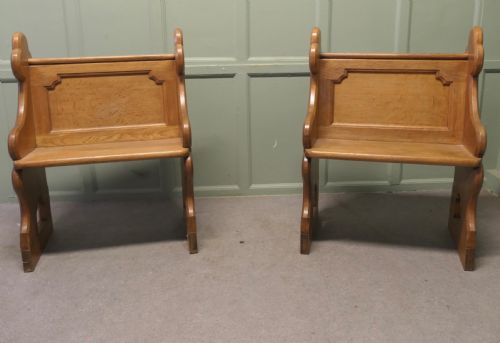
Victorian industrial and Gothic Revival styles appear alongside simpler utilitarian forms designed for schools or kitchens. Buyers select these pairs to create balanced seating arrangements in substantial dining spaces or hallways.
Materials and construction methods
Cabinetmakers utilised solid timbers including oak, mahogany, cherry, walnut, fruitwood, and pine. Hardwoods provided structural strength for long school and refectory seating, while softer woods served provincial kitchen and garden requirements.
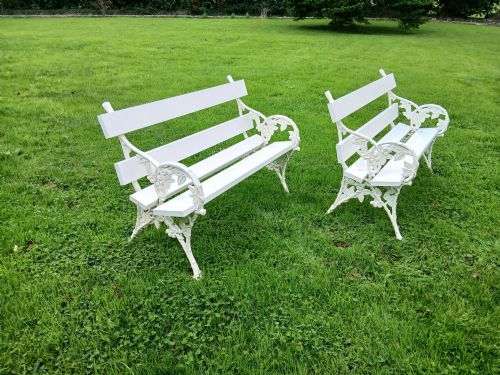
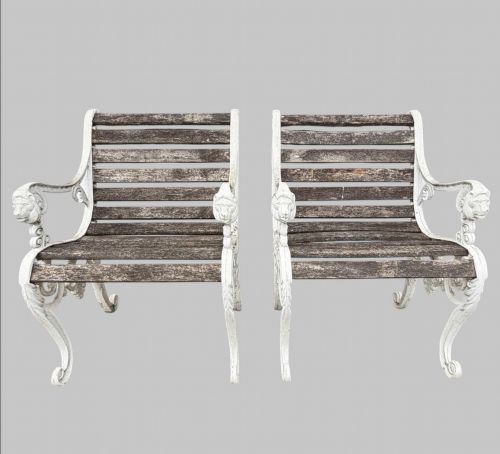
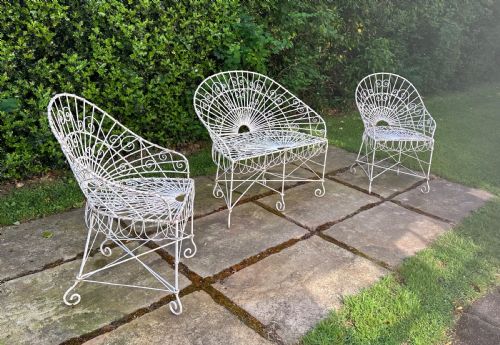
Construction techniques include traditional joinery alongside cast iron and wrought iron frames found on garden variations. Leather upholstery appears on refined Regency framing, and brass accents complete select formal pieces.
Retail Price Guide 2026
Typical UK retail prices for pair of benches, calculated from the Sellingantiques database of over a million retail prices indexed since 2003. This retail price guide relies exclusively on Sellingantiques data; no external sources or auction records are used, so the figures do not describe the wider market.
Flip over pitch pine mechanisms let one bench turn into something entirely different before tea.
Distinctions in quality
Quality rests in the selection of timber, where dense figured mahogany or richly patinated oak elevate a piece above standard utilitarian pine. Fine cabinetmaking displays in fluted legs and disciplined proportion rather than mere utility.
The integrity of the structural frame dictates the longevity of longer examples, particularly school and refectory formats subjected to heavy use. Maker attribution, such as work by Jas Shoolbred, further distinguishes exceptional items from anonymous workshop production.
Jas Shoolbred
The Pair of Benches Glossary
- Refectory bench
- A long, sturdy bench traditionally used alongside a refectory dining table. These typically feature heavy timber construction designed for communal dining.
- Hall bench
- A decorative seating piece intended for an entrance hall. They often incorporate panelled backs or storage elements.
- Trestle bench
- A form supported by trestle feet rather than four independent legs. This design provides stability across extended lengths.
- Gothic Revival
- A nineteenth century style emulating medieval architecture and ornamentation. Pieces display pointed arches, tracery, and heavy proportions.
- Regency
- An early nineteenth century style characterised by classical restraint and elegance. Furniture often incorporates mahogany framing and decorative elements like fluted legs.
Frequently Asked Questions
Where should I place a pair of benches?
These matched sets function effectively alongside large dining tables or down long hallways and corridors.
Shorter variants also suit bedroom ends or garden settings depending on their timber and weather resistance.
How do I identify Victorian examples?
Victorian pieces often display dense oak construction, Gothic Revival motifs, or deep seats designed for institutional or domestic dining.
Examining the underside and timber patination helps confirm nineteenth century origin.
Are these benches suitable for daily dining?
Many historical examples served utilitarian roles in kitchens, schools, and refectories, making them robust for regular use.
Longer hardwood variants provide stable seating for modern dining tables.
What woods are most common?
Oak and pine appear frequently in British school, kitchen, and refectory pieces from the nineteenth century.
French provincial examples frequently utilise cherrywood, fruitwood, and walnut.