

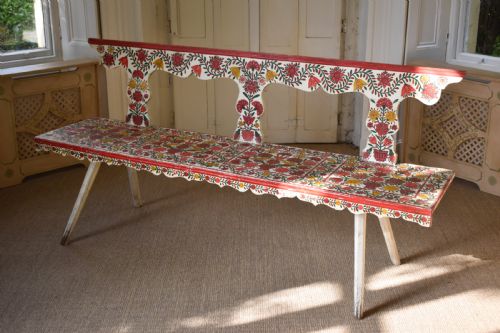
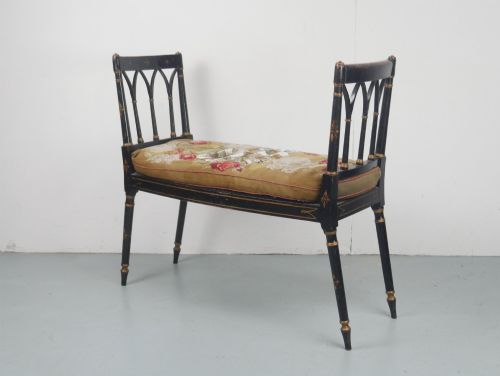
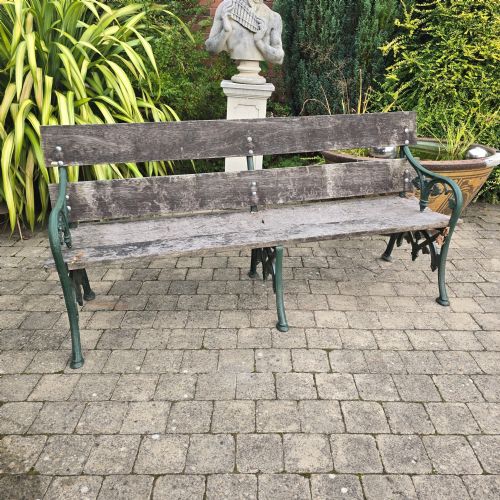
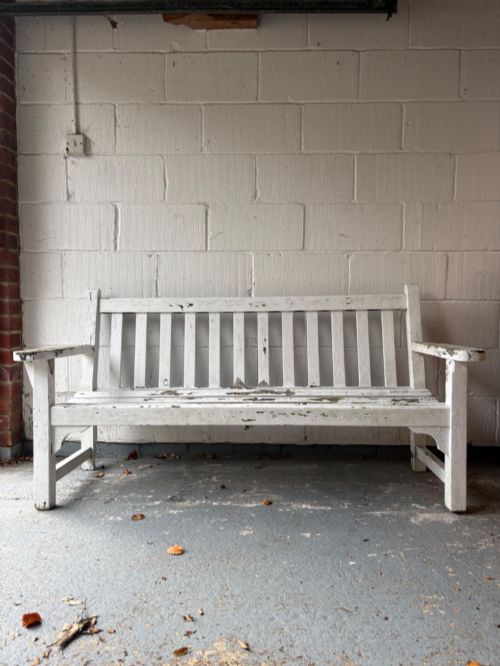
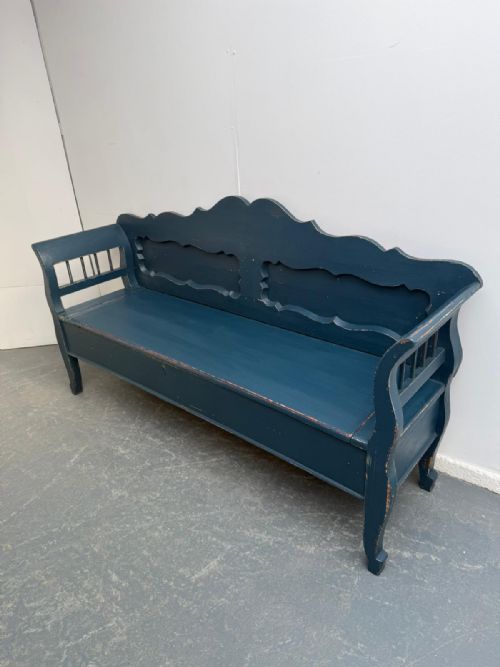


Painted Timber Bench
A painted timber bench brings enduring country character and practical seating to an interior or garden.
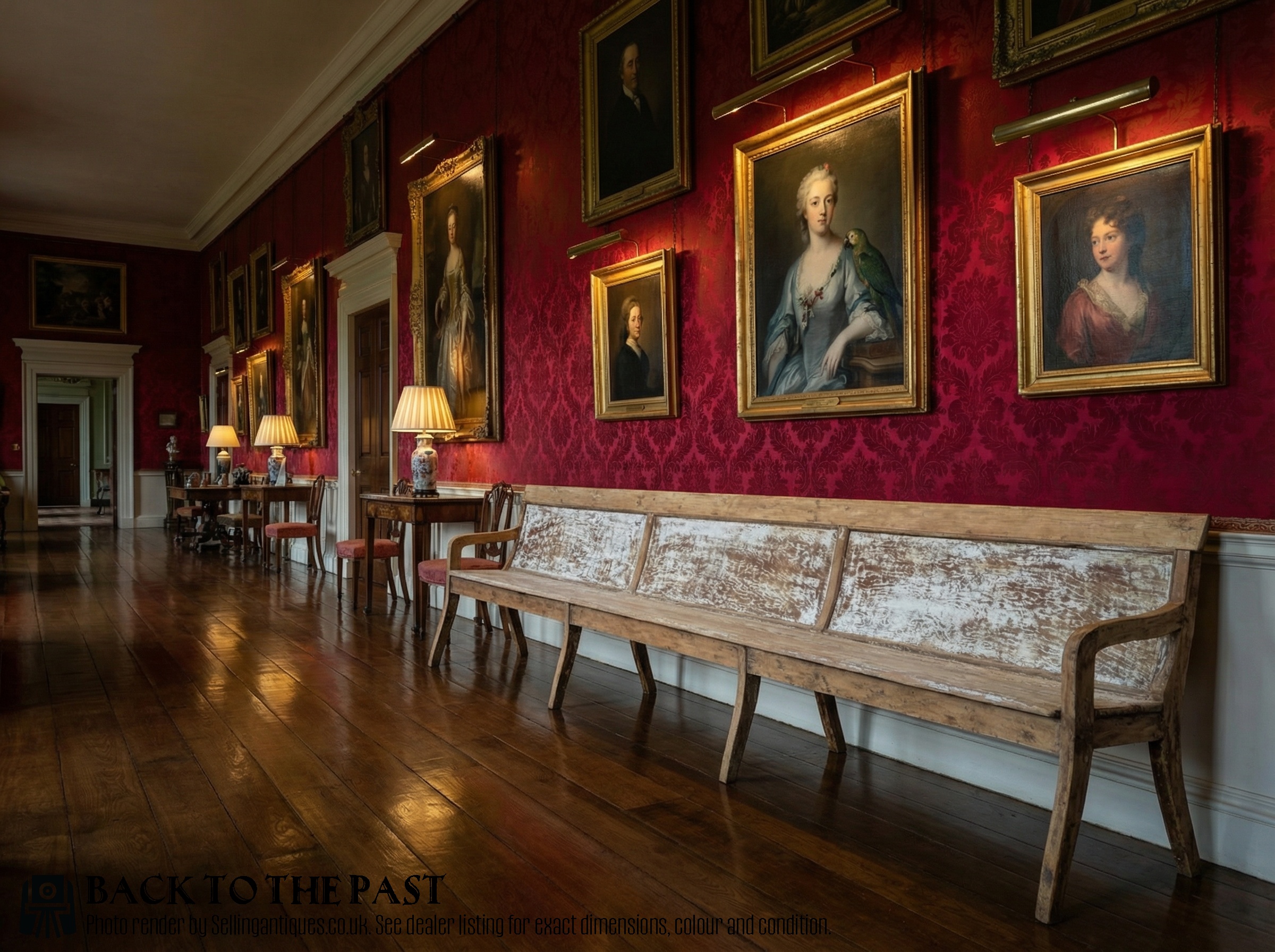
Painted Timber Bench
When you search for a painted timber bench, you encounter diverse seating forms ranging from robust garden furniture to high-backed tavern settles and delicate daybeds. The selection spans distinct eras including the Georgian period, the nineteenth century, and the Edwardian epoch, with regional variations from England, France, Sweden, and Austria.
Materials and construction methods
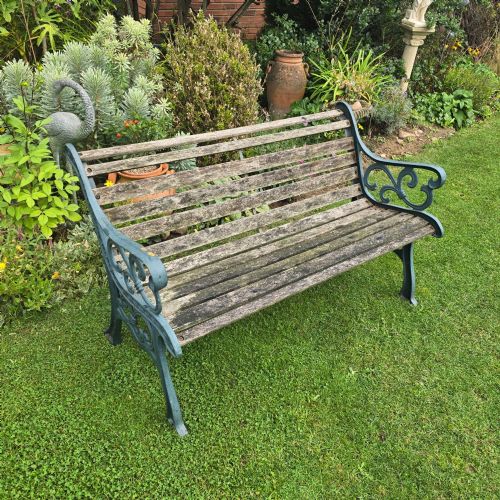
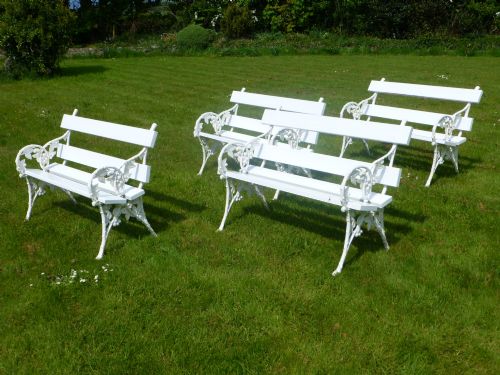
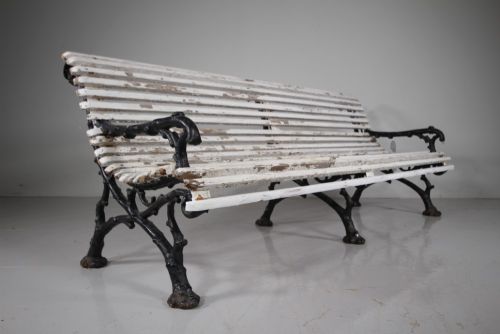
Makers utilised pine and general timber as the primary body materials, frequently pairing wooden frames with cast iron components on robust outdoor seating. Surface treatment relies on applied paint layers, ranging from simple protective coats to folk art polychrome schemes and original ochre, green, or blue pigments.
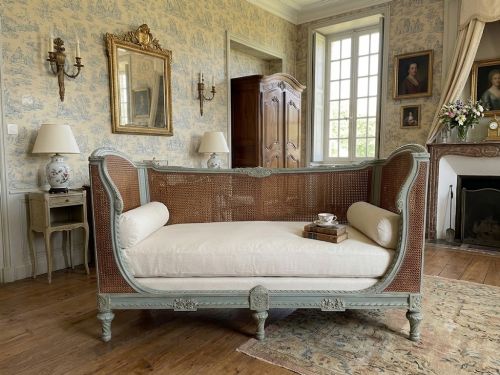
Structural joinery varies from utilitarian scratch built country construction to more formal styles like Louis XVI. Additional elements such as cane inserts, linen upholstery, and carved details appear across specific regional daybeds, stools, and settees.
Painted Timber Bench Retail Price Guide 2026
Typical asking prices for painted timber bench among the pieces listed under this phrase on Sellingantiques today, from the lower quarter to the upper quarter. They describe what is for sale here now, not the wider market.
Railway station benches carry distant platform echoes into modern hallways, having spent decades enduring endless farewells.
Assessing quality and character
Quality in a painted timber bench rests upon the integrity of the original surface paint and the honesty of the timber construction. Pieces retaining their early or original pigment, whether weathered exterior paint or vibrant interior ochre and blue, hold greater visual appeal.
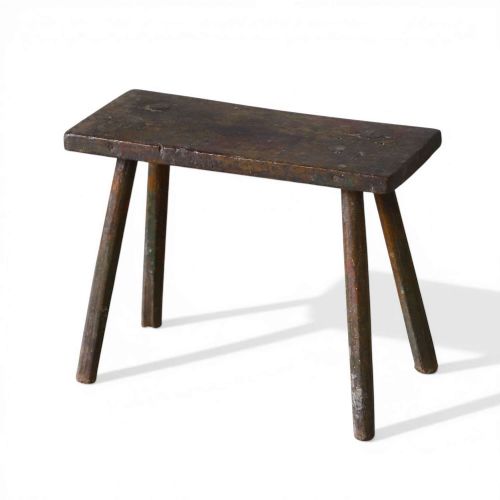
Proportion and structural survival also dictate distinction, separating simple utilitarian stools from substantial high-backed settles and decorative railway or garden seating. The harmony between the maker's regional vernacular and the remaining finish determines the piece's standing.
Falkirk foundry
The Painted Timber Bench Glossary
- Settle bench
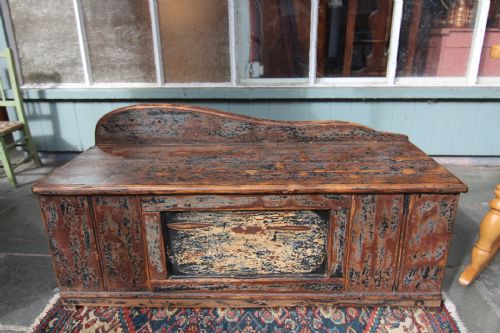
- A wooden bench featuring a high back to block draughts, often incorporating a box seat beneath the hinged lid for storage. These items served functional roles in taverns and domestic halls.
- Polychrome
- Decoration utilising multiple colours on a single surface. This technique frequently appears in folk art pieces and specific regional seating.
- Canapé
- A French term for an ornamental sofa or settee. Versions may incorporate painted frames and cane panels.
- Milking stool
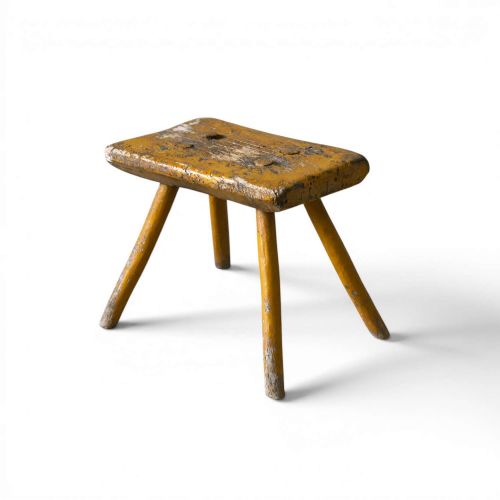
- A small, portable three-legged seat traditionally used by agricultural workers. Surviving examples often display traces of early or original paint.
Painted Timber Bench: Frequently Asked Questions
What is a painted timber bench?
A painted timber bench is a wooden seating structure finished with a decorative or protective coat of paint. These items include garden furniture, settle benches, and indoor seating from various European regions.
They combine utilitarian function with regional decorative styles, often displaying historical painted surfaces that reflect their period of origin.
Where were settle benches used?
Settle benches traditionally stood in domestic halls, farmhouses, and public taverns. Their high backs and solid sides provided shelter from cold draughts near hearths.
Many designs also included enclosed box seats underneath the bench top for storing household goods or provisions.
How do I care for original paint?
Preserving original paint requires keeping the piece away from direct sunlight, excessive moisture, and rapid temperature fluctuations. Dust gently with a dry, soft cloth rather than using liquid cleaners.
Avoiding harsh chemical polishes ensures the historic pigment remains stable and intact on the timber surface.
How do I identify the period?
Dating a painted timber bench involves examining construction techniques, joinery methods, and the wear patterns of the wood and paint. Regional styles and fastener types often point toward specific decades like the nineteenth century or earlier eras.
Comparing the form with documented examples from English, Scandinavian, or Central European traditions aids in closer attribution.