




Nineteenth Century Bench
A nineteenth century bench brings genuine period character to a room, offering practical seating shaped by diverse regional traditions and materials.
Nineteenth Century Bench
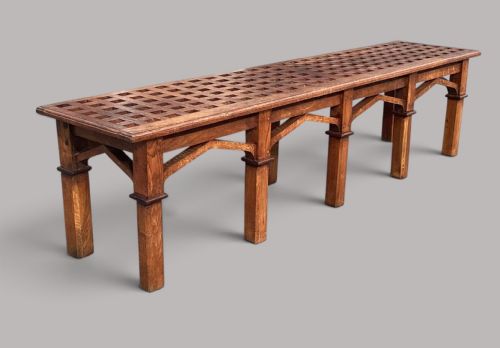
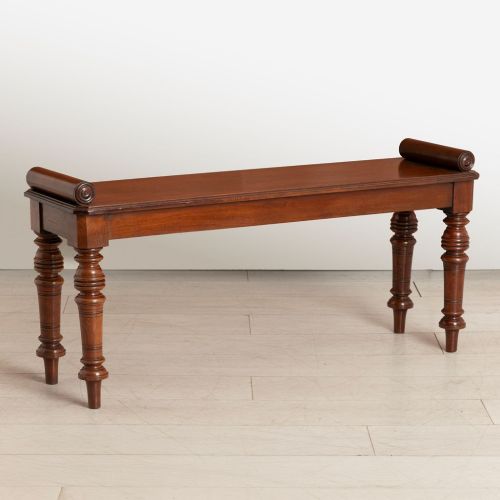
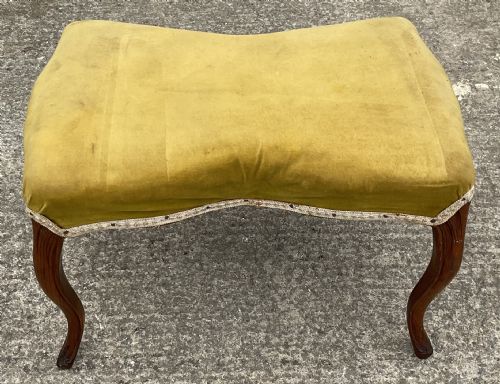
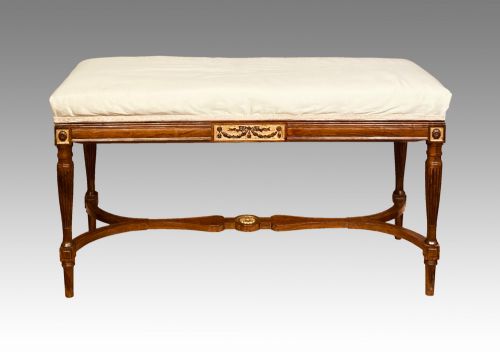
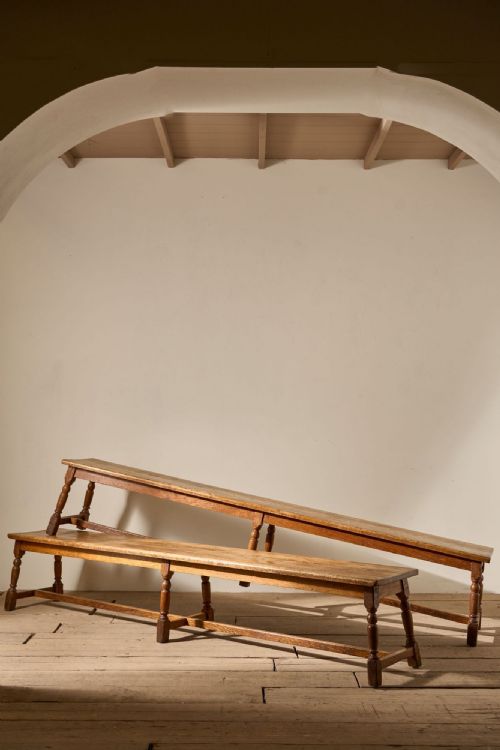
A nineteenth century bench encompasses a wide variety of forms, from rustic oak and pine farmhouse seating to formal mahogany window seats and club fenders.
Buyers will encounter multiple regional interpretations on this page, including English church pews and oak hall benches alongside French oak and chestnut examples.
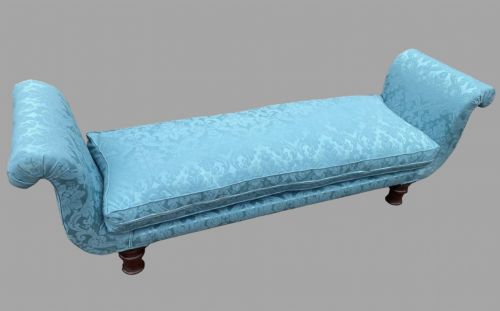
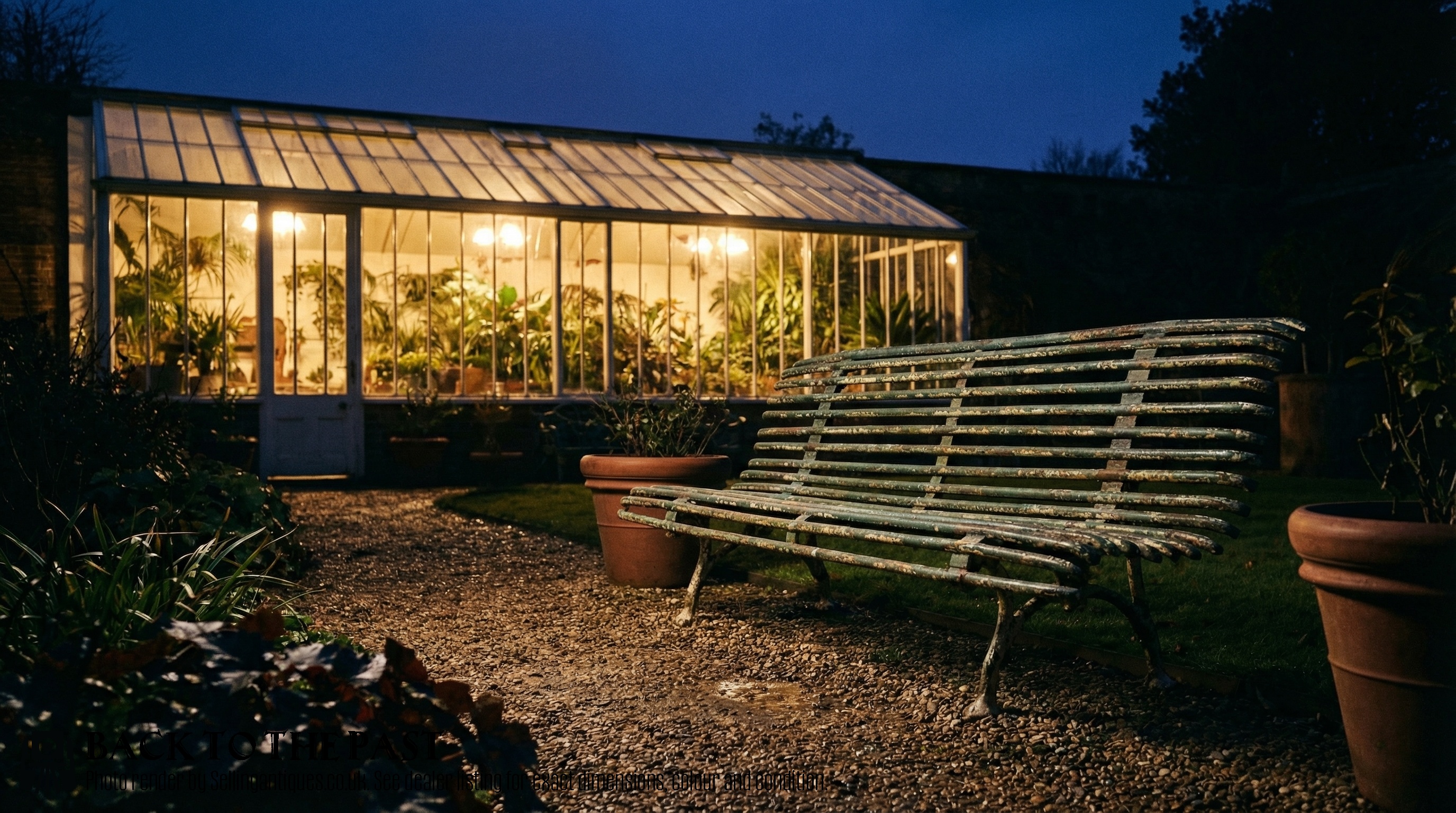
Seating spans diverse domestic and institutional contexts, incorporating garden benches, luggage stands, daybeds, and specialised workbenches.
Materials and Construction
Carpenters utilised robust hardwoods such as oak, mahogany, walnut, teak, and cherry alongside softer pine and chestnut for structural frames.
Upholstered variants integrate leather, velvet, and fabric over supporting elements like cane, brass, and cast iron.
Nineteenth Century Bench Retail Price Guide 2026
Typical asking prices for nineteenth century bench among the pieces listed under this phrase on Sellingantiques today, from the lower quarter to the upper quarter. They describe what is for sale here now, not the wider market.
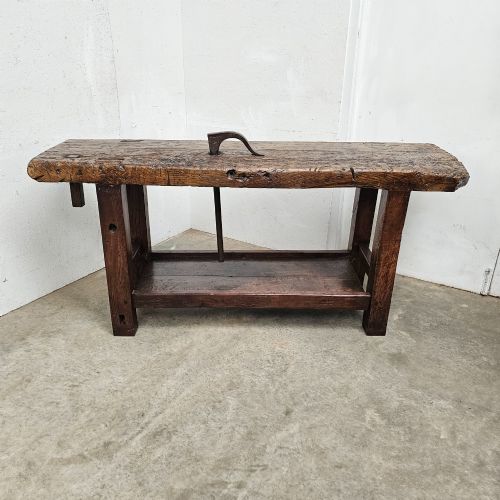
A sturdy cobbler's bench offers a humble workspace origin that now doubles as an unexpected coffee table.
Assessing Quality
Quality rests in the integrity of the timber selection and the precision of joinery, distinguishing utilitarian workshop pieces from refined salon furniture.
The sophistication of carved ornamentation and the preservation of original mounts or upholstery dictate the standing of individual examples.
Charles Nosotti·Carron Foundry
The Nineteenth Century Bench Glossary
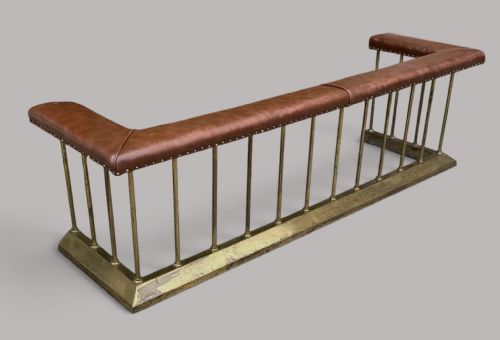
- Club Fender
- A low-seat hearth surround constructed from brass or cast steel, traditionally featuring upholstered top rails for fireside seating.
- Window Seat
- A form designed specifically to fit within a window recess, typically upholstered and supported on timber frames.
- Luggage Stand
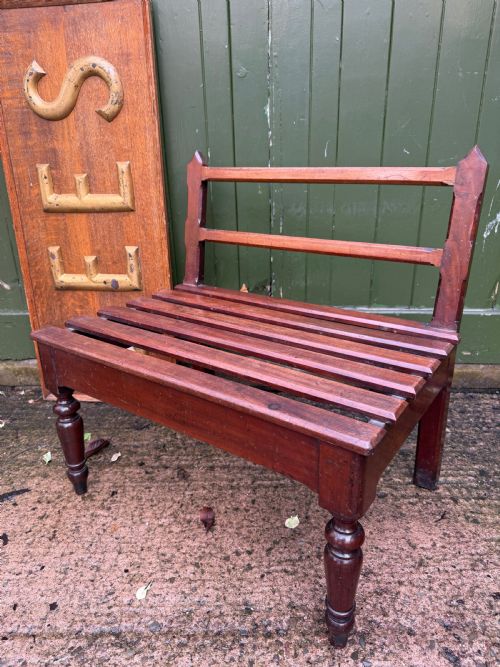
- A low rectangular stand with a raised rear upstand support, utilised historically for resting travel chests.
- Settle
- A high-backed wooden bench with solid arms and a storage box base, designed to block draughts in domestic interiors.
- Daybed
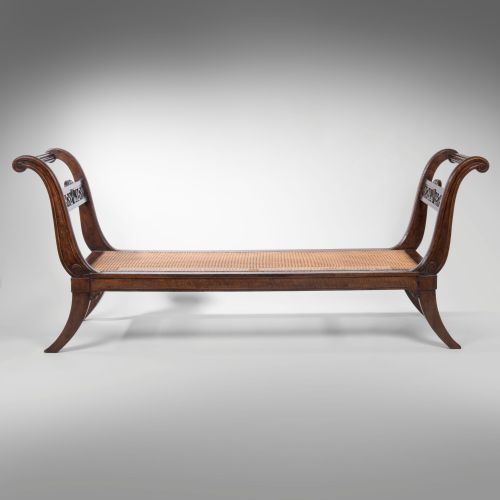
- An elongated seating form intended for reclining, merging the characteristics of a chair and a bed.
Nineteenth Century Bench: Frequently Asked Questions
How were nineteenth century benches used?
These pieces served varied functions across domestic, civic, and commercial spaces. Hall benches accommodated visitors in entranceways, while church pews and institutional benches provided communal seating.
Other variants, such as club fenders, furnished the hearth, and luggage stands supported travel chests in guest chambers.
Where should I place a nineteenth century bench?
A bench suits narrow transition spaces like hallways or corridors where deep seating would obstruct movement. Window seats and daybeds fit naturally into reception rooms and living spaces.
Garden benches and veranda seating extend these period forms into outdoor settings.
How do I identify the period of a bench?
Dating relies on observing structural characteristics, timber species, and stylistic markers associated with specific decades. Regency and Victorian designs often display distinct neoclassical or revival motifs.
Construction methods and tool marks on secondary timbers provide further evidence of manufacturing date.
What woods were commonly used?
Cabinetmakers and joiners selected hardwoods including oak, mahogany, walnut, rosewood, and cherry for domestic and formal furniture. Pine, chestnut, and teak appeared frequently in regional, utilitarian, or outdoor pieces.
Secondary timbers inside frames often help confirm geographical origin and period.