


Brown Oak Seat
Brown oak seat items are enduring wooden furnishings spanning multiple centuries, bringing distinct historical character and robust seating to domestic interiors.
Brown Oak Seat
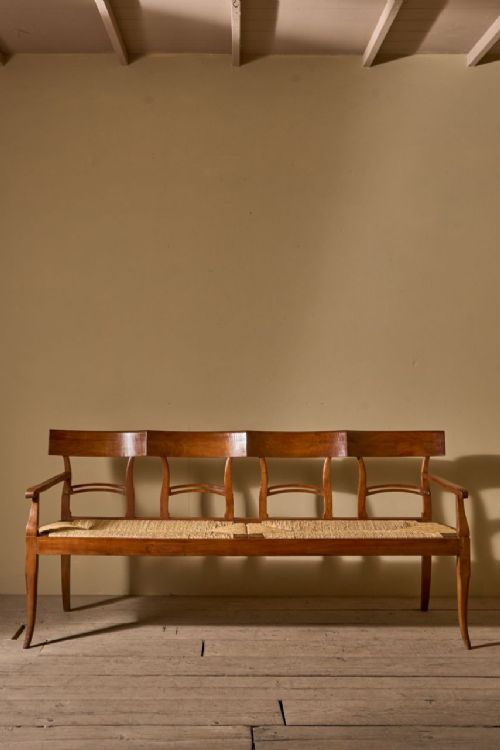
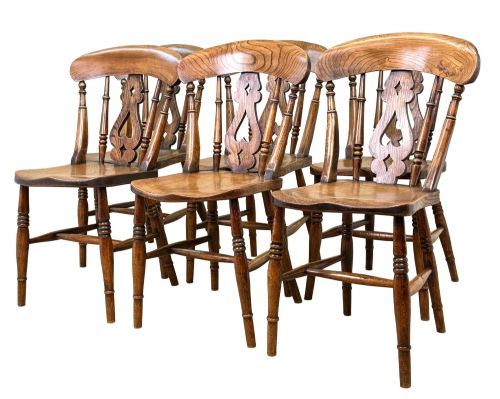
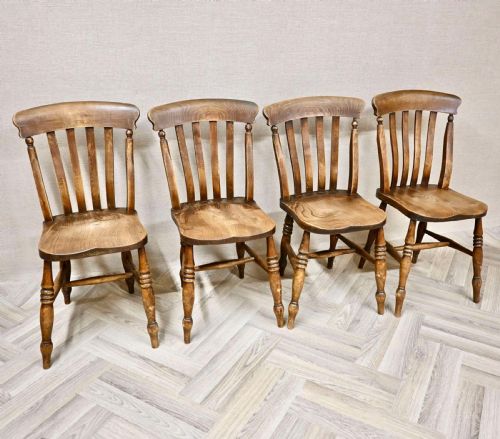
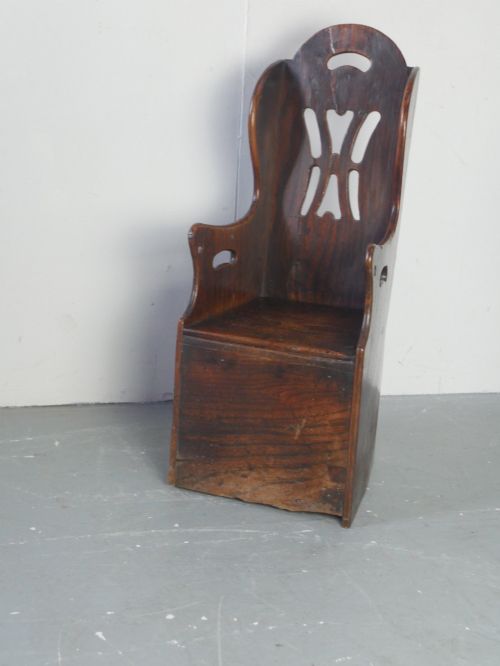
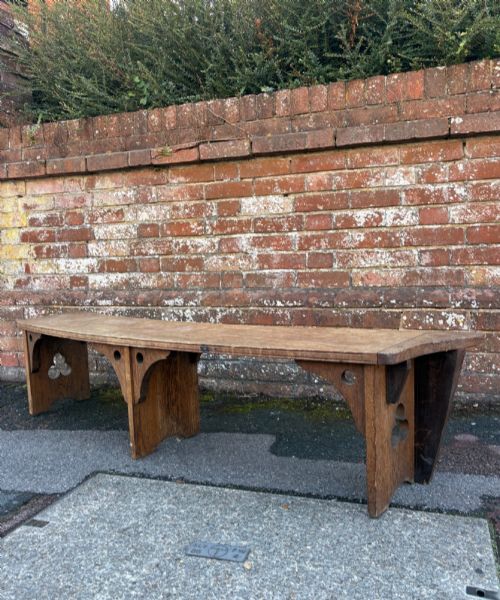
A brown oak seat encompasses a wide assortment of antique and vintage timber forms, ranging from single stools to large dining sets and long settles. Buyers seeking this category encounter pieces originating predominantly from the eighteenth and nineteenth centuries, alongside Edwardian and early twentieth-century examples.
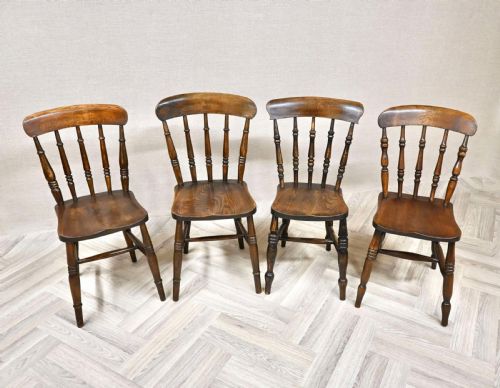
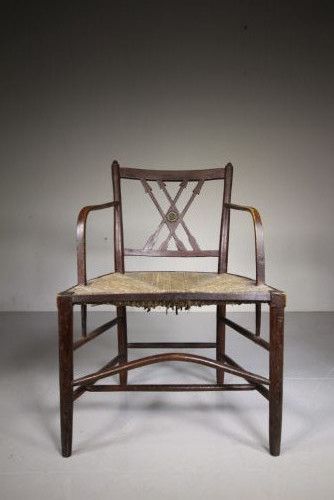
The domestic typology on offer includes armchairs, hall chairs, tavern benches, and clerk's stools, with styles extending from plain English country vernacular to Gothic Revival and Arts and Crafts. Many examples incorporate alternative timbers and seating materials alongside oak, creating varied silhouettes suitable for dining rooms, halls, and firesides.
Understanding quality differences
The distinction between standard utility items and finer examples rests in the crispness of hand-carved ornamentation, the integrity of original joinery, and the presence of maker attribution. Pieces featuring substantial timber scantlings and well-balanced proportions command greater regard than utilitarian workshop items.
Quality also manifests in the preservation of original secondary materials, such as untouched rush webbing, early leather upholstery, or period paint finishes. Retaining these authentic components elevates the historical integrity of the piece above heavily restored or later-altered examples.
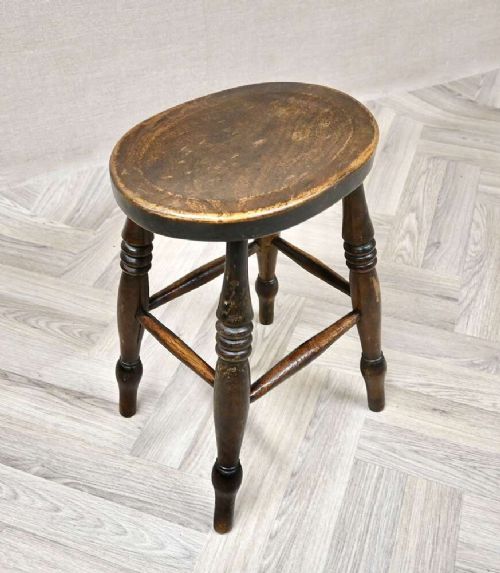
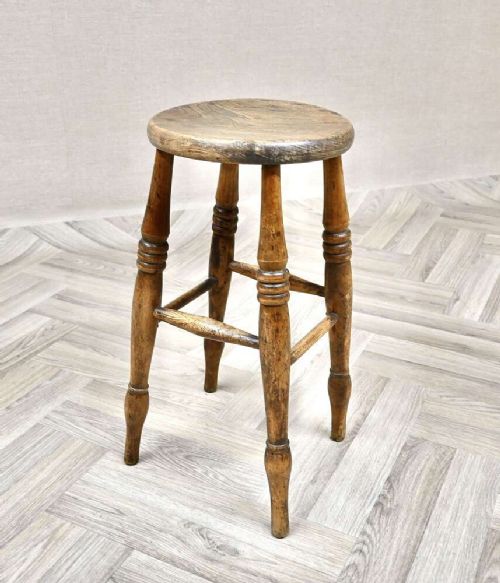
Some industrious Victorians sat on rotating stools originally engineered for busy clerks and silversmiths.
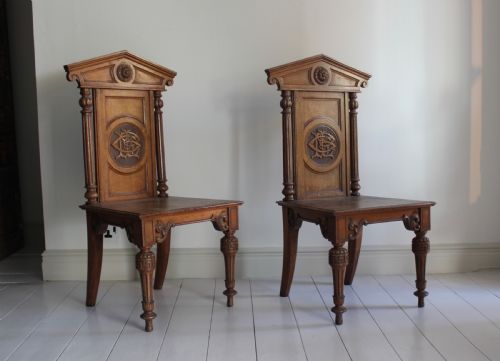
Liberty Morris And Co·GIllows
The Brown Oak Seat Glossary
- Joint Stool
- A sturdy wooden stool constructed with mortise and tenon joints, often featuring pegged legs and a rectangular top. These early forms served multiple household functions before specialised seating became common.
- Hall Settle
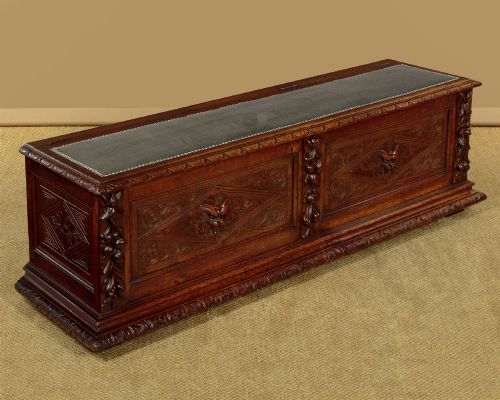
- A high-backed wooden bench with solid arms and an enclosed lower section, traditionally placed in entrance halls to block draughts. They often incorporate carved panels and hinged seats providing interior storage.
- Windsor Chair
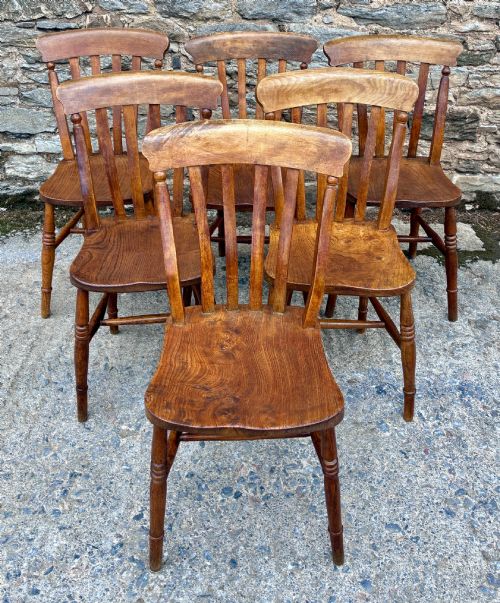
- A seating form characterised by a solid sculpted wooden seat into which turned spindles and a bentwood back are wedged. Country variations frequently utilise native hardwoods like elm and ash.
- Rush Seat
- A woven seating surface made from dried marsh grasses twisted around a frame. This traditional technique provides a resilient and slightly flexible platform for low armchairs and dining chairs.
- Gothic Revival
- An architectural and decorative style drawing inspiration from medieval forms, featuring pointed arches, trefoil carvings, and heavy framing. It saw significant revivals during the Victorian period.
Brown Oak Seat: Frequently Asked Questions
How do I identify an 18th-century oak seat?
Eighteenth-century examples typically display hand-cut joinery, pegged framing, and deep patination accumulated through generations of use. The timber grain often shows distinct medullary rays characteristic of quarter-sawn oak.
Construction details on earlier pieces are less standardised than later factory-produced furniture, reflecting the individual hand of the provincial carpenter or urban cabinetmaker.
Where should I place a long oak bench?
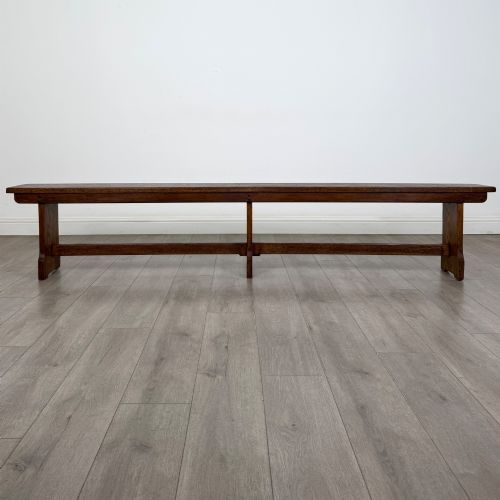
Long benches and settles suit entrance hallways, large dining tables, or long living room walls where their linear form provides substantial seating capacity. Their high backs or solid panels help define zones within open-plan spaces.
Care should be taken to keep antique wooden furniture away from direct heat sources and strong sunlight to prevent the timber from drying and splitting.
What is the difference between a hall chair and a dining chair?
Hall chairs are typically constructed entirely of wood with rigid backs, designed for occasional use in entrance spaces rather than extended sitting. They frequently feature carved armorial crests or shield backs intended to impress visitors.
Dining chairs prioritize ergonomic comfort, often incorporating upholstered leather or fabric pads, rush seating, or carefully contoured wooden slats designed for prolonged use around a table.
How should I clean antique oak furniture?
Dust surfaces regularly with a soft, dry cloth to prevent grit accumulation from scratching the aged patina. Avoid modern silicone-based polishes that can build up and soften historical wax finishes over time.
Occasional application of microcrystalline wax or traditional beeswax helps nourish the dry timber and maintains a protective barrier against moisture without harming the underlying wood.