
Entryway Wooden Bench
An entryway wooden bench is a sturdy seat designed for halls and corridors, offering both practical utility and period character.
What these benches are
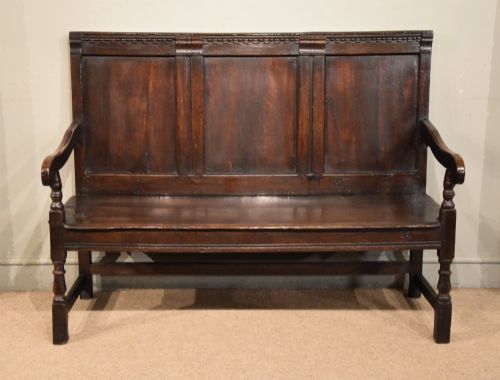
An entryway wooden bench stands as a practical seat for a hallway, vestibule or boot room. These pieces provide a dedicated place to sit while removing footwear and often double as storage or structural statements in a home.
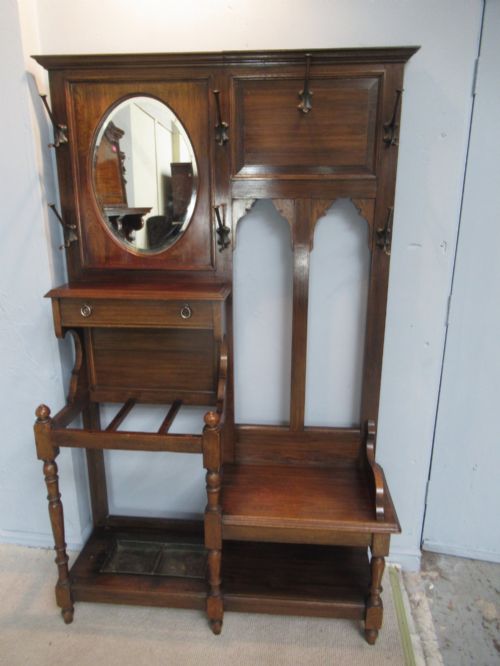
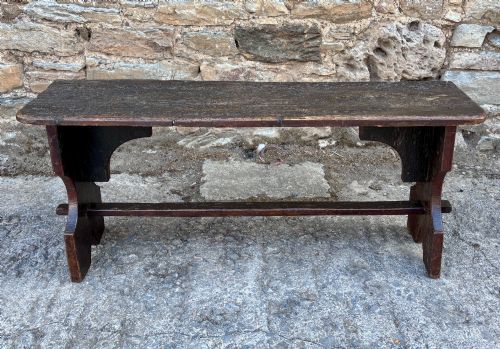
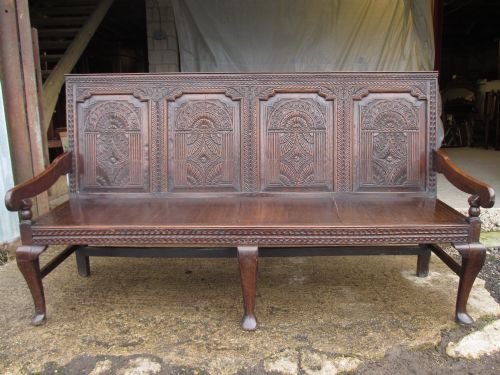
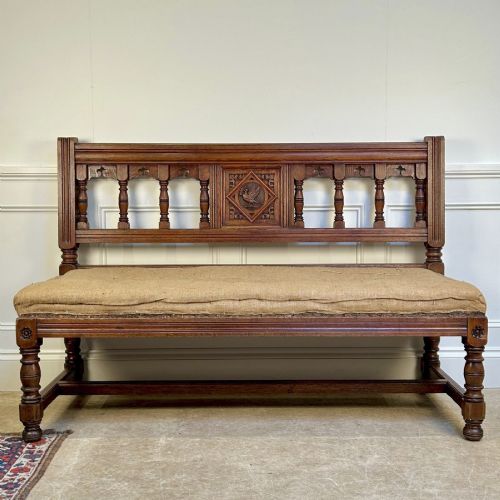
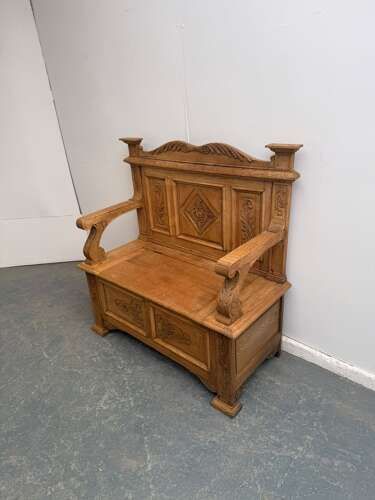
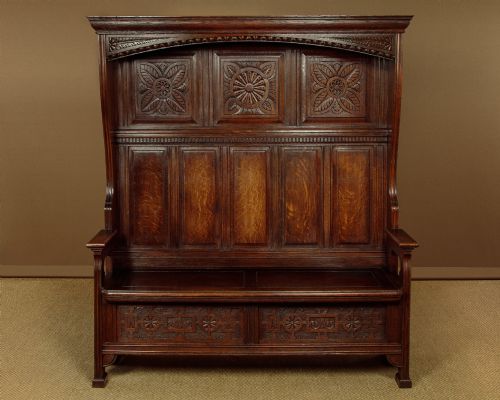
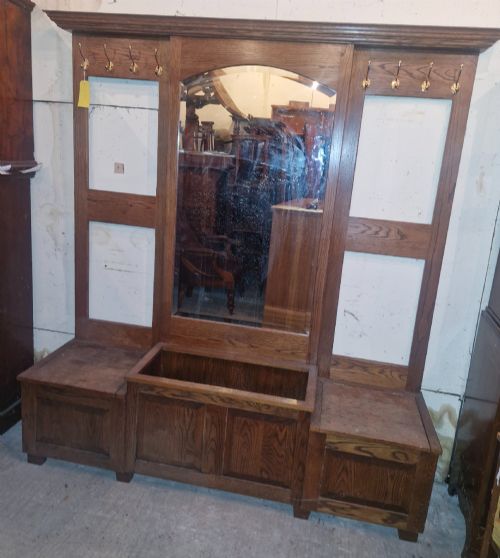
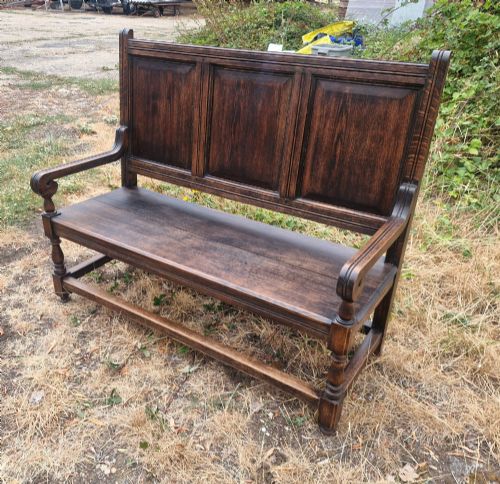
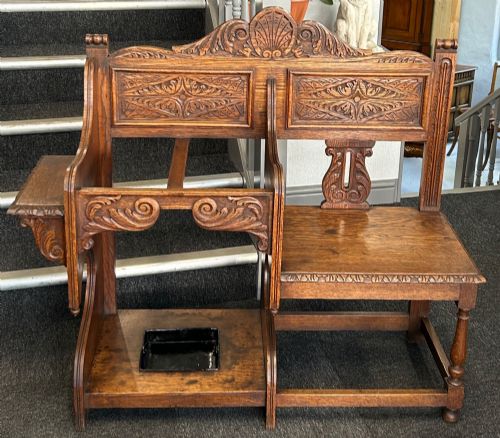
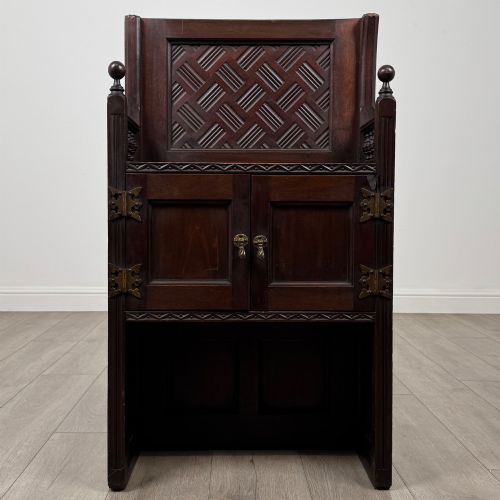
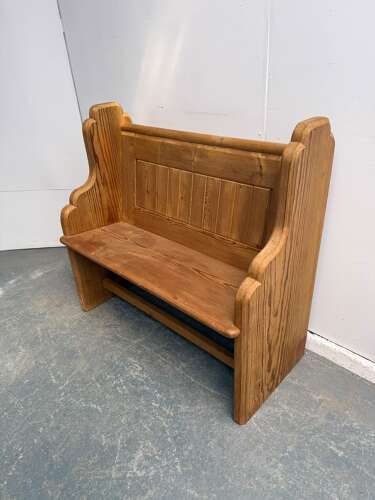
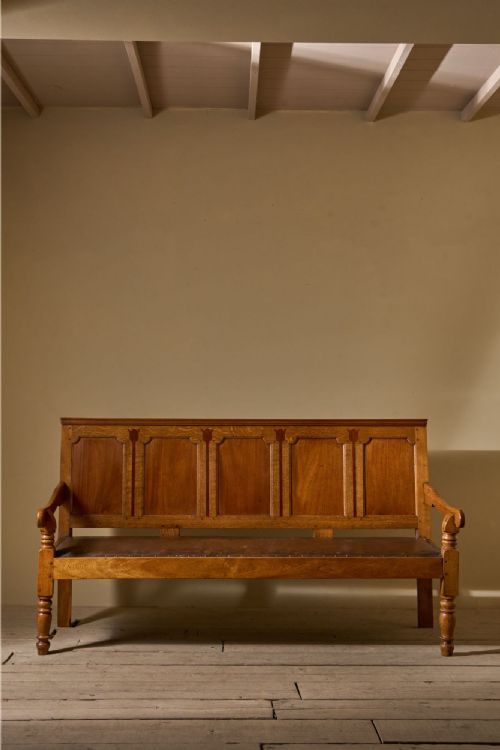
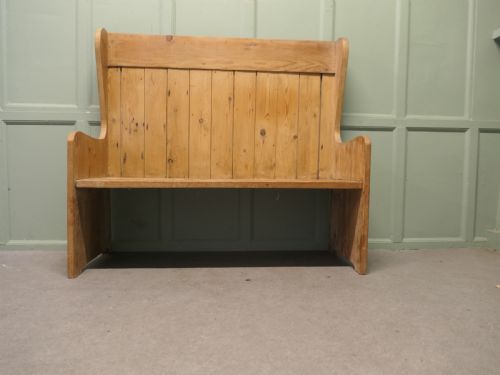
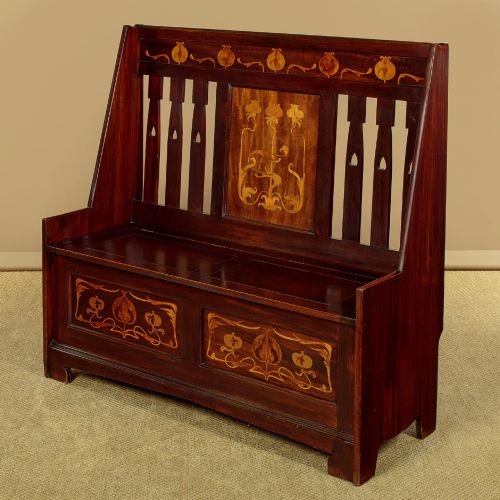
The selection on this page centres on sturdy hall benches, settle forms and window seats. Pieces date from the nineteenth century up to nineteen hundred, encompassing Victorian, Edwardian and rustic farmhouse traditions.
Makers and workshops represented in the records include Gillows and James Shoolbred & Co. These makers produced substantial seating designed for grand entrance halls and domestic spaces alike.
How they were made
Construction relies heavily on solid timber, with oak and pine forming the primary structural framework. Cabinet makers utilised traditional joinery techniques such as mortise and tenon joints to ensure durability under daily use.
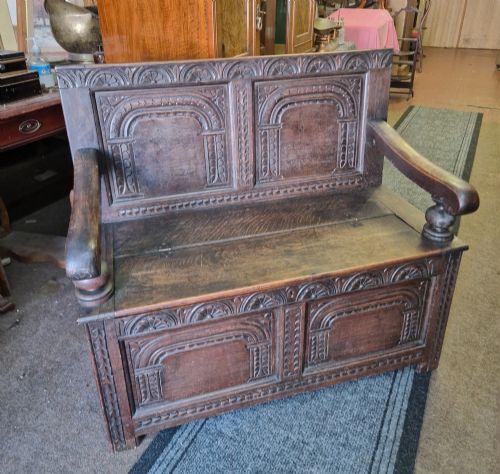
Surface treatments and upholstery vary across the inventory, featuring carved decorative elements alongside tactile additions like hessian and brass details. Bleached oak finishes alter the natural tone of the wood while retaining the grain pattern.
Retail Price Guide 2026
Typical UK retail prices for entryway wooden bench, calculated from the Sellingantiques database of over a million retail prices indexed since 2003. This retail price guide relies exclusively on Sellingantiques data; no external sources or auction records are used, so the figures do not describe the wider market.
Styles span Gothic Revival, Victorian, rustic farmhouse and Edwardian traditions.
What varies in quality
Quality separates ordinary utility furniture from pieces bearing the hallmarks of notable cabinet makers like Gillows or James Shoolbred & Co. The refinement of the carved ornamentation and the selection of dense, figured oak distinguish finer examples.
Structural integrity and timber selection dictate the longevity of each bench. Heavier section timber and precise joinery indicate a higher grade of craftsmanship compared to more utilitarian pine items.
GIllows·James Shoolbred & Co.
The Entryway Wooden Bench Glossary
- Hall bench
- A narrow wooden seat designed specifically for placement in an entrance hall or passage. These typically feature high backs and solid timber construction.
- Settle
- A wooden bench with a high back, solid arms and sometimes a storage box beneath the seat. This form offers shelter from drafts in older properties.
- Mortise and tenon
- A traditional woodworking joint where a projecting tongue fits snugly into a corresponding cavity. This method provides strong and enduring structural bonds.
- Hessian
- A coarse woven fabric typically made from jute fibres. It appears in utilitarian or upholstered elements of period seating.
Frequently Asked Questions
Where should I place an entryway wooden bench?
These benches suit hallways, corridors and boot rooms where practical seating is required near an entrance. Their narrow profiles allow them to sit against walls without obstructing movement.
Consider the clearance needed for doors and pathways when positioning a high-backed settle or hall bench. Pairing the seat with wall hooks creates a functional cloakroom area.
How do I care for antique oak and pine?
Maintain wooden surfaces by dusting regularly with a dry cloth and avoiding excessive moisture. Natural wax can be applied periodically to nourish the grain and protect the finish.
Keep wooden furniture away from direct heat sources and drastic temperature shifts to prevent timber from splitting. Bleached oak and raw pine benefit from gentle cleaning suited to their specific surface treatments.
How do I identify a Victorian or Edwardian bench?
Victorian hall benches often display Gothic Revival or heavy stylistic influences with dark oak and deep carvings. Edwardian pieces tend to show lighter proportions and sometimes cleaner lines.
Examine the construction methods and timber characteristics to understand the period. Maker stamps or labels, when present, provide definitive attribution to firms active during these eras.