



Green Metal Garden Bench
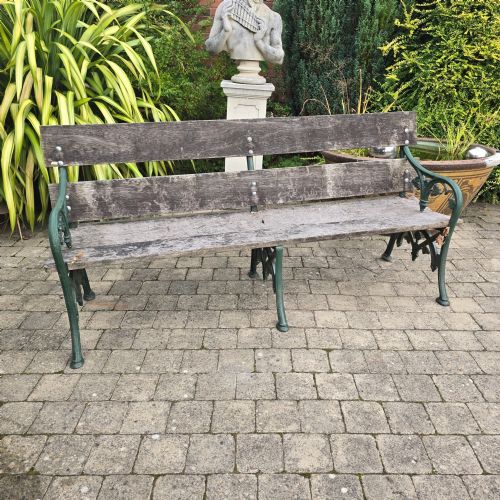
A green metal garden bench brings enduring character to outdoor spaces, combining robust construction with graceful scrollwork and weathered painted surfaces.
Green Metal Garden Bench
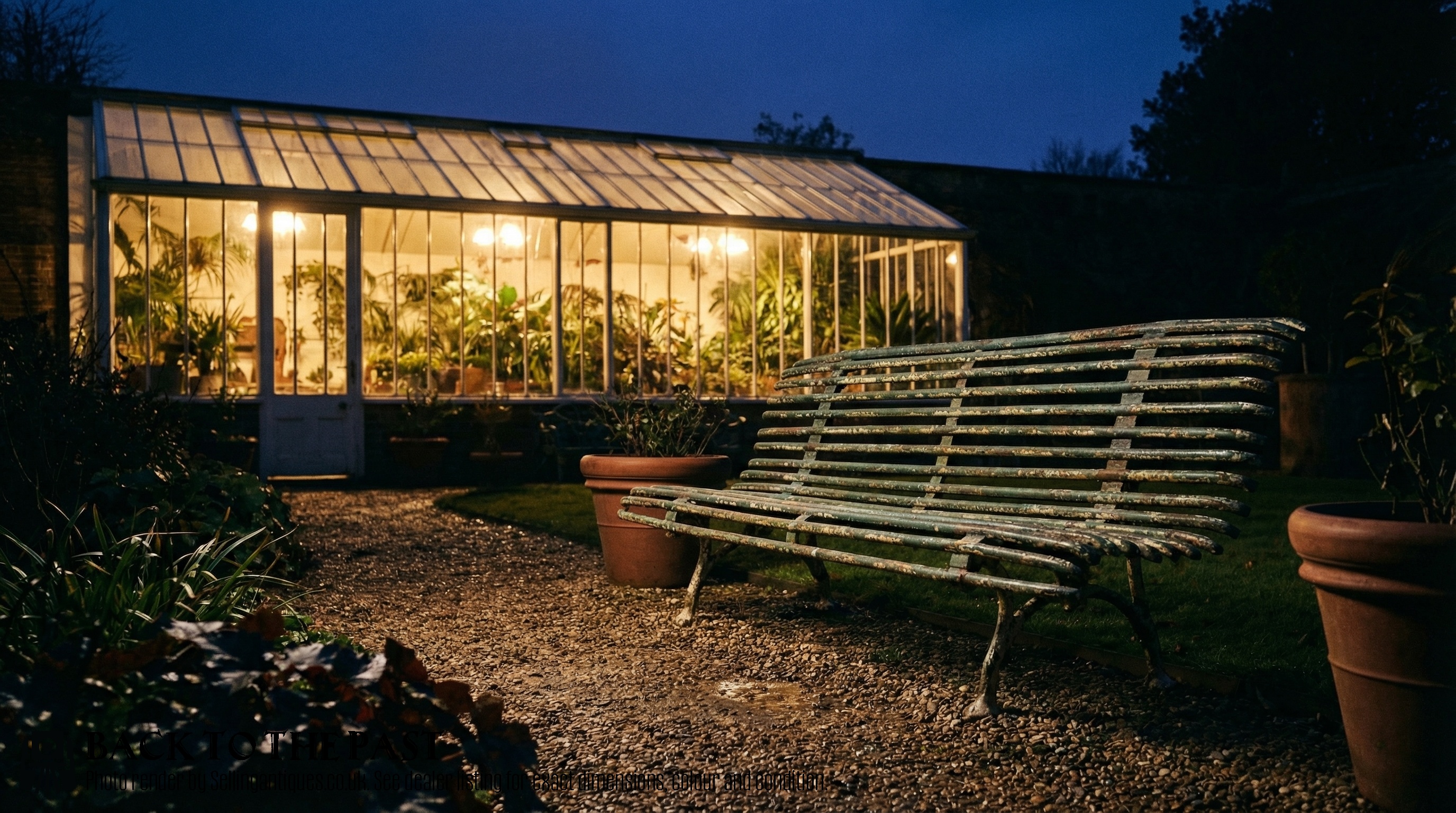
A green metal garden bench sits quietly among foliage, offering a practical seat that acquires a softer character through decades of weathering. When searching for a green metal garden bench, buyers encounter pieces originating from the Victorian era up to the early twentieth century.
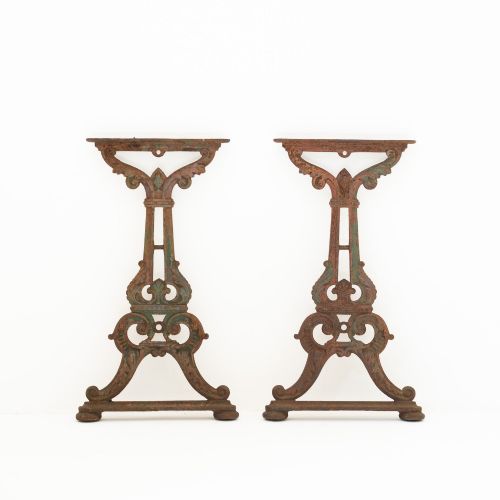
The selection here includes examples from English and French traditions, ranging from heavy cast iron structures to lighter strapwork and folding forms. Alongside traditional garden benches, related items such as table bases and side tables appear, reflecting the broader scope of nineteenth and early twentieth century outdoor metalwork.
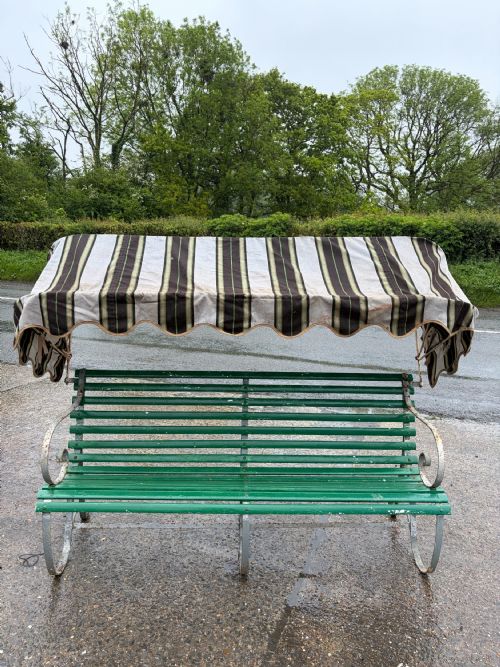
Victorian pieces dominate the selection, often displaying intricate scrollwork or canopies alongside later 1920s iterations showing layers of original paint. Each piece shows the practical adaptation of metal for outdoor use, weathering through successive seasons while retaining structural integrity.
How they were made
Makers utilised cast iron, wrought iron, and steel to form the supportive frameworks of these garden seats, frequently incorporating timber components for the slats. Cast iron elements provided rigid support through moulded patterns, while wrought iron and steel offered flexible strength for strapwork and scroll designs.
Surfaces received protective coatings of paint, which over decades accumulated layers in various shades of green and verdigris. Metal joining techniques relied on traditional riveting and forging methods suited to heavy outdoor furniture intended to withstand year-round exposure.
Green Metal Garden Bench Retail Price Guide 2026
Typical asking prices for green metal garden bench among the pieces listed under this phrase on Sellingantiques today, from the lower quarter to the upper quarter. They describe what is for sale here now, not the wider market.
Listings incorporate pieces spanning from the Victorian period through the 1920s, utilising wrought iron, cast iron, and timber.
What varies in quality
Quality rests in the crispness of the original ironwork and the integrity of the remaining surface paint layers. Pieces featuring complex strapwork, canopies, or detailed scroll patterns represent higher tiers of craftsmanship compared to plain utility designs.
The survival of original paint surfaces, particularly undisturbed layers showing authentic weathering and verdigris tones, distinguishes superior examples. Structural harmony between the metal frame and any wooden elements also determines the overall calibre of a bench.
The Green Metal Garden Bench Glossary
- Cast iron
- Molten iron poured into a mould to create rigid decorative and structural components. This technique allowed Victorian makers to produce elaborate relief patterns on bench ends.
- Wrought iron
- Iron heated and hammered into shape by hand, resulting in fibrous material with high tensile strength. It permits slender, flexible designs like strapwork and scrolls.
- Strapwork
- Flat strips of metal interwoven or applied in geometric patterns to form the backrest or seat of a bench. This technique lightens the visual weight of heavy metal furniture.
- Verdigris
- A green patina formed naturally on copper and other metals through atmospheric oxidation. On nineteenth-century pieces, it provides a distinctive aged surface coloration.
Green Metal Garden Bench: Frequently Asked Questions
How do I care for an antique garden bench?
Keep the bench clean by gently washing away dirt and debris with mild soap and water, avoiding harsh scrubbing that disturbs old paint.
Position the bench on well-drained paving rather than directly on damp soil to protect the lower sections from excessive moisture.
Can these benches stay outside all year?
Most of these pieces spent their lives outdoors and tolerate seasonal weather, though severe winter frost can stress brittle cast iron.
Moving the bench to a sheltered porch or covering it during the coldest months helps preserve fragile painted surfaces.
How can I tell a Victorian bench from a later one?
Victorian examples frequently display heavier cast iron frames with deep relief moulding, distinct manufacturer marks, or architectural canopy structures.
Later pieces from the 1920s often utilise lighter steel components and simpler scrollwork reflecting changing industrial methods.
What is an Arras garden bench?
An Arras bench originates from the French town known for distinctive wirework and sheet metal garden furniture produced during the nineteenth century.
These pieces typically feature curved strapwork construction and marked plaques identifying their regional workshop origin.