

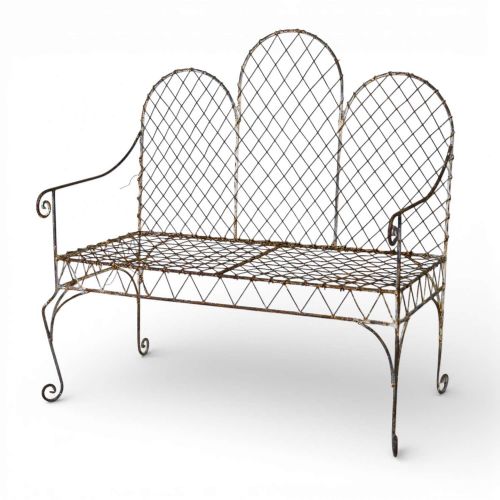
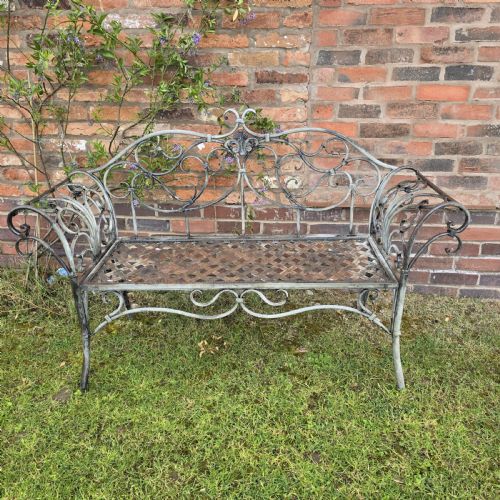
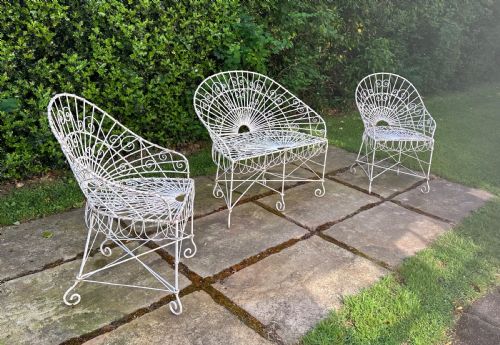


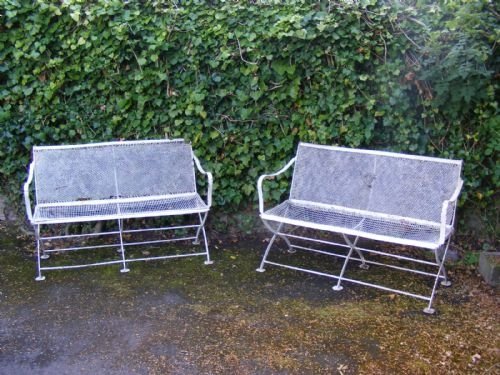


French Wrought Iron Bench
A french wrought iron bench brings structural grace to a garden terrace, offering enduring seating shaped by skilled hands.
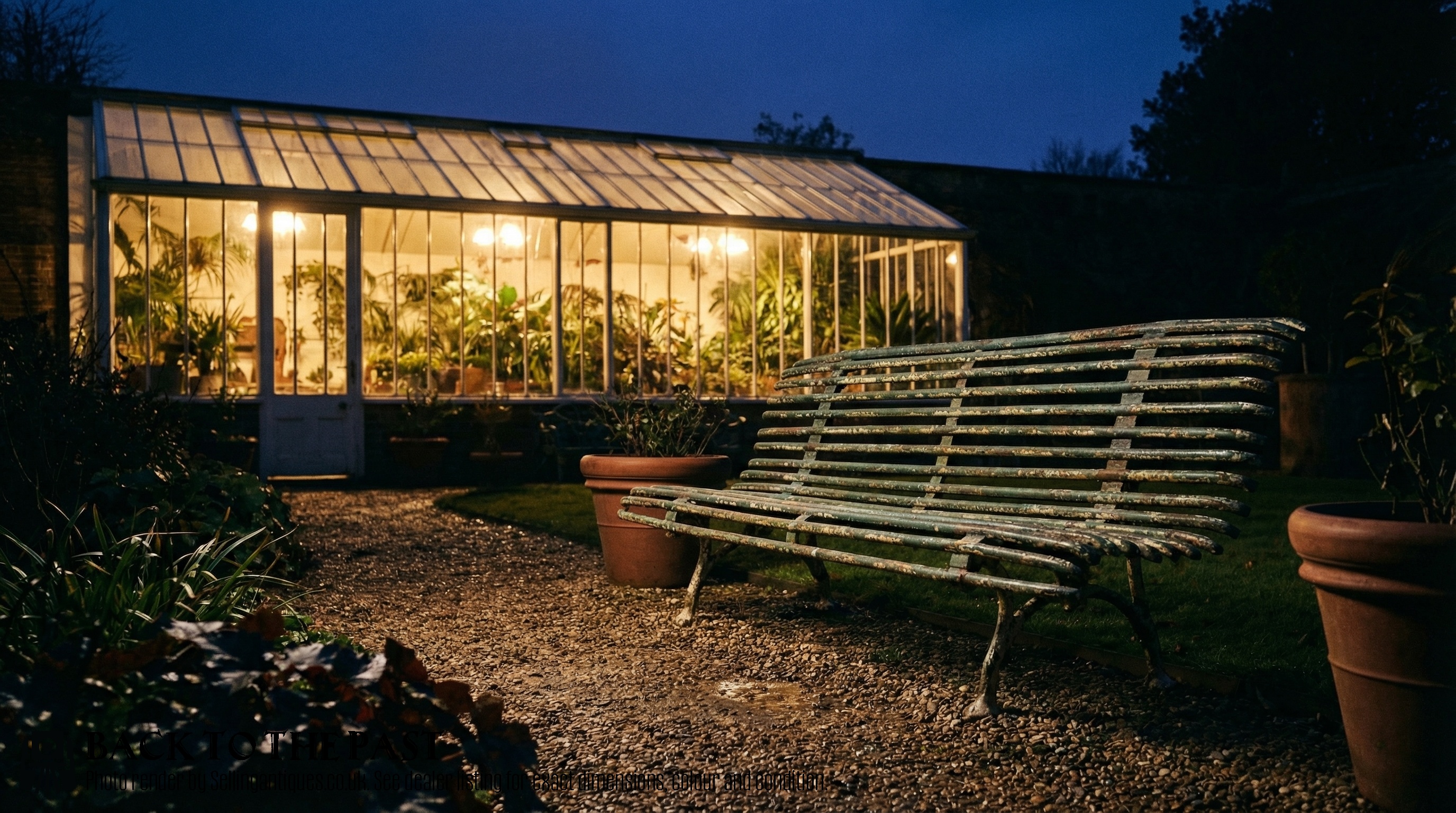
French Wrought Iron Bench
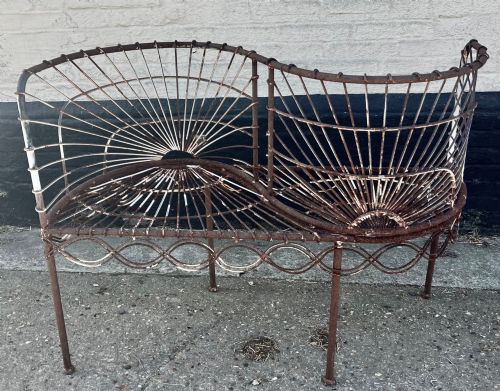
A french wrought iron bench unites functional outdoor seating with decorative metalwork across various periods like the nineteenth century and the nineteen-twenties. Buyers encounter pieces styled in French country, rustic French, and French Gothic revival aesthetics.
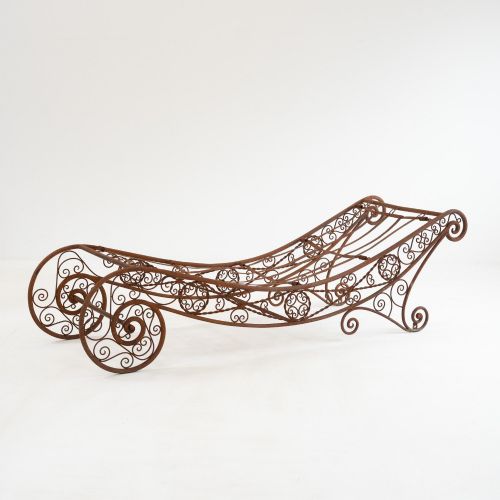
Forms span garden benches and garden daybeds alongside related conservatory seating and arbours. These examples emerge from origins associated with nineteenth-century and early twentieth-century production.
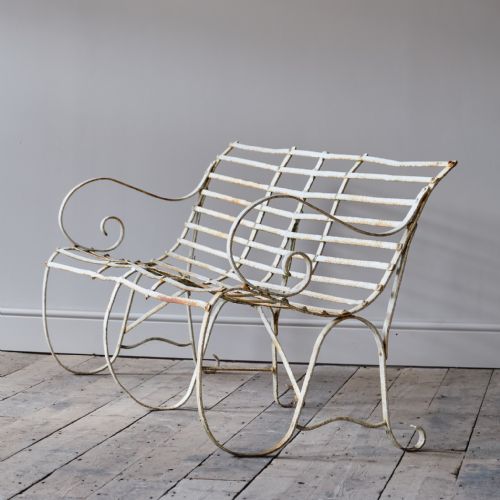
The selections on this page highlight distinct regional characters, ranging from scrollwork patterns to strap work construction. Each piece demonstrates the heavy-duty utility expected from garden metalwork.
Materials and construction
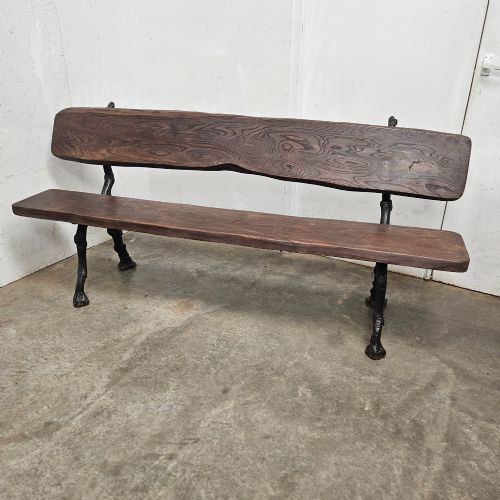
Makers utilised wrought iron, cast iron, and steel wire, frequently pairing metal frames with timber elements such as elm. Individual components were shaped by hand to create durable outdoor seating structures.
Surfaces retain layers of original paint or aged patination developed through exposure to the elements. Artisans employed folding mechanisms and strap work joinery to achieve both stability and decorative flair.
French Wrought Iron Bench Retail Price Guide 2026
Typical asking prices for french wrought iron bench among the pieces listed under this phrase on Sellingantiques today, from the lower quarter to the upper quarter. They describe what is for sale here now, not the wider market.
Several pieces arrive with layers of original paint still clinging stubbornly to the iron scrolls after a century outdoors.
Assessing quality
The standard of a bench depends upon the complexity of the scrollwork and the retention of original surface paint. Pieces exhibiting fine strap work and integrated decorative details represent superior craftsmanship.
Structural integrity of the ironwork and the harmonious integration of wooden elements like elm seats dictate the overall merit of an item. Higher quality examples show careful attention to proportions and balanced forms.
The French Wrought Iron Bench Glossary
- Wrought iron
- Iron that has been heated and worked with tools by a smith rather than cast in a mould. This material provides the tensile strength necessary for slender, decorative garden furniture.
- Faux bois
- An artistic imitation of wood grain executed in concrete, metal, or paint. On garden pieces, this technique mimics natural timber branches.
- Strap work
- Ornamental work consisting of flat bands or strips arranged in geometric or interlaced patterns. It adds structural rigidity while enhancing the visual weight of the bench.
- Arras
- A specific style of antique French metal garden furniture traditionally produced in northern France. These pieces are recognised by specific construction marks and robust cast iron or wirework feet.
- Wirework
- Construction utilising woven or bent metal wire to create lightweight, open-patterned garden seats and arbours. This technique became popular during the nineteenth century for conservatory and garden use.
French Wrought Iron Bench: Frequently Asked Questions
Where should I place a metal garden bench?
These benches suit sheltered patio corners, lawn perimeters, or conservatory spaces where moisture levels remain moderate.
Positioning them on level stone paving protects the iron feet from prolonged dampness in soil.
How do I clean an old painted bench?
Dust the surface gently with a soft brush to remove loose debris without disturbing fragile layers of historic paint.
Avoid chemical solvents or abrasive pads that strip away the patination accumulated over decades.
Can these benches remain outside all winter?
While durable, heavy metal furniture benefits from being moved under cover or protected with breathable outdoor sheeting during freezing months.
Preventing ice accumulation in scrollwork gaps preserves the structural joins.
How do I distinguish nineteenth-century pieces?
Examine the metal texture for hand-hammered marks, heavier gauge iron, and traditional joinery methods distinct from twentieth-century mass production.
Wear patterns on wooden elements like elm seats also offer clues to age.