
Victorian Iron Garden Seat
A victorian iron garden seat brings enduring heavy metal architecture directly onto the lawn, offering a solid place to rest among the flowerbeds.
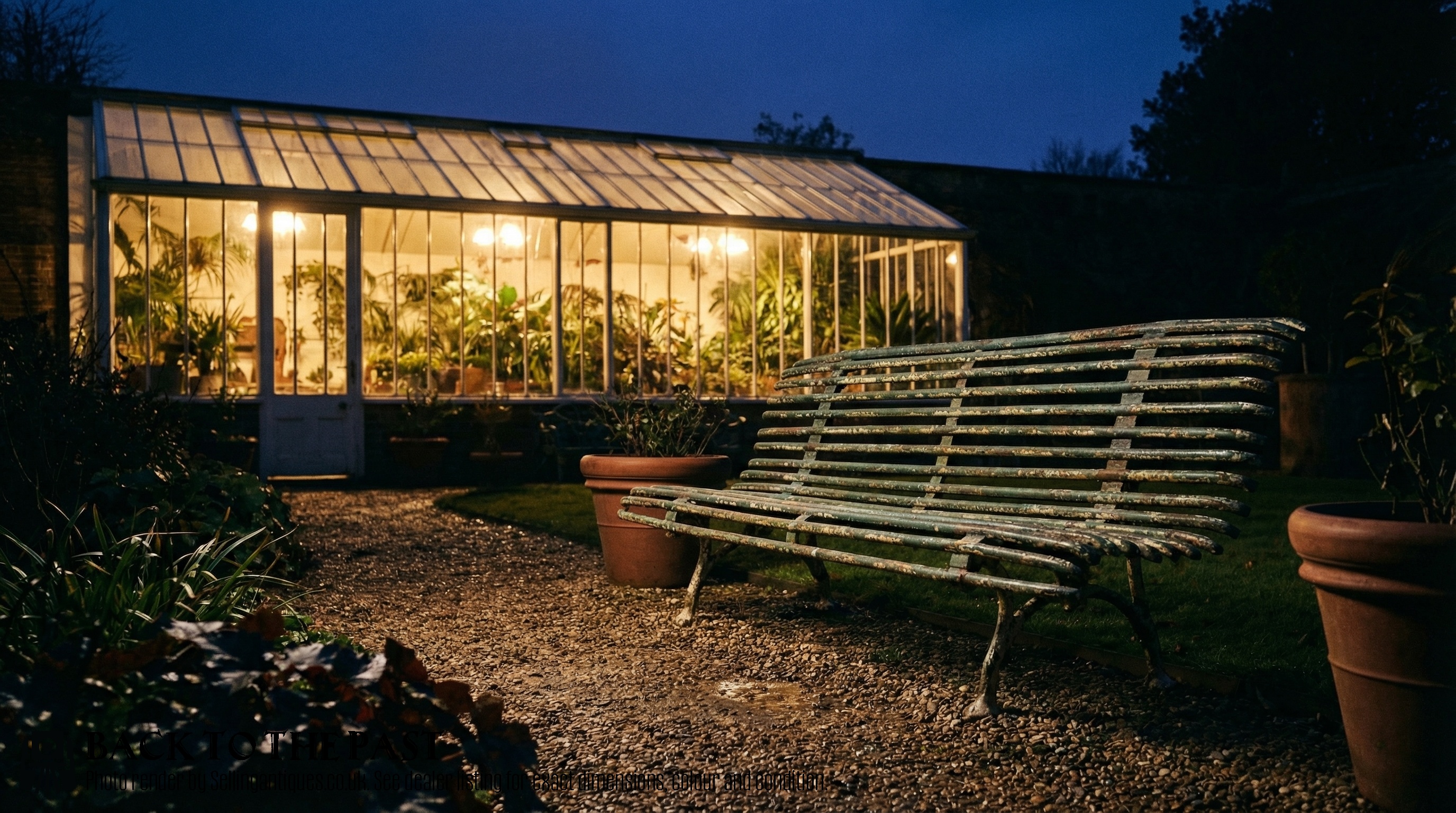
Victorian Iron Garden Seat
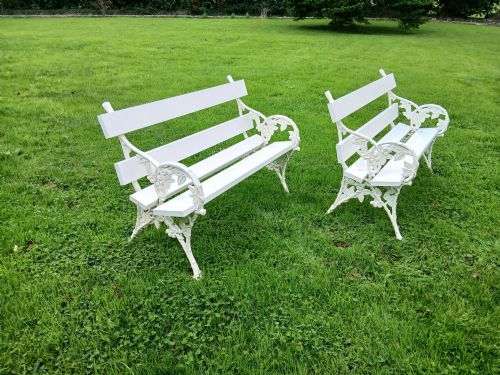
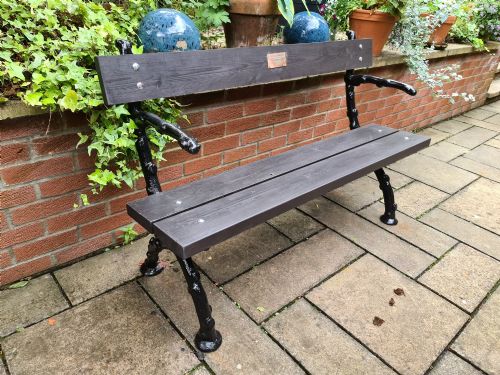
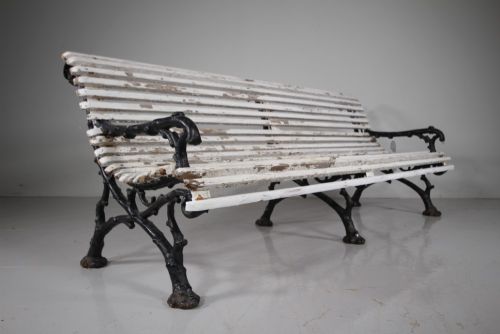
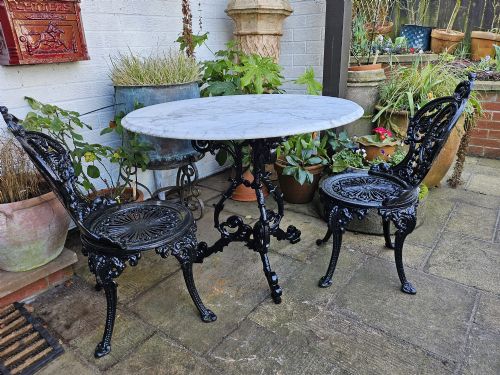
A victorian iron garden seat is a heavy outdoor bench or chair designed to withstand the elements while providing decorative ornamentation for lawns and terraces. These pieces appear primarily in nineteenth-century and Victorian periods, alongside later twentieth-century interpretations.
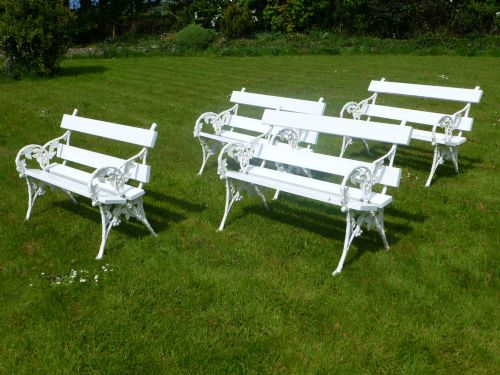
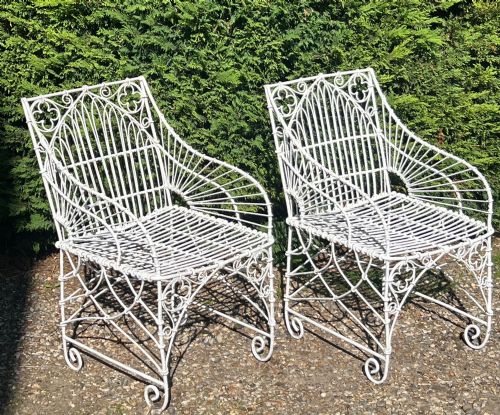
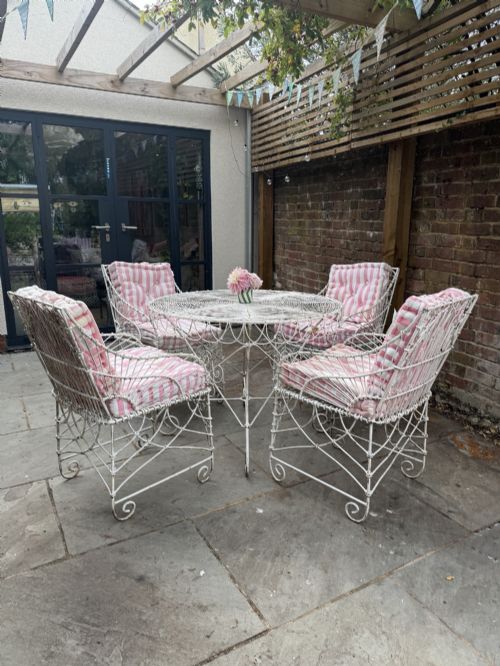
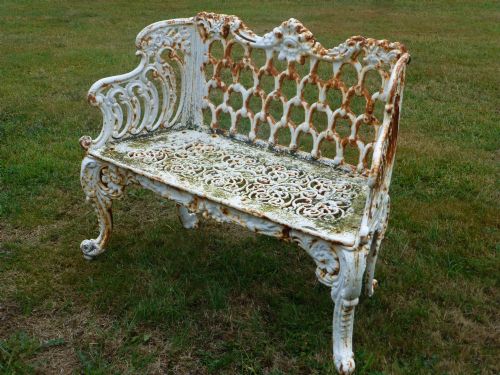
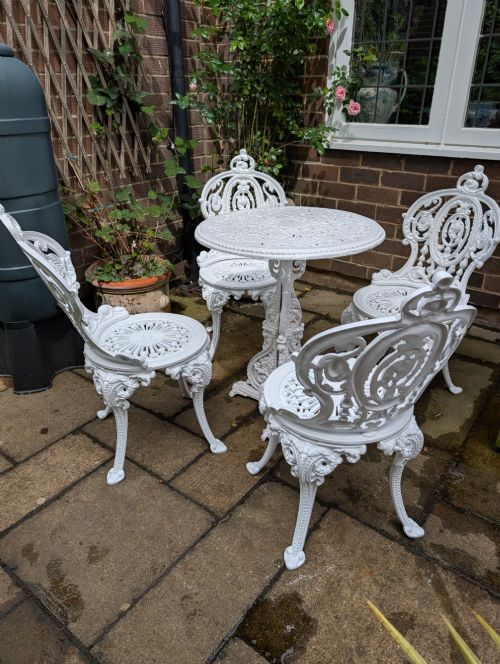
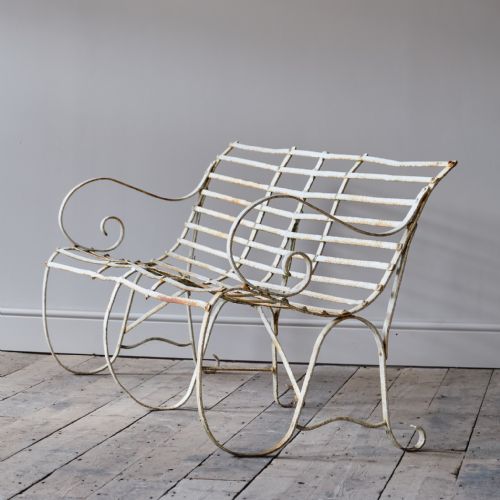
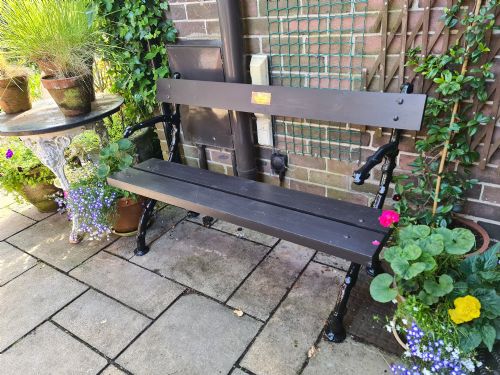
The form ranges from single garden chairs and two-seater benches to larger settees, often incorporating matching tables or footrests. Most examples take the shape of garden benches or chairs featuring open metalwork patterns.
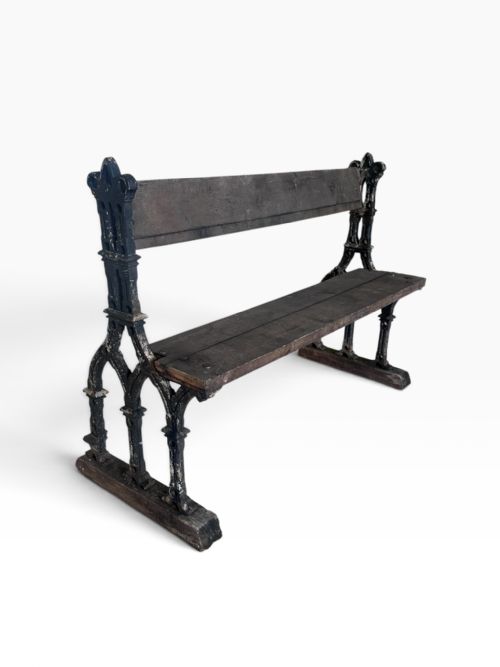
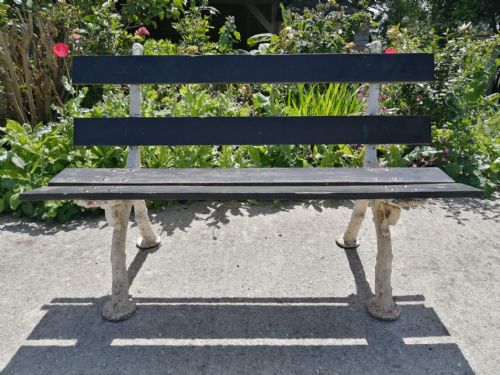
Moulded motifs on these seats frequently draw inspiration from nature or architectural history, including botanical patterns like blackberry and leaf designs, rustic faux bois, and Gothic strapwork.
Assessing Quality and Execution
The depth and crispness of the casting define the standard of a piece, distinguishing sharp botanical details from worn or heavy-handed reproductions. Foundries known for high design standards put greater artistic consideration into their patterns.
The structural integrity of the metal framework, especially around stress points like arm attachments and feet, separates robust examples from those weakened by exposure or brittle metallurgy.
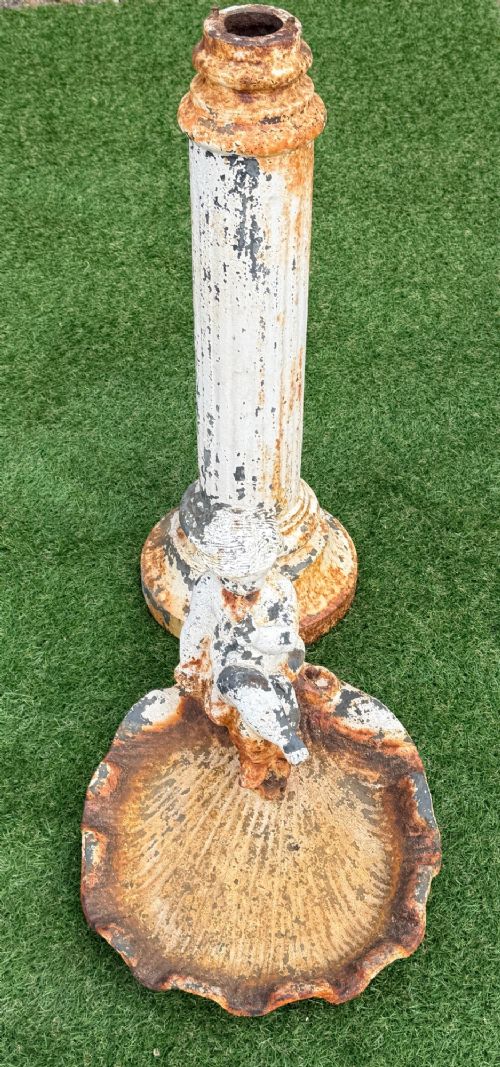
Sitters can rest amidst cast iron blackberries, leaves, serpents, and cherubs perched atop bird baths.
Falkirk Carron Foundry·Carron Foundry·Christopher Dresser·Coalbrookdale·John Finch·Phoenix Foundry·Val D'osne
The Victorian Iron Garden Seat Glossary
- Cast iron
- Molten metal poured into a mould to set into rigid, highly decorated shapes. This process allows for complex botanical and figurative reliefs on bench ends and backs.
- Wrought iron
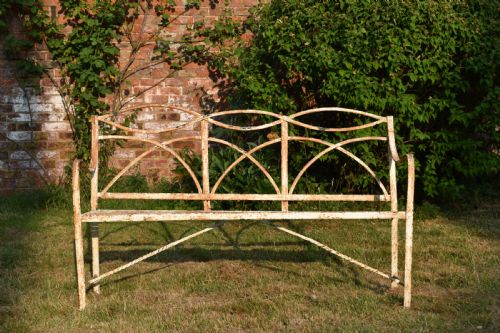
- Iron heated and hammered into shape by hand, resulting in a fibrous material that resists shock. It is typically seen in strapwork designs rather than heavily moulded patterns.
- Faux bois
- A decorative style mimicking natural wood grain or branches. This technique appears frequently on nineteenth-century rustic pattern garden seats.
- Strapwork
- A pattern of flat, interlaced bands resembling leather straps or ribbons. It provides a geometric structural framework for open-backed garden benches.
Victorian Iron Garden Seat: Frequently Asked Questions
How do I protect my garden seat from rust?
Regular maintenance involves applying protective metal paint and storing the seat under cover during harsh winter months.
Keeping the iron dry prevents moisture from settling into microscopic crevices and forming destructive red oxide.
Can these seats stay outside all year?
Traditional cast and wrought iron furniture is built for outdoor use, enduring rain and sun without losing structural stability.
However, wooden slats attached to iron frames may require occasional treatment to prevent rot from prolonged dampness.
How do I distinguish original pieces from later copies?
Original nineteenth-century pieces display crisp casting marks, heavy weight, and the natural wear of weathered surfaces.
Later reproductions often feature softer details in the metalwork and lack the distinctive foundry stamps found on period examples.
What is the difference between cast and wrought iron?
Cast iron is poured into moulds to create rigid, highly ornamental components with thick cross-sections.
Wrought iron is manually beaten into shape, producing flexible, slender straps that form lighter geometric patterns.