



Rustic Metal Bench
These rustic metal bench designs combine garden utility with enduring metalwork.
Rustic Metal Bench
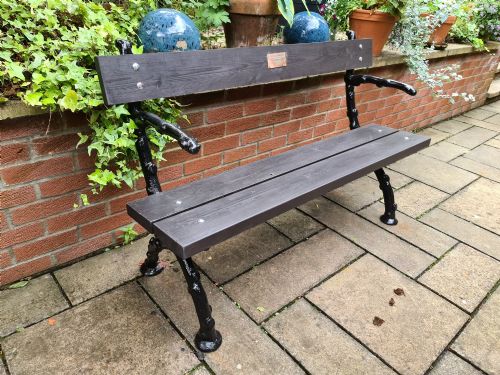
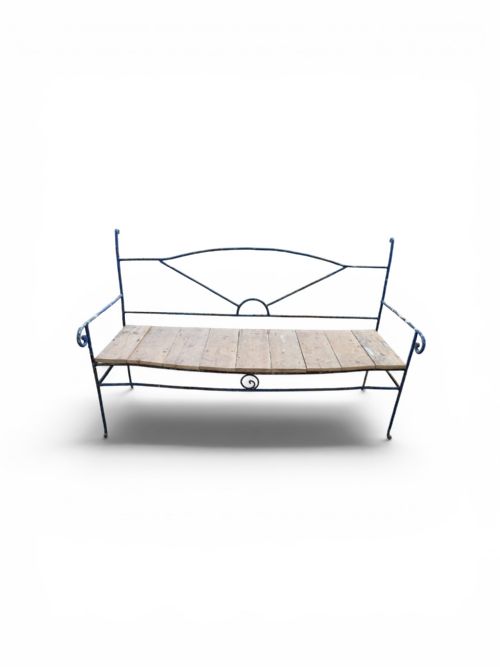
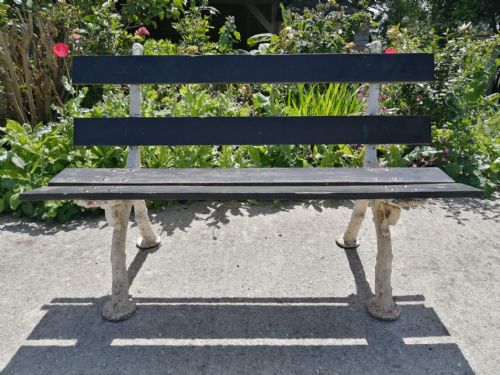
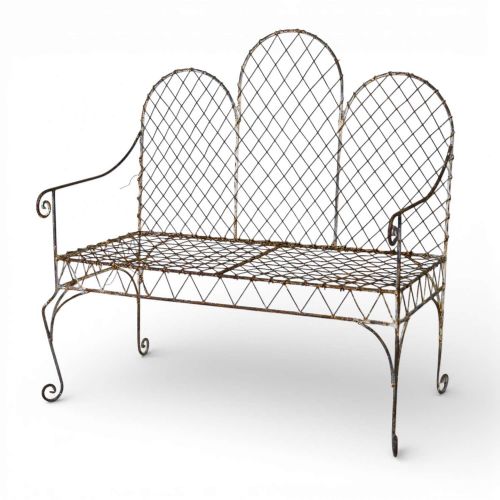
A rustic metal bench provides a sturdy outdoor seat shaped by 19th Century, Victorian, Edwardian, and early 20th Century makers. You will most frequently encounter cast iron and wrought iron garden seats featuring wood or timber elements.
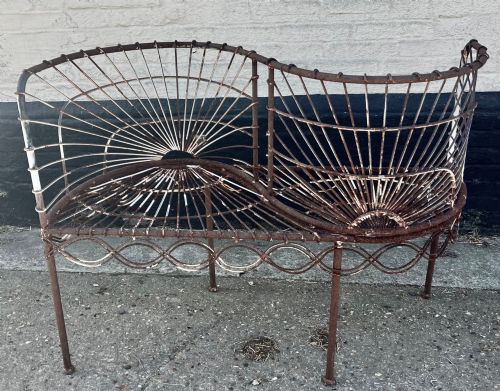
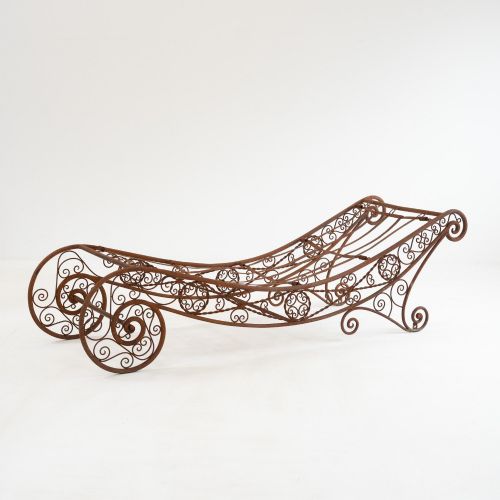
Beyond standard garden benches, the selection includes garden daybeds and French Gothic-influenced variations. These pieces serve both practical seating and decorative roles in gardens, patios, and park settings.
How they were made
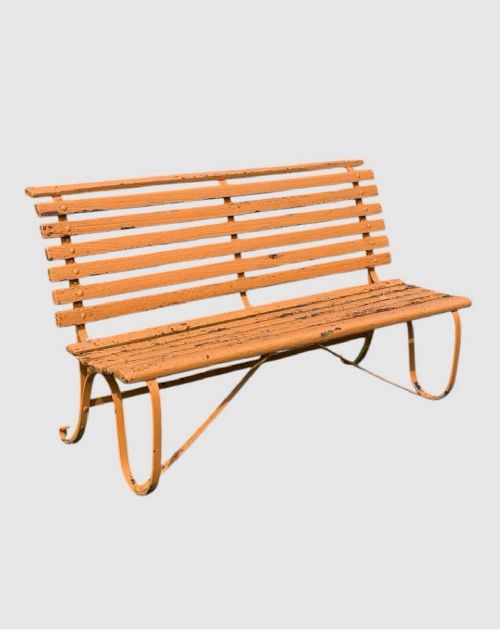
Makers utilised heavy cast iron and wrought iron for structural frames, scrollwork, and detailed supports. These metals were often combined with timber, pine, and wood laths to form comfortable slats for seats and backrests.
Surfaces frequently show layers of original paint or natural verdigris copper finishes acquired through age and exposure. Metal components were shaped using traditional casting and forging techniques.
Rustic Metal Bench Retail Price Guide 2026
Typical asking prices for rustic metal bench among the pieces listed under this phrase on Sellingantiques today, from the lower quarter to the upper quarter. They describe what is for sale here now, not the wider market.
Some benches wear so many coats of paint they look like geological strata.
What varies in quality
Quality rests in the crispness of the iron casting and the complexity of the scrollwork. Pieces featuring named makers or distinct regional styles like French Gothic Revival demand attention for their refined execution.
The integrity of the remaining wood or timber slats relative to the metal frame dictates the overall merit. Original undisturbed paint layers also elevate the character of a piece compared to later refinishing.
Coalbrookdale
The Rustic Metal Bench Glossary
- Cast iron
- Iron poured into a mould to create rigid, highly detailed decorative frames. This material forms the sturdy structural basis for many traditional garden seats.
- Wrought iron
- Iron heated and hammered into shape by hand, producing flexible and durable scrollwork. It is commonly found in linear supports and ornamental rails.
- Verdigris
- A green patina formed naturally on copper and brass through weathering and oxidation. This surface colouring appears on specific metal tops and fixtures.
- Faux bois
- Imitation of wood grain rendered in metal or stone. This decorative technique appears on specialised Victorian garden seating.
- Arras
- A distinct style of French metalwork associated with 19th Century garden furniture. Pieces from this tradition typically feature specific structural riveting and maker markings.
Rustic Metal Bench: Frequently Asked Questions
How do I care for my bench?
Keep the metal clean and dry during harsh winter months to protect any surviving original paint layers and prevent excessive degradation. Applying appropriate protective waxes helps preserve exposed iron.
Inspect the joints where wood meets metal regularly to ensure moisture does not accumulate and weaken the fixings. Gentle maintenance preserves the historic surface character.
Can these benches stay outside?
Most of these pieces were built for outdoor garden use, utilising durable cast and wrought iron frameworks. They withstand typical garden environments while weathering naturally over time.
Severe weather can accelerate wear on older timber components and painted surfaces. Storing them under cover during winter months extends their lifespan.
How old is my bench?
Dating relies on identifying manufacturing styles, such as Victorian scrollwork or Edwardian proportions. Material combinations like cast iron frames with pine slats also offer strong chronological clues.
Maker marks or foundry stamps provide precise attribution when present. Surface finishes with multiple paint layers further indicate extended historical age.
What is faux bois?
Faux bois translates to false wood, describing metalwork cast to mimic the texture of natural timber. This decorative choice was popular during the Victorian era.
Found on specific garden benches, this technique showcases the versatility of iron casting. It merges organic tree forms with industrial metal durability.