





French Garden Bench
A french garden bench brings enduring utility and provincial charm to a terrace, combining durable metalwork with organic silhouettes.
French Garden Bench
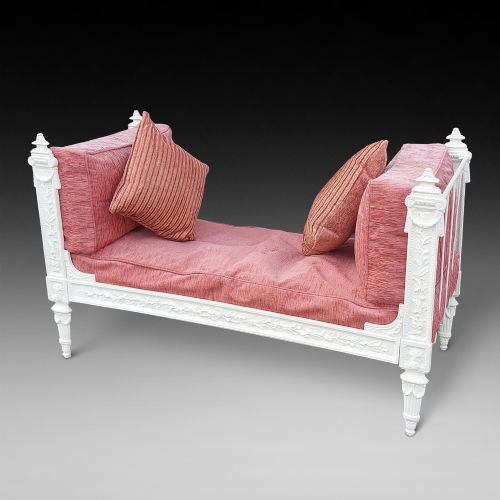
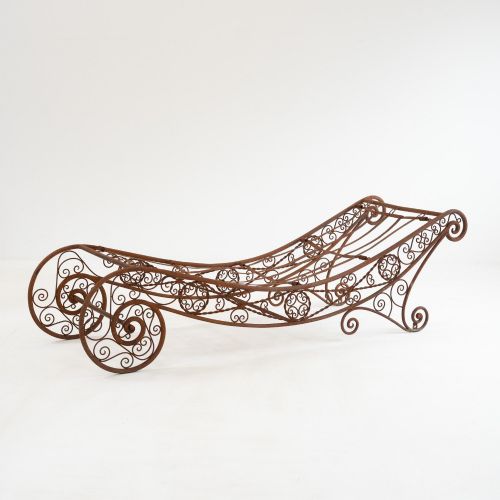
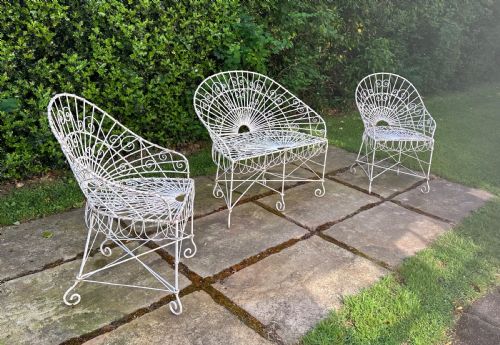
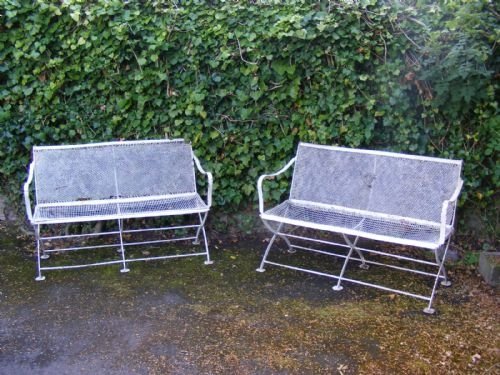
A french garden bench spans several periods, incorporating forms from the nineteenth century through the early decades of the twentieth. These pieces appear as standard garden benches, daybeds, and conservatory seating, often paired with matching chairs or tables.
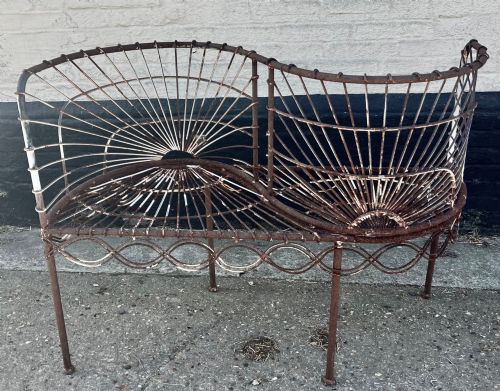
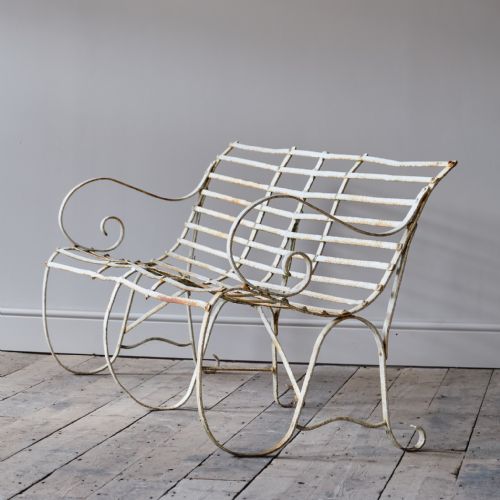
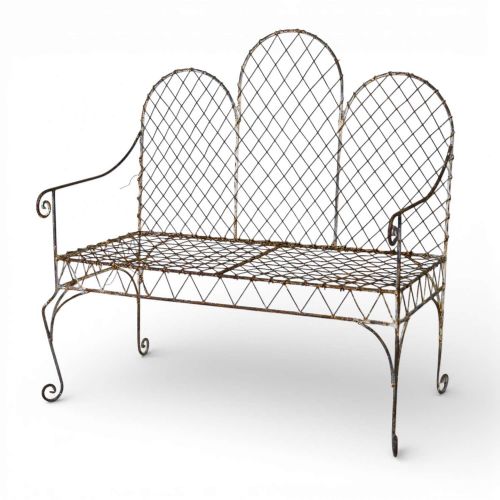
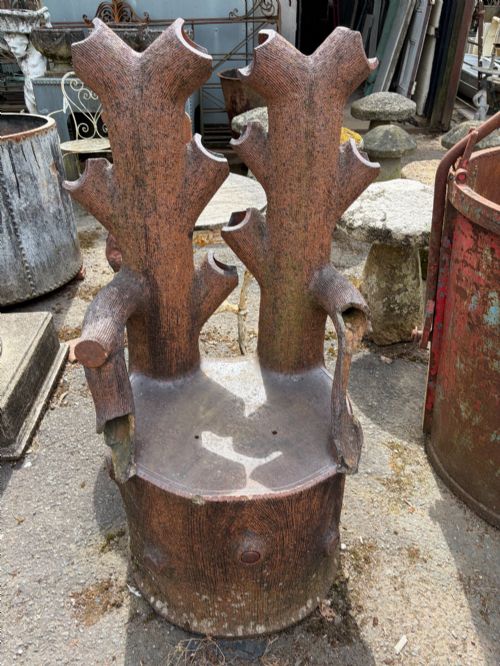
The style draws on regional traditions, featuring French country, gothic revival, and rustic aesthetics. Buyers encounter everything from wirework arbours and strap work benches to faux bois designs mimicking timber.
Originating in domestic gardens, orangeries, and potting sheds, these items reflect both utilitarian outdoor use and decorative conservatory placement. The selection includes standard benches alongside arbours and daybeds intended for relaxed reclining.
Materials and Construction
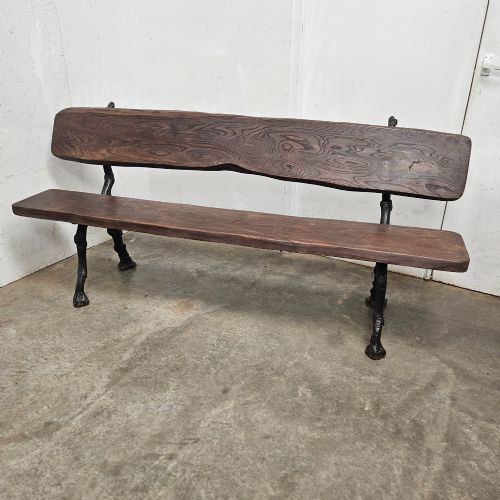
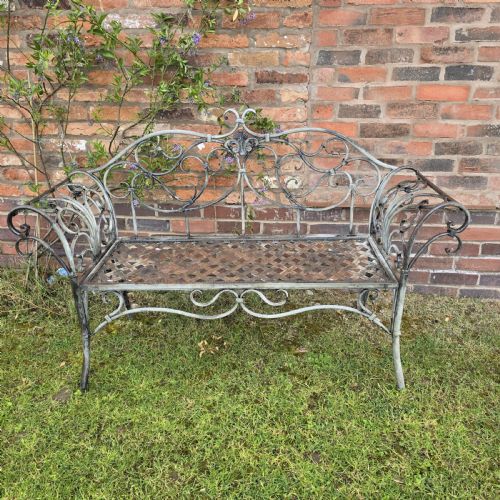
Construction relies heavily on durable metals, specifically cast iron, wrought iron, and steel, shaped into strap work, scrolls, and structural frames. Timber and elm appear in specific designs, occasionally paired directly with iron components.
Surface treatments involve layered applications of paint and the natural development of verdigris on copper elements. Metalwork often demonstrates traditional riveting, bending, and foundry casting techniques characteristic of period workshops.
French Garden Bench Retail Price Guide 2026
Typical asking prices for french garden bench among the pieces listed under this phrase on Sellingantiques today, from the lower quarter to the upper quarter. They describe what is for sale here now, not the wider market.
Certain benches doubling as champagne dining seats ensure refreshment remains within arm's reach during long garden afternoons.
Assessing Craftsmanship and Materiality
Quality separates standard utilitarian items from sophisticated examples through the intricacy of the metalwork and the retention of original surface finishes. Elaborate foundry designs, such as gothic tracery or precise strap work, denote higher workshop standards.
The integrity of the material structure, whether solid cast iron or weathered elm, dictates the overall solidity of the bench. Pieces preserving genuine layers of historic paint or natural verdigris hold greater visual depth than neutral modern repainting.
Val D Osne·Arras
The French Garden Bench Glossary
- Faux bois
- A technique where concrete, metal, or plaster is painted and shaped to imitate natural wood grain. This finish appears frequently on nineteenth-century garden seats and benches.
- Verdigris
- A green patina formed naturally on copper, brass, or bronze through atmospheric weathering. It provides a distinct aged coloration on exposed metal surfaces.
- Strap work
- Ornamental work composed of flat, narrow strips of metal arranged in geometric or interlaced patterns. This method strengthens bench frames while adding decorative detail.
- Arbour
- A shaded garden alcove with a lattice or wirework roof designed for climbing plants. These structures frequently incorporate integrated seating.
French Garden Bench: Frequently Asked Questions
How do I maintain a metal garden bench?
Metal benches tolerate outdoor exposure well, though monitoring surface paint and protective layers prevents excessive corrosion over time.
Storing pieces undercover during harsh winter months preserves the structural integrity and original painted finishes.
Can these benches stay outside year round?
Cast iron, wrought iron, and steel designs withstand normal weather conditions when placed directly on stable ground or paving.
Timber elements and fabric components require additional shelter to protect against persistent moisture and frost damage.
How do I distinguish nineteenth century ironwork?
Nineteenth century examples typically exhibit heavier casting techniques, hand-forged scrollwork, and authentic layered patination rather than uniform modern finishes.
Construction details such as irregular rivets and traditional fastening methods offer reliable indicators of period origin.
Where should I place a conservatory bench?
Conservatory benches suit indoor sunrooms, orangeries, and covered patios where fluctuating humidity remains moderate.
Pairing the bench with matching tables or garden chairs creates a unified seating arrangement within a glasshouse or garden room.