

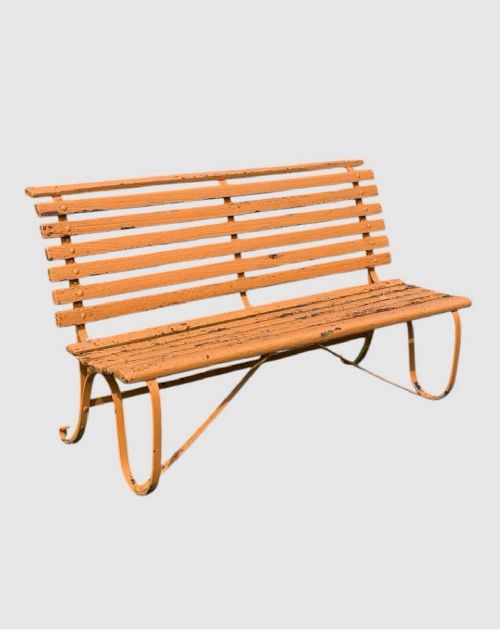
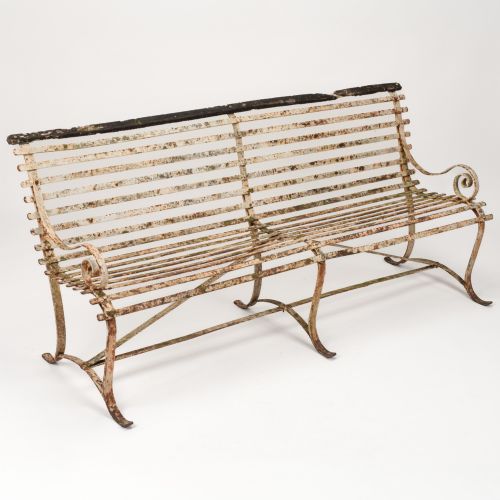


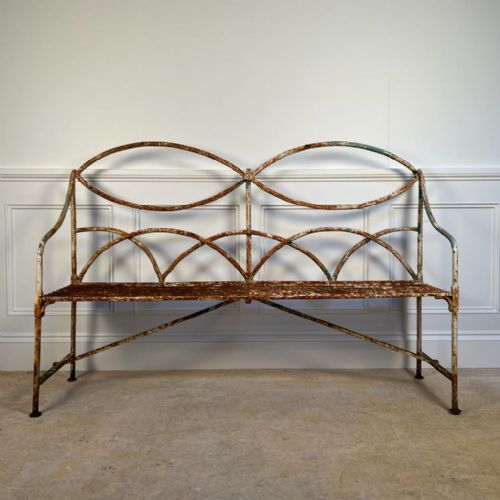


Weathered Iron Garden Bench
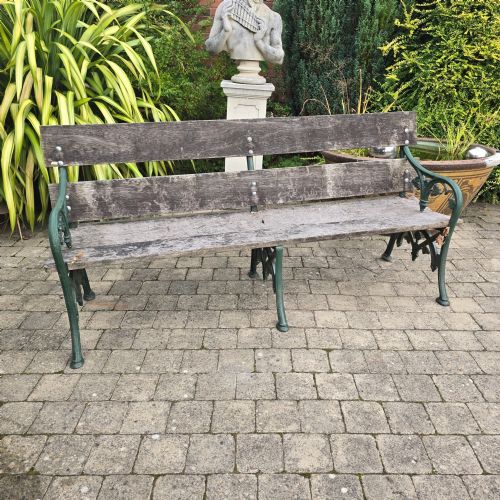
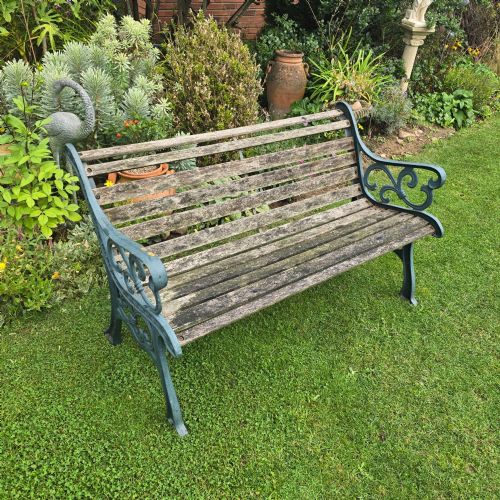
These weathered iron garden bench examples bring enduring structure to outdoor spaces through robust metalwork and time-worn patinas.
Weathered Iron Garden Bench
A weathered iron garden bench grounds a terrace or lawn with heavy metal framing, often softened by wooden slats or paint layers. Buyers navigating this category encounter sturdy seating designed to withstand outdoor exposure across decades.
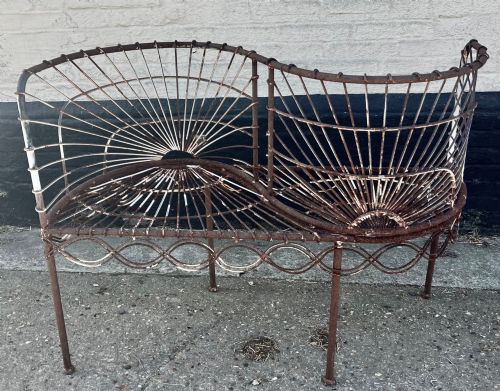
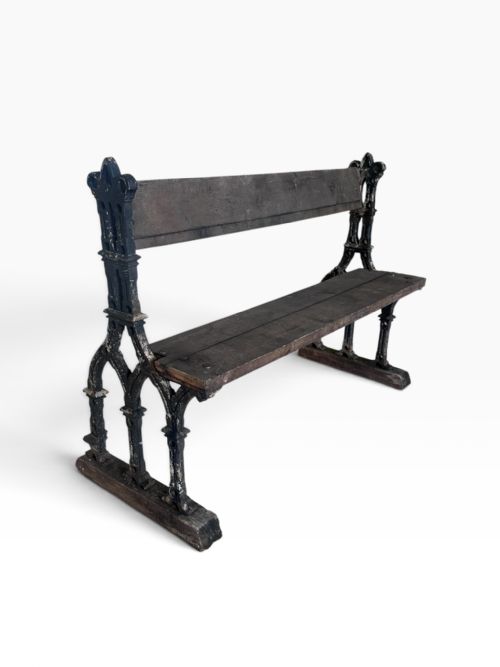
The selections span distinct historical eras, most notably Victorian and Regency periods, alongside later twentieth-century interpretations. Forms range from simple strapwork frames to ornate Gothic arches and scrollwork settees.
Pieces originate from British and French traditions, encompassing both conservatory furniture and heavier park seating. The typical configuration pairs cast or wrought metal supports with timber or iron seating surfaces.
Materials and construction methods
Makers utilised cast iron and wrought iron as the primary structural metals, frequently combining them with timber for seats and slats. Cast components allowed for intricate ornamentation, while forged strapwork provided linear strength.
Surfaces accumulated layers of paint over decades of exposure, creating the characteristic weathered textures seen on surviving examples. Artisans shaped metal through forging and casting techniques suited to heavy outdoor utility.
Weathered Iron Garden Bench Retail Price Guide 2026
Typical asking prices for weathered iron garden bench among the pieces listed under this phrase on Sellingantiques today, from the lower quarter to the upper quarter. They describe what is for sale here now, not the wider market.
Several benches carry generations of green garden moss settled deep within their iron scrolls.
Distinguishing quality in iron garden seating
Quality rests in the crispness of cast ornamentation and the precision of forged strapwork joints. Finer examples display balanced proportions and sophisticated decorative motifs rather than purely utilitarian assembly.
The integrity of the original metal structure and the character of accumulated paint layers determine the visual depth of a piece. Substantial gauge metal and intact structural joins separate superior examples from simpler utilitarian designs.
The Weathered Iron Garden Bench Glossary
- Cast iron
- Iron poured into a mould to create decorative components and structural bench ends. This technique allowed Victorian founders to produce intricate scrollwork and Gothic patterns.
- Wrought iron
- Iron heated and hammered into shape by hand, producing strong and flexible structural elements. Strapwork benches rely on this method for linear bracing and scroll details.
- Strapwork
- Flat strips of metal interwoven or riveted to form geometric patterns on bench backs and seats. This decorative technique appears frequently on Regency and Victorian designs.
- Verdigris
- A green patina formed on metal surfaces through prolonged exposure to weather. It adds distinct visual character to aged garden furniture.
Weathered Iron Garden Bench: Frequently Asked Questions
How do I date an iron garden bench?
Dating relies on stylistic markers such as Victorian Gothic tracery or Regency strapwork, combined with construction methods like early casting techniques.
Changes in metal thickness and fastening types also help establish whether a piece originates from the nineteenth century or later decades.
Are these benches suitable for outdoor use?
These pieces were built specifically for exterior environments, utilising durable iron and robust timber elements designed to withstand weather.
Routine placement on stable ground helps preserve the historic metalwork and any remaining layers of original paint.
What is the difference between cast and wrought iron?
Cast iron is poured into moulds to create rigid decorative forms with detailed patterns, making it ideal for ornate bench ends.
Wrought iron is hammered and bent into shape, resulting in tough, resilient structural frames and strapwork designs.
How should I care for weathered paint?
Preserving original paint layers involves gentle cleaning without harsh abrasives that might strip the historic patination.
Keeping the metal dry during winter months protects both the structural integrity and the aged surface character.