


Cast Iron Park Bench
These cast iron park bench examples bring enduring metalwork and timber to lawns and terraces, offering sturdy seating built to last.
Cast Iron Park Bench
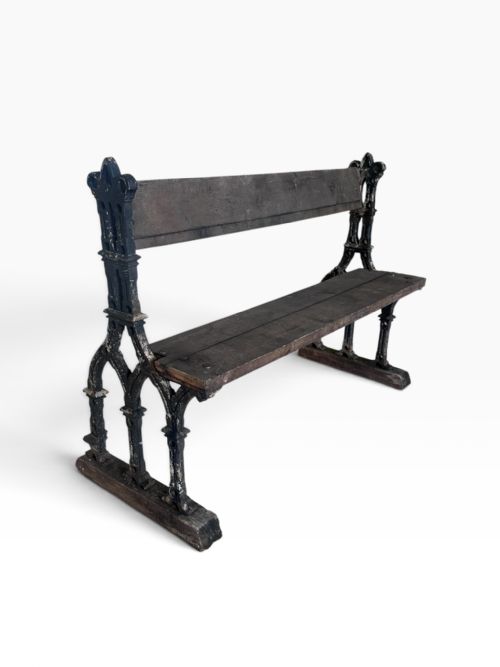
A cast iron park bench represents heavy outdoor seating shaped by Victorian, Gothic Revival and rustic traditions. These pieces combine robust metal ends with wooden slats to create functional furniture for gardens and parks.
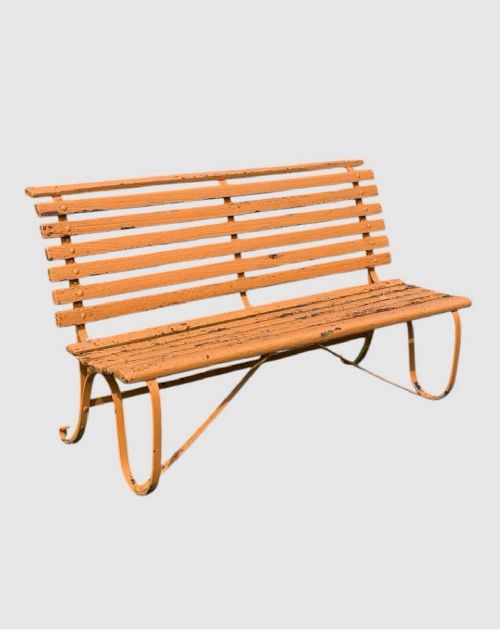
Most examples encountered here date from the nineteenth century, including specific Victorian and faux bois interpretations. Buyers frequently meet garden benches, pairs of armchairs and bench ends designed for outdoor resilience.
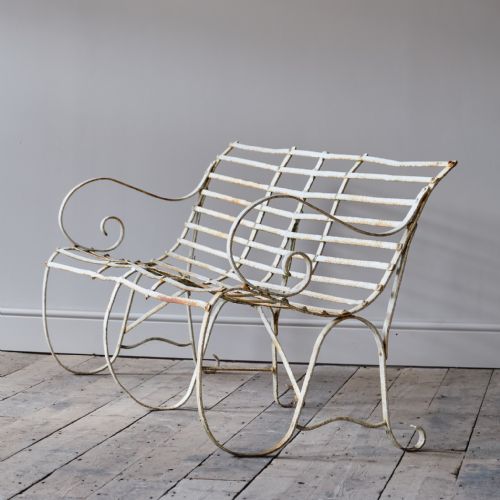
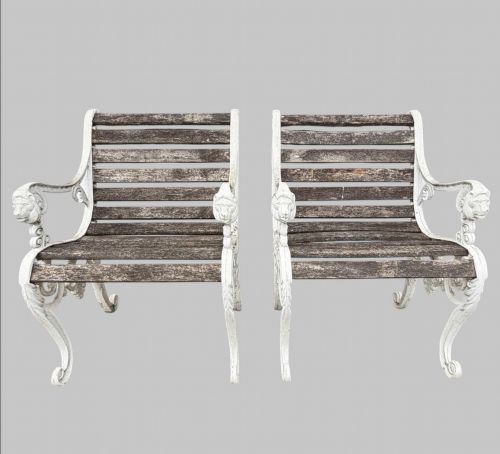
The selection ranges from structural strapwork frames to elaborate lion mask details and French country styles. Each piece reflects the functional requirements of nineteenth-century public and private spaces.
Materials and construction methods
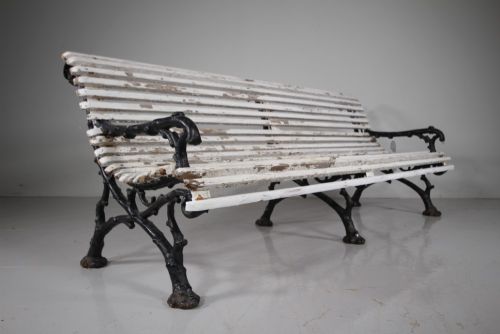
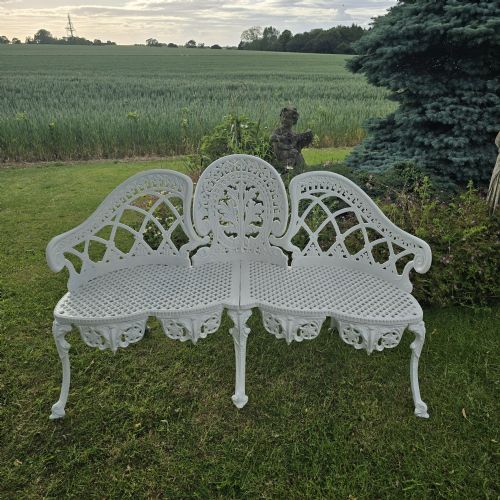
Foundries utilised cast iron and wrought iron for structural ends, frames and decorative backs, pouring molten metal into sand moulds to achieve intricate patterns like faux bois and gothic tracery. These heavy components provide the essential weight and rigidity for outdoor use.
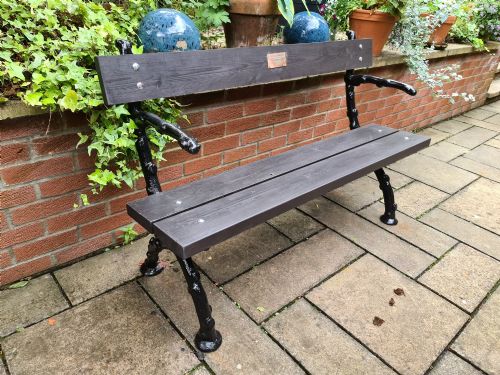
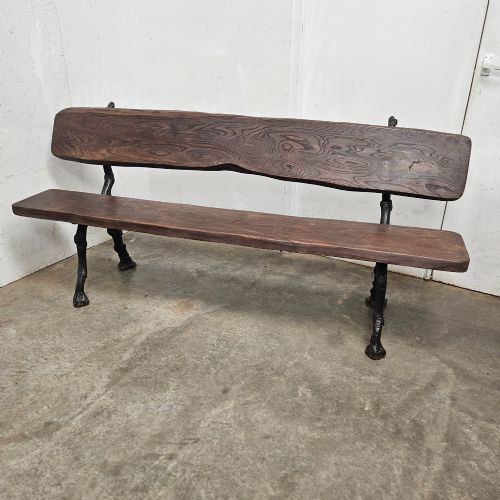
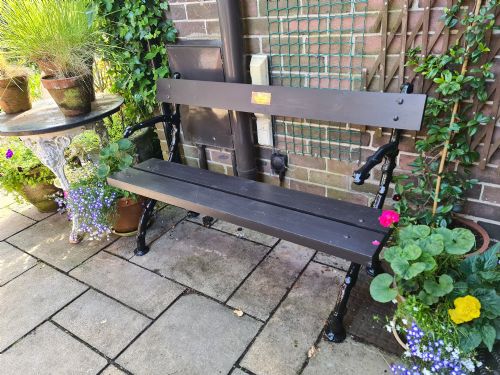
Makers combined the metalwork with timber slats, typically employing elm, teak or general timber secured across the seat and backrest. This combination balanced the cold rigidity of cast iron with a more comfortable surface for sitting.
Finished pieces often received protective layers of paint to guard against weathering on patios and lawns. Some examples also incorporate cast aluminium or supplementary wrought iron elements within their overarching framework.
Some benches feature watchful lion masks peering from the iron armrests, ready to guard your lawn against errant garden gnomes.
Factors of distinction
The refinement of the casting work separates standard production from exceptional foundry output, particularly visible in the crispness of details like foliage, animal masks and gothic arches. Well-executed pieces retain sharp lines and clean relief where lesser items appear softened or blurred.
Structural integrity depends upon the preservation of the original metal components and the correct alignment of the bench ends. Replacements or alterations to the timber slats and fixings alter the historical balance of the piece.
Attribution to documented foundries such as Coalbrookdale or Val D'osne elevates the standing of a bench through recognised design heritage. Unattributed or later revival pieces lack the specific documentation associated with these major nineteenth-century producers.
Coalbrookdale·Val D'osne
The Cast Iron Park Bench Glossary
- Cast Iron
- Molten iron poured into a mould to create rigid, highly detailed structural components. This material forms the primary support for nineteenth-century garden seating.
- Faux Bois
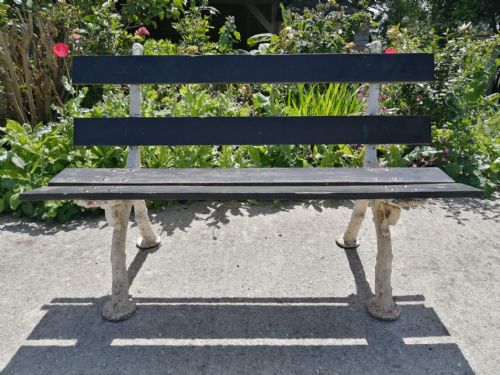
- A decorative technique imitating wooden branches and bark in cast metal or concrete. This naturalistic style appears frequently on nineteenth-century rustic garden benches.
- Bench Ends
- The heavy cast iron or metal side supports that hold the back and seat slats together. Pairs of these structural pieces sometimes survive independently of their original timber.
- Gothic Revival
- An architectural and decorative style drawing inspiration from medieval forms, featuring pointed arches and trefoils. This aesthetic heavily influences nineteenth-century park seating designs.
- Strapwork
- Ornamental work composed of flat, interlaced bands resembling leather straps. This technique provides geometric rigidity and pattern on iron garden furniture frames.
Cast Iron Park Bench: Frequently Asked Questions
How do I maintain a cast iron park bench?
Keep the metal clean and apply protective paint coatings when the surface shows wear to prevent oxidation. Check the timber slats regularly and treat the wood to withstand outdoor conditions.
Ensure the fasteners securing the wood to the cast iron frame remain secure without stressing the metal. Position the seat on a flat, stable surface to prevent twisting the structure during use.
Can these benches stay outdoors all year?
Cast iron and timber outdoor seating is built for exterior environments, though severe winter weather can accelerate timber decay and metal oxidation. Covering the furniture or storing it under shelter during prolonged wet periods helps preserve the materials.
Avoid leaving wooden slats sitting directly in standing water or damp soil during the colder months. Regular airflow around the entire structure prevents moisture from trapping against the iron joints.
How do I identify a Victorian piece?
Examine the weight, casting clarity and decorative vocabulary, as nineteenth-century examples often feature heavy metal sections and distinct gothic or rustic motifs. Look for signs of age in the iron surface and the method used to join the slats.
Documented designs from this era frequently align with known foundry catalogues from the period. Construction methods, such as specific bolt types and hand-finished details, further indicate nineteenth-century manufacture.
Are replacement slats acceptable?
Replacement timber is common on historic garden seating because wood naturally deteriorates outdoors long before the iron frame fails. New slats allow the furniture to remain functional while retaining the original metal structure.
Matching the timber species, such as teak or elm, and following traditional fixing methods maintains the visual integrity of the piece. Period-appropriate timber selection respects the history of the bench.