


Edwardian Garden Bench
An edwardian garden bench brings enduring timber and iron construction into lawns and terraces, offering both sturdy seating and period character.
Edwardian Garden Bench
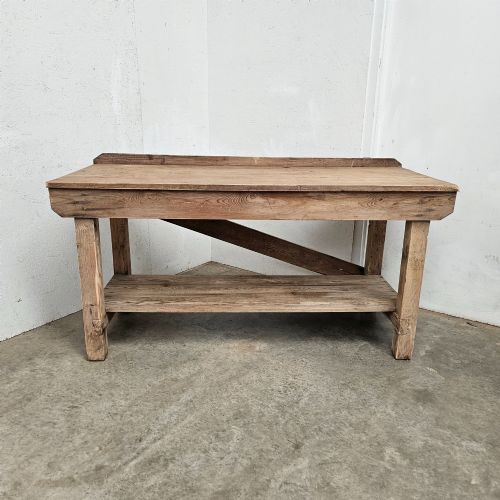
When you search for an edwardian garden bench, you encounter seating solutions spanning the early twentieth century alongside related forms like potting tables and railway benches.
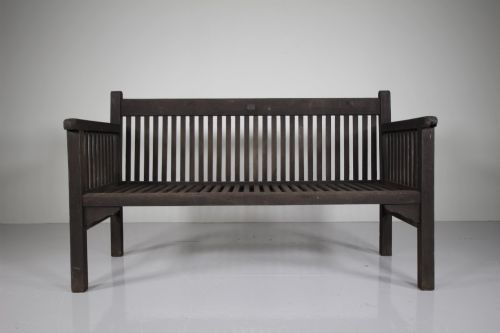
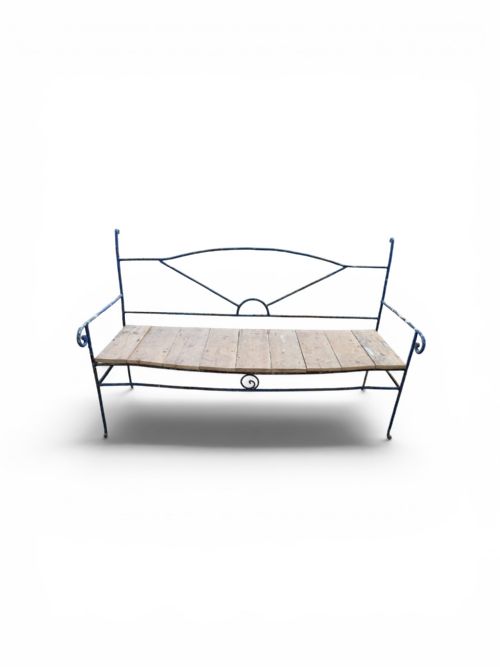
The most common versions on this page combine teak, pine, or oak timbers with cast or wrought iron frames, originating from domestic gardens and public grounds.
Makers such as Heals of London, Boulton & Paul, and F Bird & Co frequently appear in the record, establishing a distinct pedigree for these seats.
How they were made
Construction relies on durable hardwoods like teak and oak paired with heavy cast iron, wrought iron, or pine to withstand outdoor exposure.
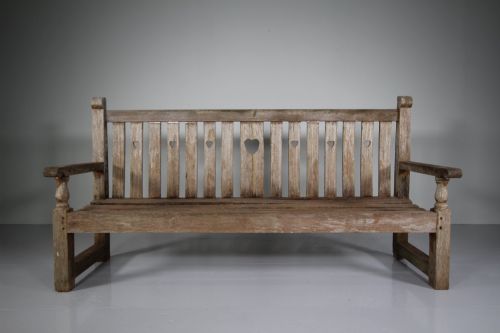
Techniques include strap-work framing, heart motif carvings, and slatted timber seating secured to metal supports.
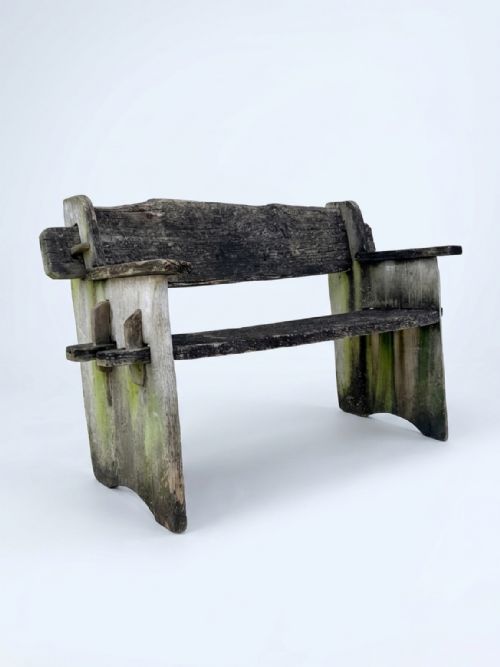
Surfaces often retain traces of original paint or weather down to a silvered patina over decades of weathering.
Several benches spent their youth at cricket grounds and railway stations before retiring to domestic lawns.
What varies in quality
Quality differentiates by the presence of maker attribution, such as labels or stamped foundry names, which anchor the provenance.
The complexity of ironwork, from simple cast frames to elaborate wrought strap-work and heart motifs, elevates the distinction of individual examples.
Heals of London·Boulton & Paul·F Bird & Co
The Edwardian Garden Bench Glossary
- Strap-work
- Flat strips of iron riveted or joined to form supportive geometric patterns on bench backs and seats. This technique provides structural rigidity while adding decorative flair.
- Orangery
- A glazed building used for protecting delicate plants through winter, housing furniture like planting tables and benches. These forms often share construction traits with outdoor seating.
- Weathered wood
- Timber exposed to the elements that develops a silvered or grey surface patina over time. It indicates natural ageing without artificial staining.
- Wirework
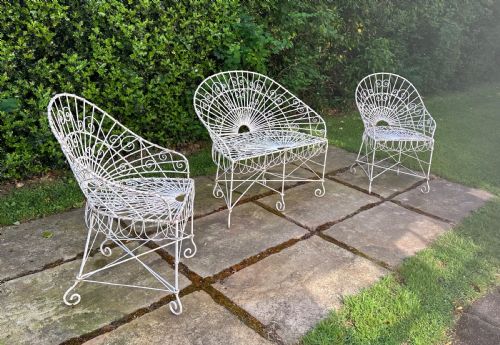
- Light metal rods woven into open lattice designs for garden arbours and plant supports. This method creates airy, permeable structures for climbing flora.
Edwardian Garden Bench: Frequently Asked Questions
How do I identify an Edwardian garden bench?
Look for specific material combinations like teak slats fixed to cast iron frames, along with period motifs such as heart cut-outs or strap-work.
Maker labels or historical provenance in the listing also help confirm the manufacturing era.
Can these benches stay outdoors year round?
Most examples use resilient timbers like teak and robust metals designed to withstand exterior conditions for decades.
Applying protective oils to the wood helps maintain the condition against moisture.
What is the difference between cast iron and wrought iron?
Cast iron is poured into moulds to create rigid, decorative bench ends with distinct relief patterns and heavier profiles.
Wrought iron is worked by hand into straps and braces, offering greater flexibility and resilience.
How should I care for weathered teak?
Teak naturally turns a silvered grey colour when exposed to sunlight and rain without losing structural strength.
Leaving the surface untreated allows this protective patina to develop naturally over time.