

Arts and Crafts Plant Stand
These arts and crafts plant stand pieces bring sturdy organic form and honest utility to any room.
Arts and Crafts Plant Stand
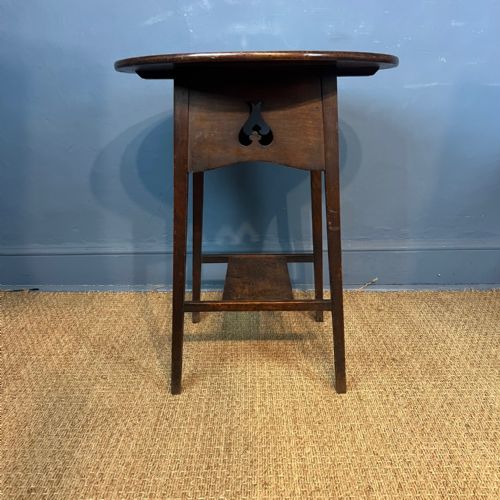
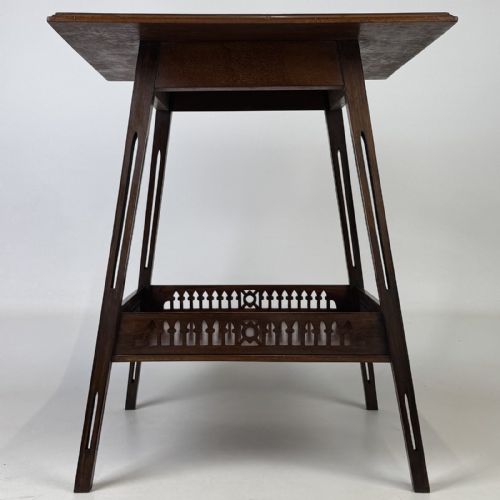
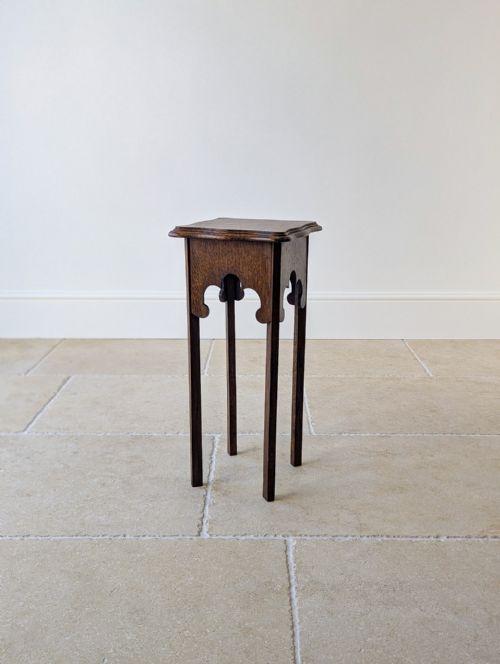
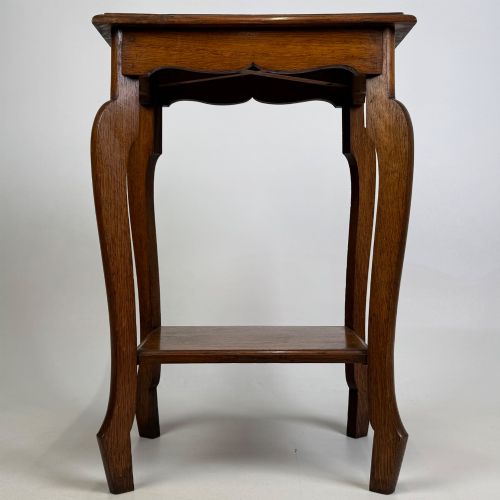
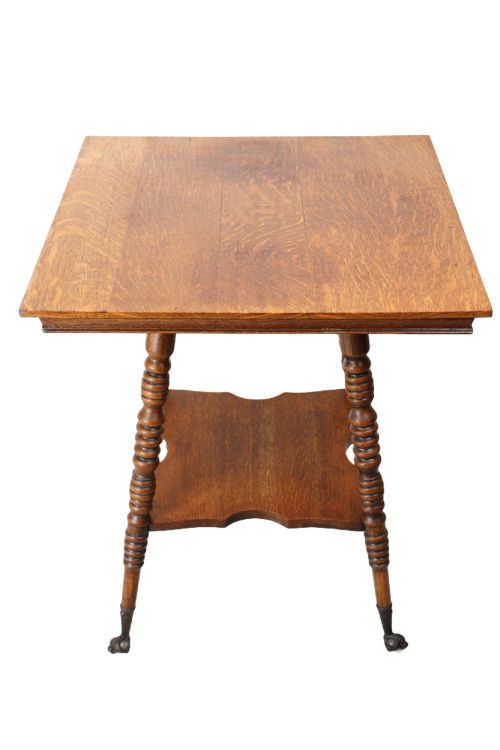
An arts and crafts plant stand combines utility with the honest structural expression characteristic of the movement. These pieces served to elevate potted plants, jardinières and ferns within domestic interiors.
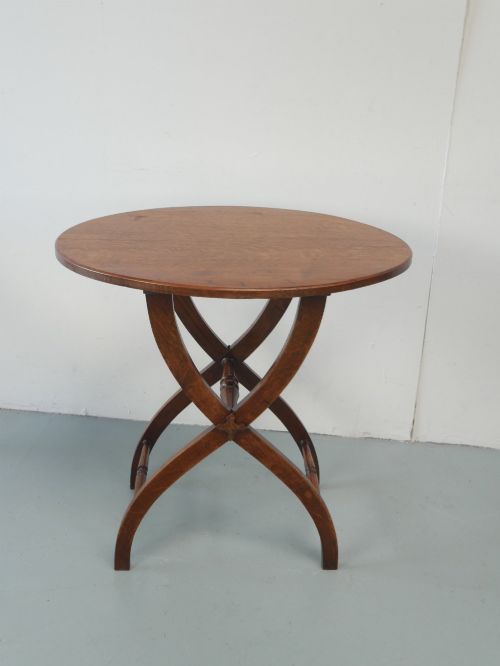
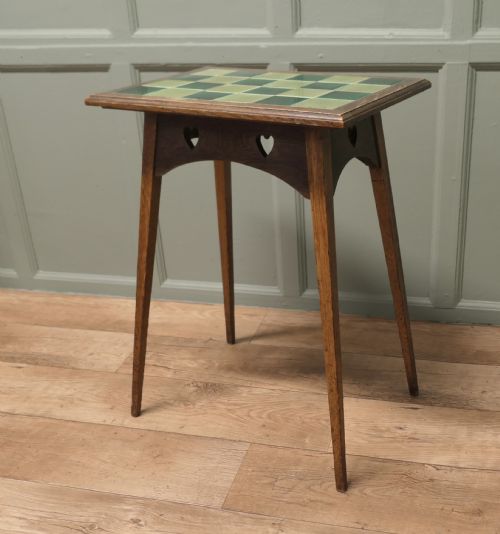
The selection ranges from tall stands and torcheres to occasional side tables and display units. Oak forms the backbone of the selection, accompanied by mahogany, walnut, pine, bamboo, brass, steel and ebonised wood.
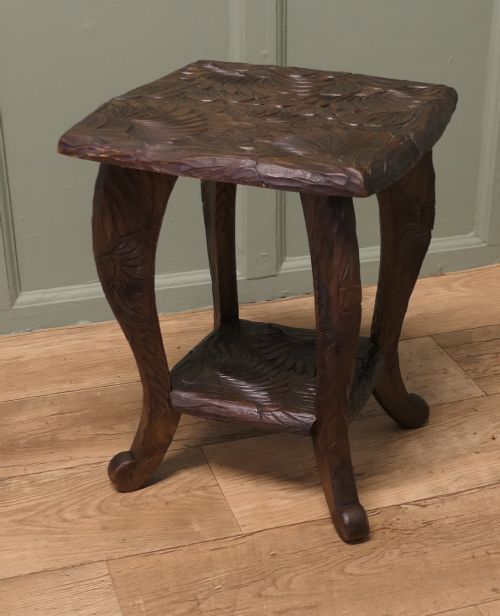
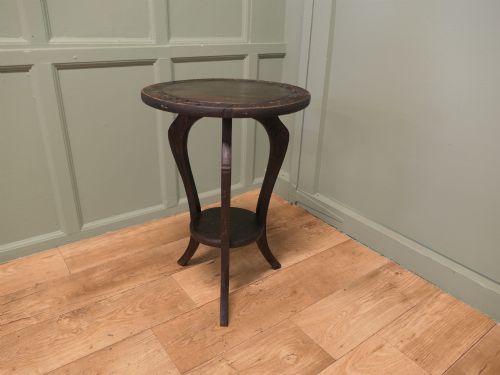
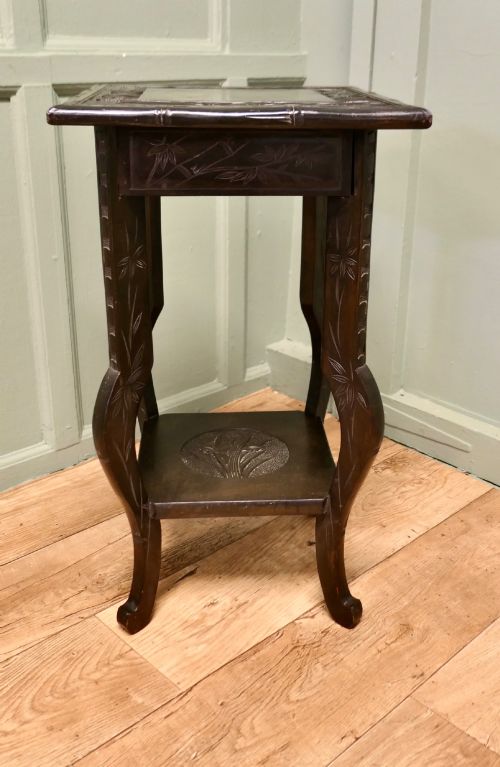
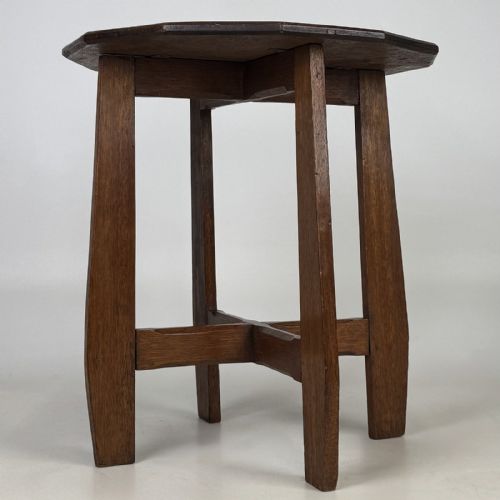
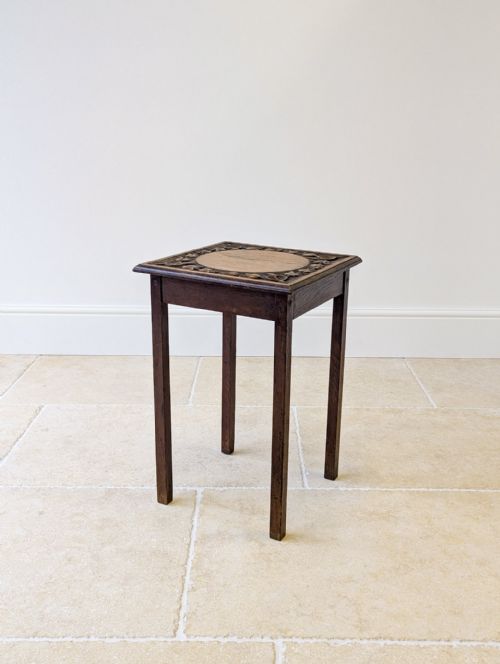
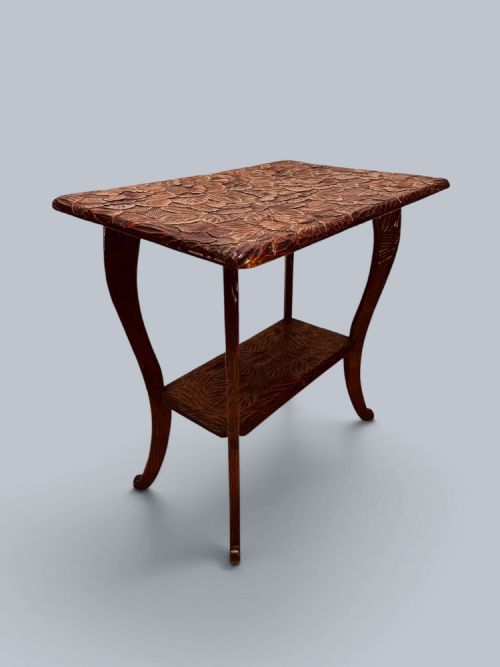
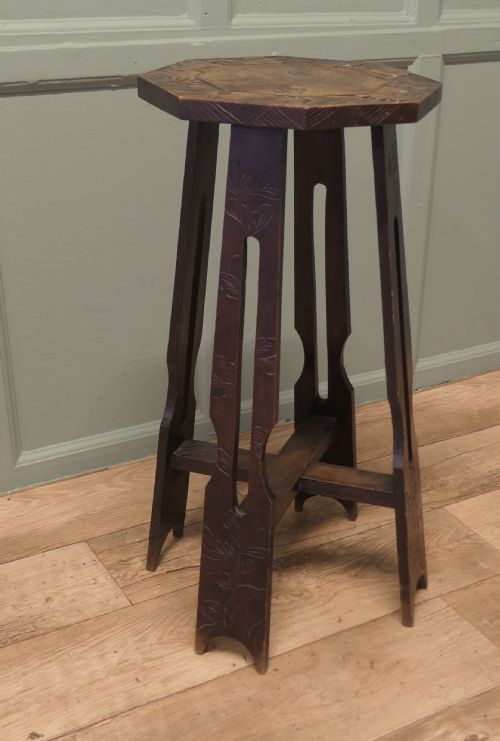
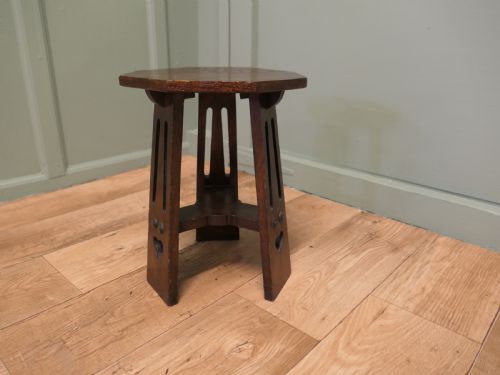
Dating primarily from the 1900 to 1910 period, the designs encompass Edwardian interpretations alongside Liberty taste and Liberty-esque forms. Octagonal tops, carved details and occasional painted finishes appear frequently across the pieces.
How they were made
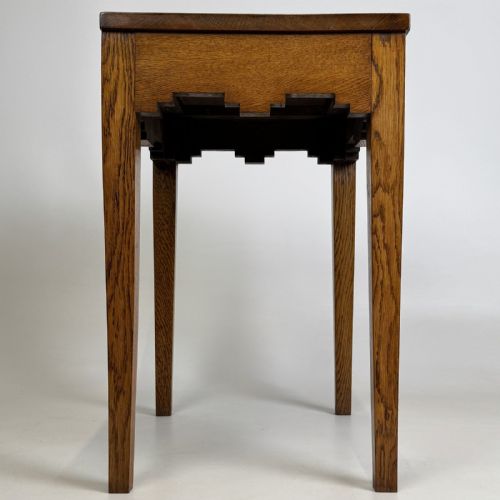
Cabinetmakers constructed these arts and crafts plant stand examples using solid timbers like oak, mahogany and walnut, alongside bamboo and turned woods. Joinery was kept visible and straightforward to honour the materials themselves.
Metal elements incorporate solid brass, steel and copper components, often hand-hammered or patinated. Finishes span original green paint, ebonised surfaces, and polished natural grain.
Arts and Crafts Plant Stand Retail Price Guide 2026
Typical asking prices for arts and crafts plant stand among the pieces listed under this phrase on Sellingantiques today, from the lower quarter to the upper quarter. They describe what is for sale here now, not the wider market.
Materials across these listings span oak, mahogany, walnut, pine, bamboo, brass, steel, and ebonised wood.
What varies in quality
The distinction between standard production and finer work lies in the choice of timber selection and the precision of the joinery. Heavier solid oak and dense mahogany denote sturdier execution than lighter pine or bamboo alternatives.
Decorative ambition separates simpler forms from pieces associated with retailers like Liberty and Co. Hand-carved detailing, unusual octagonal geometries, and intact original painted surfaces elevate the status of individual examples.
Liberty and Co
The Arts and Crafts Plant Stand Glossary
- Jardinière
- A large ornamental pot or stand designed specifically to hold live plants and flowers indoors.
- Torchere
- A tall, slender stand originally intended to support a lamp, frequently utilised for displaying plants.
- Ebonised
- Wood treated with a chemical stain or finish to imitate expensive ebony.
- Liberty taste
- Design characteristics reflecting the distinctive aesthetic promoted by the London retailer Liberty and Co.
Arts and Crafts Plant Stand: Frequently Asked Questions
What is an arts and crafts plant stand?
An arts and crafts plant stand is a domestic piece designed to elevate pots and jardinières, rooted in the design principles of the early twentieth century.
These items prioritise visible construction and practical utility over excessive ornamentation.
How were these stands used originally?
In period homes, they held potted ferns and flowering plants in parlours and hallways to bring nature indoors.
Some tall torcheres and side tables also doubled as display surfaces for decorative objects.
What materials are typical for these stands?
Solid oak is the predominant timber, though walnut, mahogany, pine and bamboo also appear in the evidence.
Metal versions utilise solid brass, steel and copper, sometimes paired with wooden elements.
How do you date an arts and crafts stand?
Dating relies on stylistic markers associated with the 1900 to 1910 period, including Edwardian influences and Liberty-esque designs.
Construction methods and material choices help align pieces with this timeframe.