
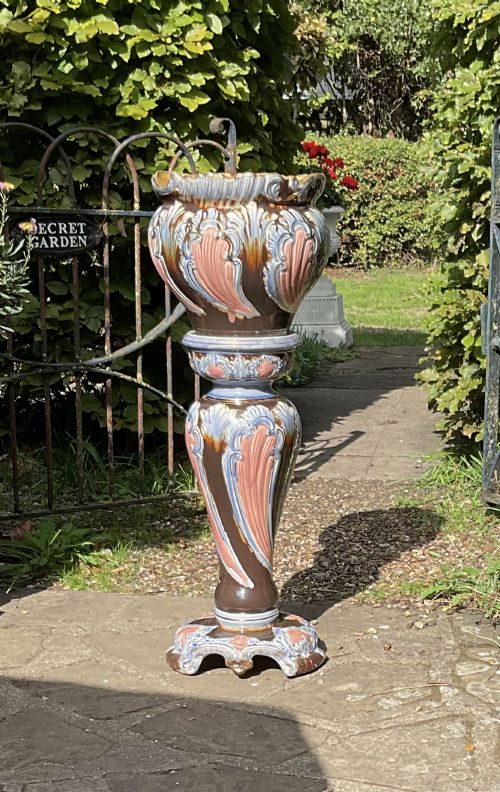
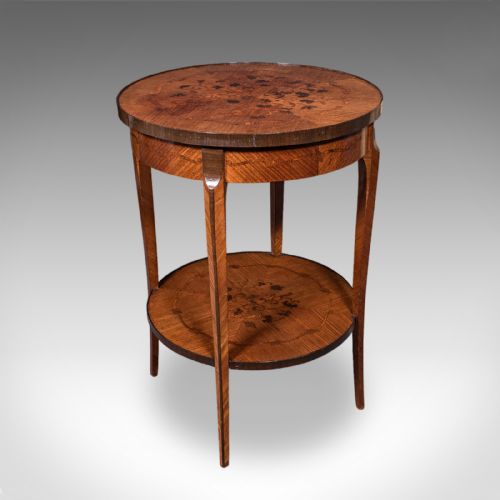
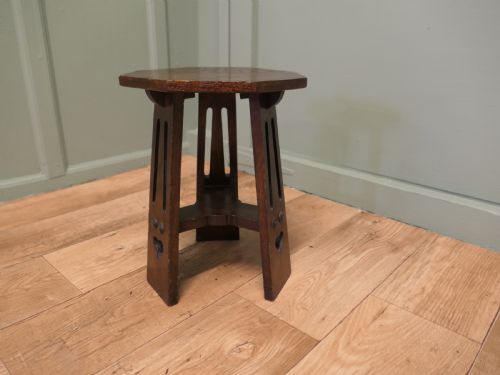
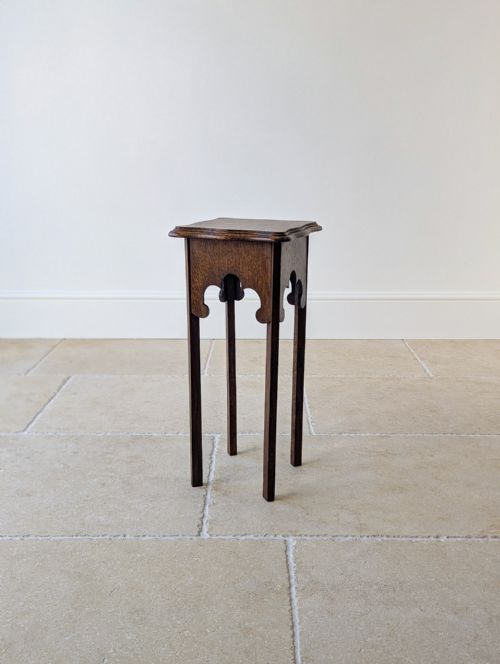
Vintage Jardiniere Stand
A vintage jardiniere stand holds heavy potted flora, elevating greenery to frame domestic interiors with architectural presence.
Vintage Jardiniere Stand
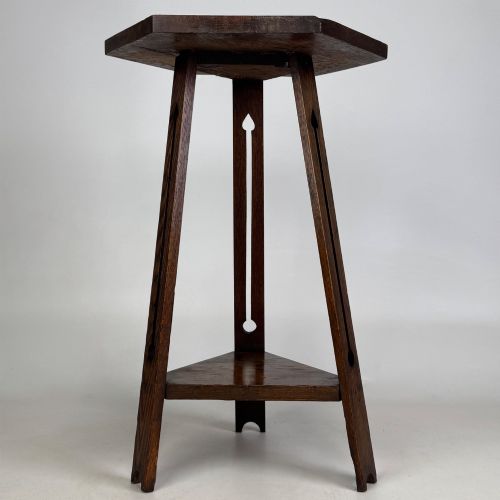
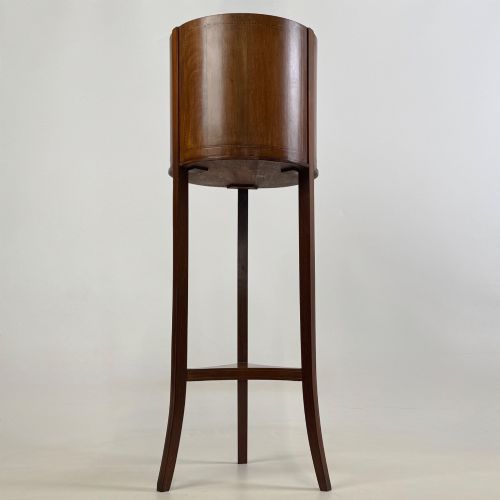
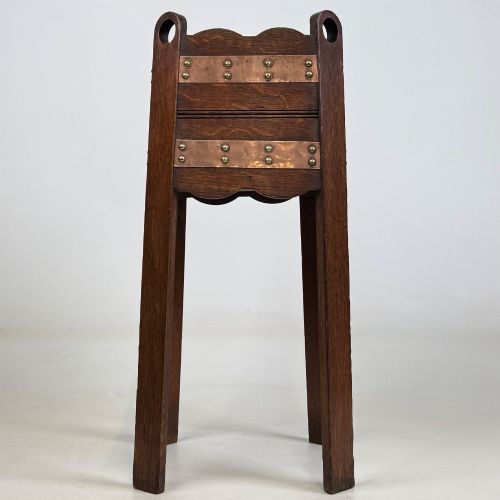
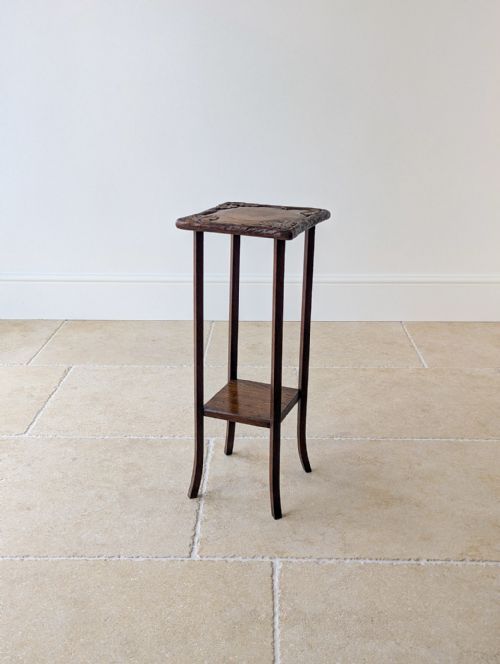
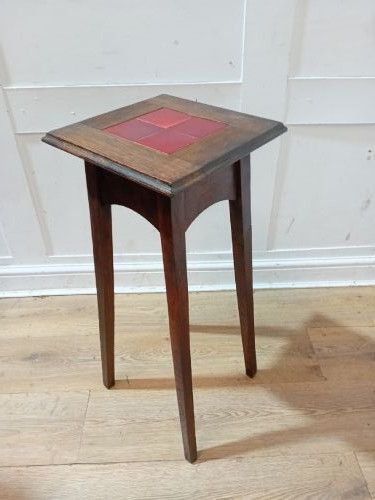
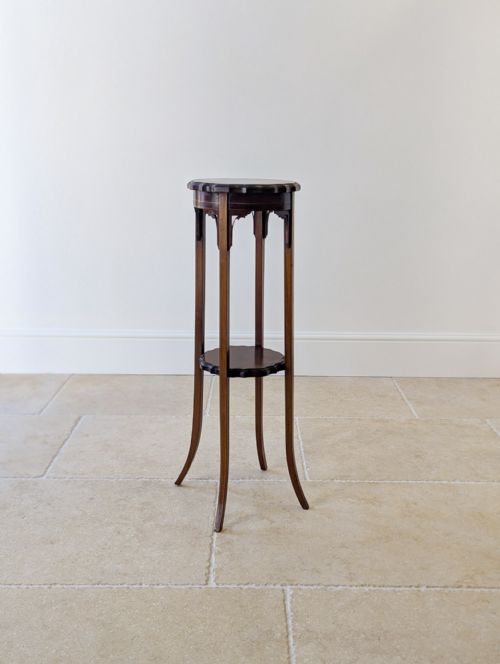
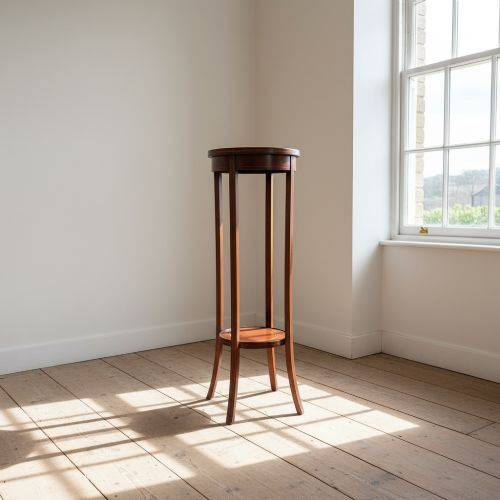
A vintage jardiniere stand provides elevated support for indoor plants and garden urns, anchoring botanical displays within the home. These pieces emerge predominantly from the Edwardian era and the nineteenth century, taking the form of tall plant pedestals, multi-tiered occasional tables, and heavy garden planters.
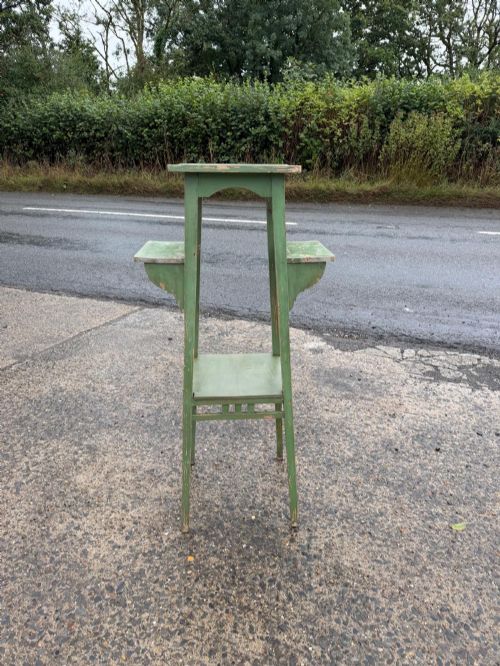
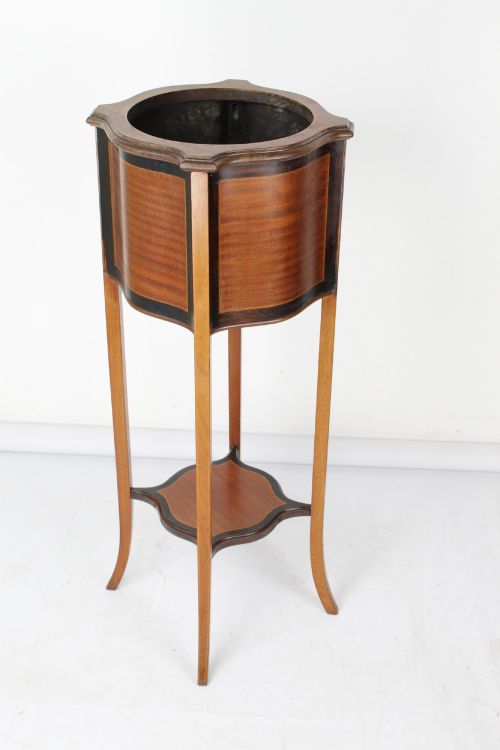
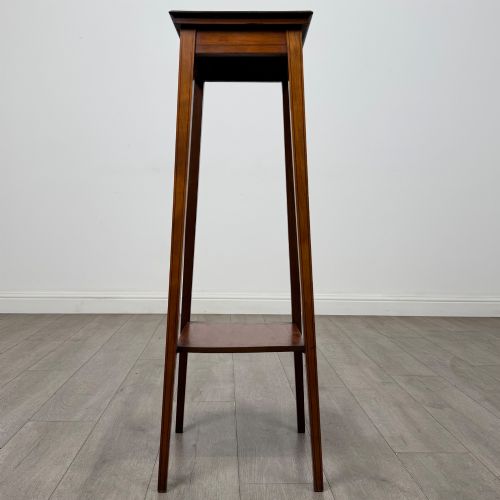
Buyers meet sturdy oak examples bearing Arts and Crafts influences alongside slender mahogany Edwardian supports inlaid with light wood. French variants introduce burr walnut, kingwood, and ormolu mounts, reflecting Louis XVI style and nineteenth-century craftsmanship.
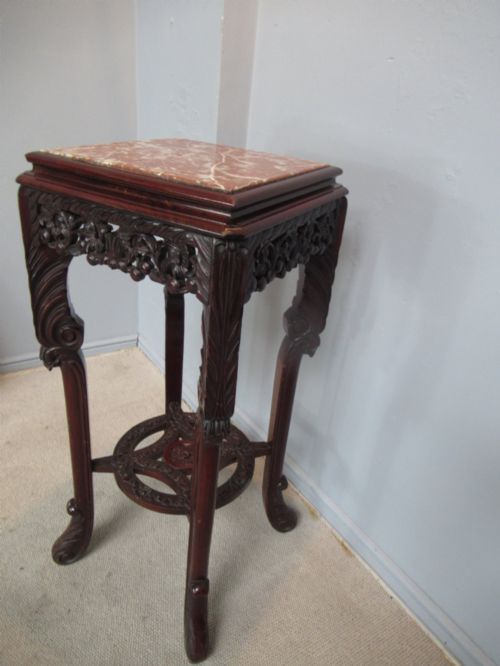
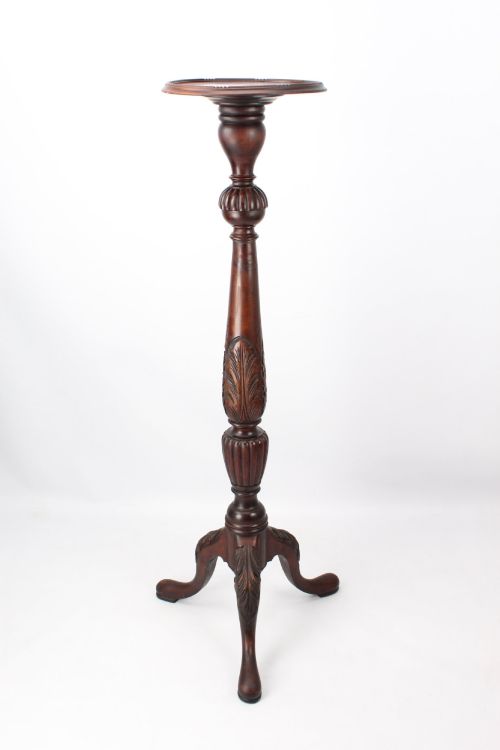
Functional designs range from simple tripod bases and octagonal tabletops to elaborate wrought iron scrollwork and marble-topped pedestals. Forms shift fluidly between dedicated plant holders and occasional side tables adapted for horticultural display.
Distinctions in craftsmanship
Construction rigidity separates robust examples from fragile pieces, as supporting heavy ceramic planters and damp soil requires sound joinery. The weight of the timber and the stability of the base determine how securely the stand bears downward pressure.
Decorative detail distinguishes standard production from finer examples, seen in precise marquetry inlay, cast ormolu mounts, and hand-forged scrollwork. Original surfaces, whether polished wood or early paint, preserve the integrity of the period manufacture.
Cast iron planters shaped as leaping shrimp bring nineteenth-century marine whimsy directly into the conservatory.
The Vintage Jardiniere Stand Glossary
- Jardiniere
- An ornamental pot or stand for holding plants or flowers. It often sits on a dedicated pedestal or forms an integrated table unit.
- Torchere
- A tall stand traditionally used to support a lamp or candle. In plant display contexts, it provides elevated support for trailing foliage.
- Dinanderie
- Objects made of brass, copper, or bronze, typically associated with vessel making and embossed decorative metalwork. This technique creates textured surfaces on brass jardiniere bodies.
- Ormolu
- Gilded bronze mounts applied to furniture and decorative objects. French pieces frequently utilise these cast metal ornaments around wood frames.
- Marquetry
- Inlaid wood veneers arranged in decorative patterns on furniture surfaces. Edwardian mahogany stands frequently employ this technique on tabletops and columns.
Vintage Jardiniere Stand: Frequently Asked Questions
What is the difference between a jardiniere stand and a plant stand?
A jardiniere stand specifically accommodates a plant container or pot holder, often incorporating a lined well or raised rim for moisture control. Standard plant stands provide a flat surface intended to support a separate flowerpot.
While both share tall vertical proportions, jardiniere designs frequently emphasise decorative metal liners or heavier stone tops designed to handle wet garden environments.
How do I protect the wood from water damage?
Historic timber surfaces require physical separation from damp flowerpots to prevent staining and warping. Inserting a waterproof saucer or tray inside the jardiniere bowl contains moisture.
Wiping away condensation immediately after watering preserves the original polish and prevents ring marks on mahogany and walnut tabletops.
Where should I place a heavy marble-topped stand?
Marble-topped stands require level flooring due to their substantial weight distribution. Placing them away from direct heat sources prevents timber shrinkage around the stone insert.
These sturdy surfaces suit heavier ceramic planters, including Majolica vessels and cast iron urns, which demand robust foundational support.