
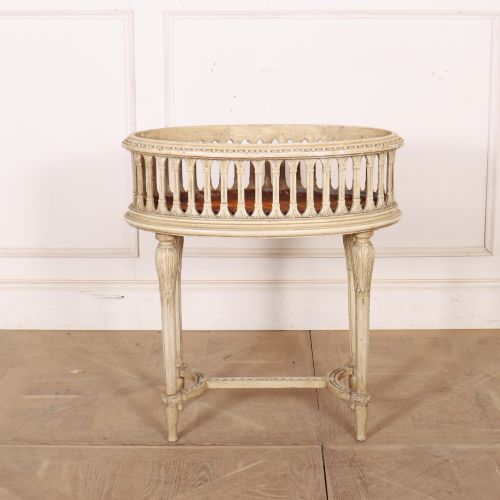

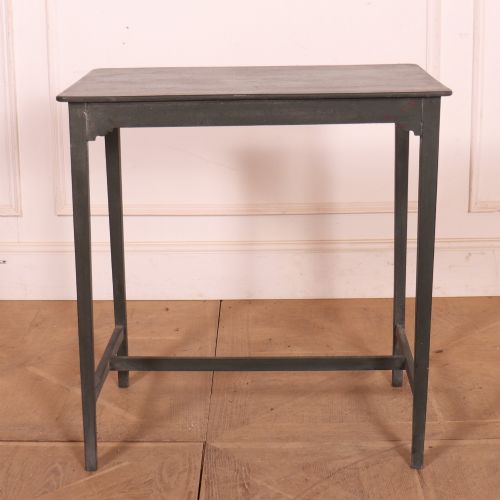


Painted Wooden Plant Stand
A painted wooden plant stand elevates greenery with colour and structure, bringing height and decorative presence to a room.
Painted Wooden Plant Stand
A painted wooden plant stand encompasses pedestals, columns, torchieres and jardiniere holders designed to display plants and decorative objects. These pieces emerge primarily from the nineteenth century, including Victorian, Regency and Edwardian eras, alongside later pieces from the early twentieth century.
The selections span various regional styles such as French Chateau, Gustavian, English Country, Gothic Revival and Anglo-Indian designs. Buyers frequently encounter tall columns and side tables serving as plant stands, pedestals and sculpture supports.
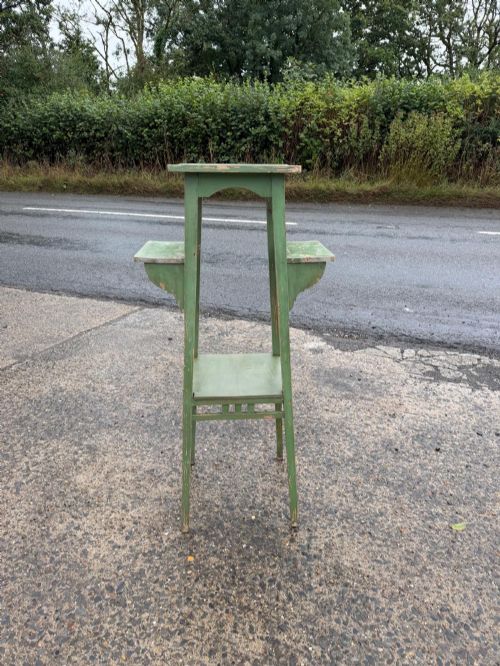
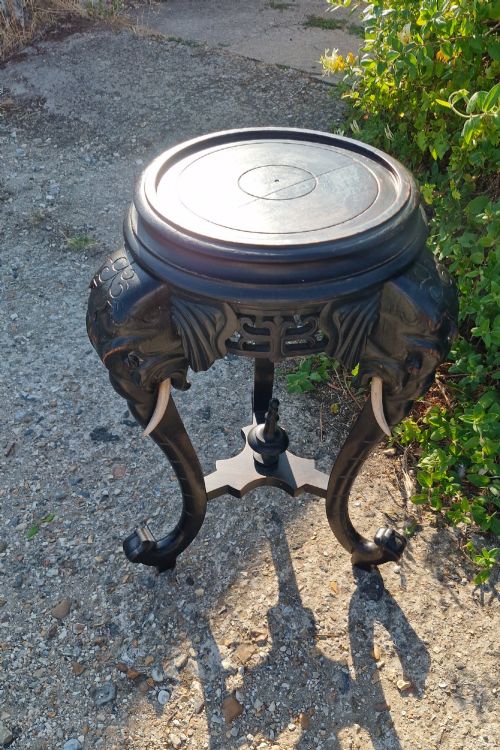
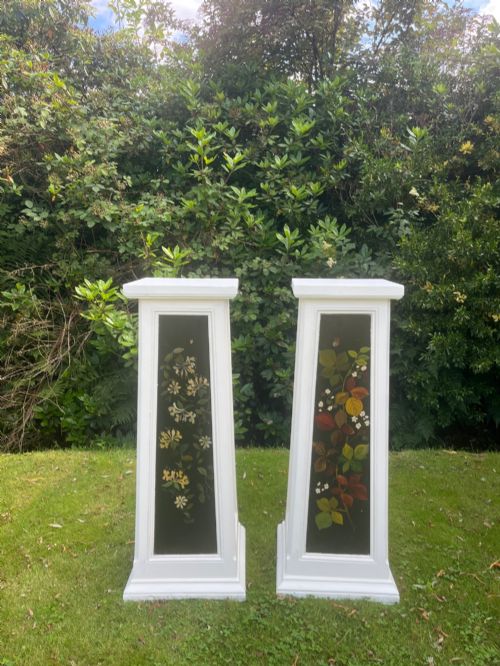
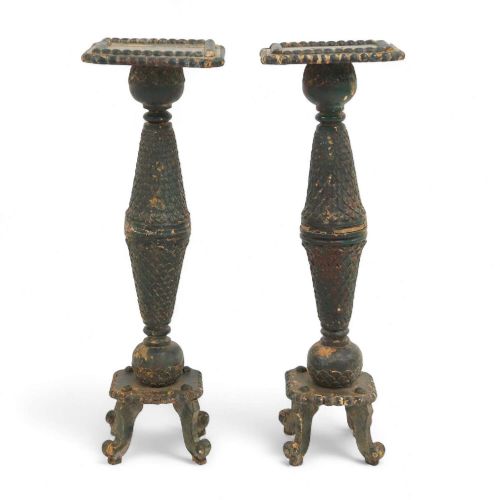
Forms range from simple pine columns to carved wooden elephants, lacquered Asian pedestals and gilt torchieres. These items function as focal points in halls, drawing rooms and garden rooms.
Materials and Surface Techniques
Construction relies upon woods such as pine, oak, satinwood, ash and mahogany, shaped through turning and carving. Artisans applied gesso to create smooth surfaces for subsequent decoration.
Decorative finishes define these objects, utilising original paint, grain painting, faux marble effects and gold leaf. Lacquer and carved details appear on specific regional items, particularly those from Asian and Indian workshops.
Periods represented reach from the eighteenth century through Victorian, Regency and Edwardian eras into the early twentieth century.
Defining Quality in Painted Stands
Quality rests in the survival of original surface finishes, where untouched original paint, graining or faux marble elevates the standing of the piece. The crispness of carved wooden details and turned columns further separates standard items from finer examples.
Proportion and structural integrity matter greatly, as taller columns and pedestals require balanced weight distribution to support heavy planters or sculptures safely. Finer pieces demonstrate careful joinery and deliberate artistic execution in their decorative schemes.
Marguerite
The Painted Wooden Plant Stand Glossary
- Torchere
- A tall stand or pedestal originally designed to hold a light source such as a torch or candle, later adapted for plants and sculptures. These pieces often feature slender columns and decorative bases.
- Faux marble
- A painted surface finish designed to imitate the appearance of real stone such as marble. Artisans applied skilled brushwork to mimic natural mineral veining on wood or gesso.
- Pedestal
- A support or base for a statue, vase or plant, usually cylindrical or square in section. They vary from plain architectural columns to highly ornate carved supports.
- Gesso
- A plaster-like mixture applied to wood surfaces to provide a smooth base for painting and gilding. This material allows for crisp carved details and rich surface finishes.
- Jardiniere
- An ornamental pot or stand for holding plants or flowers, often matching the decorative style of the surrounding interior. These items integrate botanical displays into domestic rooms.
Painted Wooden Plant Stand: Frequently Asked Questions
How were plant stands used historically?
Plant stands served to elevate potted plants into better light and warmer air within nineteenth century homes. They also acted as decorative display furniture in drawing rooms and reception halls.
Wealthy households used tall torchieres and pedestals to showcase exotic specimens and decorative urns. This placement protected wooden floors from water damage while creating vertical interest in interior spaces.
Where should I place a pedestal stand?
These stands fit well in corners, empty wall spaces or flanking doorways where height can break up horizontal furniture lines. They provide strong focal points in hallways and living areas.
Ensure the location offers enough floor space for stable placement, particularly with tall columns or heavy sculptures. Placing them away from direct foot traffic protects both the stand and the displayed object.
How do I care for original painted surfaces?
Dust surfaces gently with a dry, soft cloth and avoid chemical cleaners that can damage historic paint layers. Keep pieces away from direct sunlight and damp conditions to preserve the wood and finish.
Watering plants should happen away from the stand to prevent moisture from pooling on the painted wood. Using a protective liner beneath pots prevents accidental water marks on antique surfaces.
How can I tell the period of a stand?
Dating relies on examining the construction timber, tool marks, joinery methods and the style of the turned or carved decoration. Victorian and Regency pieces often show distinct proportions and architectural influences.
Surface finishes also indicate age, as original paint, gesso application and graining methods evolved over the nineteenth and twentieth centuries. Comparing the form to established design periods helps confirm the era of manufacture.