


Vintage Faux Bamboo Stand
These vintage faux bamboo stand pieces bring simulated organic reed forms into interiors, offering decorative utility shaped by nineteenth and twentieth-century design periods.
Vintage Faux Bamboo Stand
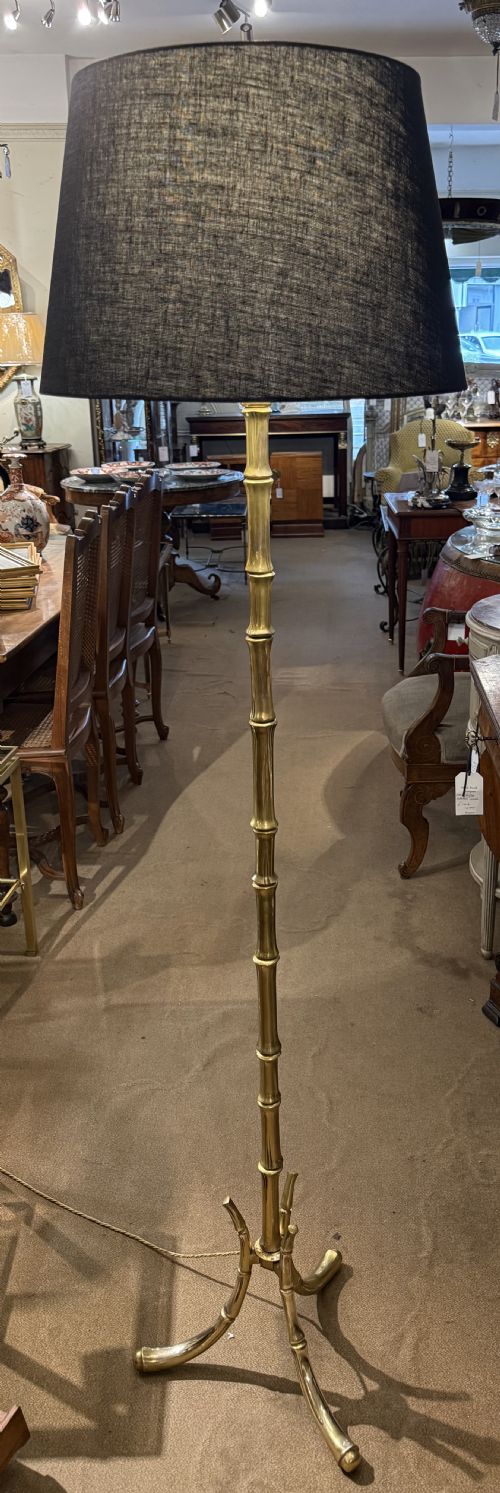
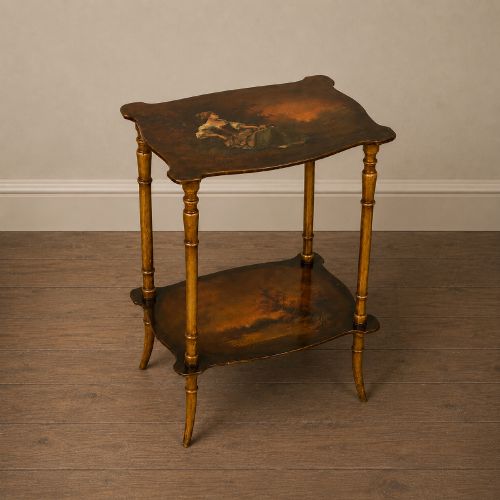
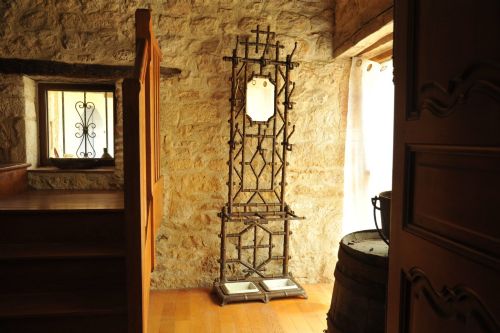
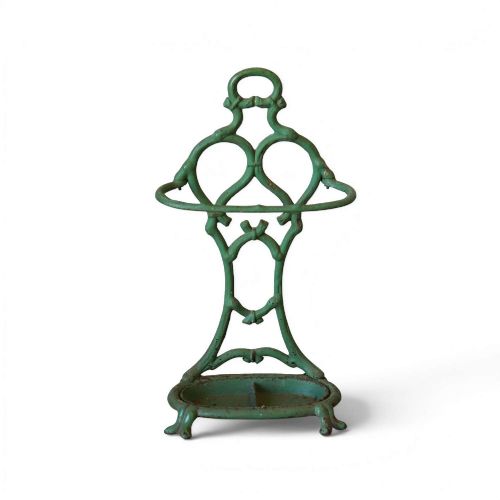
A vintage faux bamboo stand takes several practical forms across the listings, appearing most frequently as umbrella or stick holders, side tables, and occasional furniture. These items draw on periods ranging from the Victorian era and Edwardian years through to the 1930s.
Makers utilised diverse influences, combining French Chateau, Hollywood Regency, Chinese Export, and Chinoiserie styles. Buyers meet pieces designed for hallways, libraries, and bedrooms, serving specific domestic tasks with distinct structural outlines.
How they were made
Makers constructed these stands using cast iron, painted wood, brass, and pine, applying surface paint and gilding to simulate natural cane joints. Metalwork techniques shaped durable frames for umbrella stands, whilst woodwork created lighter tables and cabinets.
Decorative detailing incorporates glass, mirrors, and tole trays, reflecting the diverse stylistic approaches of Victorian Aesthetic Movement, Art Nouveau, and Georgian Revival workshops.
Listings feature items spanning from the Victorian era through the Edwardian period up to 1930, utilising cast iron, painted wood, and brass.
What varies in quality
Quality separates items by the fidelity of the simulated bamboo moulding and the execution of the surface paint or gilding. Hand-painted finishes and substantial cast iron structures reflect greater workshop care than simpler production methods.
The integration of secondary materials, such as brass fittings or mirrored glass, distinguishes standard domestic items from more decorative examples produced during the Edwardian and later periods.
Maison Bagues
The Vintage Faux Bamboo Stand Glossary
- Faux bamboo
- Simulated cane ornamentation carved into wood or cast into metal. This decorative technique mimics natural reed nodes.
- Étagère
- An open tiered piece of furniture used for display. These multi-level stands hold small objects or books.
- Tole
- Enamelled and painted sheet metal. Artisans utilised this material for decorative trays mounted on frames.
- Chinoiserie
- European interpretation of Chinese artistic motifs. This style heavily influenced decorative stands during specific periods.
Vintage Faux Bamboo Stand: Frequently Asked Questions
Where did people place these stands?
Victorian and Edwardian households positioned these items in hallways to manage wet umbrellas and walking sticks. Their decorative nature also suited reception rooms and bedrooms.
Today, buyers continue to use them near entryways or as side furniture in living spaces, blending practical utility with historical character.
How are different periods identified?
Dating relies on material combinations and stylistic markers such as cast iron construction versus painted wood. Victorian and Edwardian examples often show distinct aesthetic influences.
Earlier nineteenth-century pieces display heavier cast iron frames, whilst later twentieth-century items incorporate brass and specific revival styles.
Are these stands heavy?
Weight depends entirely on the primary material utilised in construction. Cast iron umbrella stands provide substantial heft to prevent tipping.
Wood and brass variations remain lighter, allowing easier movement between rooms as occasional tables or magazine racks.
Can these items hold umbrellas?
Stands designed specifically as umbrella or stick holders feature durable metal or wood bases suited for damp items. Cast iron versions handle daily hallway use effectively.
Other variations function as tables or cabinets, serving dry domestic purposes rather than utility storage.