


Late 19th Century Nightstand
A late 19th century nightstand brings practical bedside storage and period character to a bedroom through traditional forms like walnut cabinets and marble top tables.
Late 19th Century Nightstand
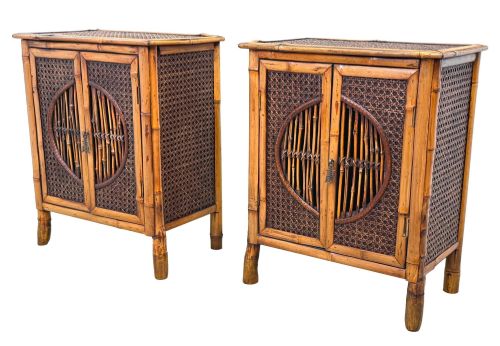
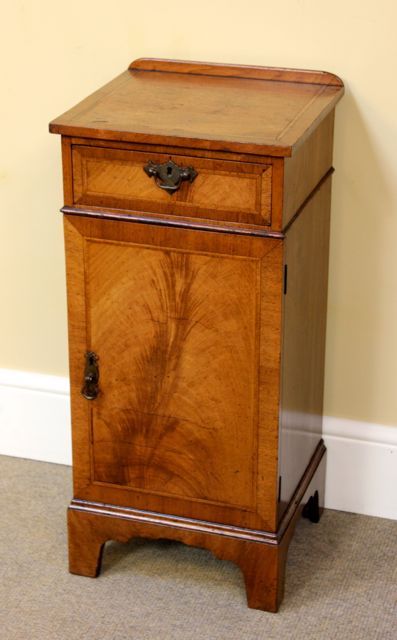
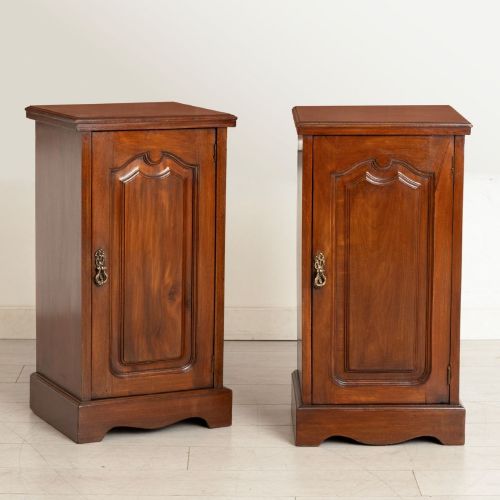
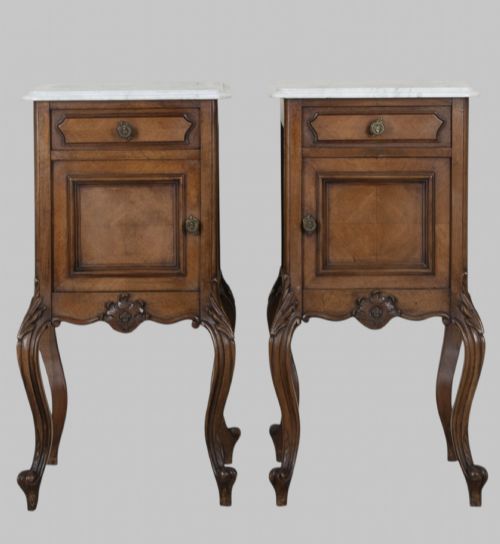
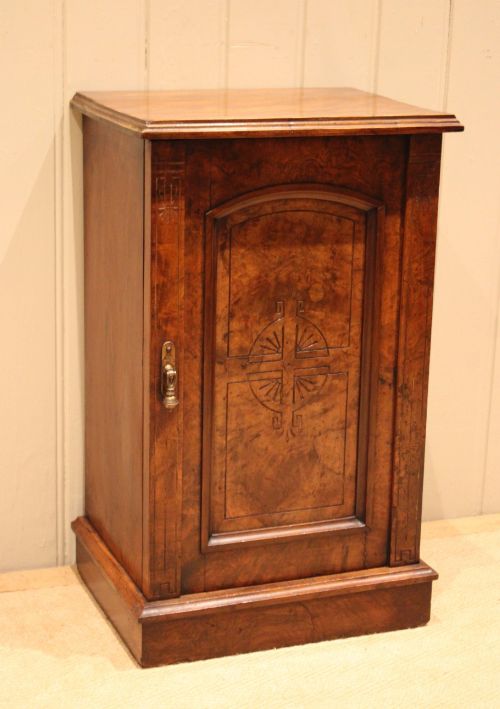
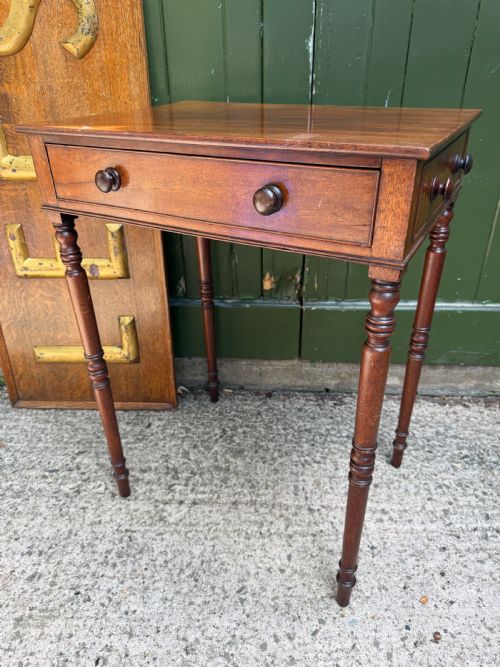
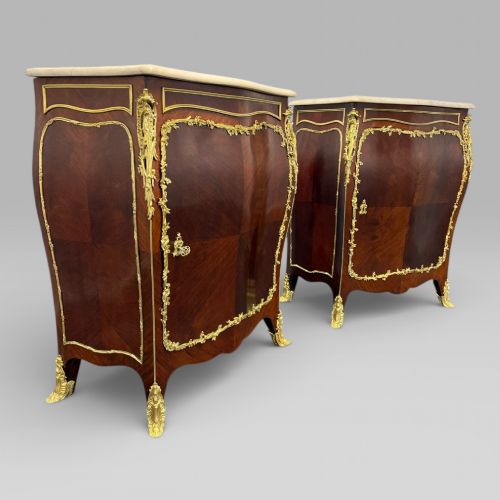
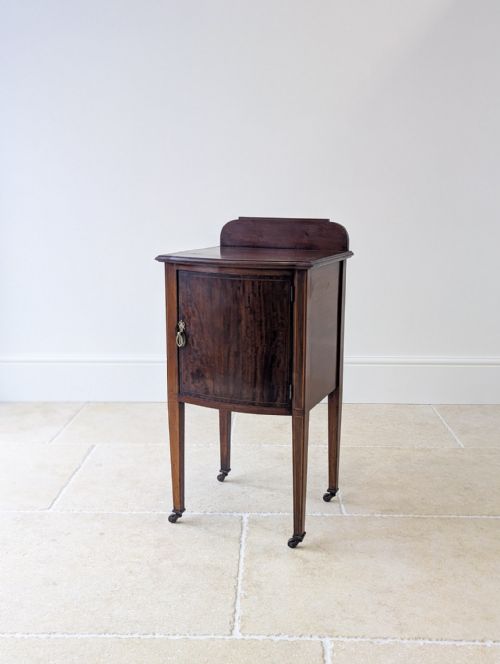
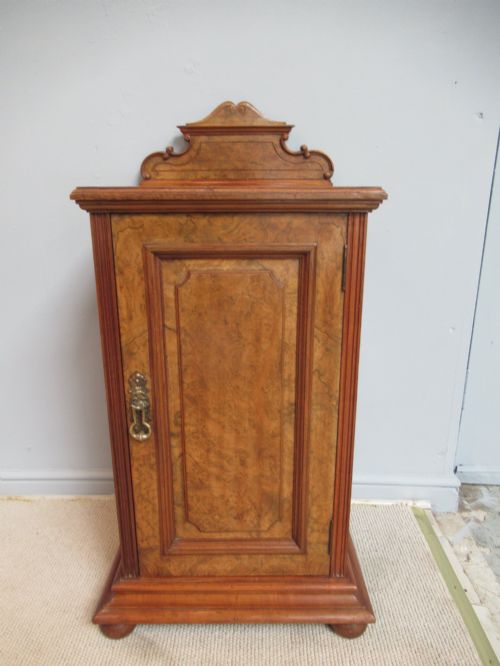
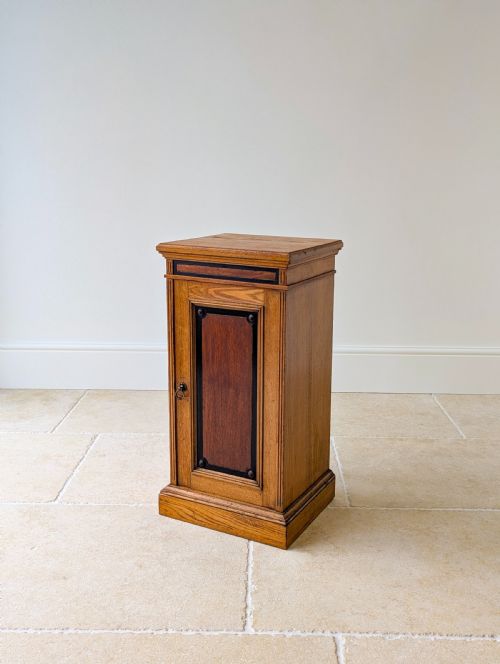
When you search for a late 19th century nightstand, you encounter a variety of practical bedroom pieces originating from Victorian Britain and continental Europe. Bedside cabinets, commodes, and pot cupboards dominate the selection, often appearing alongside pairs of tables designed to sit beside the bed.
The materials and styles reflect the diverse tastes of the period, ranging from English walnut and mahogany to French kingwood and marquetry. Pieces span the Victorian era, the Aesthetic Movement, and continental revival styles, offering both compact storage and decorative surface space.
Materials and Construction
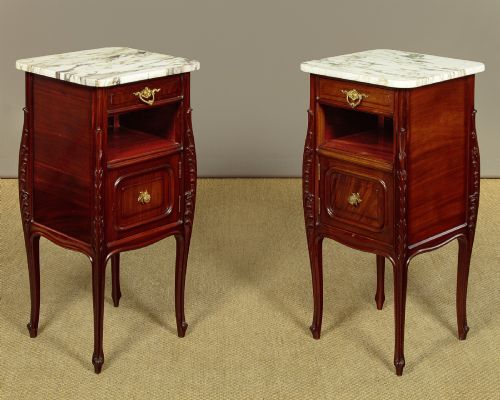
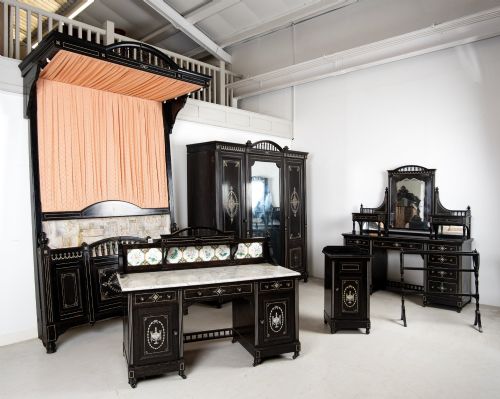
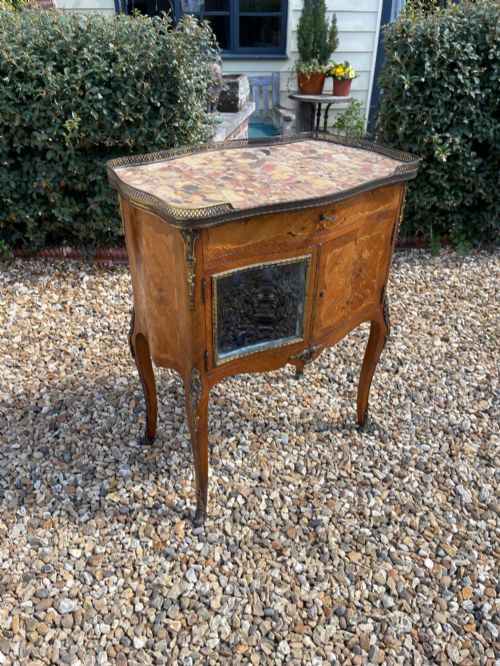
Cabinet makers utilised dense hardwoods such as walnut, mahogany, and kingwood, frequently incorporating contrasting timbers like satinwood and ebonised wood for marquetry and inlay work. Marble tops provide durable, smooth surfaces on many French cabinets, while brass hardware supplies structural and decorative detailing.
Joinery methods of the period ensure sturdy construction for daily bedroom use, combining solid timber carcases with fine veneer work. Surfaces often receive polished finishes that highlight the natural grain of the wood and the precision of inlaid motifs.
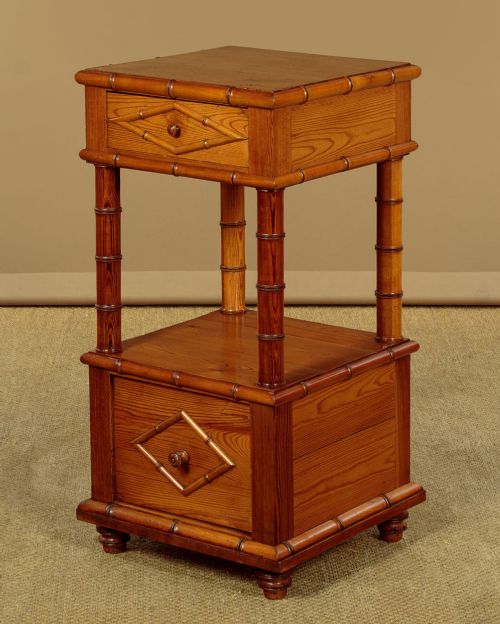
Materials in these listings include walnut, mahogany, marble, brass, kingwood, ebonised wood, satinwood, and pine.
Evaluating Quality and Detail
The standard of a late 19th century nightstand rests on the choice of timbers, the crispness of marquetry inlay, and the integrity of the overall construction. Pieces featuring matched veneers, detailed carving, and original marble tops stand apart from simpler utilitarian examples.
Makers who incorporated thoughtful design elements, such as fitted interior compartments in pot cupboards or balanced proportions in pairs, demonstrate a higher level of workshop execution. The harmony between the wood selection and the chosen revival style ultimately dictates the standing of each piece.
E. Kahn
The Late 19th Century Nightstand Glossary
- Pot cupboard
- A small bedside cabinet originally built to enclose a chamber pot. These practical pieces typically feature a single door above a small enclosed space.
- Marquetry
- The art of applying pieces of veneer to a structure to form decorative patterns and pictures. Makers used contrasting woods like satinwood and kingwood to create intricate geometric or floral designs.
- Bombe
- A swelling or bulging shape found on the sides and fronts of certain French cabinets. This curved form requires advanced woodworking skill to execute properly.
- Ebonised wood
- Timber treated to resemble ebony, often utilised in Victorian furniture for dramatic contrast. This dark finish highlights lighter inlay work and brass mounts.
- P poudreuse
- A French dressing or work table equipped with folding top leaves and compartments. These multi-functional pieces often date from the late nineteenth century.
Late 19th Century Nightstand: Frequently Asked Questions
What is a nightstand from this period called?
Cabinet makers of the era referred to these pieces by several functional terms including bedside cabinets, commodes, and pot cupboards. French examples frequently appear as tables en chiffonnière or side cabinets.
Buyers searching for these items will encounter various regional names that all describe compact bedside furniture built for storage and display.
Were these cabinets made in pairs?
Many bedside cabinets and tables from the late nineteenth century survive as matching pairs, particularly those originating from French workshops. English walnut and mahogany examples also appear in paired sets for twin beds.
Single cabinets are equally common, often purchased originally as standalone bedroom furniture or separated over time.
How were marble top cabinets used?
The stone surface provided a durable, water-resistant top designed to hold washbasins, water jugs, and bedroom accessories. This practical addition protected the underlying wood from spills during daily morning routines.
Today, the marble surface serves the same protective function while offering an elegant contrast to the walnut or kingwood carcase.