




Grey Wood Accent Table
A grey wood accent table brings quiet charm and historic character to a room, offering versatile surfaces shaped by centuries of craftsmanship.
Grey Wood Accent Table
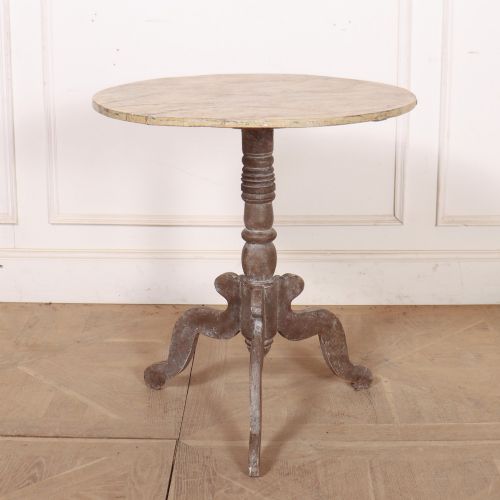
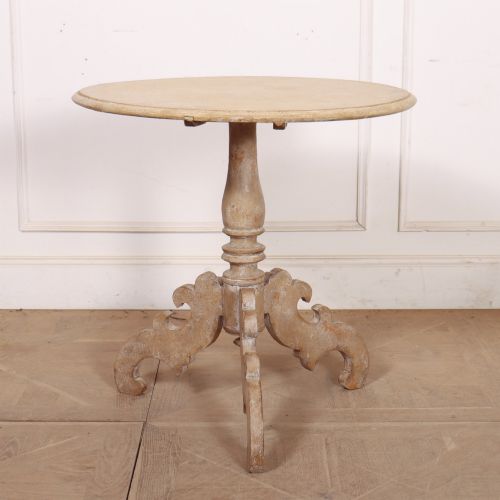
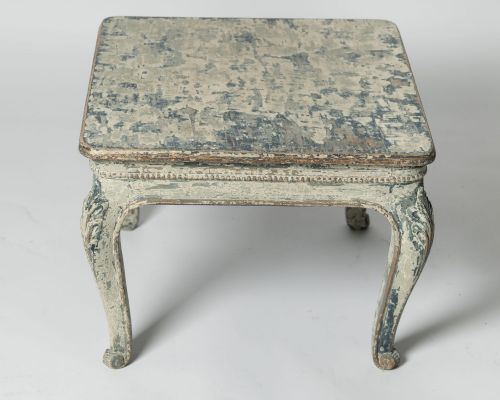
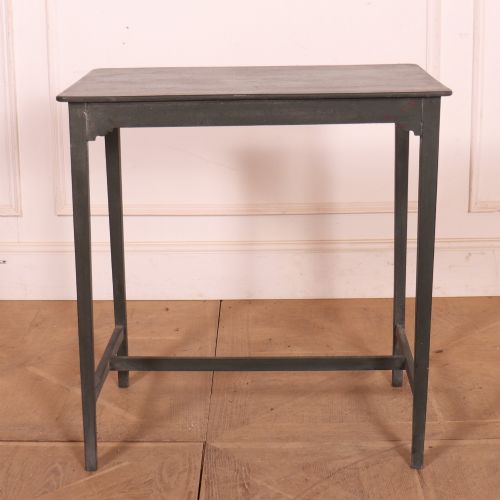
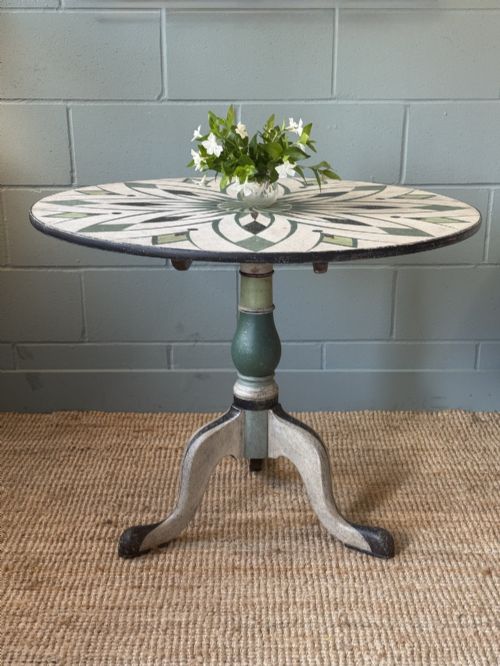
A grey wood accent table encompasses a diverse range of occasional furniture designed to sit beside seating or against walls, appearing in forms such as lamp tables, console tables, side tables, and tripod tables. These pieces originate from various historical periods spanning the eighteenth century through to the early twentieth century, reflecting enduring domestic utility.
The aesthetic leans heavily toward European regional traditions, with Swedish country, French provincial, and English country styles predominating. Buyers frequently encounter painted wooden surfaces, limed timber, and occasional marble tops that bring understated texture to interior spaces.
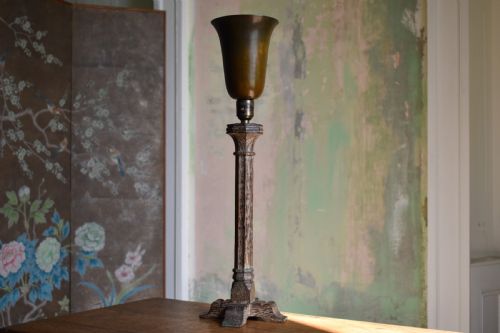
Forms vary from modest lamp tables intended for practical illumination to decorative console tables and tilt-top designs meant for display. Their adaptability makes them suitable for traditional and contemporary interiors alike.
How they were made
Construction relies upon traditional timber framing utilising various woods including softwood, pine, and oak, alongside walnut. Joinery techniques reflect the period of manufacture, providing sturdy structural foundations for everyday use.
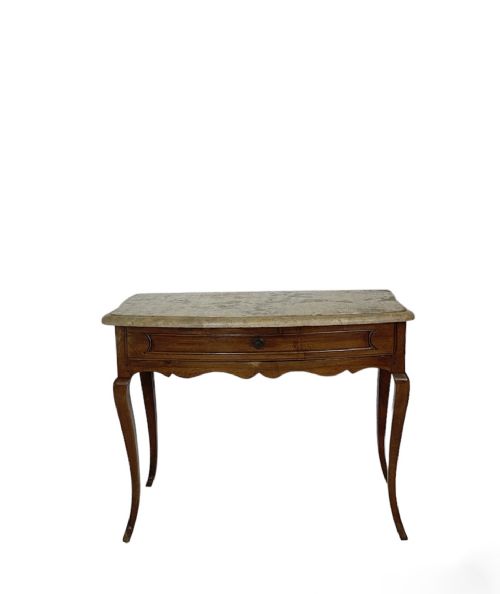
Surfaces often feature paint layers, sometimes applied in later periods over older frames, alongside limed finishes and decorative gilding. Marble tops are fitted meticulously to wooden bases, particularly on French provincial examples requiring stable stone integration.
Listings feature pieces spanning the eighteenth century through the 1930s, utilising materials including paint, marble, softwood, pine, and gold leaf.
What varies in quality
Quality rests upon the integrity of the timber frame and the authenticity of the surface finish. Pieces retaining original or period-appropriate painted finishes command greater interest than those with heavy modern alterations.
The finesse of the joinery and the selection of materials, such as the inclusion of a genuine marble top rather than a replacement, distinguish finer examples. Proportions and decorative detailing also play a significant role in determining the overall character of each table.
The Grey Wood Accent Table Glossary
- Tilt top table
- A table featuring a mechanism that allows the wooden surface to pivot vertically when not in use. This design saved space in historical interiors.
- Console table
- A table designed to stand flat against a wall, frequently supported by decorative brackets or legs. These tables often serve decorative purposes in hallways and reception rooms.
- Lamp table
- A compact occasional table specifically intended to hold a lighting fixture. They provide functional surface area without dominating a room.
- Limed oak
- Timber treated with a specialised finish that highlights the open grain with a whitish or greyish tone. This technique protects the wood while enhancing its visual texture.
- Tripod table
- A small freestanding table supported by three legs radiating from a central pillar. They offer stable placement on uneven historical floors.
Grey Wood Accent Table: Frequently Asked Questions
What is a grey wood accent table used for?
These tables serve multiple functions in a home, acting as convenient surfaces for lamps, books, or decorative objects. Their compact nature allows them to fit easily beside seating or in hallways.
Historically, specific forms like console tables and tilt-top tables were adapted to the specific spatial needs of period drawing rooms and parlours.
How do I identify the period of an accent table?
Dating relies upon examining construction methods, timber types, and stylistic cues unique to specific eras such as the Victorian period or the eighteenth century. Secondary alterations, such as later painted finishes applied to older frames, are common.
Comparing structural details against documented examples helps establish a reliable timeline for each piece.
Are marble top tables difficult to maintain?
Marble surfaces require basic care to prevent staining from acidic liquids, utilising coasters and gentle cleaning methods. The stone provides a durable and cool surface that contrasts effectively with painted wooden bases.
Regular dusting and careful handling preserve the polished finish over decades of domestic use.
Where do painted Swedish tables originate?
These pieces emerge from Scandinavian country traditions emphasising light, reflective surfaces to brighten long northern winters. Softwood and pine form the structural core beneath layered paint finishes.
Their restrained ornamentation suits minimalist and rustic interiors alike.