


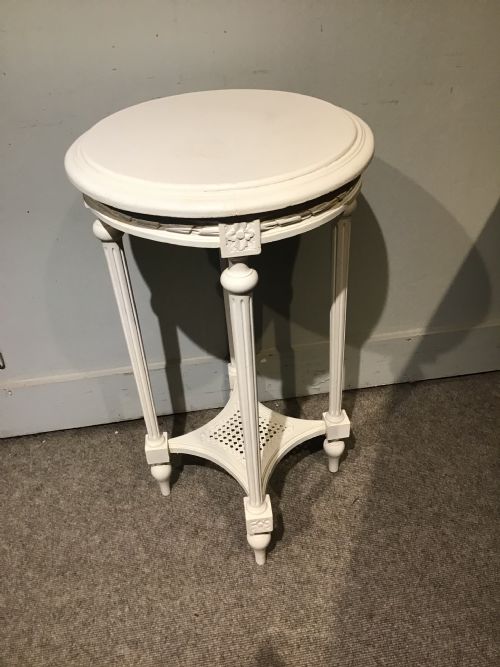


Antique Painted Flower Table
An antique painted flower table brings botanical charm indoors, offering a practical surface adorned with floral motifs.
Antique Painted Flower Table
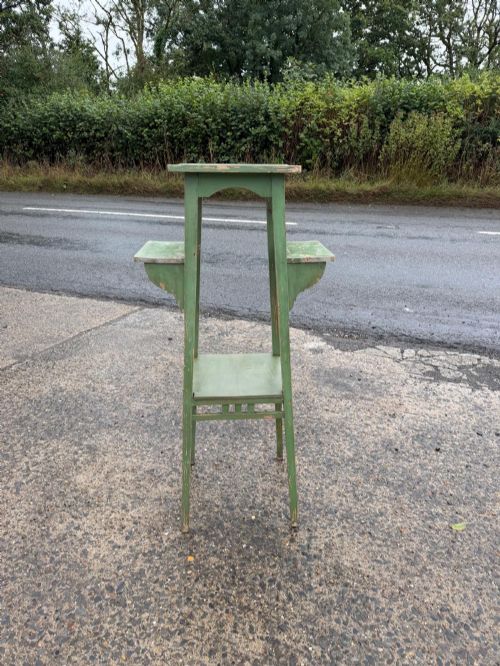
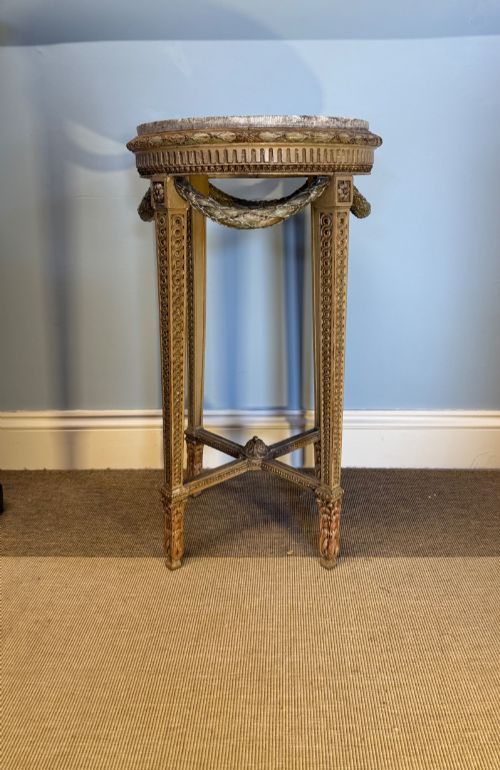
When searching for an antique painted flower table, buyers encounter a diverse selection ranging from plant stands and pedestals to occasional tables and centrepieces. These items incorporate various forms designed to display flora or feature floral decoration.
The pieces span multiple periods including the 19th Century, Georgian era, and early twentieth-century decades up to 1940. Stylistic influences vary widely, encompassing Edwardian, Louis XVI Style, Rococo Revival, Chinoiserie, Regency, George III, and Art Deco aesthetics.
Materials and construction methods
Construction relies heavily on traditional materials such as wood, wood panel, and marble for structural integrity and tabletops. Decorative elements incorporate porcelain, enamel, gold leaf, brass, and tempera paint.
Surfaces frequently display hand-painted floral details, original paint finishes, and lacquered pedestals. Craftsmanship techniques range from carved wooden urns to detailed porcelain modelling and panel painting.
Listings feature items from the 1880s through to 1940, incorporating porcelain, marble, and wood.
Quality variations across pieces
The refinement of painted details and the preservation of original paint finishes distinguish finer examples from simpler utilitarian items. The choice of base materials, such as solid marble tops or fine porcelain components, elevates the standing of a piece.
Coherence of style, whether adhering to Rococo Revival curves or clean Art Deco lines, determines the visual success of the design. The integration of decorative elements like gold leaf or bronze mounts further separates standard items from exceptional ones.
Flight Barr And Barr·Charlotte Rhead·Royal Worcester·Samson Porcelain
The Antique Painted Flower Table Glossary
- Plant stand
- A tall, slender piece of furniture specifically designed to elevate potted plants or floral arrangements off the floor. These items often feature marble or wooden tops.
- Occasional table
- A small, movable table used for various incidental purposes in a room. They appear in styles ranging from George III to Mid-20th Century designs.
- Tempera
- A permanent, fast-drying painting medium consisting of coloured pigments mixed with a water-binder. It is found on panel paintings within this category.
- Tole
- Painted or enamelled sheet metal, often shaped into decorative floral forms. This technique appears alongside carved urns in nineteenth-century pieces.
- Baluster vase
- A vase with a rounded body that tapers downwards to a narrow stem and base. They frequently display painted floral bands.
Antique Painted Flower Table: Frequently Asked Questions
What defines an antique painted flower table?
These items encompass tables, stands, and pedestals that incorporate floral paintings, serve as plant displays, or utilise botanical motifs in their design. They draw from a range of periods including Georgian and twentieth-century eras.
Materials span wood, marble, porcelain, and metal, reflecting diverse stylistic influences from Chinoiserie to Art Deco.
How do I care for a painted wooden surface?
Maintenance requires gentle dusting with a soft, dry cloth to protect delicate tempera or original painted finishes. Avoid harsh chemical cleaners and excessive moisture.
Keep the items away from direct sunlight and strong heat sources to prevent the wood and paint from cracking.
Where were these pieces typically placed?
Plant stands and pedestals traditionally occupied corners or window spaces to showcase indoor greenery and floral centrepieces. Occasional tables served living spaces for daily utility and decoration.
Grand reception rooms often featured porcelain centrepieces and marble-top stands as focal points.
How can I identify the period of a piece?
Dating relies on observing stylistic markers such as Regency curves, Louis XVI ornamentation, or geometric Art Deco lines. Material choices and painting techniques also point towards specific manufacturing eras.
Examining maker marks on porcelain elements provides definitive chronological clues.