


Tiered Pot Stand
These tiered pot stand pieces are practical multi-level holders for plants and cookware that bring vertical structure to a room.
Tiered Pot Stand
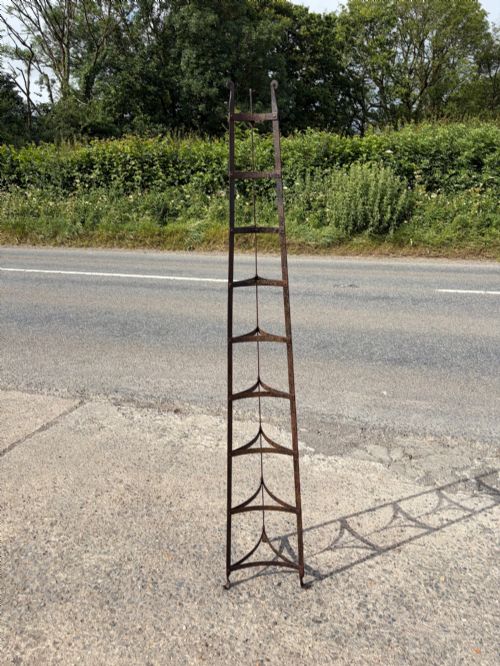
When you search for a tiered pot stand, you find vertical display pieces designed to hold plants, saucepans or kettles across multiple levels. The selection spans compact two-tier brass trivets up to substantial iron pan racks with eight or nine tiers and integrated hooks.
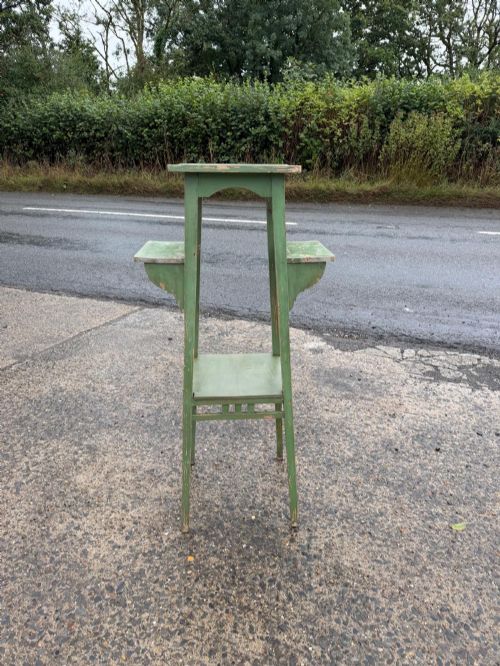
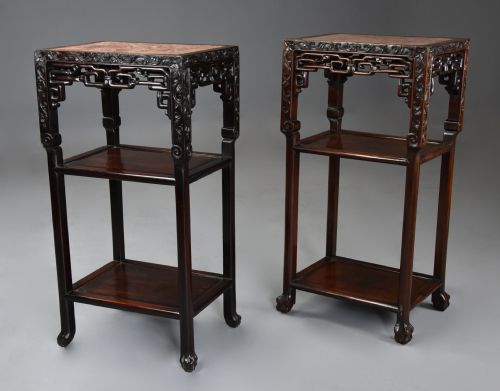
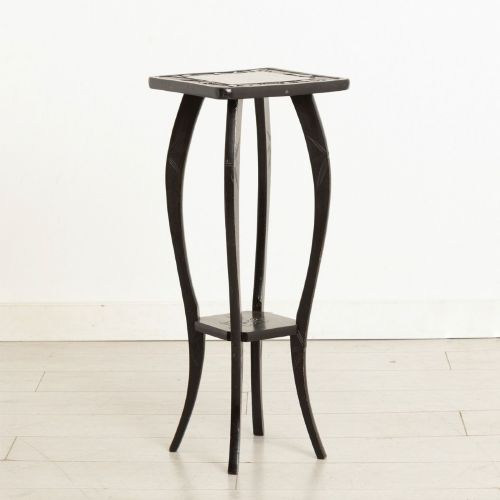
You will encounter various forms ranging from freestanding Chinese hardwood display tables to Victorian wrought iron plant stands finished in original paint. These items also overlap with bedside cupboards and nightstands, showing how utilitarian frames served multiple domestic roles.
Origins stretch from the Georgian period through the Victorian and Edwardian eras into the early twentieth century, alongside Qing Dynasty and Japanese carved pieces. Mahogany, pine and hardwood feature alongside metal constructions to give you sturdy platforms for heavy pots.
How they were made
Makers utilised timber such as mahogany and hardwood for furniture-grade tables, often applying hand-carved details or rectangular forms. Metal variants relied on wrought iron and brass, shaped into multi-level frames that could support heavy cookware or garden planters.
Surface finishes range from original paint and white painted iron to silver plating paired with fitted ceramic pots like Royal Worcester. These construction methods ensured that utilitarian iron racks and decorative plant stands alike could withstand daily use in kitchens and parlours.
Listings feature periods from the Georgian era through Victorian times up to the 1920s, constructed in iron, brass, mahogany, and hardwood.
What varies in quality
Quality rests in the structural integrity of the tiers and the retention of original surface treatments like early paint or aged brass patination. Hand-carved hardwood details and matched pairs elevate certain examples above standard utility frames.
The sophistication of the metalwork, from simple two-tier trivets to complex nine-tier wrought iron racks with hooks, dictates the ambition of the piece. Maker attribution, such as work retailed by Liberty of London, further distinguishes the standing of individual items.
Liberty of London·Royal Worcester
The Tiered Pot Stand Glossary
- Trivet
- A small metal stand with feet used to support hot vessels near a hearth or table. These often feature two tiers for kitchen utility.
- Jardiniere
- An ornamental pot or stand designed specifically to hold a live plant or floral display. They appear frequently in mahogany and ceramic combinations.
- Hardwood
- Dense timber from broad-leaved trees, utilised extensively in Chinese furniture construction for stability and fine carving.
- Wrought iron
- Tough, malleable iron beaten into shape by hand, valued for durability in structural pan stands and plant holders.
- Nightstand
- A small bedside table whose enclosed form occasionally mirrors the multi-level storage of pot cupboards.
Tiered Pot Stand: Frequently Asked Questions
What is a tiered pot stand used for?
These pieces served as functional holders for heavy saucepans, kettles, and indoor plants across multiple vertical levels.
They allowed households to organise kitchen gear or display greenery efficiently in limited floor space.
How do I date a tiered pot stand?
Dating relies on identifying period characteristics in the materials, construction methods, and stylistic details.
Items range from Georgian mahogany night stands to Victorian wrought iron racks and early twentieth-century painted plant holders.
Are these stands suitable for modern plants?
Many surviving examples were built specifically as jardiniere or plant stands to elevate greenery off the floor.
Their multi-tier designs accommodate various pot sizes while protecting surfaces from dampness and soil.
What materials are common in these stands?
Construction materials divide primarily between sturdy metals like wrought iron and brass, and cabinet timbers like mahogany and Chinese hardwood.
Some examples also incorporate painted pine finishes or silver-plated elements with fitted ceramic pots.