




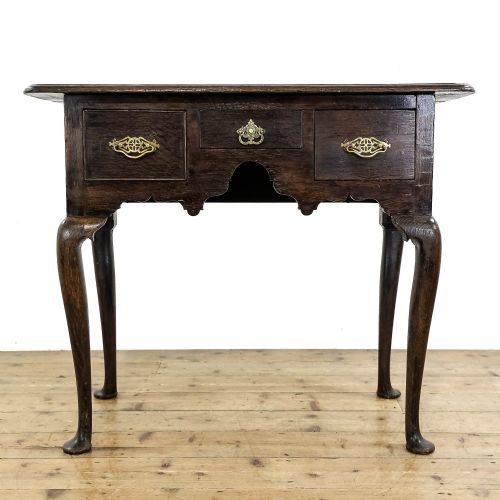

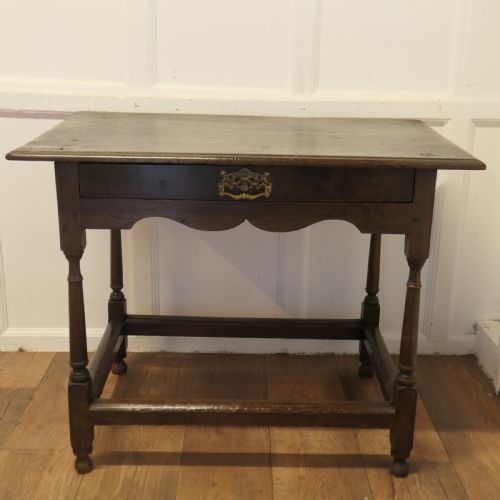
Period Oak Dressing Table
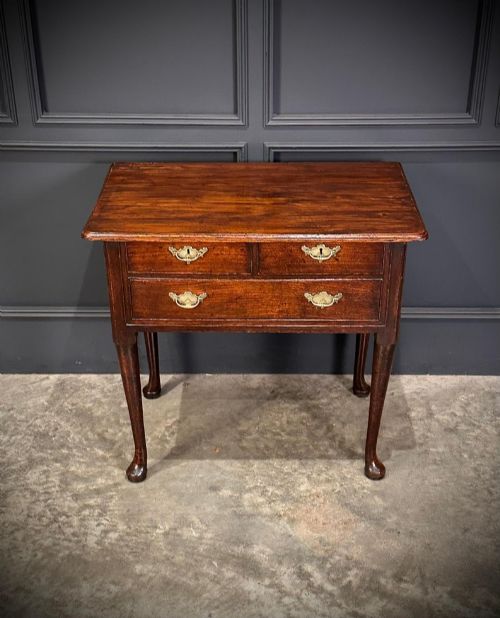
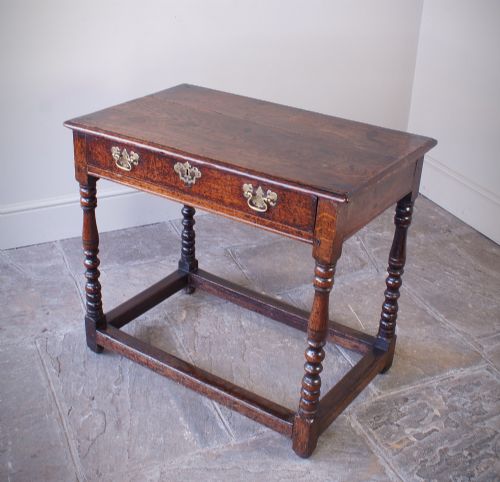
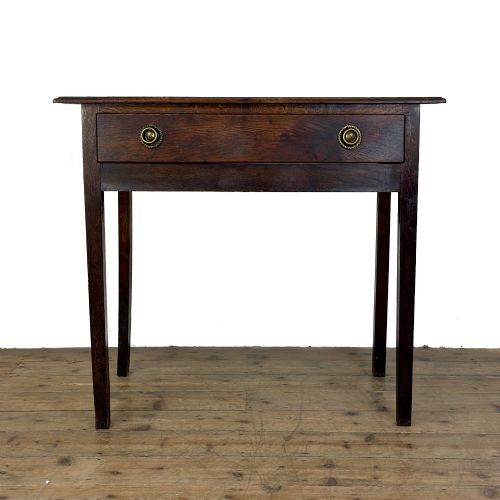
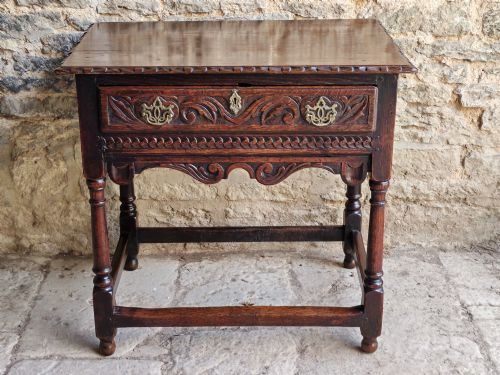
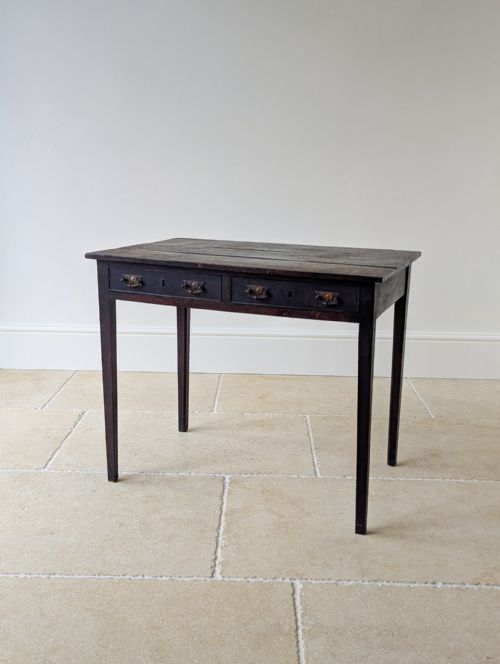
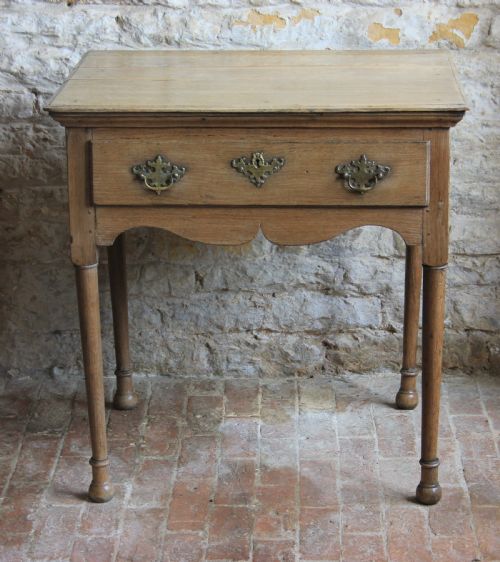
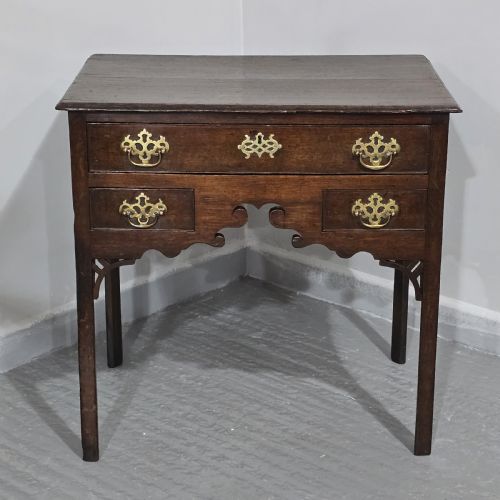
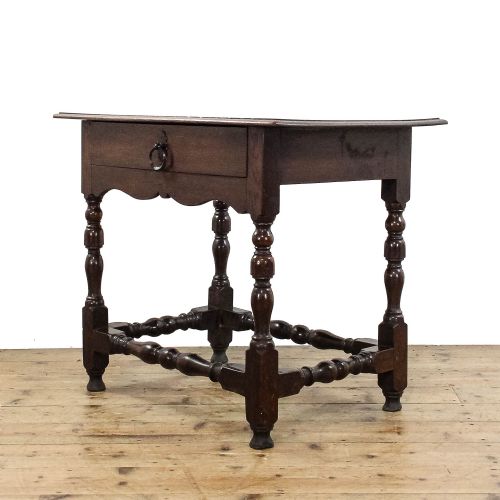
Period oak dressing table pieces combine seventeenth and eighteenth-century lowboys, side tables, and writing desks to serve as practical daily furniture.
Period Oak Dressing Table
When searching for a period oak dressing table, buyers primarily encounter seventeenth and eighteenth-century lowboys, side tables, and writing desks that double as early dressing surfaces. These examples span the 17th Century, Georgian eras, and specific dates such as 1750, reflecting utilitarian domestic furniture adapted over generations.
Materials and construction methods
Joiners built these pieces predominantly using solid oak, frequently augmented by secondary timbers like fruitwood and red walnut for contrast or availability. Surfaces often display pale oak grains developed through age and early finishing techniques.
Hardware relies on cast brass handles and escutcheons fitted to drawer fronts, while structural joints employ traditional pegging and turning. Iron elements appear discreetly in internal fixings and bracing.
Object forms include lowboys, side tables, writing desks, and occasional dressing surfaces.
Distinctions in craftsmanship and survival
Quality rests in the integrity of the timber, the crispness of turned legs, and the retention of original surface patination. Pieces that maintain their early hardware and untouched timber surfaces stand apart from heavily restored examples.
Proportion and regional carpentry idiosyncrasies dictate the standing of individual lowboys and side tables. Refined mouldings and sophisticated drawer construction separate standard utility pieces from high-status country house commissions.
Shapland and Petter
The Period Oak Dressing Table Glossary
- Queen Anne
- A style dating from the late seventeenth to mid-eighteenth century characterised by curved lines, cabriole legs, and understated elegance. This aesthetic appears frequently on early oak and walnut lowboys.
- George III
- The period spanning the long reign of George the Third, encompassing refined side tables and writing desks with classical proportions. Pieces from this era often display sophisticated joinery and bracket feet.
- Fruitwood
- Dense timber harvested from fruit trees such as pear or apple, utilised by period cabinetmakers for secondary woods or entire occasional tables. Its warm tone contrasts with standard oak.
- Side table
- A versatile small table designed to stand against a wall, frequently overlapping in function with lowboys and early dressing tables. These pieces provide a flat surface and occasional storage drawers.
Period Oak Dressing Table: Frequently Asked Questions
What is a period oak dressing table?
A period oak dressing table typically refers to seventeenth and eighteenth-century lowboys and side tables used historically for grooming and personal care.
These versatile forms pre-date dedicated modern dressing chests, serving multiple functions as writing desks and side tables in period interiors.
How do I date an oak lowboy?
Dating relies on examining construction methods, timber patination, hardware, and leg styles such as turned supports or cabriole shapes.
Comparing structural details against documented pieces from the seventeenth and eighteenth centuries helps narrow the period of manufacture.
Where were these tables used?
These tables functioned primarily in bedrooms as dressing surfaces or in parlours and halls as side tables for displaying objects.
Their compact scale allowed them to fit easily against walls in various rooms of country houses and town residences.
How should I care for antique oak?
Antique oak benefits from stable indoor humidity levels and protection from direct sunlight to prevent timber shrinkage and fading.
Applying occasional appropriate wax preserves the historic surface patination without sealing the breathable wood grain.