
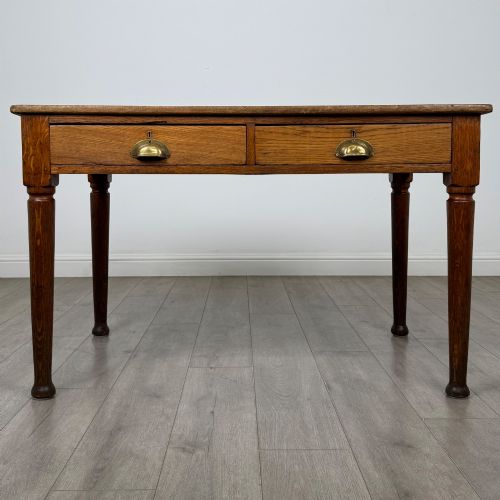
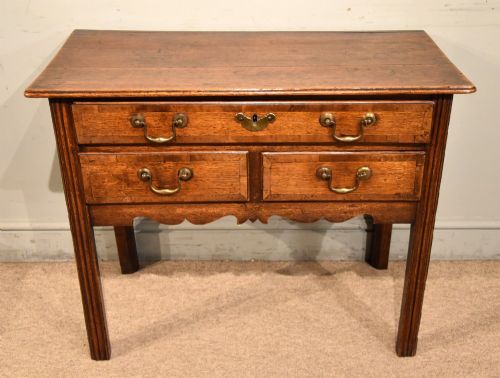
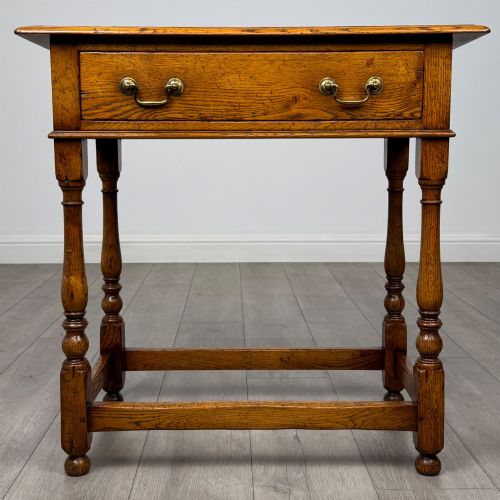
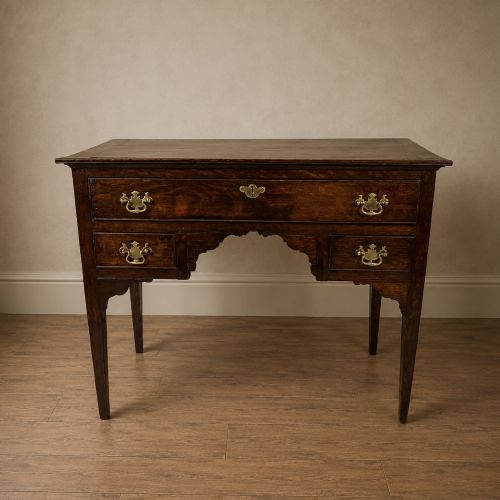


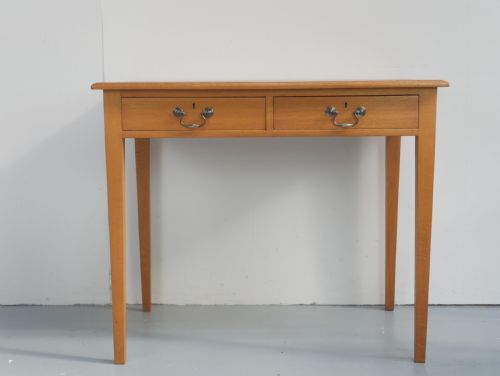

Brass Handle Oak Side Table
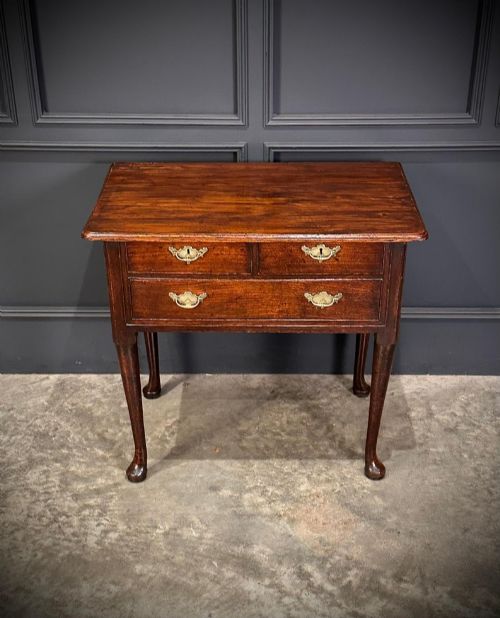
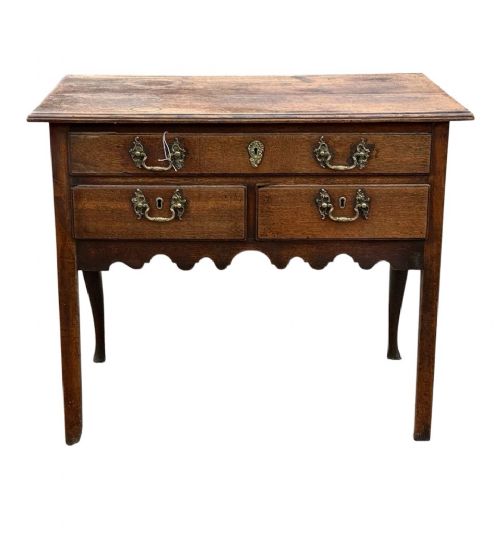
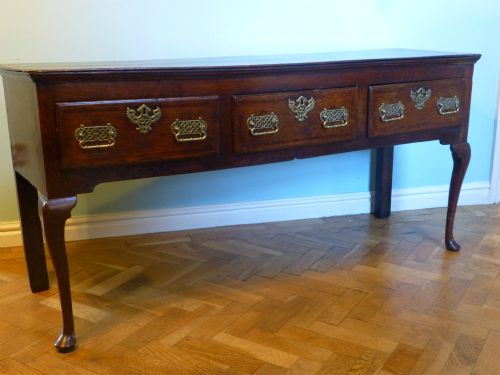
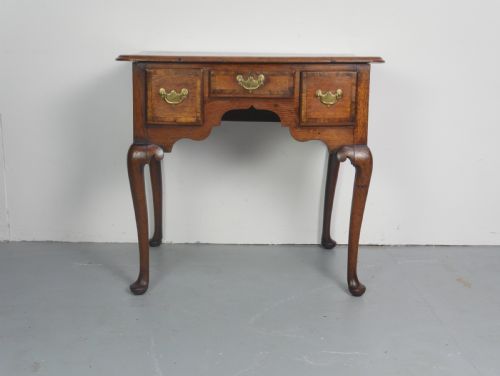
A brass handle oak side table brings sturdy historic utility and rich timber warmth to any hallway or parlour.
Brass Handle Oak Side Table
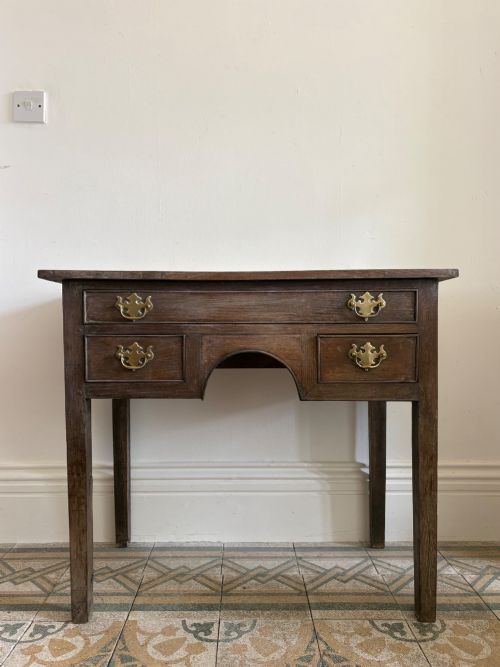
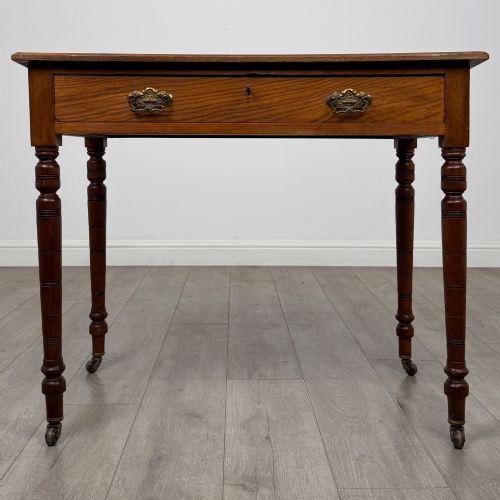
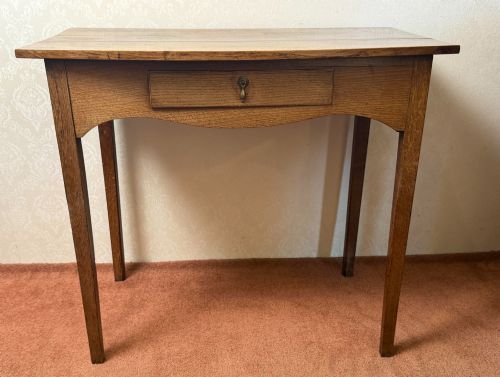
A brass handle oak side table encompasses a range of utilitarian and domestic furniture pieces designed for storage and surface use. When searching for this phrase, buyers encounter lowboys, writing tables, dresser bases, and dressing tables spanning from the seventeenth century through the Edwardian era.
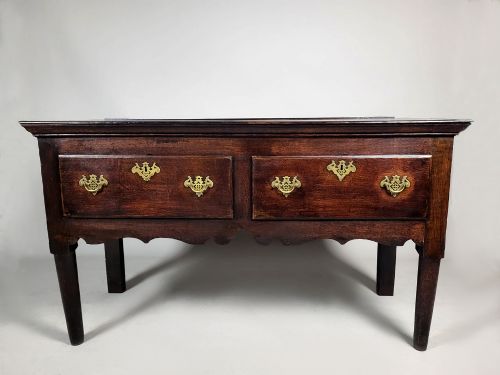
The version most frequently met on this page is the eighteenth-century Georgian lowboy or side table featuring fitted drawers and brass hardware. These forms originate primarily from English country houses and workshops, utilising native timbers like oak alongside secondary woods such as walnut and cherrywood.
What varies in quality
Quality separates through the integrity of the timber selection, such as choice figuring in the oak or burr walnut, and the survival of original brass handles. Pieces retaining their initial drawer linings and period hardware command greater regard than those with later replacements.
The refinement of the joinery and leg formation, including cabriole legs or crisp moulding details, distinguishes finer cabinet work from simpler vernacular pieces. Proportion and overall harmony within the stylistic conventions of periods like the Georgian era also dictate standing.
Listings feature oak side tables spanning from the seventeenth century through the Edwardian period, incorporating walnut, cherrywood, and brass hardware.
Howard & Sons, Jenners
The Brass Handle Oak Side Table Glossary
- Lowboy
- A small oak or walnut table with drawers, commonly standing on four legs and used as a dressing table or side table in eighteenth-century interiors. These compact pieces often feature a shaped apron beneath the drawers.
- Dresser Base
- A low sideboard or table featuring multiple drawers, traditionally utilised in kitchens or dining rooms for storage and serving. They frequently display substantial oak construction and robust brass pulls.
- Cabriole Leg
- A furniture leg that curves outward and then tapers inward, finishing in a pad or foot, popular during the eighteenth century. This design derives inspiration from animal limbs and adds elegance to lowboys.
- Dovetail
- A joinery technique utilising interlocking wedge-shaped fingers to secure drawer corners with high tensile strength. It remains a hallmark of traditional cabinet making across centuries.
- Partners Desk
- A large double-sided desk designed for two people to work opposite each other, often fitted with numerous drawers and cupboards. These grand pieces frequently appear in nineteenth-century golden oak.
Brass Handle Oak Side Table: Frequently Asked Questions
What is an oak lowboy?
An oak lowboy is a small, low table equipped with one to three drawers, originating primarily in the seventeenth and eighteenth centuries. They served versatile roles in domestic settings as dressing tables, writing desks, or side tables.
These pieces typically feature cabriole or straight legs and brass handle hardware. Their compact proportions made them adaptable for placement in hallways, bedrooms, or parlours.
How do I identify a Georgian side table?
Georgian side tables are identified by their proportion, timber choice, and specific stylistic markers associated with the reigns of George II and George III. Look for solid oak construction, hand-dovetailed drawer construction, and period brass drop handles or ring pulls.
Many examples from this era incorporate cabriole legs or straight square legs with subtle chamfering. The presence of original brasses and timber patination further assists in period identification.
Where should I place a side table?
A side table suits narrow entryways, living rooms, or bedrooms where surface space and subtle storage are required. Their modest depth allows them to fit against walls without obstructing movement in high-traffic areas.
Pairing the table with a simple mirror or lamp enhances its utility in a hallway or landing. The warm tones of oak complement both traditional and contemporary interior schemes.
Are writing tables different from side tables?
Writing tables are specifically engineered for seated tasks, often featuring inset leather writing surfaces, greater knee clearance, and tailored drawer arrangements. Side tables generally prioritise surface display and general storage over writing utility.
Both forms utilise oak and brass hardware across Victorian and Edwardian periods. Examining the interior configuration of the drawers helps distinguish a dedicated writing desk from a general side table.