

George I Side Table
When you search for a george i side table, you are looking for an early eighteenth-century surface built to anchor a panelled wall with quiet proportion.
George I Side Table
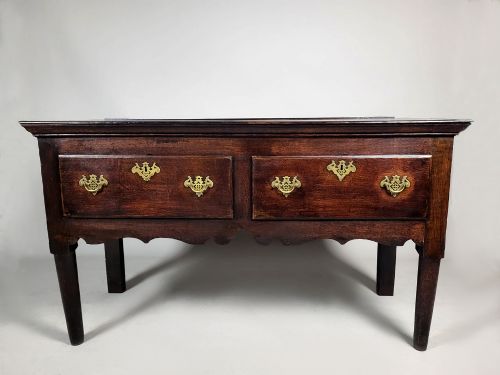
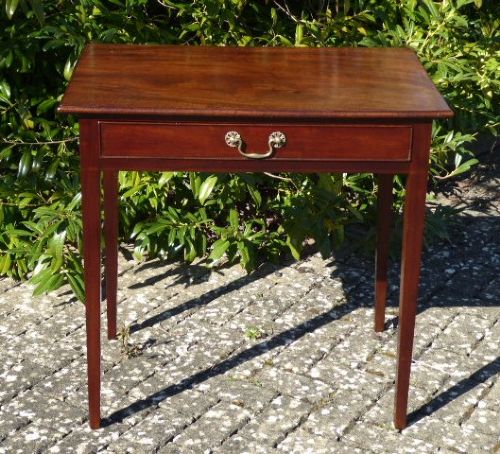
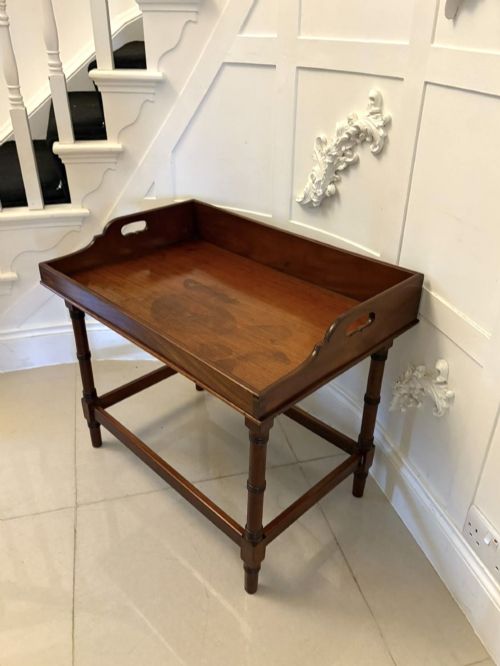
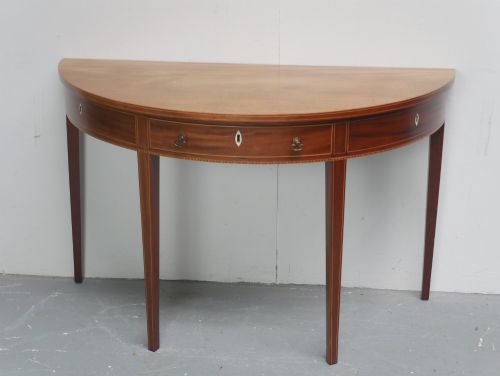
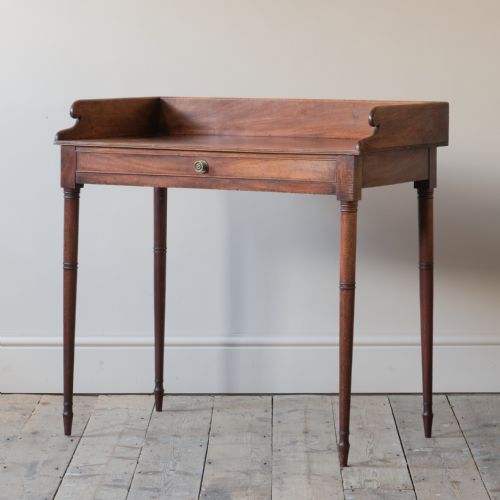
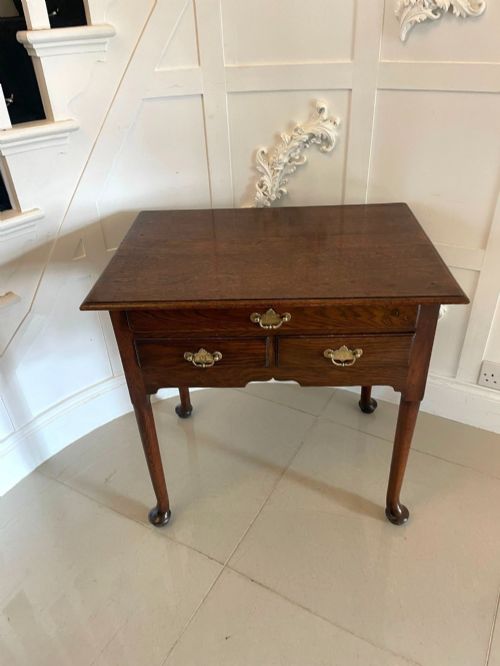
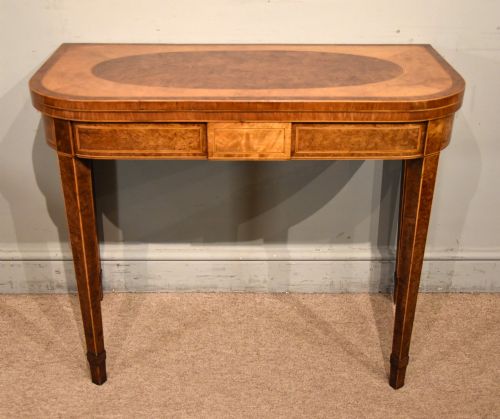
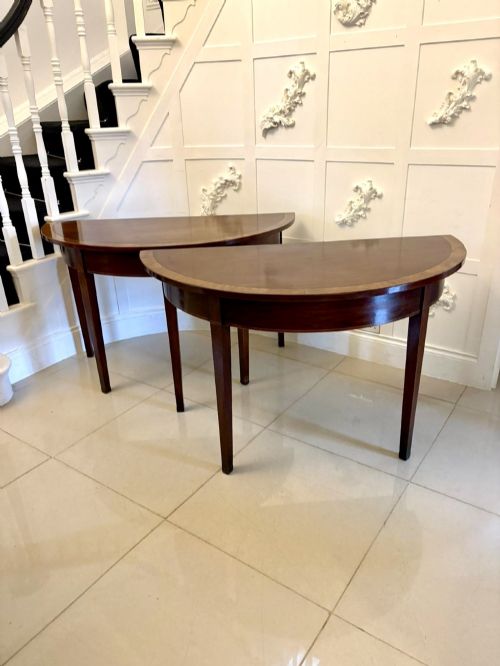
A george i side table typically presents a rectangular timber top above a frieze set with one or more drawers, supported on cabriole or straight legs. The form evolved to stand against a parlour or hallway wall, holding lighting or decorative objects rather than serving for dining.
While bearing the name of the first Hanoverian reign, these pieces often merge into the broader Georgian and early eighteenth-century categories recorded in the evidence. Oak and walnut dominate the surviving examples from this specific era, frequently displaying straightforward grain patterns or simple plank construction.
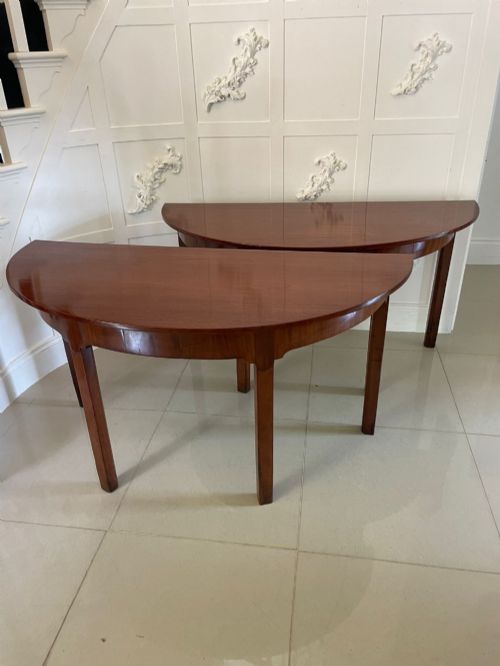
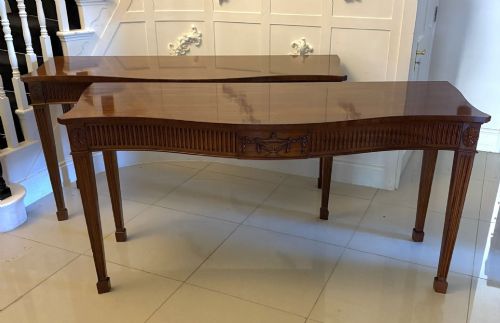
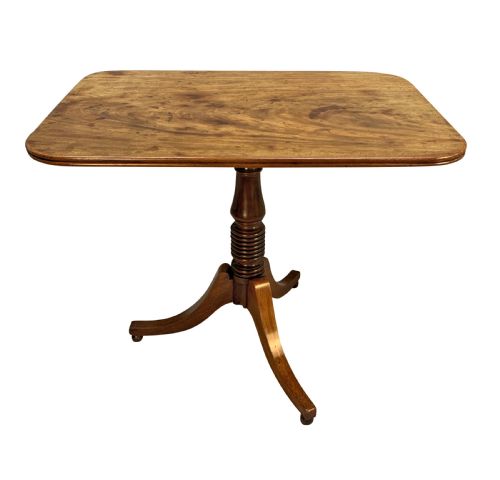
Buyers also encounter related side forms such as lowboys and console tables from adjacent reigns like George II and George III, sharing similar proportions and functional timber frames.
Materials and construction
Cabinetmakers relied on native and imported timbers, utilising solid oak for structural framing and drawer linings, alongside walnut and red walnut for primary visible surfaces. Timber veneers and occasional wood inlay appeared as techniques grew more refined through the eighteenth century.
Joinery techniques prioritised sturdy frame construction, often employing pegged mortise and tenon joints for structural stability. Drawer construction typically featured hand-cut dovetailing, reflecting the manual methods of the period workshops.
Many an eighteenth-century table hides the carpenter's chalk marks inside its drawer joints, left behind as silent instructions through the centuries.
Evaluating craftsmanship
Quality rests primarily in the selection of the timber and the restraint of the carving. Superior examples exhibit well-figured walnut or dense oak with a warm, natural patination that develops through centuries of use.
Proportion and integrity dictate value far beyond surface decoration. Tables retaining their original timber thickness, unreplaced drawer linings, and honest surface wear stand apart from heavily restored or altered pieces.
Tozer of London
The George I Side Table Glossary
- Cabriole leg
- A furniture leg curving outward at the knee and inward at the ankle, mimicking an animal's limb. This shape often terminates in a pad foot or claw and ball.
- Lowboy
- A small dressing table or side table featuring a low waist and one or more rows of drawers beneath the top. These pieces frequently match the timber and leg style of larger furniture suites.
- Patination
- The deep, lustrous surface sheen developed on old wood through handling, waxing, and ageing. It serves as a primary indicator of historical authenticity.
- Frieze
- The horizontal band situated directly beneath the table top, which often houses the structural drawer framework. On better pieces, this area displays subtle moulding or figured veneer.
George I Side Table: Frequently Asked Questions
What is a george i side table used for?
These tables served primarily as permanent fixtures against room walls, holding candlesticks, basins, or decorative ornaments in formal reception rooms. Their modest depth allowed them to fit narrow hallways or passage spaces without obstructing traffic.
Today, they function effectively as narrow console surfaces in modern entryways or as writing desks where floor space is limited.
How do you distinguish walnut from oak pieces?
Walnut surfaces display a smoother, richer brown tone with subtle grain swirls and occasional burl figuring, characteristic of formal eighteenth-century furniture. Oak pieces exhibit a coarser grain structure with prominent medullary rays, pointing to robust country workshop production.
Both timbers respond well to traditional waxing, but walnut generally provides a softer sheen compared to the robust texture of quarter-sawn oak.
Are drawers typical on early side tables?
Most surviving examples incorporate one or more drawers built into the frieze beneath the top board. These compartments provided secure storage for small household documents, candles, or personal items.
Examining the interior drawer sides reveals hand-cut dovetails and oak linings that confirm the period of construction.
How should I care for antique timber?
Maintain the surface by applying natural beeswax sparingly and buffing with a soft cloth to preserve the historic finish. Avoid placing timber furniture near direct heat sources or in fluctuating sunlight to prevent splitting.
Regular gentle dusting protects the delicate patination built up over centuries of handling.