

Traditional Oak Dresser Base
A traditional oak dresser base grounds a room with timber weight and utility, offering sturdy surface space and deep drawers for everyday storage.
What traditional oak dresser base means
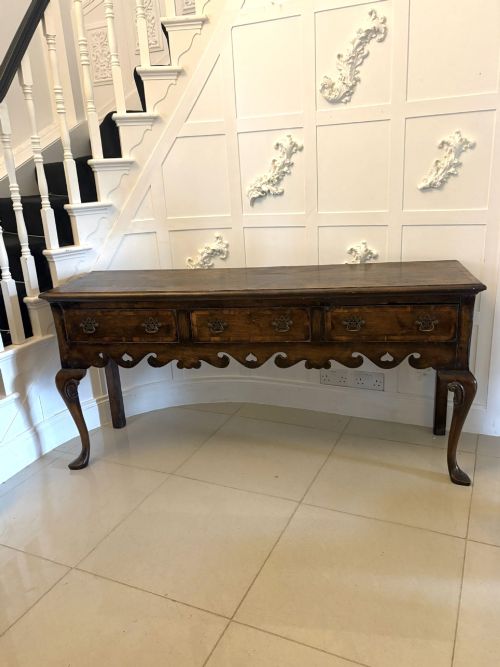
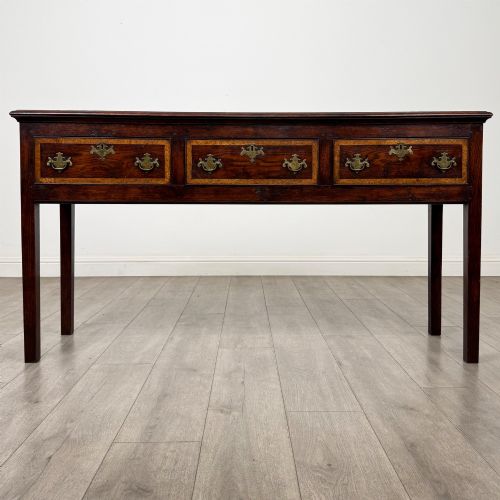
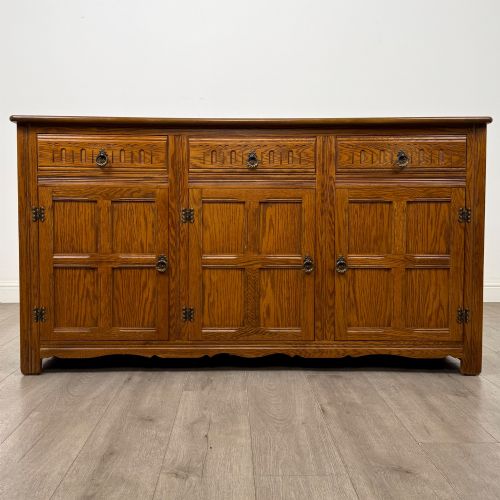
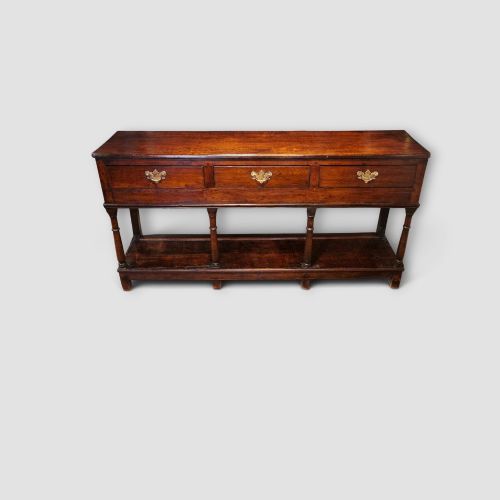
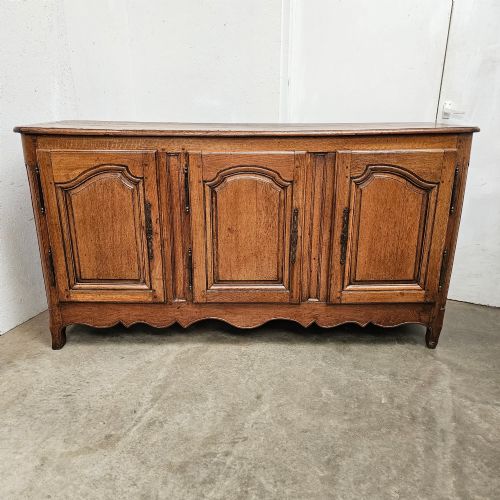
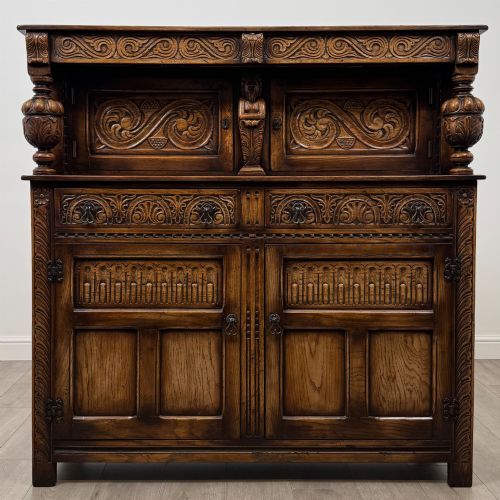
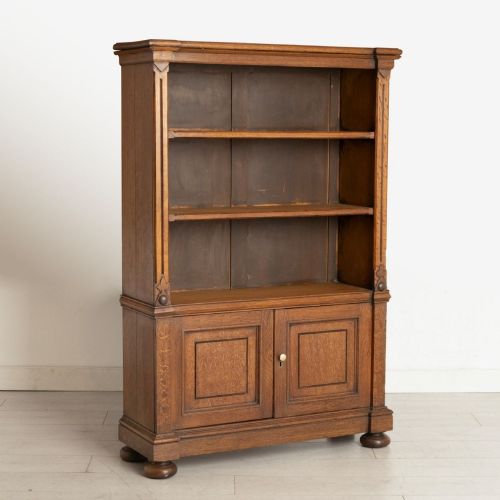
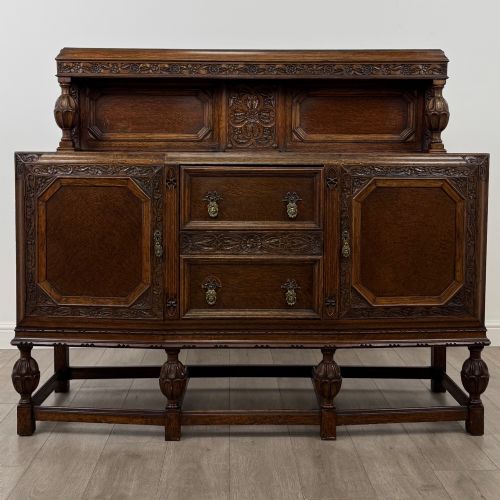
A traditional oak dresser base is a heavy utilitarian furniture form designed for storage and display, appearing here in regional country styles and later revival interpretations. These pieces function equally well as sideboards, console tables, or side cabinets in contemporary spaces.
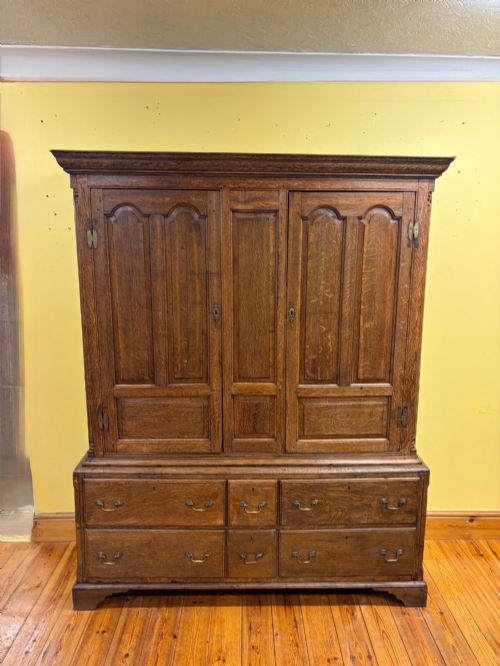
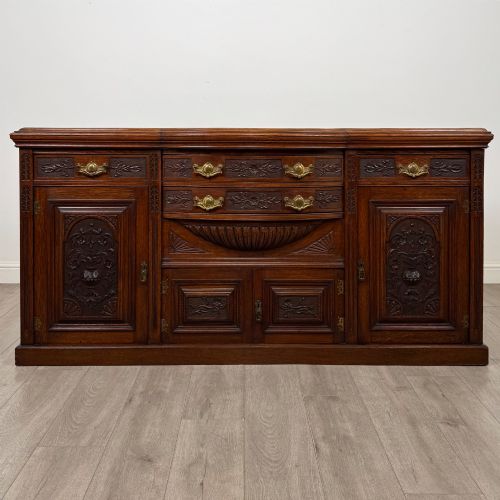
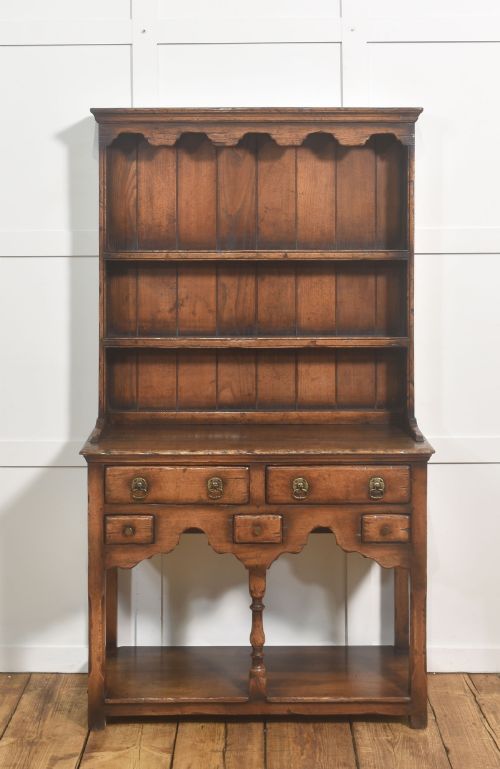
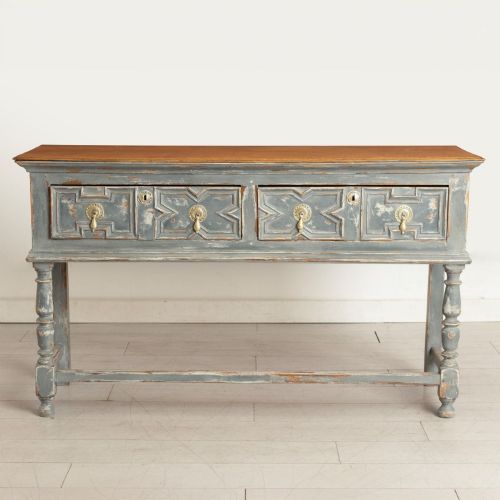
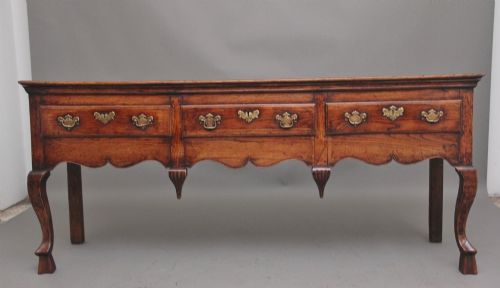
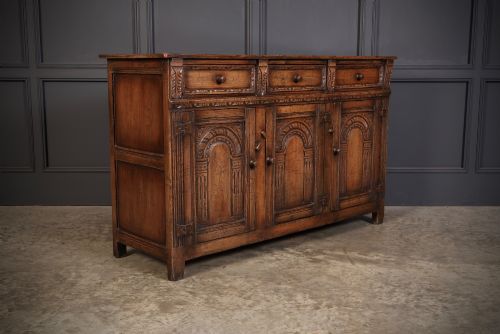
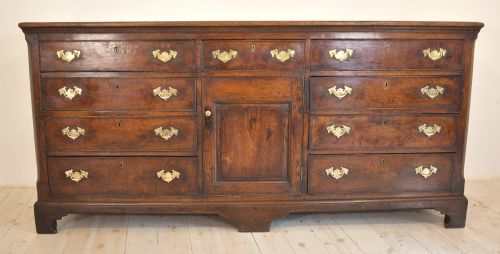
The selection ranges from early eighteenth-century examples to later twentieth-century revivals like the Georgian and Jacobean styles. Buyers will frequently encounter versions featuring potboard bases, open plate racks, or cabriole legs alongside solid oak side cabinets.
Origins stretch from Welsh workshops to English country vernacular, showing diverse regional interpretations of a single foundational form. The scale remains domestic yet substantial, built to anchor a dining room or hallway.
Materials and construction
Construction relies primarily on solid oak, frequently paired with secondary timbers like pine and fitted with iron or brass hardware. Joinery traditions dictate the assembly, utilising pegged mortise and tenon joints for structural endurance.
Surfaces display the natural grain of oak, sometimes shaped into cabriole legs, potboard lower shelves, or integrated side cabinets. Hardware such as brass drawer pulls and iron hinges add functional contrast to the heavy timber.
Retail Price Guide 2026
Typical UK retail prices for traditional oak dresser base, calculated from the Sellingantiques database of over a million retail prices indexed since 2003. This retail price guide relies exclusively on Sellingantiques data; no external sources or auction records are used, so the figures do not describe the wider market.
Early potboard bases were originally left open near the flagstone floor so damp earthenware pots could dry without rotting the floorboards.
Distinguishing quality
Quality rests in the integrity of the timber selection and the fidelity of the period style, distinguishing early originals from later revivals. Substantial thickness in the oak top and original hardware elevate a piece beyond standard utility.
The nuance of hand-carved details, the crispness of Jacobean or Georgian styling, and the harmony of proportions separate domestic vernacular pieces from grander regional furniture. Honest patination on the oak surface indicates age and careful use.
The Traditional Oak Dresser Base Glossary
- Potboard base
- A low slatted or solid lower shelf beneath a dresser base traditionally used for storing pots and pans.
- Cabriole leg
- A furniture leg that curves outward at the knee and tapers inward at the ankle, common in Georgian designs.
- Plate rack
- An upper framework attached to a dresser designed to display plates upright.
- Jacobean style
- A heavy, formal seventeenth-century aesthetic revived in later centuries featuring turned legs and geometric moulding.
- Welsh dresser
- A large dining room storage unit combining a base cabinet with an upper plate display structure.
Frequently Asked Questions
How do I use a dresser base today?
These pieces serve effectively as sideboards in dining rooms or console tables in large hallways, offering generous surface area for lamps or serving food while keeping clutter hidden in deep drawers.
The sturdy construction allows them to support heavy items, making them practical for daily domestic use while adding historical character to a room.
What is the difference between original and revival pieces?
Original pieces date from periods like the eighteenth or nineteenth century, carrying the distinct patina and construction methods of their era.
Revival pieces, produced in the early twentieth century, emulate these earlier styles using traditional techniques and solid oak, offering period character with different ageing.
How do I care for solid oak furniture?
Solid oak requires minimal maintenance beyond regular dusting with a dry cloth and occasional treatment with quality beeswax to nourish the timber.
Keep these pieces away from direct heat sources and strong sunlight to prevent the wood from drying out or splitting over time.