



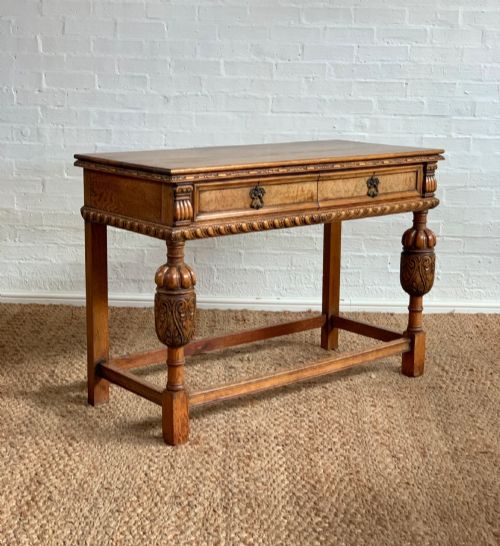
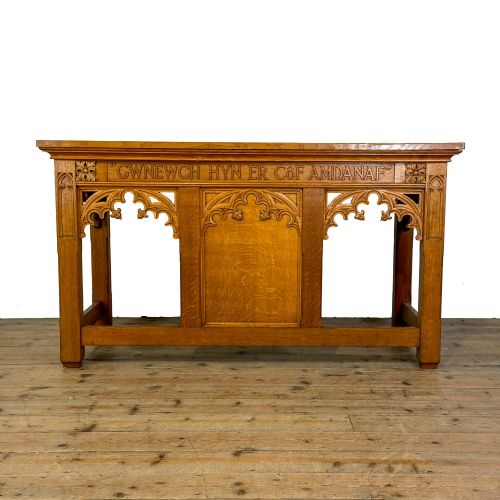
Edwardian Oak Console Table
These pieces combine solid timber with slender proportions, offering a practical surface for a hallway or living space.
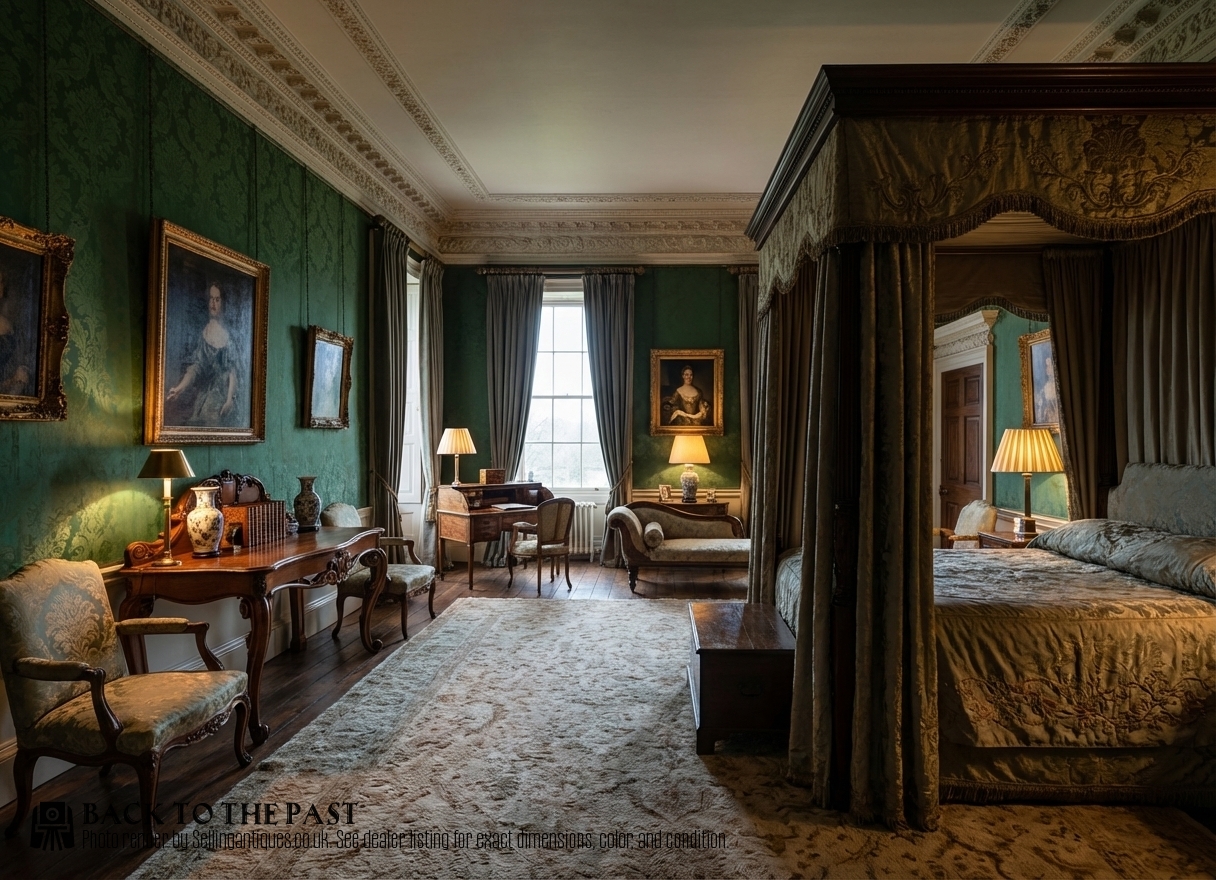
Edwardian Oak Console Table
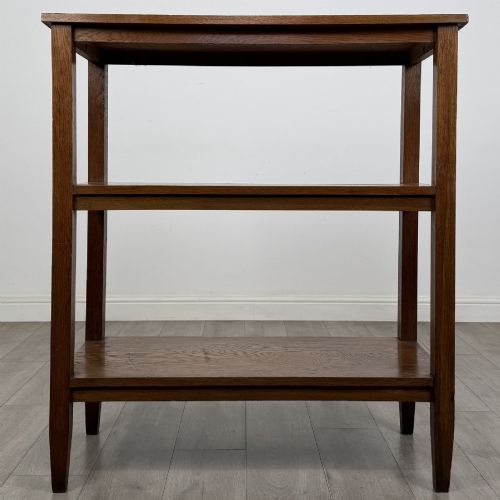
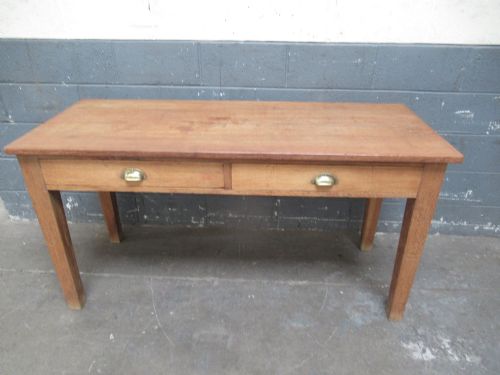
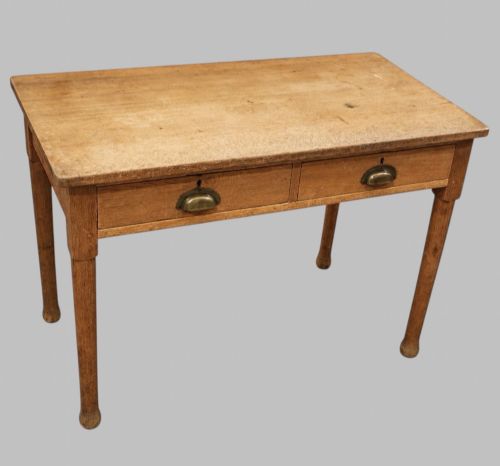
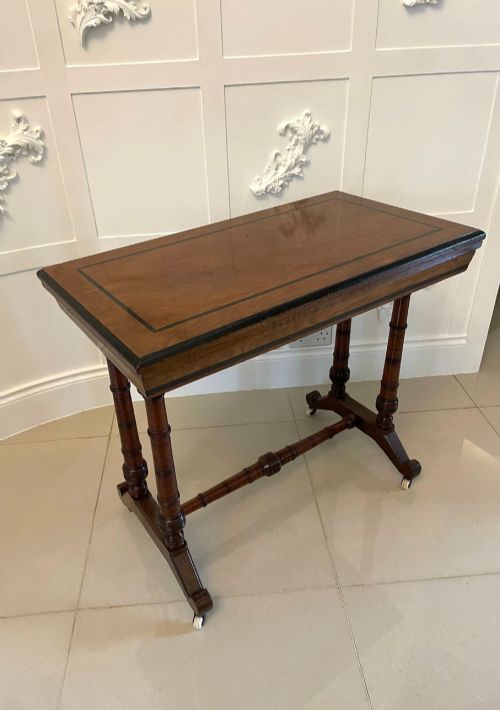
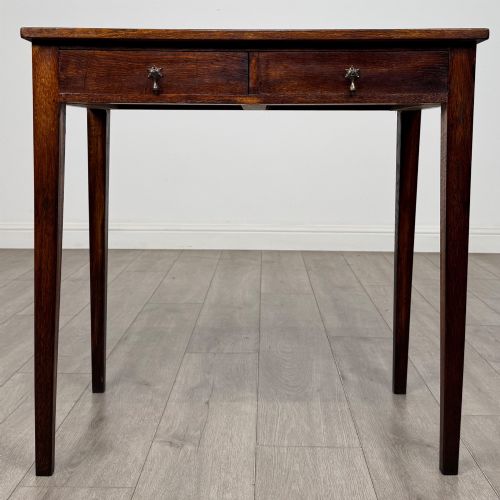
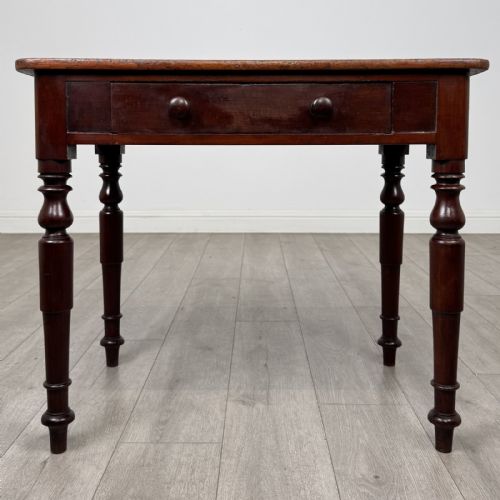
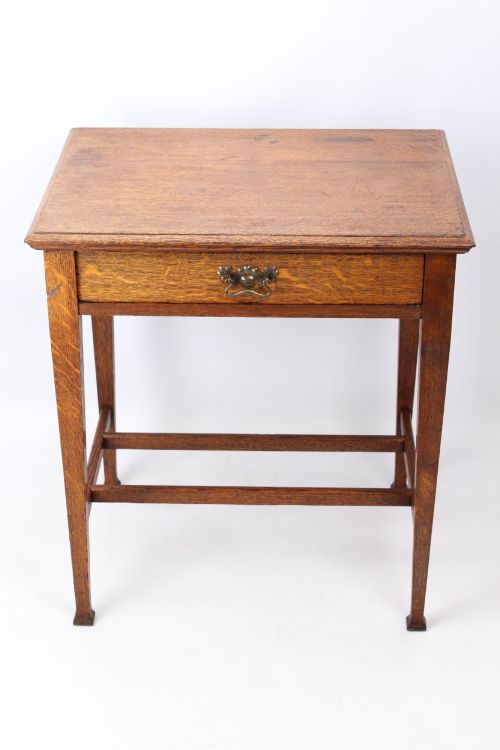
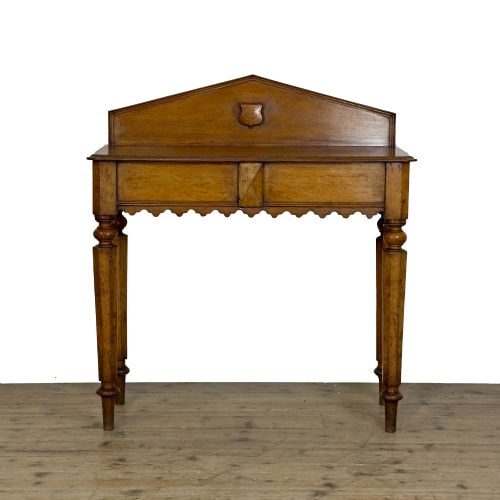
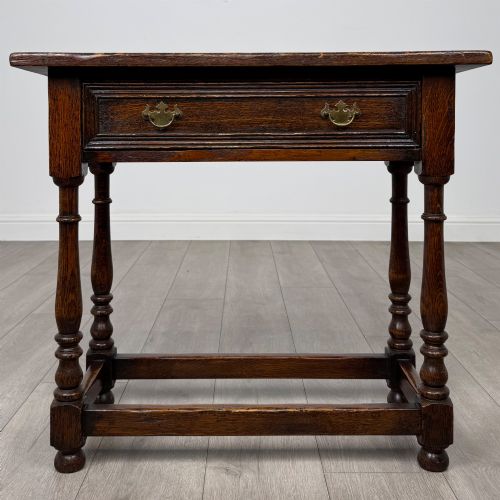
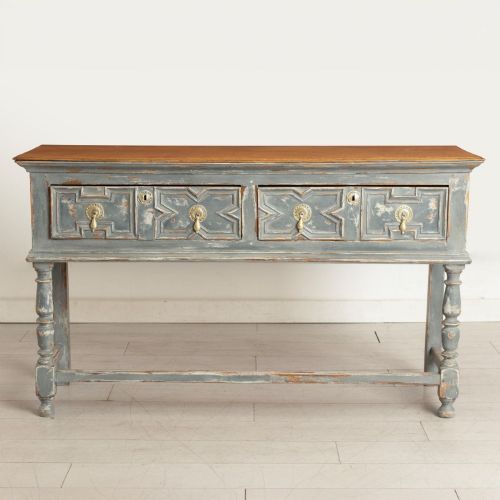
An edwardian oak console table brings sturdy timber construction and restrained proportions to a hallway or reception room. These pieces often feature simple rectangular tops supported by turned or straight legs, occasionally incorporating a lower pot board or small drawers.
While the search points to the Edwardian period, buyers frequently encounter related forms spanning the late nineteenth century through to the nineteen-twenties. Side tables, hall tables, and small writing desks share similar proportions and function in much the same way within a home.
How they were made
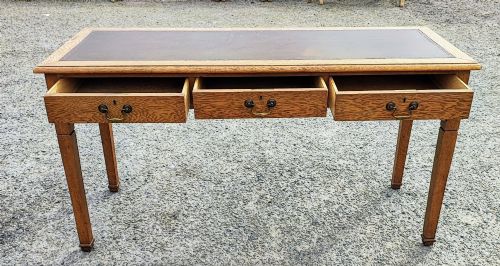
Makers relied primarily on solid oak, sometimes accented with brass handles or fitted with leather writing surfaces. Construction methods prioritized durability, utilising pegged joints and robust framing to support daily use.
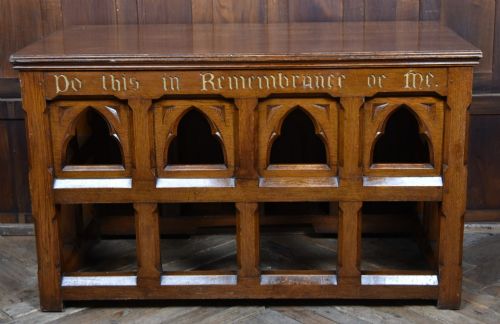
Surface decoration ranges from plain grain to carved panels reflecting Jacobean or Gothic revival influences. Occasional examples incorporate marble inserts or cast iron elements for specialised utility.
Edwardian Oak Console Table Retail Price Guide 2026
Typical asking prices for edwardian oak console table among the pieces listed under this phrase on Sellingantiques today, from the lower quarter to the upper quarter. They describe what is for sale here now, not the wider market.
What varies in quality
The distinction between standard utility items and finer pieces lies in the selection of timber and the execution of carved details. Superior examples display carefully matched grain patterns and crisp, intentional hand-carving rather than machine-moulded ornamentation.
Structural integrity also separates the range, with better-made tables maintaining rigid joinery and original hardware without excessive timber shrinkage or replacement parts.

Beresford and Hicks London·Jenners·James Shoolbred
The Edwardian Oak Console Table Glossary
- Console table
- A table designed to stand against a wall, often serving as a surface for display in a hallway.
- Pot board
- An open lower shelf fitted between the legs of a dresser base or console table for storing household items.
- Jacobean Revival
- A style popular in the nineteenth and early twentieth centuries that imitates seventeenth-century English furniture designs.
- Arts and Crafts
- A movement emphasising handcraftsmanship, simple forms, and visible construction methods.
- Dresser base
- A low sideboard or table featuring drawers, which often shares proportions with large console tables.
Edwardian Oak Console Table: Frequently Asked Questions
Where should I place an edwardian oak console table?
These narrow tables suit hallways, landings, or living rooms where floor space is limited. Their shallow depth allows them to sit against a wall without obstructing passageways.
They provide a convenient surface for correspondence, keys, or decorative objects while adding historic character to an interior.
How do I care for oak furniture?
Oak benefits from occasional dusting with a dry cloth and treatment with a traditional beeswax to nourish the timber. Avoid placing the wood in direct sunlight or near heat sources to prevent splitting.
Leather inserts, where present, require gentle cleaning with a specialised conditioner rather than standard furniture polish.
Are these tables sturdy enough for daily use?
Solid timber construction makes these pieces remarkably durable for everyday household tasks. The heavy oak frames handle weight well, whether utilised as writing desks or serving surfaces.
Checking that the leg joints remain firm ensures the table will safely bear normal loads without wobbling.
How do I distinguish Edwardian pieces from Victorian ones?
Edwardian furniture generally exhibits lighter proportions and simpler lines compared to earlier Victorian counterparts. While Victorian examples often lean towards heavy carving and darker finishes, Edwardian pieces frequently reflect the cleaner aesthetic of the Arts and Crafts movement.
Overlapping production styles mean construction details and historical evidence provide the clearest guide to dating.