

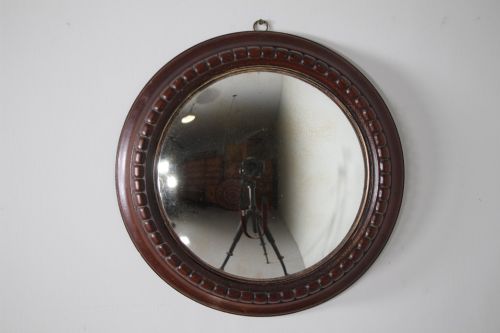
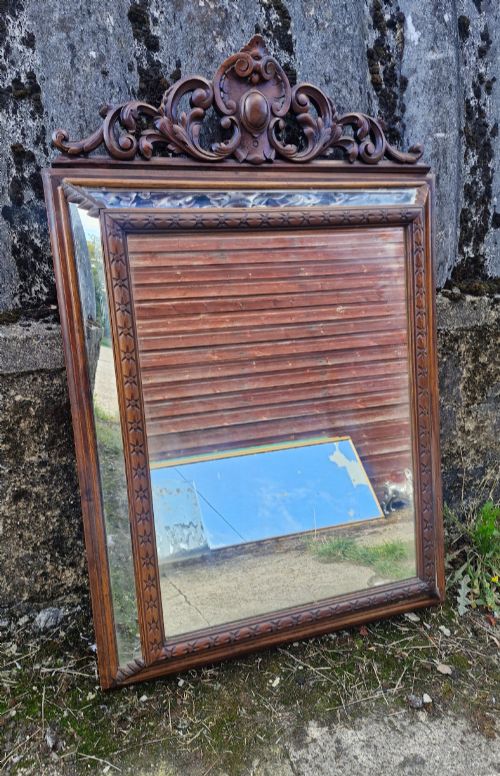
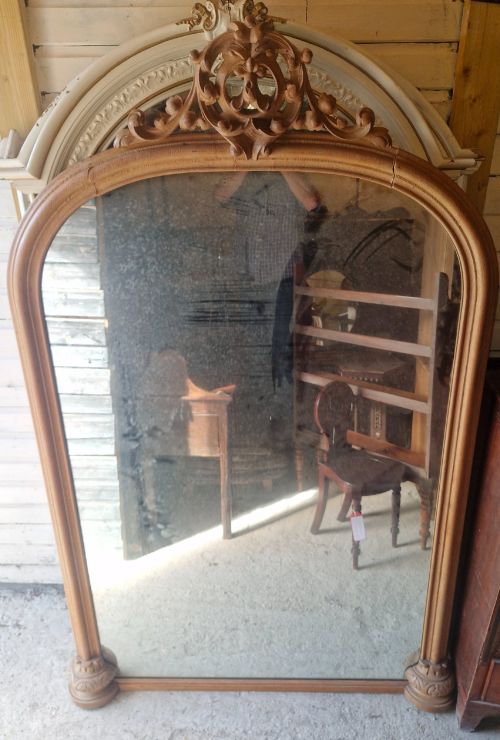
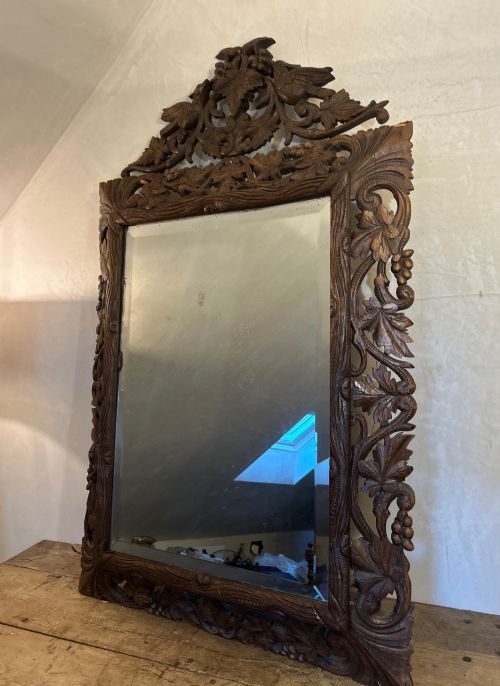

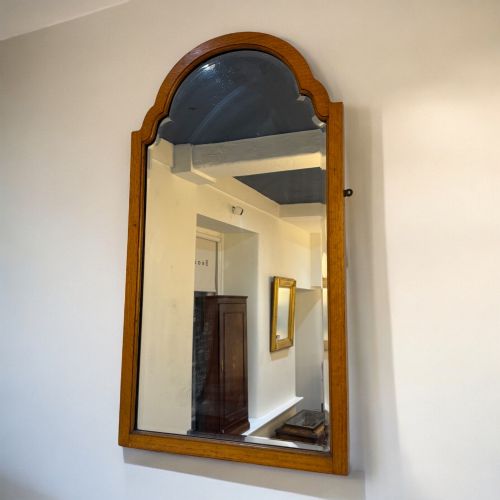
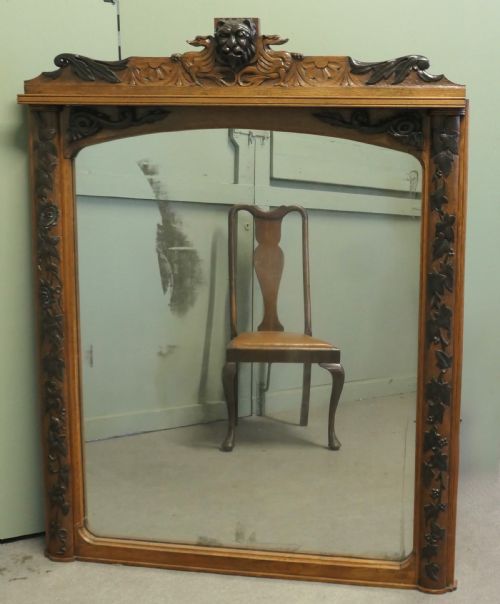
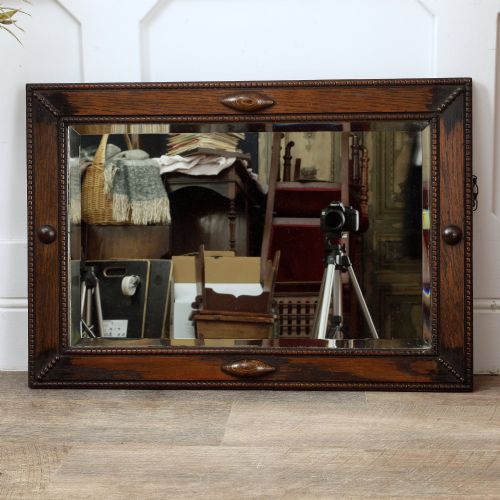
Oak Wall Mirror
An oak wall mirror brings warmth and enduring grain to an interior, anchoring a room with substantial timber and dependable glass.
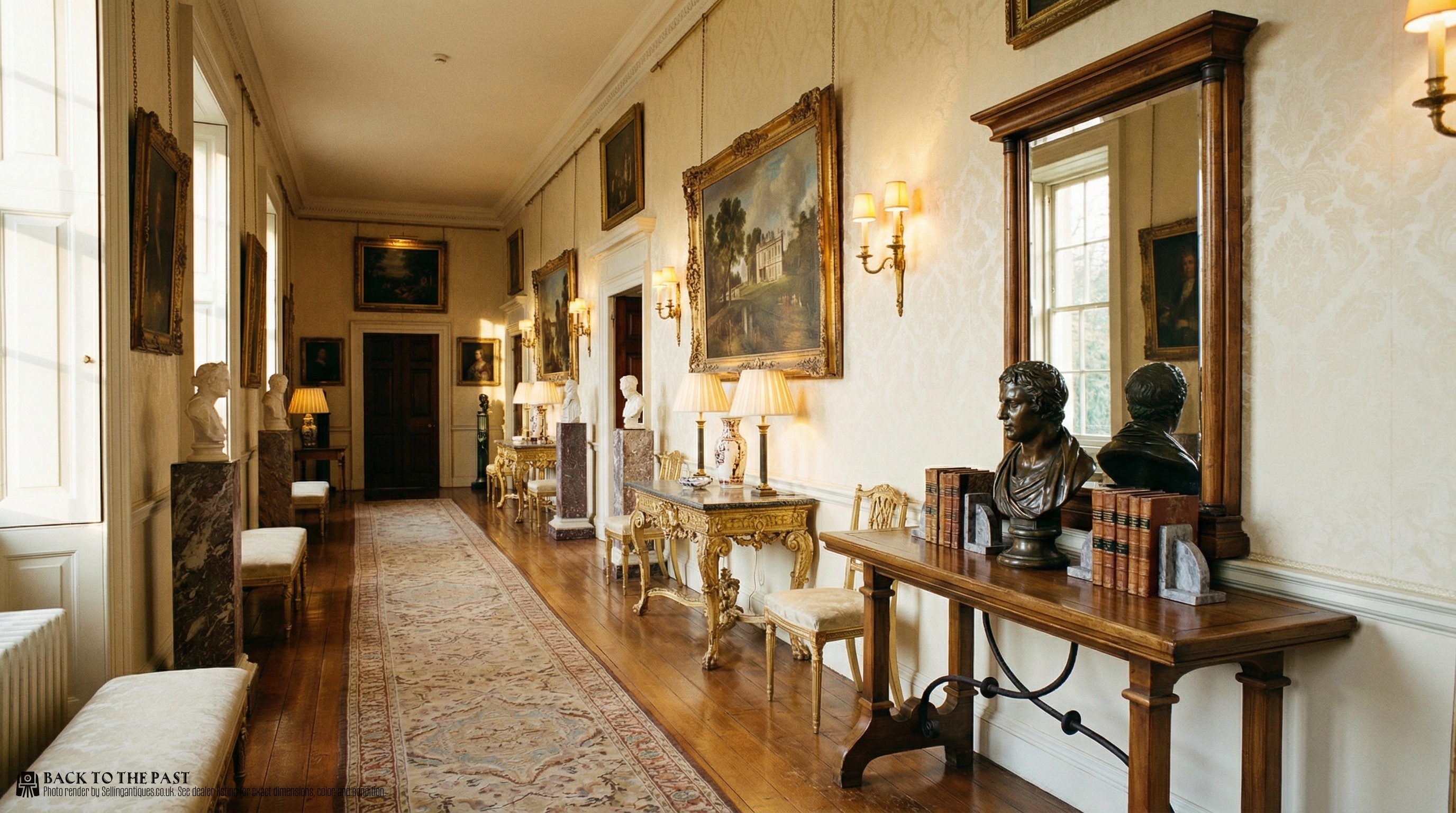
Oak Wall Mirror
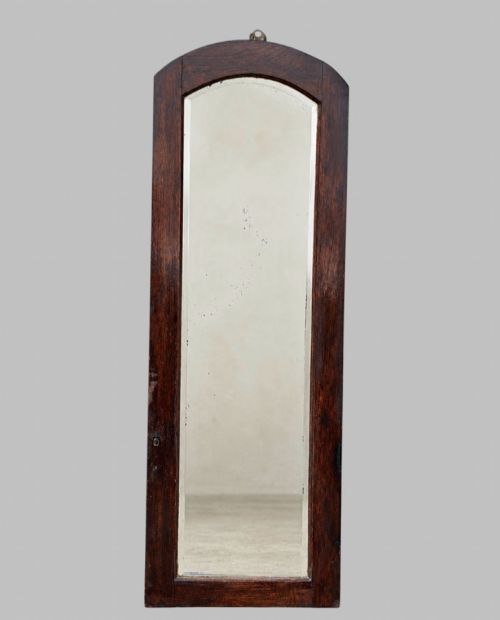
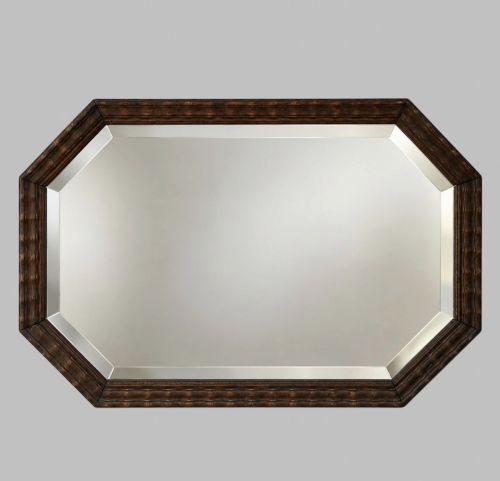
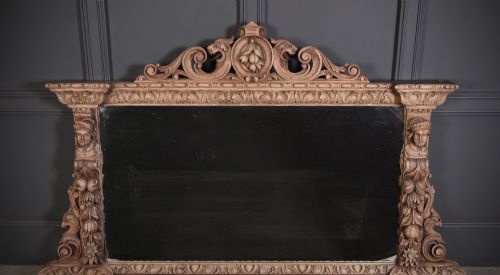
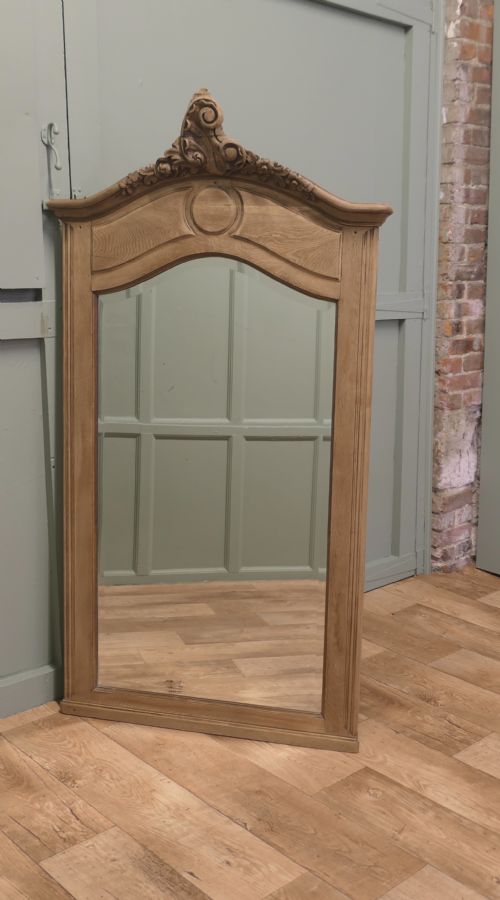
An oak wall mirror spans austere country frames, robust Victorian overmantels, and the clean geometric lines of early twentieth-century design. The search phrase covers domestic utility pieces alongside grand architectural frames intended for formal reception rooms.
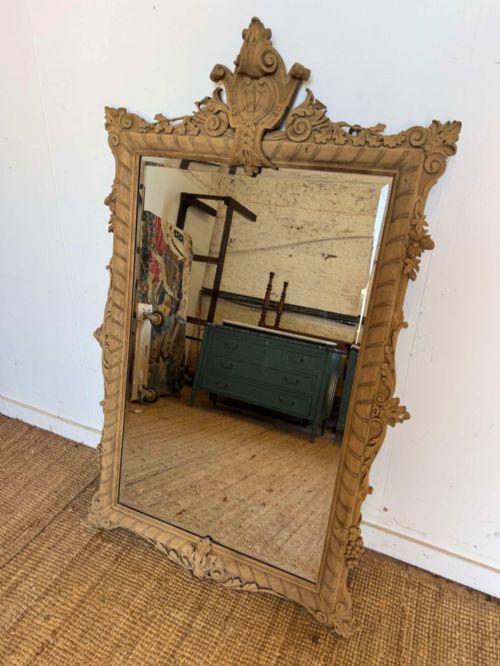
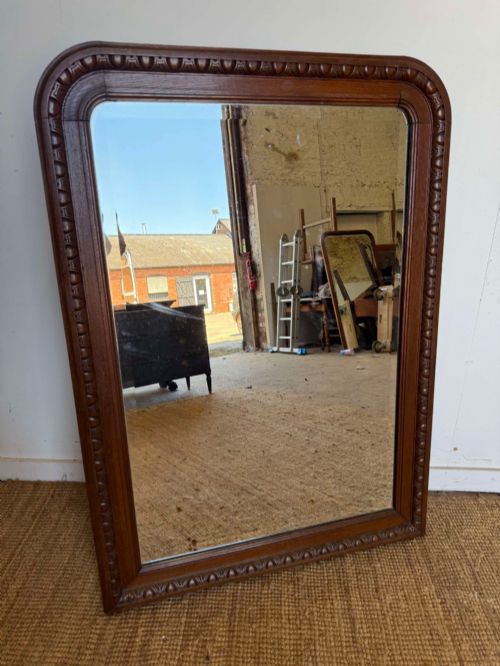
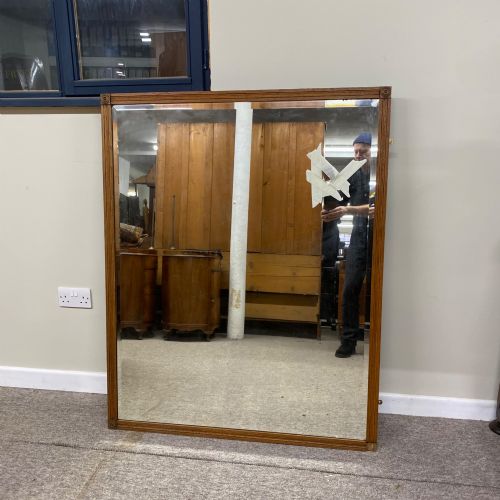
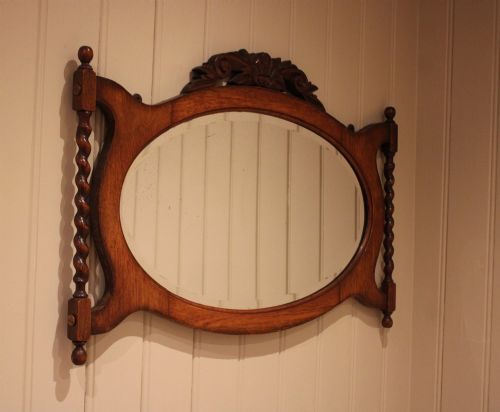
Victorian and Edwardian interpretations dominate the available selection, often featuring deep hand-carved foliage, rope twists, or applied mouldings. Simpler rectangular and oval shapes from the nineteen-twenties offer a more restrained domestic presence.
Many examples incorporate practical additions like brass coat hooks, umbrella troughs, or narrow ledges, reflecting their original placement in hallways and cloakrooms. Larger overmantel variations bridge the gap between architectural woodwork and functional looking glasses.
Evaluating the craftsmanship
Depth and crispness of the carving distinguish standard production frames from master-carved showroom pieces, where undercut foliage and balanced symmetry reveal the hand of a skilled artisan. The selection of the timber blank itself plays a role, with striking quarter-sawn figuring elevating the visual impact.
Structural integrity depends on the joinery at the corners, where mortise and tenon joints withstand the continuous tension of hanging hardware over decades. Original backing boards and undisturbed silvering on the mirror plate contribute significantly to the integrity of the piece.
Oak Wall Mirror Retail Price Guide 2026
Typical asking prices for oak wall mirror among the pieces listed under this phrase on Sellingantiques today, from the lower quarter to the upper quarter. They describe what is for sale here now, not the wider market.
Listings feature oak wall mirrors spanning the eighteenth, nineteenth, and early twentieth centuries, incorporating styles from Gothic Revival to Art Deco.
Waring and Gillow·Liberty and Co·Heals of London
The Oak Wall Mirror Glossary
- Overmantel mirror
- A large horizontal looking glass designed specifically to hang on the wall directly above a fireplace mantelpiece. These often incorporate heavy architectural mouldings and tripartite glass plates.
- Quarter-sawn oak
- Timber cut radially from the growth rings rather than flat-sawn, producing a distinctive flecked grain pattern known as medullary rays. This cut offers superior dimensional stability.
- Fumed oak
- Timber treated with ammonia fumes to darken the natural tannins within the wood quickly, achieving a rich deep brown finish favoured by Arts and Crafts designers.
- Bevelled glass
- A mirror plate whose outer perimeter is ground and polished at an acute angle to catch and refract light. This edge treatment adds depth and a traditional aesthetic.
- Gesso
- A plaster-based mixture applied to wood frames and moulded or carved into intricate decorative motifs before gilding or painting. It provides a smooth base for fine surface ornamentation.
Oak Wall Mirror: Frequently Asked Questions
Where should an oak wall mirror be hung?
These frames suit high-traffic circulation spaces like hallways, entryways, and landings where timber tones complement interior joinery. Versions with integrated shelves or hooks serve practical functions in cloakrooms and boot rooms.
Larger overmantel variants anchor formal sitting rooms when mounted securely above a fireplace opening. The substantial weight of solid oak and heavy glass requires robust wall fixings anchored directly into studs or masonry.
How do I care for antique oak frames?
Maintain the timber by applying a microcrystalline wax polish sparingly to nourish the grain and protect against airborne moisture. Avoid silicone-based sprays that build up and attract dust over time.
Clean the glass plate using a cloth dampened with a mild vinegar solution rather than spraying liquid directly onto the frame. Keep mirrors away from direct, harsh sunlight to prevent the timber from drying out and splitting.
How do I identify the period of an oak mirror?
Examine the construction methods and fastener types visible on the reverse of the frame, noting hand-sawn boards versus machine-cut alternatives. Tool marks, screw types, and peg construction offer reliable clues to dating.
Stylistic cues such as heavy Gothic tracery, Art Nouveau whiplash curves, or geometric Arts and Crafts copper details align pieces with specific design movements. Original mirror plates often exhibit characteristic foxing and slight distortions unique to historical manufacture.
Are original mirror plates common?
Many surviving frames retain their original glass, often identifiable by subtle surface imperfections, slight waviness, and age-related oxidation spots. These inherent traits validate the age and untouched condition of the object.
Replacement glass occasionally appears where historical damage occurred, though professional reglazing preserves the functional utility of the antique frame. Inspecting the silver backing under raking light reveals whether the reflective coating is contemporary or historical.