




Gothic Revival Mirror
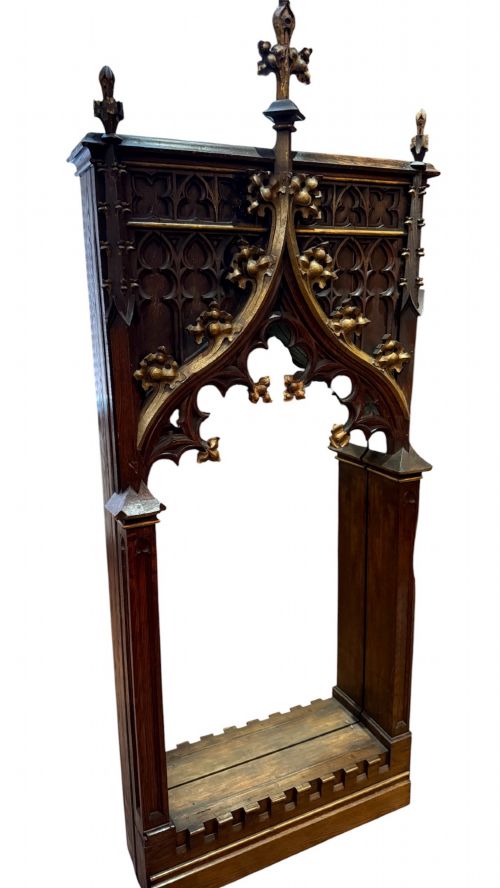
A gothic revival mirror brings architectural presence into a room, combining pointed arches and heavy timber work with reflective glass.
Gothic Revival Mirror
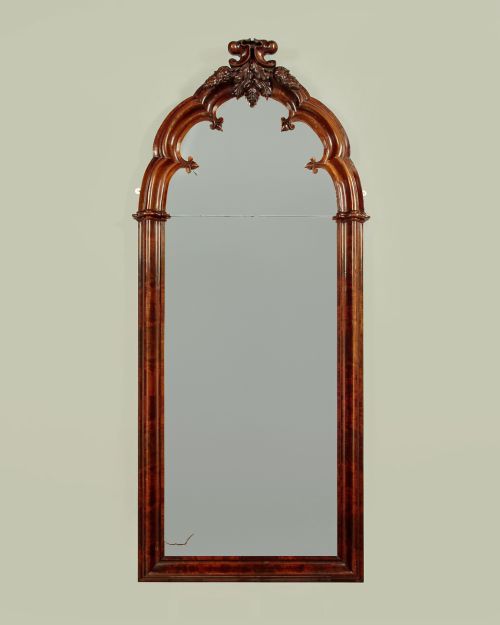
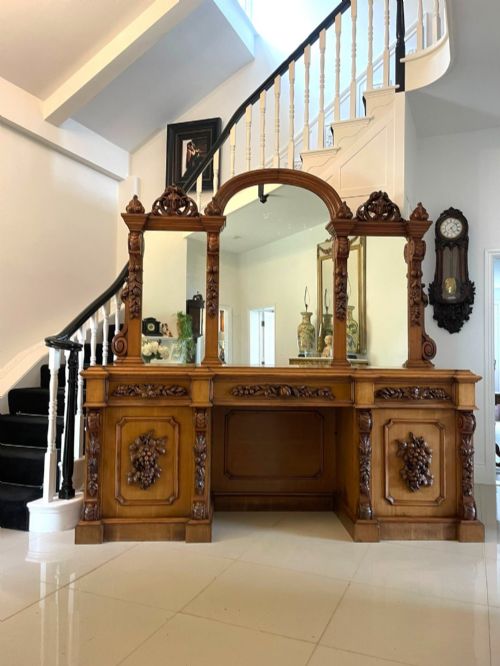
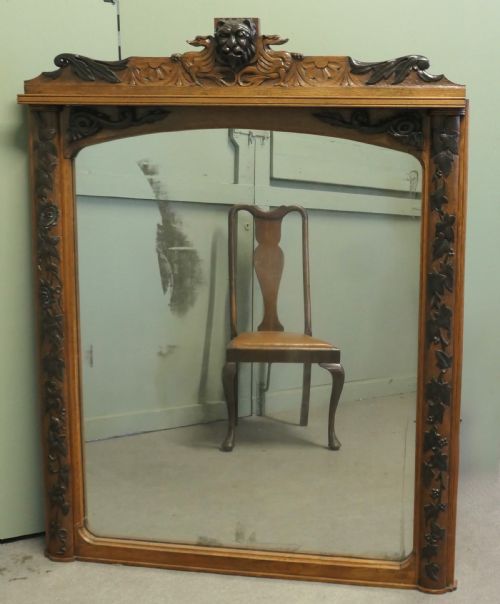
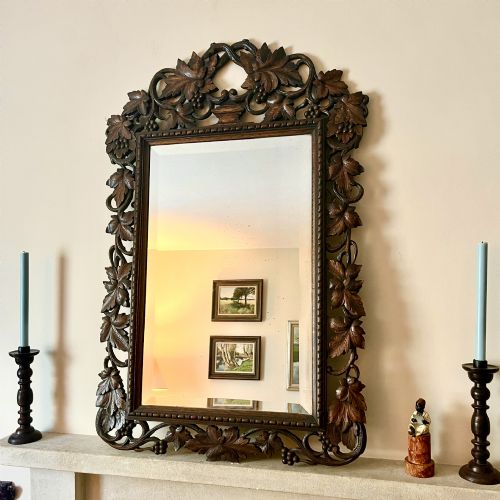
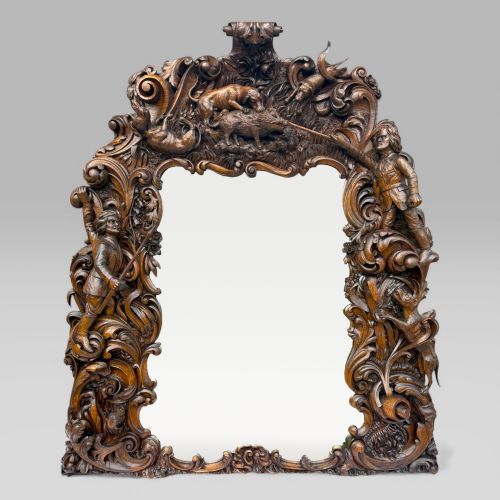
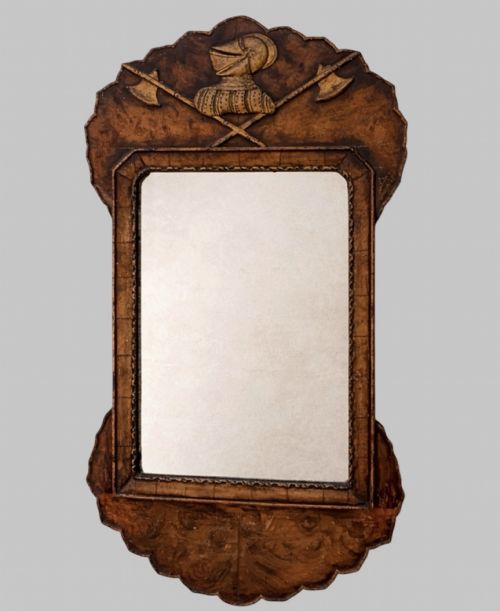
A gothic revival mirror is typically encountered as a large wall hanging or an overmantel piece dating from the nineteenth century, built to anchor a room with ecclesiastical proportions. These pieces draw directly on medieval architectural vocabulary, translating stone tracery and pointed arches into timber frames.
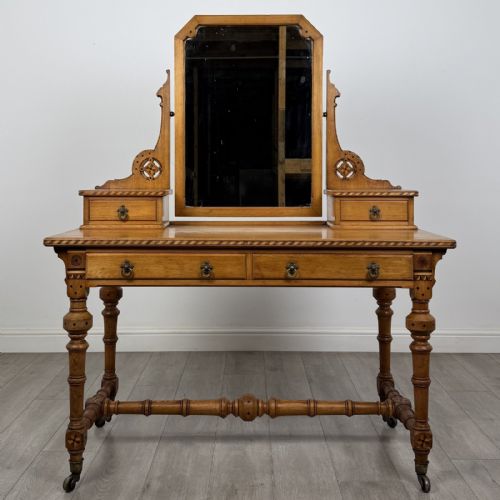
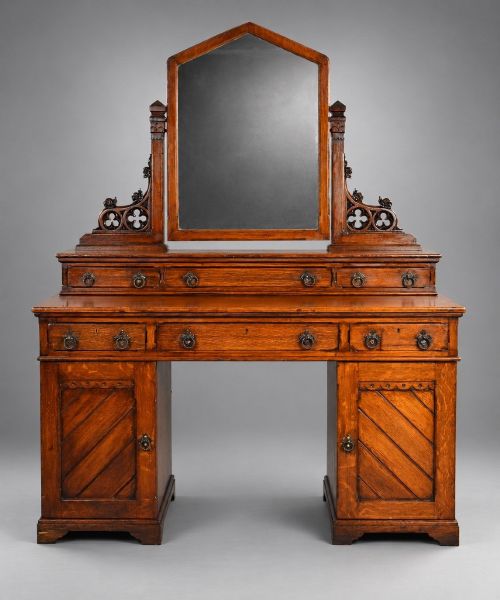
The versions most frequently met on this page are carved from oak or walnut, often featuring rectangular formats designed to sit above a mantelpiece or serve as a principal wall feature. Alongside these standard wall formats, smaller dressing mirrors and swing mirrors appear, offering the same architectural detailing on an intimate scale.
How they were made
Makers constructed these frames predominantly using solid oak, mahogany, and walnut, often applying gesso and giltwood highlights to accentuate carved motifs. Timber selection dictated the depth of relief carving possible, allowing artisans to execute complex cusped arches and heraldic shields directly into the grain.
Surfaces were frequently polished or left with a natural wax finish to highlight the figuring of the wood. Brass accents and bevelled mirror glass were integrated into the heavier timber structures to create contrast and catch the light within darker interior schemes.
Gothic Revival Mirror Retail Price Guide 2026
Typical asking prices for gothic revival mirror among the pieces listed under this phrase on Sellingantiques today, from the lower quarter to the upper quarter. They describe what is for sale here now, not the wider market.
One signed dragon mirror waits in the listings, watching every room with carved wooden scaled determination.
What varies in quality
The distinction between standard production and the finest work lies in the depth and ambition of the hand carving, particularly around architectural elements like tracery and crockets. Superior pieces display crisp undercutting and deliberate spatial planning where the wooden frame transitions into the glass.
Material selection also dictates overall grade, with dense pollard oak, figured walnut, and heavy fire-gilded brass fixtures separating exceptional commissions from everyday domestic furnishings.
Cottier & Co.·L Blondie
The Gothic Revival Mirror Glossary
- Overmantel mirror
- A large mirror designed specifically to be hung on the wall directly above a fireplace mantel. These pieces usually span the width of the fireplace surround and visually anchor the room.
- Tracery
- Architectural stonework patterning transposed into woodwork, forming the openwork skeletal framework of arches and cusps. It defines the distinct medieval aesthetic of these frames.
- Gesso
- A plaster-like mixture applied to wood surfaces and carved or moulded before gilding. It provides a smooth base for metallic leaf.
- Girandole
- A branched wall mirror holding candles or lights, designed to reflect illumination across a room. They appear as matched pairs in formal settings.
- Armorial crest
- A decorative heraldic device or shield incorporated into the top carving of a frame. It denotes lineage or symbolic identity.
Gothic Revival Mirror: Frequently Asked Questions
How do I hang a heavy gothic revival mirror?
These pieces require substantial wall fixings due to the combined weight of dense timber framing and thick mirror glass. Professional mirror plates screwed directly into structural wall studs provide the necessary support.
Positioning the frame at eye level or aligned with existing architectural lines ensures the proportions balance the surrounding room.
Where should an overmantel mirror be placed?
An overmantel mirror traditionally rests centrally above a fireplace breast to reflect natural light and draw the eye upward. This placement maximises the impact of large architectural frames.
Ensure the lower edge sits comfortably just above the mantelpiece shelf to maintain correct visual balance.
How do I clean antique mirror glass?
Clean the glass using a soft cloth dampened slightly with distilled water or a mild vinegar solution. Avoid spraying liquids directly onto the surface to prevent moisture seeping behind the silvering.
Take care not to let cleaning agents come into contact with the surrounding wood or gesso frame.
Can I date a gothic revival mirror by its wood?
Oak and walnut dominate nineteenth-century production, with heavier, highly figured timbers generally indicating the height of the Victorian revival period. Lighter woods and alternative finishes often point toward later arts and crafts influences.
Examine the construction joints and the backboards for tool marks to confirm the period.