

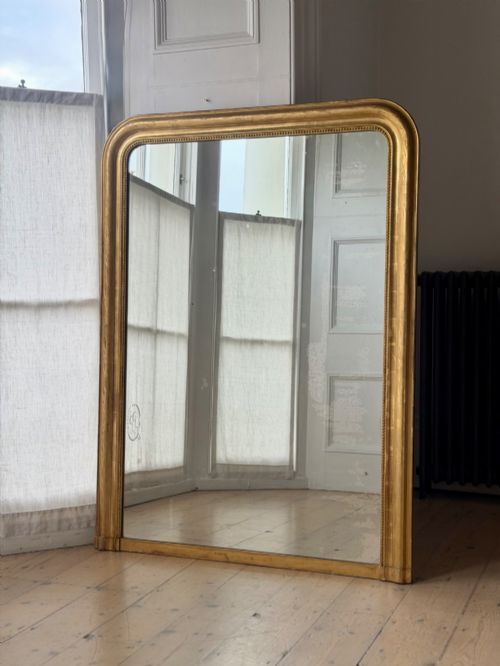
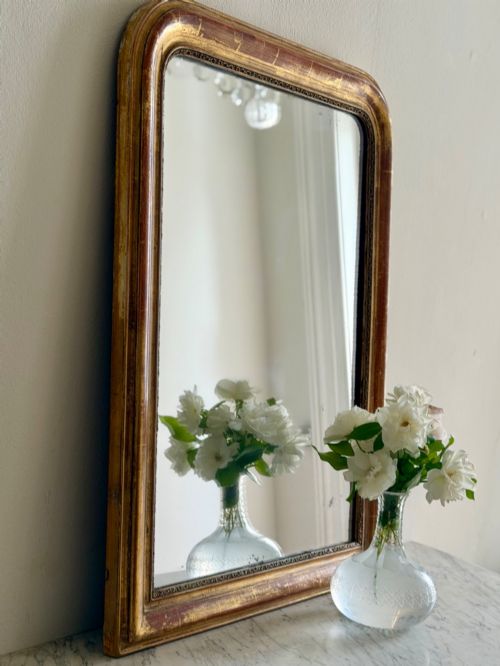
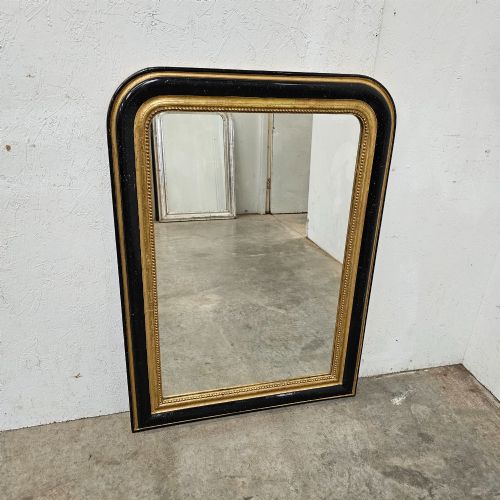


Vintage Round Mirror
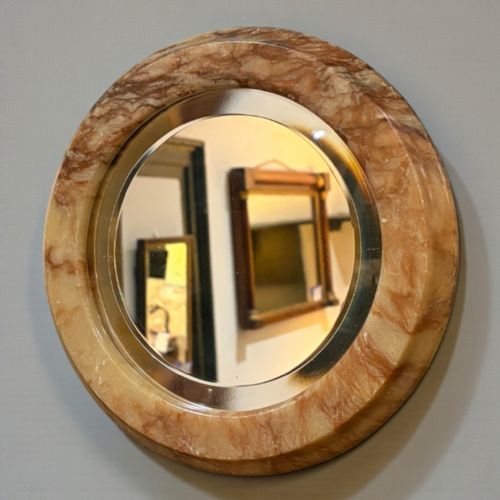
A vintage round mirror brings focus and reflected light to a room, ranging from simple convex portholes to ornate gilt frames.
Vintage Round Mirror
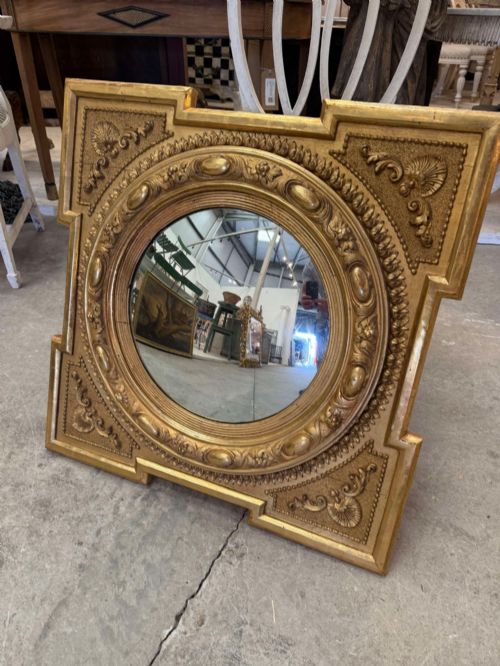
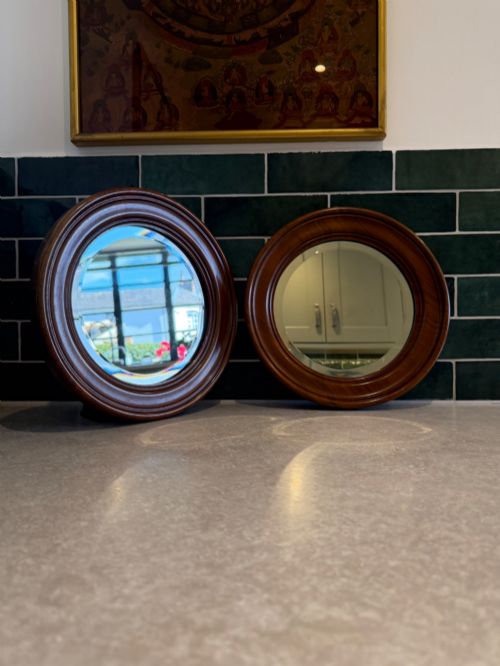
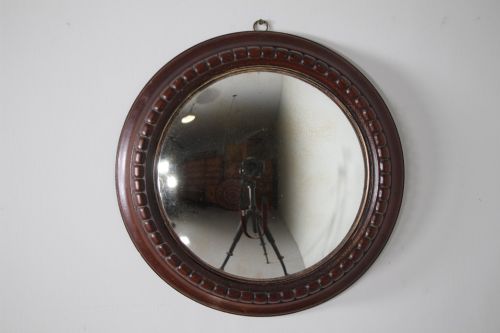
A vintage round mirror draws the eye through circular geometry, appearing frequently as convex plates, porthole designs, and wall-hanging frames across this selection.
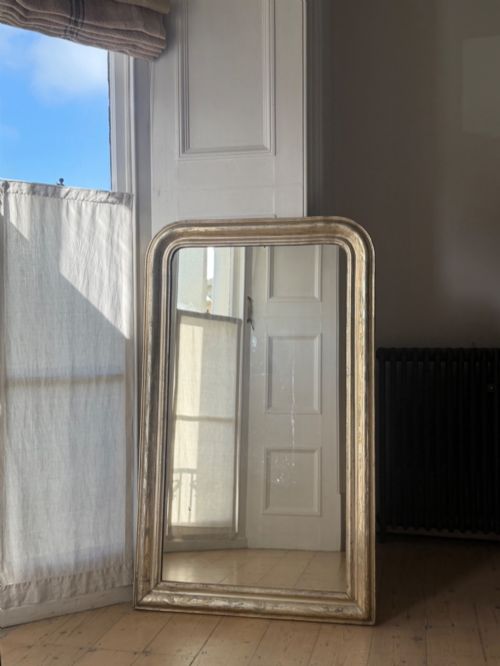
The inventory spans multiple periods including Regency, Victorian, and Art Deco, alongside French Louis Philippe designs and Edwardian iterations.
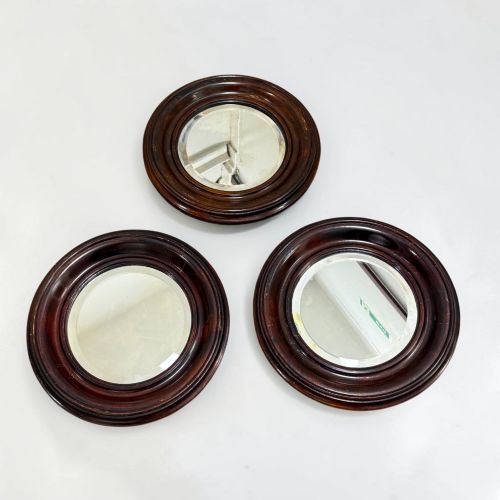
Makers shaped these circular forms in wood, giltwood, and ebonised timber, often mounting them as wall mirrors or decorative overmantels.
Materials and Construction
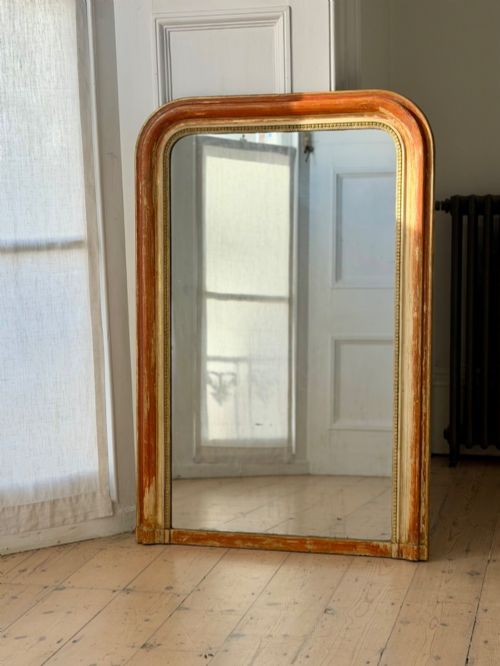
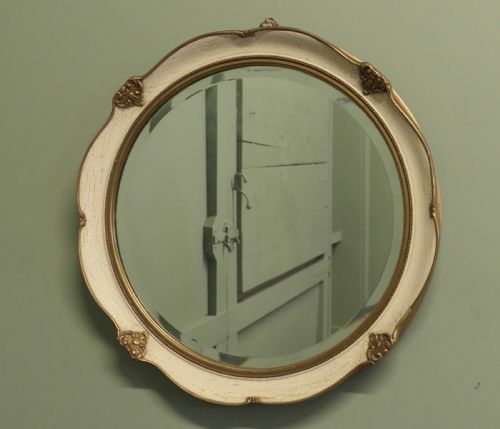
Frames rely heavily on giltwood, gesso, and standard wood, often finished with gold leaf or painted surfaces to achieve decorative depth.
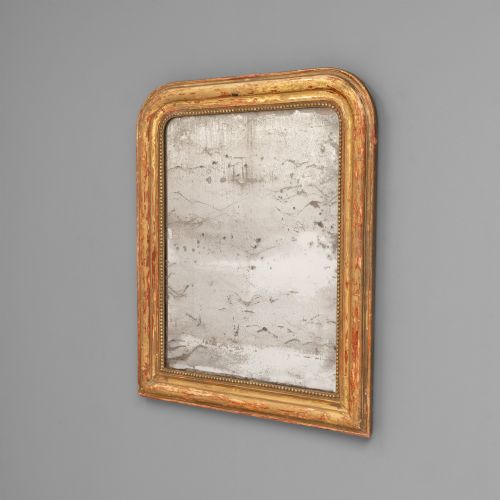
Glass plates are set into brass, copper, chrome, or carved wooden surrounds, sometimes utilising bevelled edges or showing foxed plates from age.
Vintage Round Mirror Retail Price Guide 2026
Typical asking prices for vintage round mirror among the pieces listed under this phrase on Sellingantiques today, from the lower quarter to the upper quarter. They describe what is for sale here now, not the wider market.
Some nineteenth-century convex mirrors include eagles perched on top, watching over the room with stern glass gazes.
Assessing Quality and Execution
The calibre of a piece rests on the crispness of carved details in the gesso and giltwood frames, alongside the depth and weight of the cast brass or copper mounts.
Proportion dictates the presence of the object, where grand scale Regency convex mirrors or finely cast Edwardian frames demonstrate superior artisan skill compared to simpler utilitarian versions.
The Vintage Round Mirror Glossary
- Convex mirror
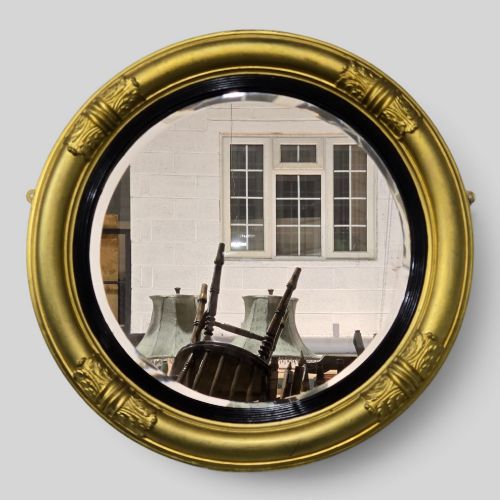
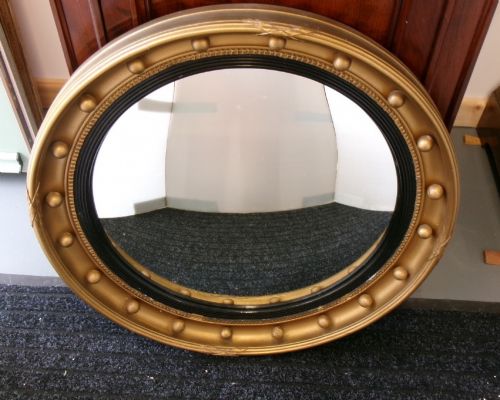
- A round mirror with an outward-curving glass surface that offers a wide-angle reflection of the interior space. It is often housed in a giltwood frame with a reeded ebonised slip.
- Giltwood
- Timber carved and coated with a thin layer of gold leaf or metallic powder. This material catches ambient light and defines the ornate profiles of period frames.
- Gesso
- A plaster-like mixture applied to wooden frames and carved before gilding. It allows for intricate moulded ornamentation.
- Foxed mirror plate
- Glass displaying dark spots or patches resulting from the degradation of the backing over time. Collectors prize this characteristic as proof of genuine age.
- Overmantel mirror
- A large mirror designed to hang above a fireplace mantelpiece. Many examples from the nineteenth century adopt grand horizontal or arched formats.
Vintage Round Mirror: Frequently Asked Questions
Where should I hang a convex mirror?
Convex mirrors excel in narrow hallways, tight spaces, and above mantelpieces where their wide-angle reflection can capture the entire room.
Because they concentrate light, place them opposite a window to brighten darker corners without causing direct glare.
How do I identify a Regency mirror?
Regency frames typically feature circular giltwood designs, often incorporating convex glass surrounded by moulded spheres or ball bearings.
Look for heavy timber construction and classical motifs such as spread eagles or reeded ebonised slips within the sight line.
What is a sorcerer's mirror?
A sorcerer's mirror is an alternative name for a convex mirror, historically used in drawing rooms to monitor guests and activities across the space.
The curved glass creates a miniature panoramic view of the interior, leading to its historic association with divination and scrying.
How do I care for antique glass?
Clean antique mirror plates gently with a dry or barely damp microfiber cloth to protect the silvering and surrounding frame.
Avoid spraying liquids directly onto the glass or frame, as moisture can seep behind the plate and accelerate foxing or damage the gesso.