




Moulded Wood Mirror
A moulded wood mirror brings architectural depth and reflected light into a room, offering centuries of craftsmanship in carved and shaped frames.
Moulded Wood Mirror
A moulded wood mirror combines timber framing with reflective glass, appearing primarily in nineteenth-century styles alongside earlier seventeenth and eighteenth-century examples. Buyers search for these pieces to anchor a room with traditional wall furniture, whether selecting a large overmantel mirror for a fireplace or a smaller convex glass for a hallway.
The selection on this page centres heavily on Victorian and nineteenth-century production, alongside French Louis Philippe designs and Italian baroque revival pieces. Common formats include wall mirrors, picture frames adapted for glass, and architectural cushion frames utilising walnut, oak, and ebonised wood.
How they were made
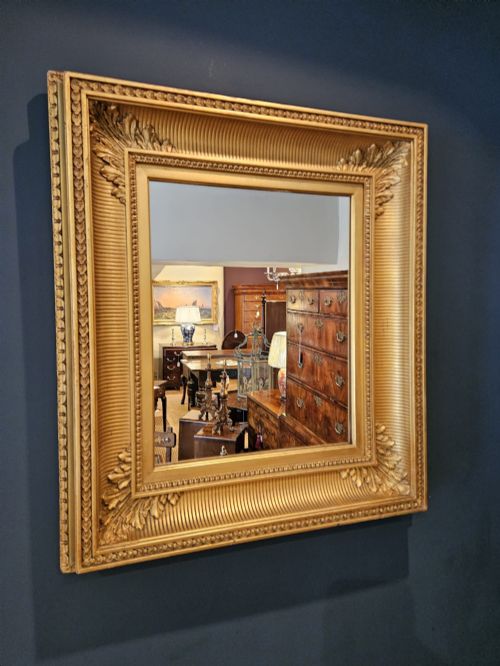
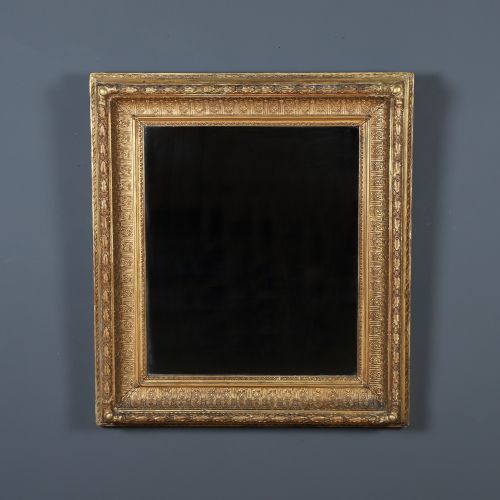
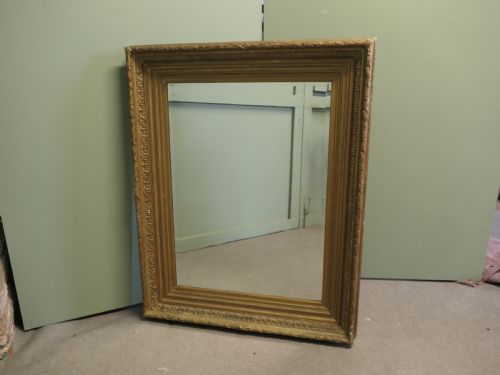
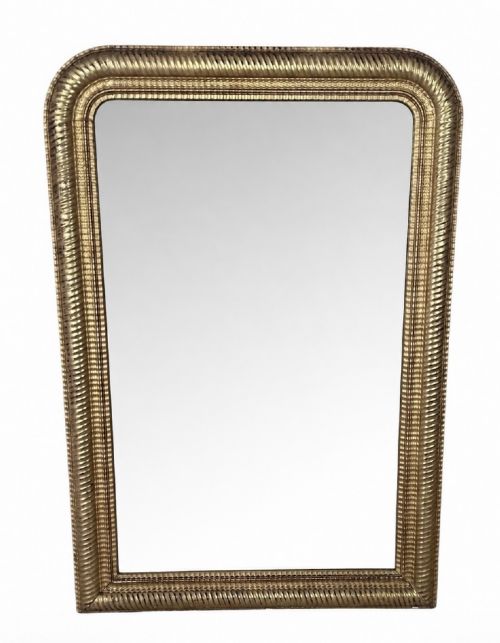
Makers constructed these frames from solid timbers such as walnut, oak, maple, and mahogany, frequently applying layers of gesso to build up intricate surface reliefs. Giltwood and gold leaf finishes were then laid over the prepared wooden mouldings to create a brilliant metallic sheen.
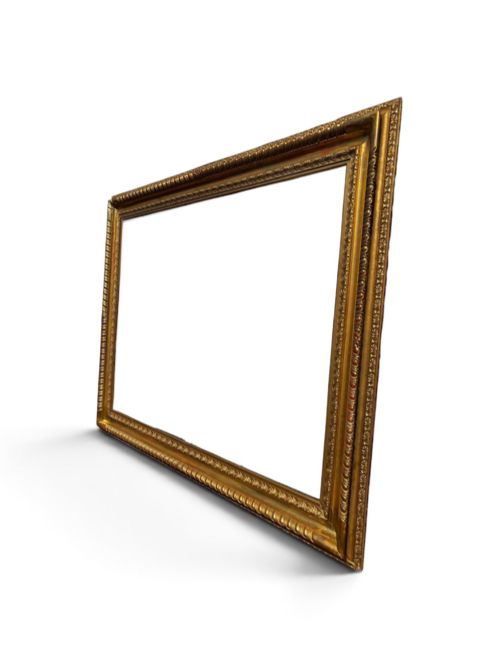
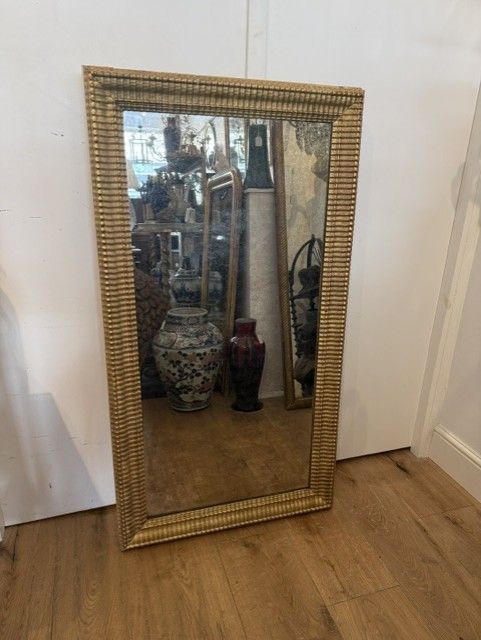
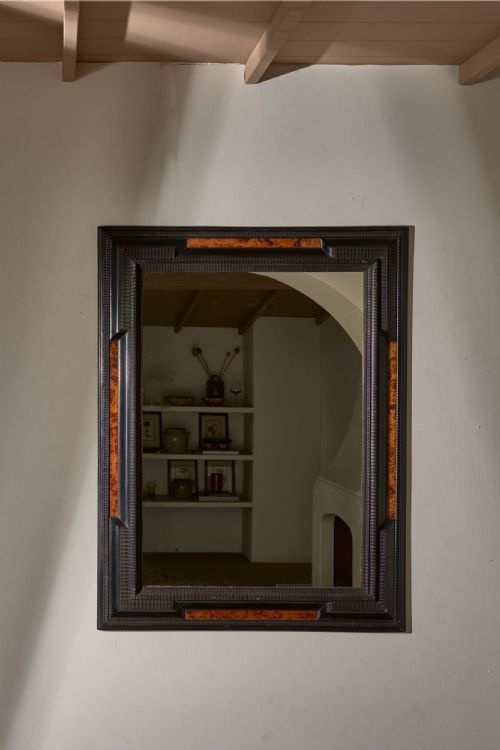
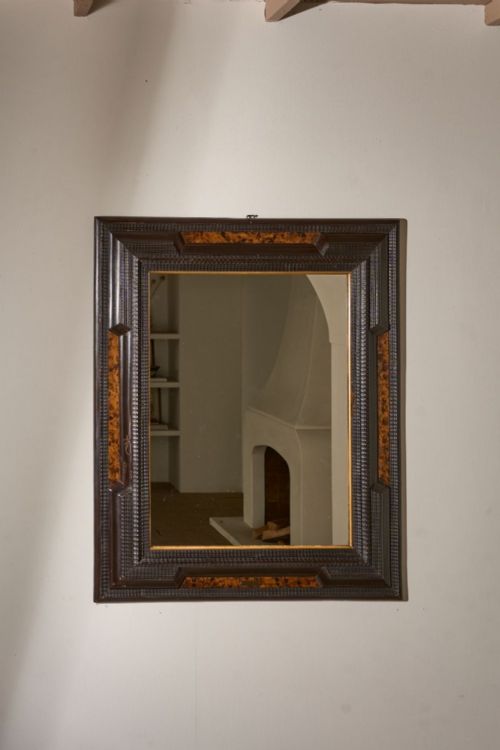
Alternative aesthetic traditions employed ebonised wood and faux tortoiseshell to simulate exotic materials, while ripple moulding machines and hand-carved acanthus leaf details added textural movement to the timber borders.
What varies in quality
The distinction between standard and exceptional pieces rests in the crispness of the carved detail and the integrity of the original gesso and gilding. Hand-carved elements display a depth and undercut precision that machine-run mouldings simply cannot replicate.
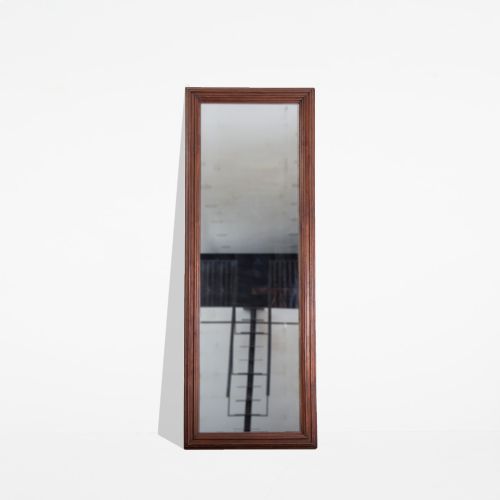
The preservation of the original mirror plate, such as foxed glass showing age-related oxidation, contributes significantly to the character and authenticity of an antique wall mirror.
The Moulded Wood Mirror Glossary
- Gesso
- A plaster-like mixture applied to wood frames as a base for gilding or painting. It allows craftsmen to carve intricate relief decorations directly onto the timber substrate.
- Giltwood
- Timber that has been coated with thin sheets of gold leaf or gold paint. This technique protects the underlying wood while providing a luxurious reflective surface.
- Overmantel mirror
- A large mirror specifically designed to hang above a fireplace mantelpiece. These pieces often feature arched tops and substantial proportions to fill wall spaces.
- Convex mirror
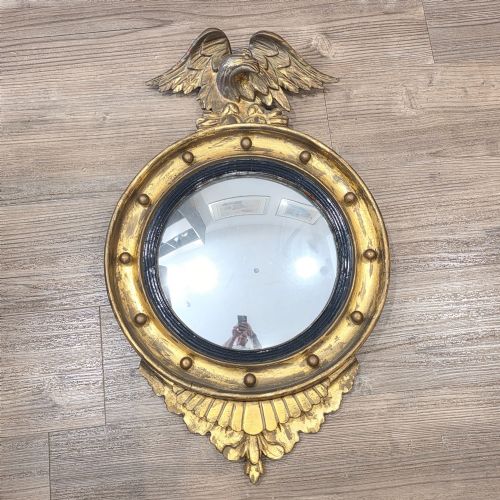
- A circular glass mirror with a curved surface that reflects a wide-angle, distorted view of the room. They are frequently framed in giltwood with decorative motifs like spread eagles.
- Ripple frame
- A frame featuring repetitive wave-like mouldings created by specialised cutting machinery. It gained popularity during the seventeenth century and saw nineteenth-century revivals.
Moulded Wood Mirror: Frequently Asked Questions
Where should I hang a moulded wood mirror?
These mirrors suit chimney breasts as overmantels, or entrance hallways where they bounce natural light into darker corners.
Ensure the wall fixings can support the substantial weight of timber and gesso construction, particularly on larger nineteenth-century examples.
How do I identify a Victorian mirror?
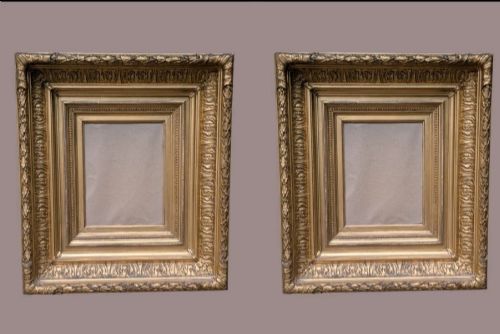
Victorian pieces frequently feature heavy gilt frames decorated with acanthus leaves, cushion profiles, or architectural revival styles. Makers from this era also utilised ebonised wood and deep picture frame mouldings.
Examine the backboards and fixings for age indicators like hand-sawn timber and early screw types to confirm the period.
What is a convex mirror used for?
Convex mirrors, sometimes called sorcerer's mirrors, were historically placed in rooms to monitor gatherings and provide a sweeping perspective of an interior space.
Their curved plates create a distinctive fish-eye reflection that adds optical depth to smaller living areas.
Are these frames made of solid wood?
Framing materials include solid walnut, oak, maple, and mahogany, often built up with gesso layers to shape decorative surface reliefs.
Some pieces combine structural timber carcases with applied moulded ornaments finished in gold leaf or ebonisation.