





Dark Walnut Mirror
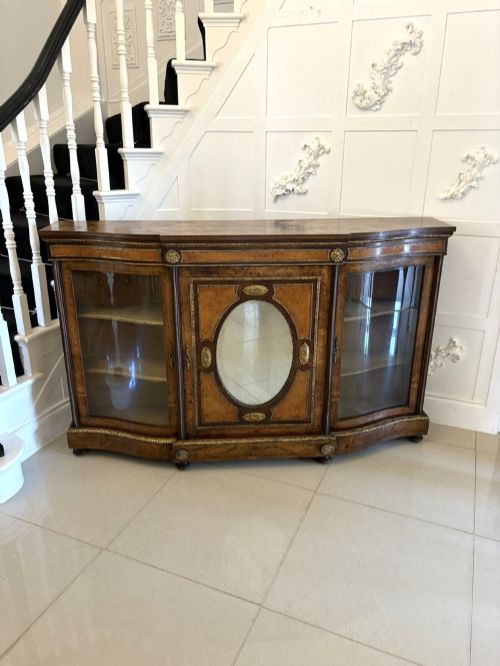
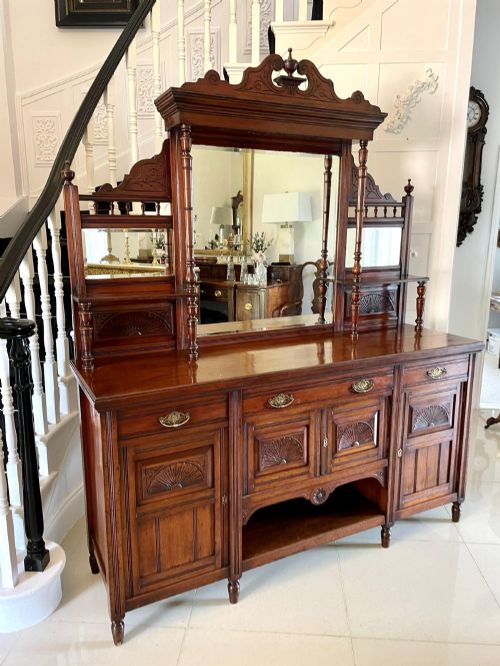
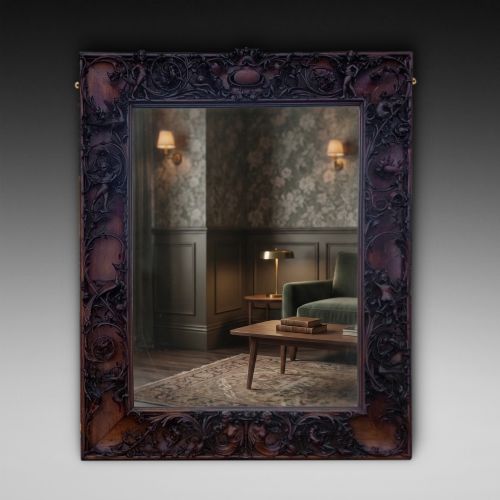
A dark walnut mirror brings rich grain and deep tone into a room, offering a focal point shaped by centuries of cabinet-making traditions.
Dark Walnut Mirror
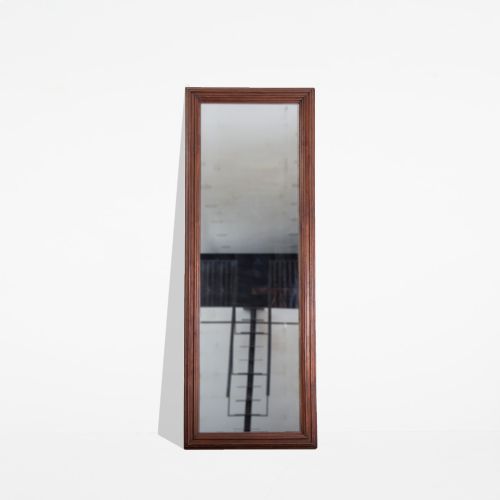
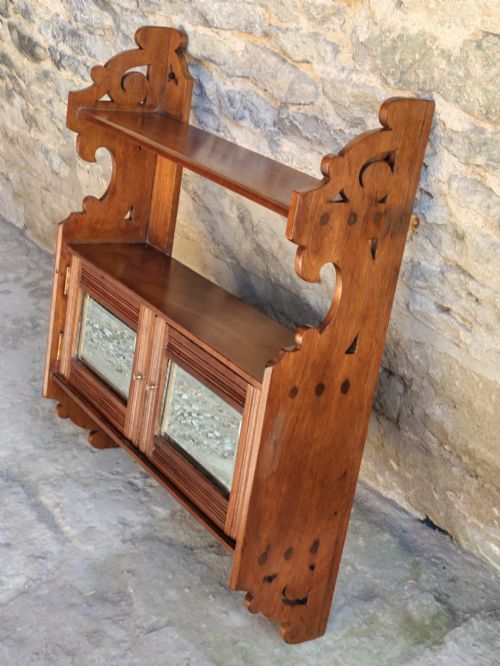
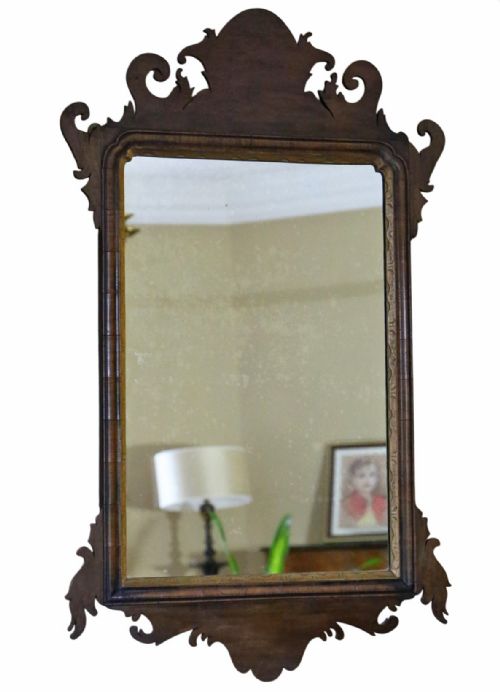
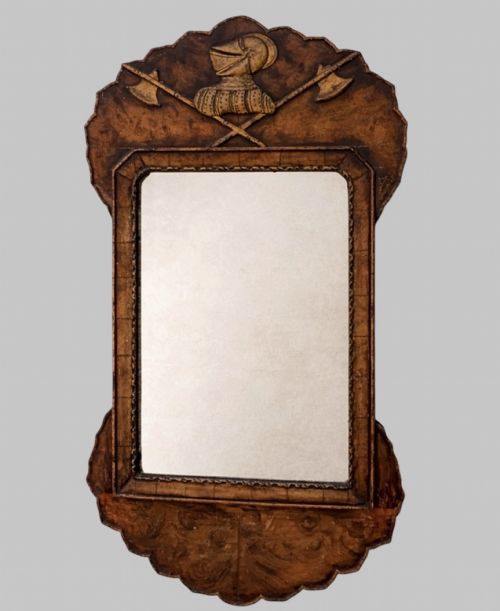
When you search for a dark walnut mirror, you encounter pieces spanning from the seventeenth century through the Victorian era and into the early twentieth century. These objects range from simple Georgian wall formats to large carved Victorian overmantels and intricate fretwork designs.
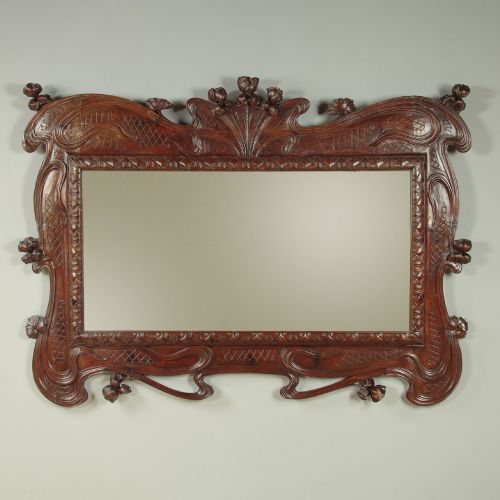
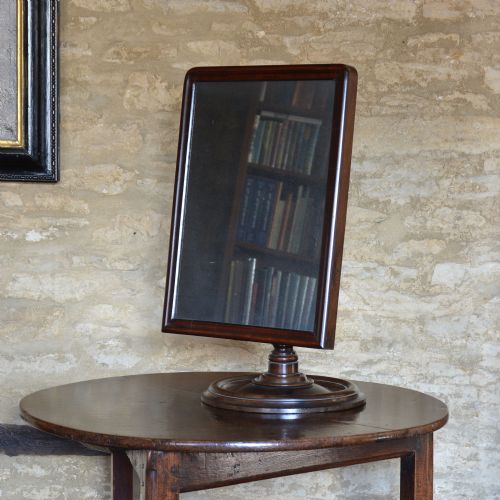
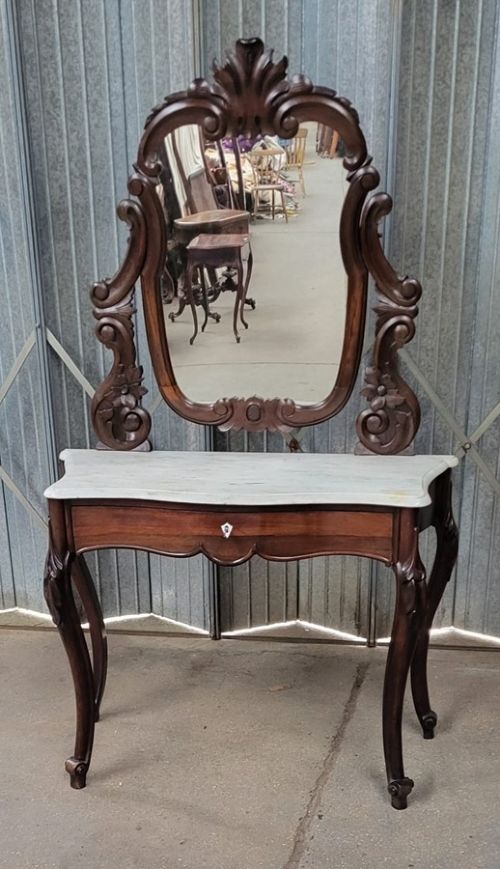
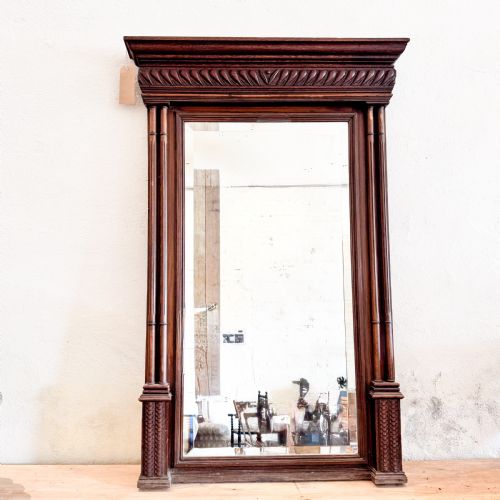
The versions you are most likely to meet on this page include nineteenth-century wall mirrors, overmantels, and shaving glasses utilising rich timber tones. Makers across different periods adapted walnut into various styles, from George II period revivals to Aesthetic Movement and Art Nouveau expressions.
The selection reflects both British and continental influences, combining dark timber frames with bevelled or flat mirror glass. Pieces often incorporate carved crests, gilt highlights, or marquetry inlay to enhance the visual weight of the walnut.
What varies in quality
The depth and selection of the wood veneer dictate much of the visual impact, with burr walnut and oyster cut patterns demanding superior skill from the joiner. Crispness in hand-carved mouldings, crests, and fretwork separates standard production from exceptional examples.
Structural integrity relies on the original joinery of the frame corners and the preservation of the backing boards. The quality of the original mirror glass, whether clear or showing age-appropriate silvering, influences the character of the piece.
Dark Walnut Mirror Retail Price Guide 2026
Typical asking prices for dark walnut mirror among the pieces listed under this phrase on Sellingantiques today, from the lower quarter to the upper quarter. They describe what is for sale here now, not the wider market.
Listings feature walnut mirrors spanning from the seventeenth century through the Georgian and Victorian eras, utilising both solid timber and burr veneers.
The Dark Walnut Mirror Glossary
- Burr walnut
- A prized timber harvested from the growth warts of walnut trees, yielding complex, swirling grain patterns. It appears frequently on high-status Victorian and Georgian furniture frames.
- Fretwork
- Thin wood pierced with decorative patterns using a fretsaw. This technique creates lightweight, geometric crests and borders on seventeenth-century and revival wall mirrors.
- Oyster veneer
- Slices cut transversely from small branches or roots to produce circular or oval motifs resembling oyster shells. This method defines seventeenth-century marquetry surfaces.
- Parcel gilt
- A decorative treatment where specific carved details or mouldings receive a thin coating of gold leaf. It contrasts sharply against the dark walnut background on eighteenth-century style pieces.
- Overmantel mirror
- A large horizontal looking glass designed specifically to hang above a fireplace mantelpiece. These frames often match the scale of nineteenth-century domestic interiors.
Dark Walnut Mirror: Frequently Asked Questions
How do I date a walnut mirror?
Dating relies on examining the construction methods of the frame, the backing boards, and the type of mirror glass utilised. Hand-cut screws,Bevelling techniques, and stylistic markers like fret-cutting or carving styles point to specific periods.
Evidence from nineteenth-century revivals shows makers frequently copied earlier Georgian and seventeenth-century forms, meaning timber grain and joinery inspection remain essential for accurate attribution.
Where should I hang a heavy overmantel mirror?
Heavy overmantel mirrors require secure fixing directly into solid masonry or substantial wall studs to support their considerable weight safely. The frame proportions dictate placement above a fireplace or along a principal reception room wall.
Ensure the hanging brackets and wire match the load capacity of the specific piece, as nineteenth-century walnut and glass assemblies are notably heavy.
How do I care for dark walnut wood?
Maintain walnut frames by keeping them away from direct sunlight and sudden humidity changes that cause timber to split or warp. Dust gently with a dry, soft cloth and apply quality wax polish sparingly.
Avoid liquid cleaners or silicone sprays, as these agents degrade the traditional polish and dull the natural grain over time.