




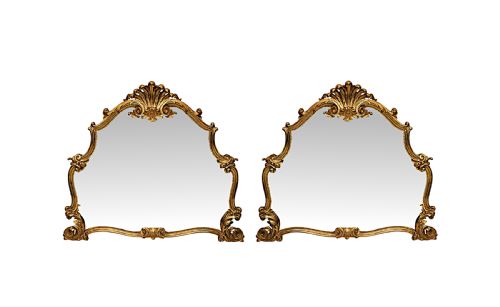
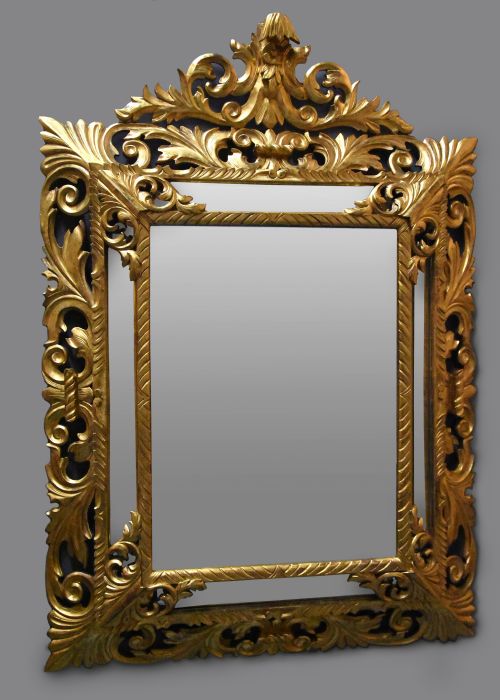


Baroque Style Wall Mirror
A baroque style wall mirror brings theatrical depth and heavy, carved ornamentation to a room, drawing the eye instantly.
Baroque Style Wall Mirror
A baroque style wall mirror is an imposing furnishing designed to command a room through scale, heavy ornamentation, and dynamic form. When you search for a baroque style wall mirror, you encounter pieces that echo the grandeur of seventeenth and eighteenth-century European courts.
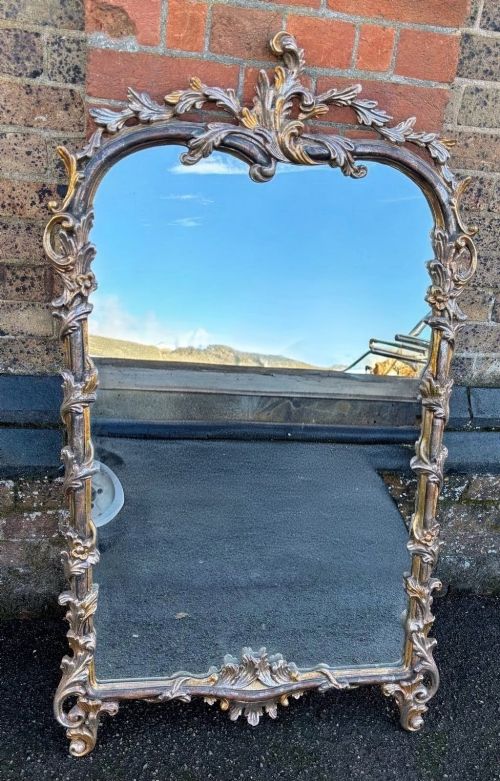
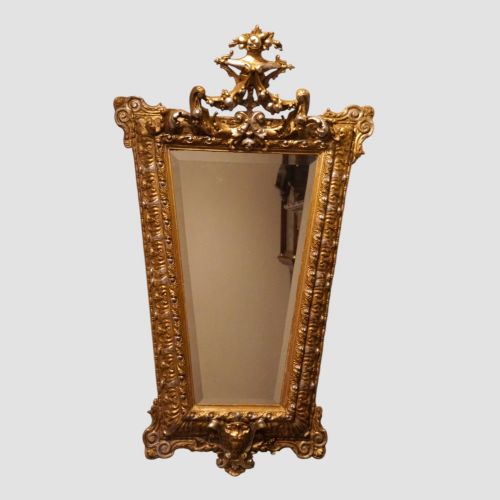
The versions most commonly met on this page date from the nineteenth century, drawing heavily on earlier Italian, French, and Dutch decorative vocabularies. These later interpretations range from grand overmantel pier mirrors to smaller cushion frames and dressing glasses.
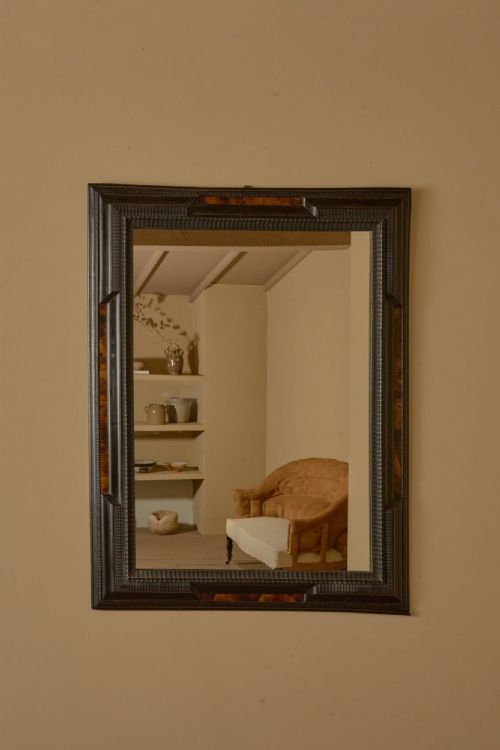
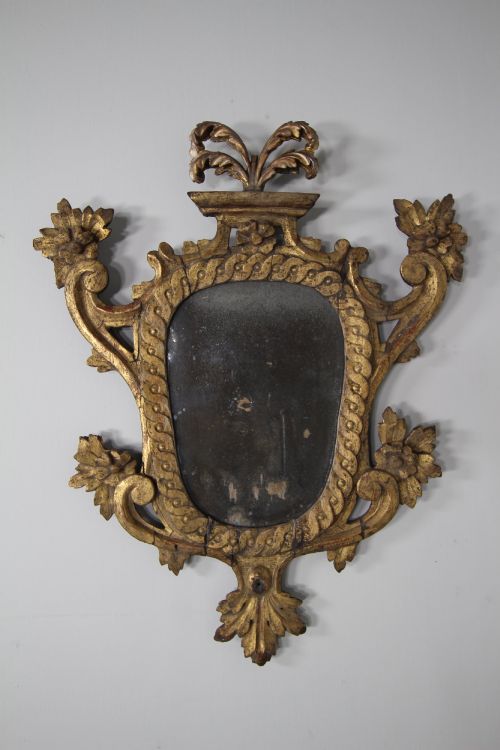
Makers across periods utilised distinct regional traits, from Florentine giltwood carvings to ebonised frames with faux tortoiseshell surfaces. Walnut, limewood, and oak form the structural foundations for these varied regional interpretations.
Markers of Quality
The depth and fluidity of the carving separate standard examples from exceptional ones. Superior pieces display crisp undercutting and confident tool marks executed by skilled hands, rather than shallow, uniform moulding.
The handling of the gilded or painted surface dictates the visual weight of the piece. High-quality examples use traditional gesso and leaf applications that age with a warm, complex patina, avoiding flat or overly bright modern finishes.
Structural integrity within heavy frames and the clarity of the mirror glass contribute significantly to a piece's standing. Original or period mirror plates with soft foxing show authenticity that mechanical uniformity lacks.
Baroque Style Wall Mirror Retail Price Guide 2026
Typical asking prices for baroque style wall mirror among the pieces listed under this phrase on Sellingantiques today, from the lower quarter to the upper quarter. They describe what is for sale here now, not the wider market.
Materials recorded across the inventory include giltwood, gesso, brass, walnut, limewood, oak, and mirror glass.
The Baroque Style Wall Mirror Glossary
- Giltwood
- Wood that has been coated with gold leaf or gold paint. This technique gives frames a rich, metallic lustre that catches interior light.
- Gesso
- A plaster-like mixture applied to wood frames to create a smooth surface for gilding. It allows for intricate relief decoration before leaf application.
- Cushion Mirror
- A frame characterised by a broad, convex moulded border that slopes inward toward the glass. This profile creates a distinctive puffed or padded appearance.
- Pier Glass
- A large tall mirror designed to hang on the pier, the section of wall between two windows. They often paired with console tables placed directly beneath them.
- Oyster Veneer
- Cross-sections of branches sliced to reveal circular growth rings, arranged closely together on a wooden ground. This decorative technique appears on seventeenth-century pieces.
Baroque Style Wall Mirror: Frequently Asked Questions
Where should I hang a baroque style wall mirror?
These mirrors work best hung above a substantial piece of furniture like a mantelpiece or a console table. Their strong visual weight needs a solid anchor below to balance the room.
Avoid hanging them on narrow, isolated walls where the heavy frames can feel overwhelming. Placing them opposite a window also helps maximise natural light in darker spaces.
How do I clean a giltwood frame?
Dust the carved wooden surfaces gently using a very soft, dry brush or a feather duster. Avoid applying moisture or chemical cleaning agents directly onto the gilded finish.
Liquid cleaners can strip the delicate gesso and gold leaf layers over time. Professional conservation is recommended if deeper cleaning becomes necessary.
How do I tell nineteenth-century revivals from earlier originals?
Nineteenth-century revival pieces often display machine-sawn timber elements and standardised casting techniques hidden beneath the gesso. Close inspection of the construction joints and the composition of the backing boards reveals the true period.
Earlier pieces from the seventeenth and eighteenth centuries show hand-pit-sawn marks and irregular joinery. The wear patterns on the gilding and the oxidation of the mirror plate also offer clear chronological clues.